What are Conveyor Belts for Recycling Lines?
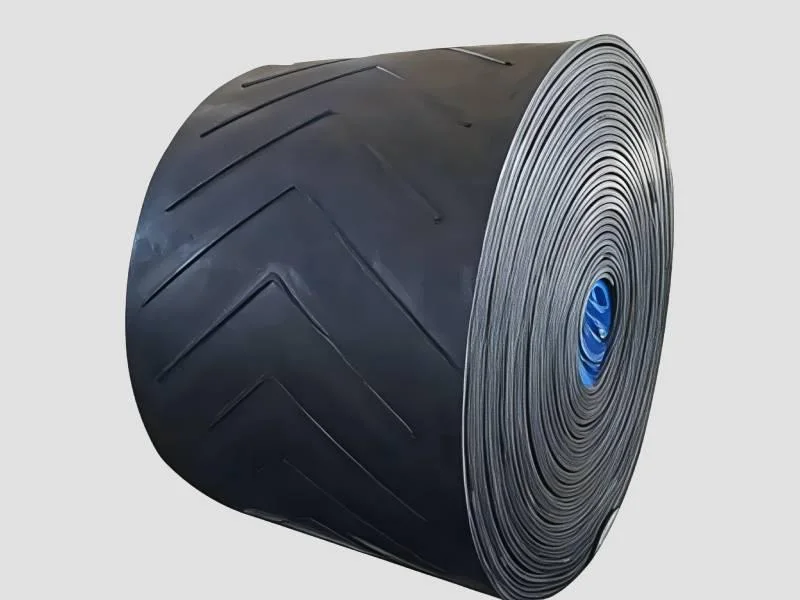
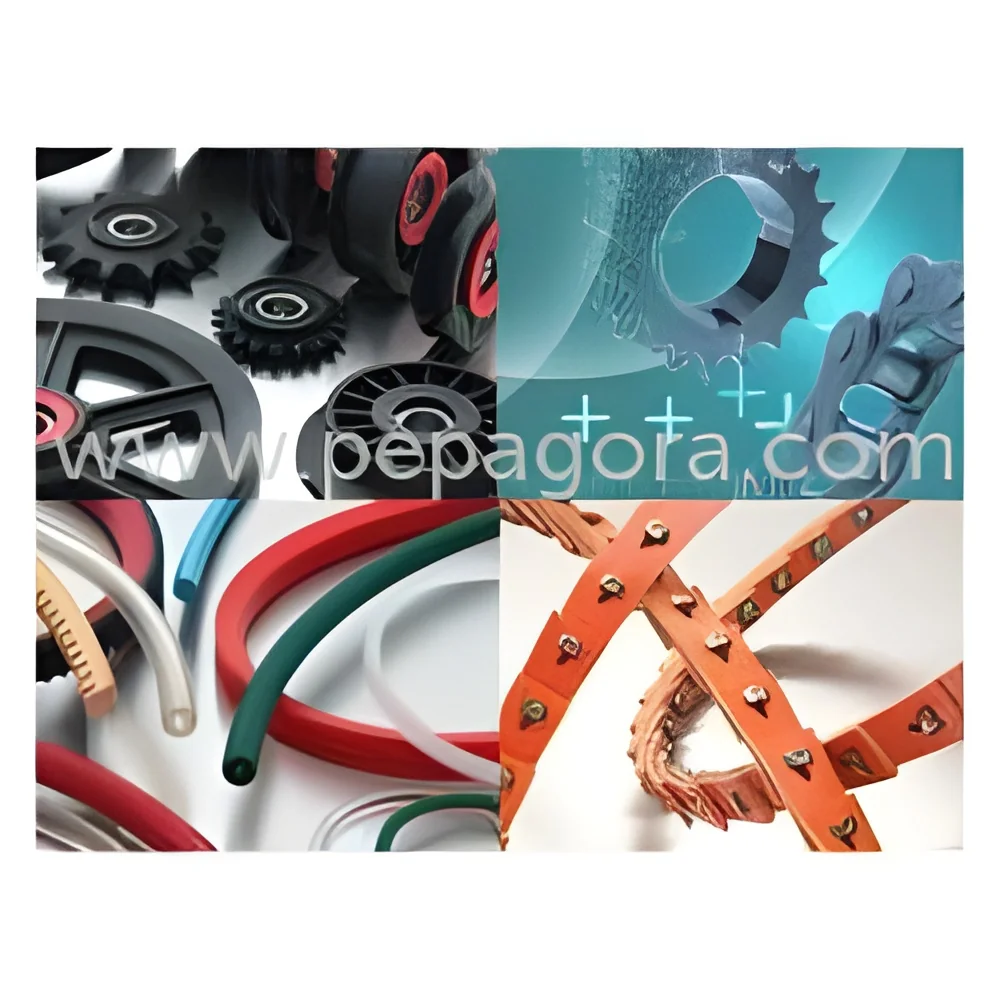
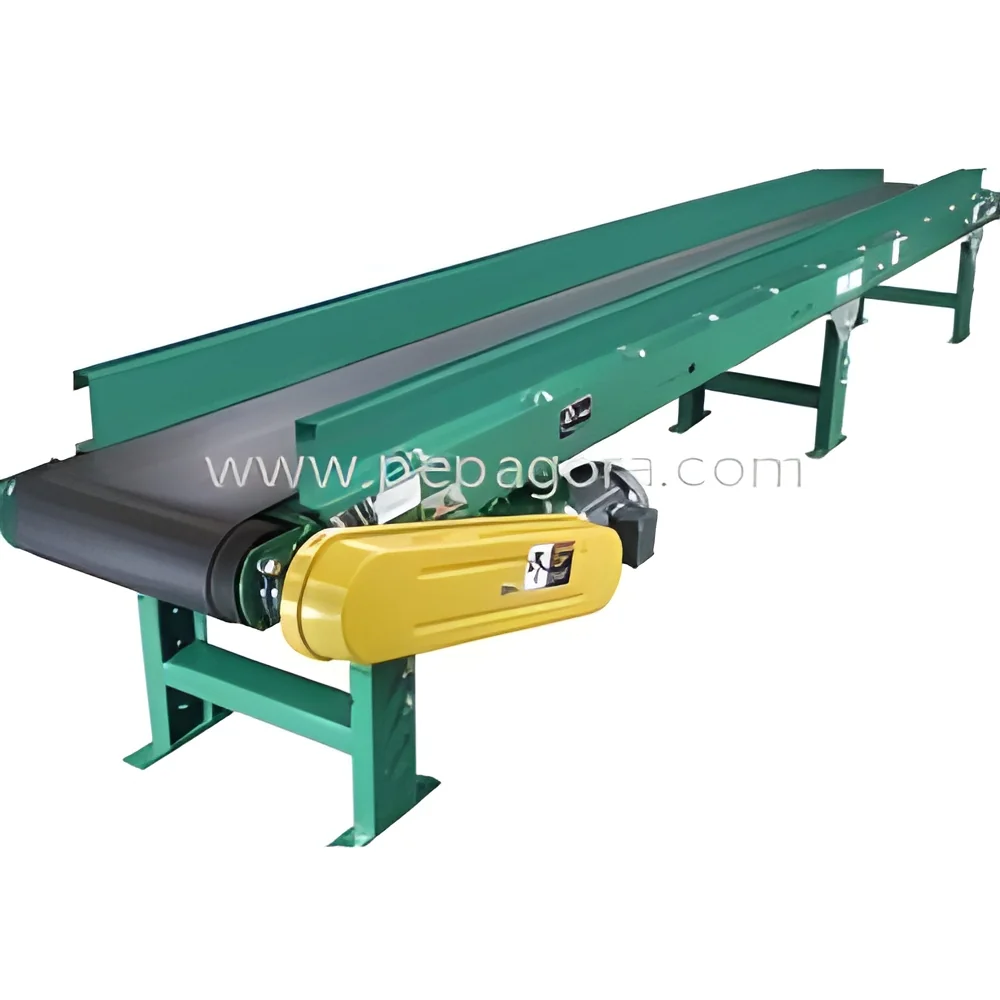
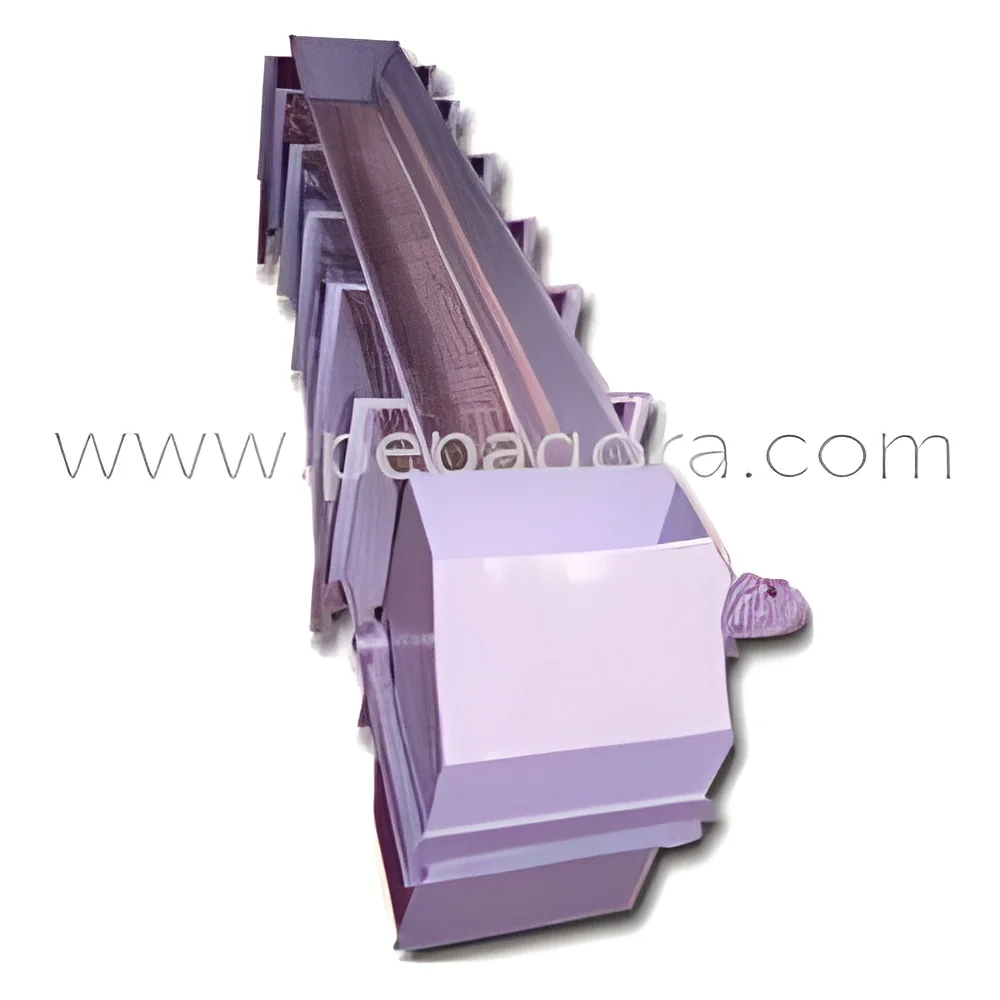
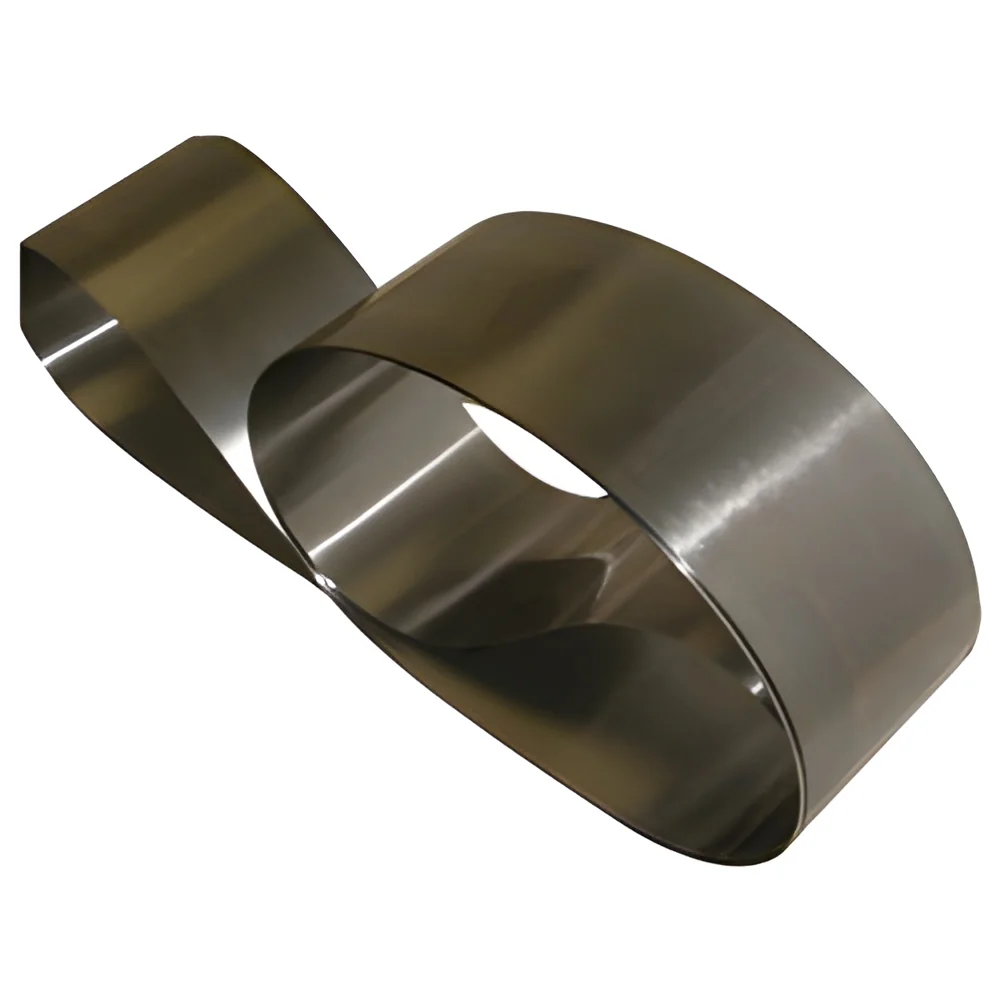
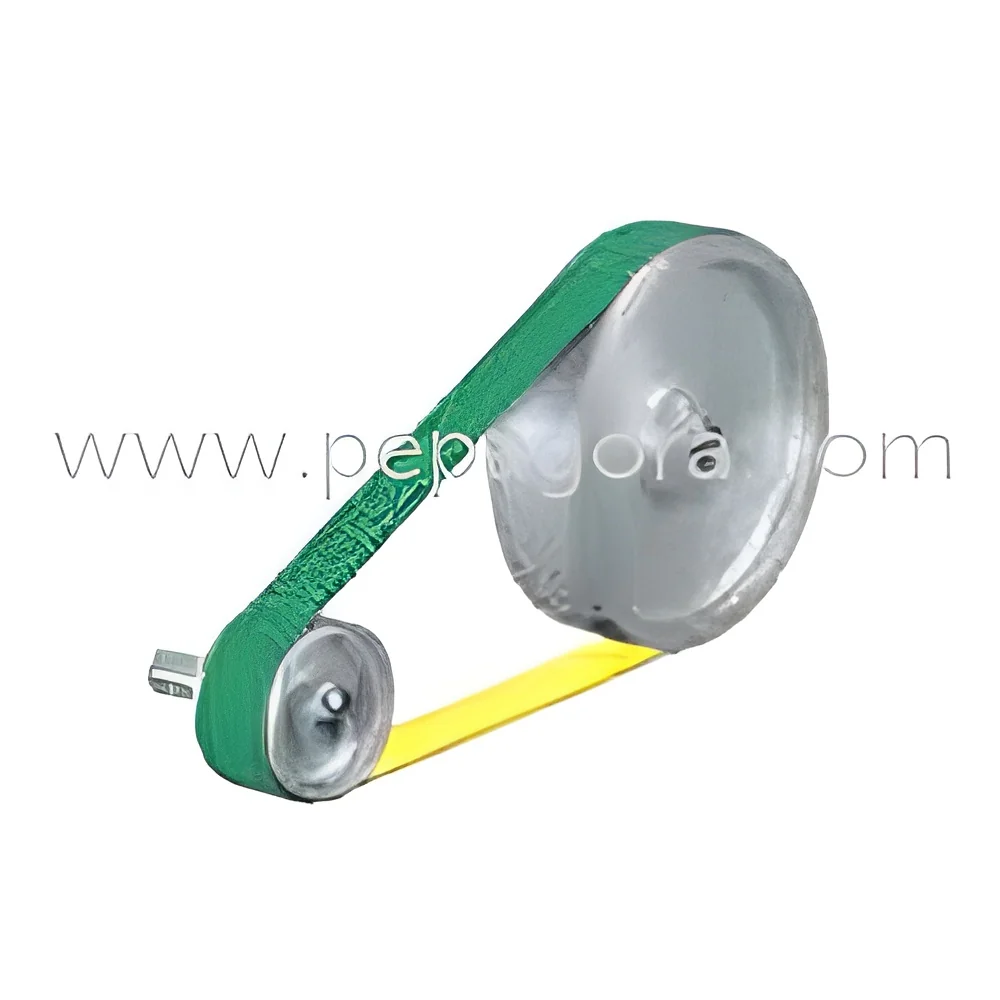
Conveyor belts for recycling lines are specialized transport systems designed to move materials efficiently through recycling facilities. These belts facilitate the sorting, processing, and transportation of recyclable materials, ensuring that operations run smoothly and effectively. The design and material composition of these belts cater specifically to the harsh environments typical of recycling operations, where durability and reliability are essential.
The primary use of conveyor belts in recycling lines is to transport various materials such as plastics, metals, glass, and paper. They are integral to automated sorting systems, helping to streamline the recycling process and minimize labor costs. Businesses across multiple sectors, including waste management, manufacturing, and municipal services, rely on these conveyors to enhance productivity and efficiency in their recycling operations.
In the context of the recycling industry, conveyor belts play a crucial role in meeting environmental goals and sustainability initiatives. The demand for effective recycling solutions continues to grow, driven by regulatory requirements and increasing consumer awareness of environmental issues. Therefore, investing in high-quality conveyor belts for recycling lines is essential for businesses aiming to optimize their recycling processes and contribute to a circular economy.
Key Features and Specifications
Conveyor belts for recycling lines come with a variety of features and specifications tailored to meet the operational demands of recycling facilities. These specifications determine their suitability for different types of materials and handling conditions.
Key specifications include:
1. Material Composition
- Typically made from rubber, PVC, or polyurethane
- Offers durability and resistance to wear and tear
2. Width and Length Options
- Available in various widths (e.g., 24 inches, 36 inches)
- Lengths can be customized to fit specific operational needs
3. Load Capacity
- Designed to handle various weights depending on the material type
- Common capacities range from 500 to 2000 pounds
4. Surface Texture
- Features options like textured or smooth surfaces
- Enhances grip and reduces slippage during transport
5. Temperature Resistance
- Some models can withstand high or low temperatures
- Important for specific materials that may have heat sensitivities
6. Modular Design
- Allows for easy assembly and disassembly
- Facilitates maintenance and adjustments in layout
7. Customization Options
- Can be tailored to meet specific operational requirements
- Includes modifications for length, width, and material
8. Compliance Standards
- Must meet industry standards for safety and performance
- Common certifications include CE compliance for safety
In summary, understanding these key features and specifications is crucial for selecting the right conveyor belt for specific recycling applications. Businesses should evaluate their operational needs against these criteria to ensure optimal performance.
Common Applications and Use Cases
Conveyor belts for recycling lines are utilized across various industries, each with unique applications that enhance operational efficiency.
1. Waste Management: In waste management facilities, conveyor belts are used to transport mixed recyclable materials to sorting stations, allowing for quick separation of valuable resources.
2. Manufacturing: Manufacturing companies utilize conveyor belts to handle scrap materials, ensuring that recyclable waste is efficiently collected and processed.
3. Municipal Recycling: Cities and municipalities employ conveyor systems in recycling centers to streamline the collection and processing of residential recyclable materials.
4. E-Waste Recycling: Specialized conveyor belts are used to handle electronic waste, facilitating the safe transport and sorting of hazardous materials.
5. Automotive Recycling: In the automotive sector, conveyor belts help move scrap metals and car parts through recycling plants, ensuring efficient processing and resource recovery.
6. Construction and Demolition: Conveyor systems are essential in recycling construction debris, allowing for the efficient sorting and transportation of materials such as wood, metal, and concrete.
7. Agricultural Waste: Agricultural facilities use conveyor belts to transport organic waste for composting or recycling, contributing to sustainable agricultural practices.
Product Variants and Subcategories
There is a diverse range of conveyor belt variants designed for specific recycling applications. This diversity allows companies to select the product that best suits their operational needs.
Heavy-Duty Conveyor Belts
These belts are designed to handle large volumes of heavy materials, such as metals and construction waste. Their robust construction ensures durability and longevity in demanding environments.
Modular Conveyor Systems
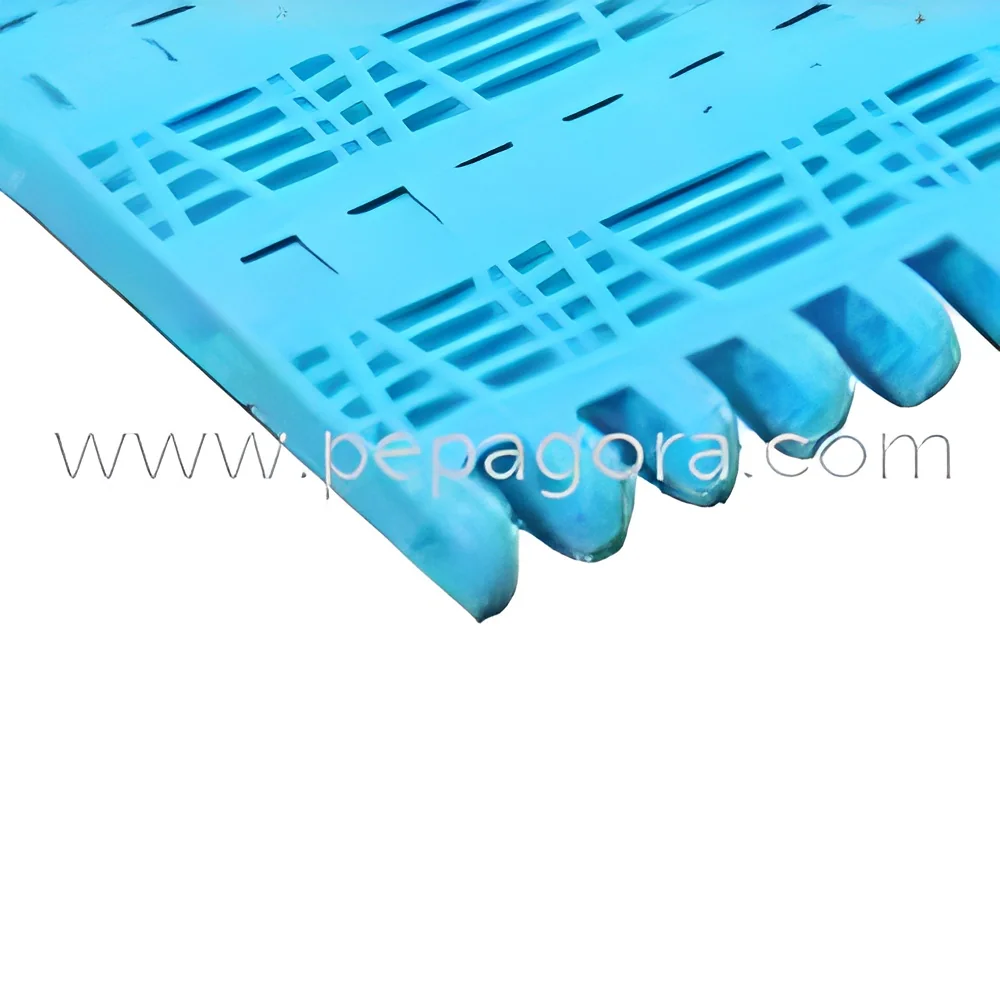
Modular conveyor systems offer flexibility in layout and design. They can be easily adjusted or expanded to accommodate changing operational requirements, making them ideal for dynamic recycling facilities.
Food-Grade Conveyor Belts
While primarily used in food processing, these belts can also be adapted for recycling applications involving organic materials. They comply with health and safety regulations, ensuring safe handling of biodegradable waste.
Benefits and Advantages
Investing in conveyor belts for recycling lines delivers numerous benefits that enhance operational efficiency and sustainability.
1. Increased Efficiency: Conveyor belts streamline the transport of materials, reducing the time and labor required for sorting and processing.
2. Enhanced Safety: These systems minimize manual handling of heavy materials, reducing the risk of workplace injuries.
3. Improved Sorting Accuracy: Automated conveyor systems can be integrated with sorting technologies, leading to more accurate material separation.
4. Reduced Downtime: Durable conveyor belts minimize maintenance needs and downtime, allowing for continuous operation.
5. Customization Flexibility: Conveyor belts can be tailored to meet specific needs, ensuring optimal performance in various recycling applications.
6. Environmental Compliance: Investing in quality conveyor systems helps businesses meet environmental regulations and contribute to sustainable practices.
Buying Guide for B2B Buyers
When sourcing conveyor belts for recycling lines, several factors should be considered to ensure effective procurement.
1. Quality Assessment: Evaluate the quality of materials and construction used in the conveyor belts. Look for certifications and industry standards that indicate reliability and performance.
2. Supplier Verification: Vet potential suppliers to ensure they have a proven track record in providing quality products and services. Look for customer reviews and references.
3. Pricing and MOQ: Understand the cost structure, including the minimum order quantity (MOQ), to ensure it aligns with your budget and operational needs.
4. Delivery and Lead Times: Discuss logistics with suppliers to confirm delivery schedules and lead times. Ensure that these align with your operational timelines.
5. Compliance Requirements: Verify that the conveyor belts meet all necessary compliance and safety regulations relevant to your industry. This ensures that your operations remain within legal boundaries.
Compliance and Certifications
Compliance and certifications are critical aspects of conveyor belts for recycling lines, ensuring that products meet industry standards for safety and performance.
Many conveyor belts adhere to quality standards such as ISO 9001, which ensures consistent quality management systems. This certification is essential for businesses looking to maintain high operational standards.
Additionally, industry certifications, such as CE marking, indicate that the products meet European safety and health requirements. This provides assurance to buyers regarding the safety and reliability of the equipment.
Safety and testing requirements are vital in ensuring that conveyor systems can handle the rigors of recycling environments. Regular testing for durability and performance is important to minimize risks and maintain compliance.
Regional compliance considerations may vary, so businesses should be aware of local regulations governing the recycling industry to ensure all equipment is compliant.
Why Source Conveyor Belts for Recycling Lines from Pepagora?
Pepagora offers a trusted platform for sourcing conveyor belts for recycling lines, providing several key advantages for B2B buyers.
Verified Supplier Network: Pepagora connects buyers with a network of verified suppliers who have been vetted for quality and reliability. This ensures that businesses can source high-quality conveyor belts with confidence.
Streamlined RFQ Process: The platform offers a streamlined request for quotation (RFQ) process that simplifies the procurement journey. Buyers can easily compare quotes and select the best options for their needs.
Trade Assurance and Support: With trade assurance measures in place, Pepagora provides buyers with protection and support throughout the purchasing process. This enhances trust and security in transactions.
Regional Coverage: Pepagora has a wide geographic reach, serving markets in India, the Gulf Cooperation Council (GCC), and Southeast Asia. This regional coverage makes it easier for businesses to find suitable suppliers and products in their local markets.

 IN
IN