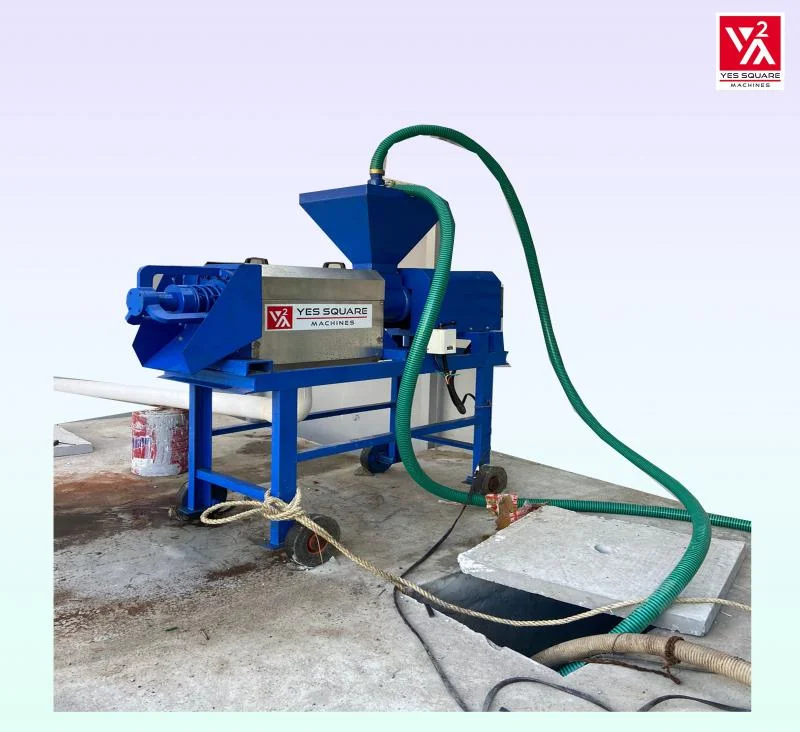
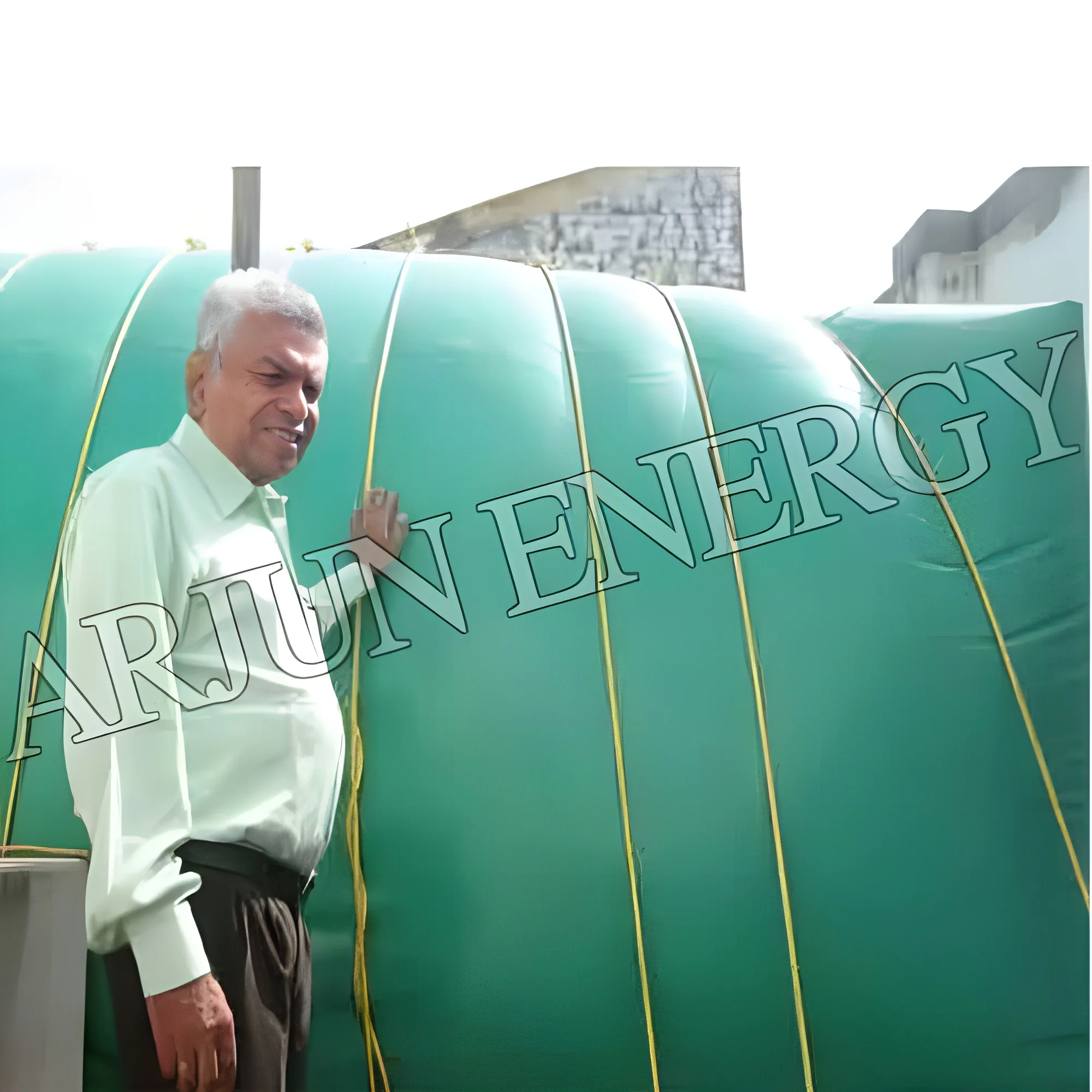
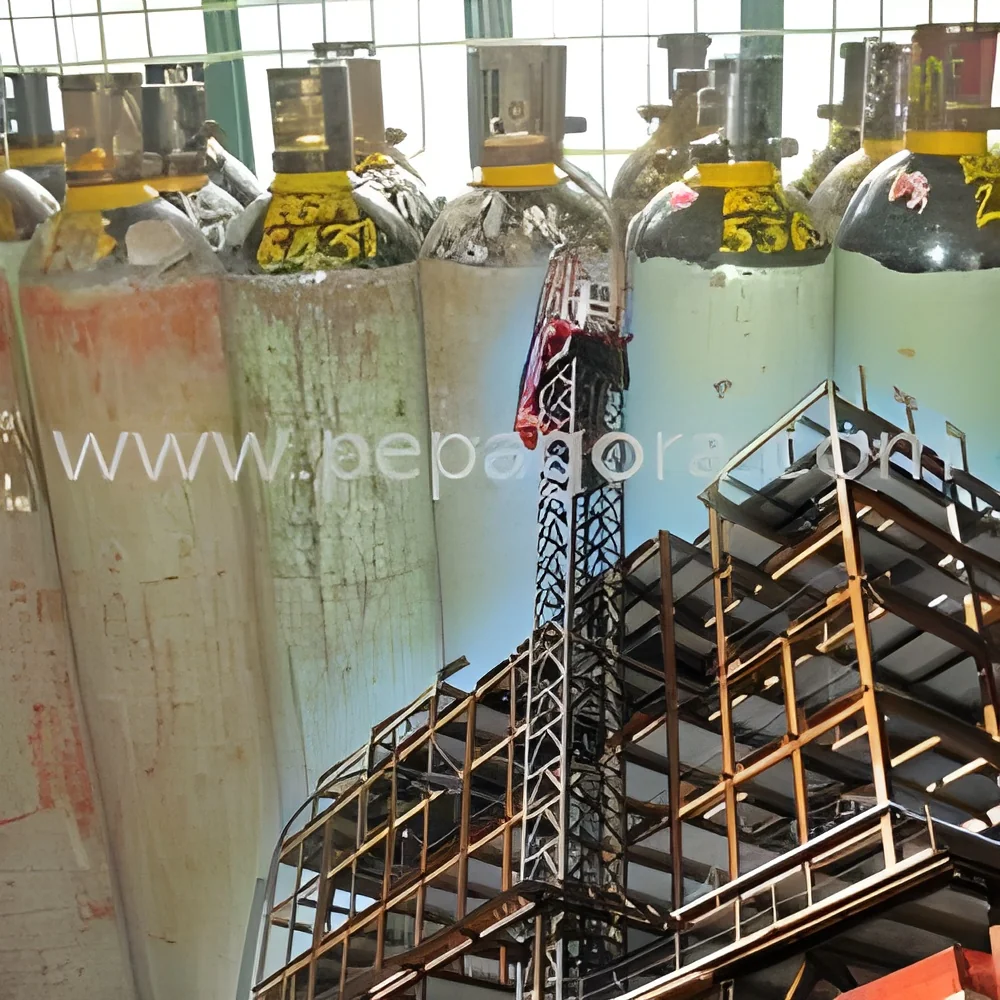
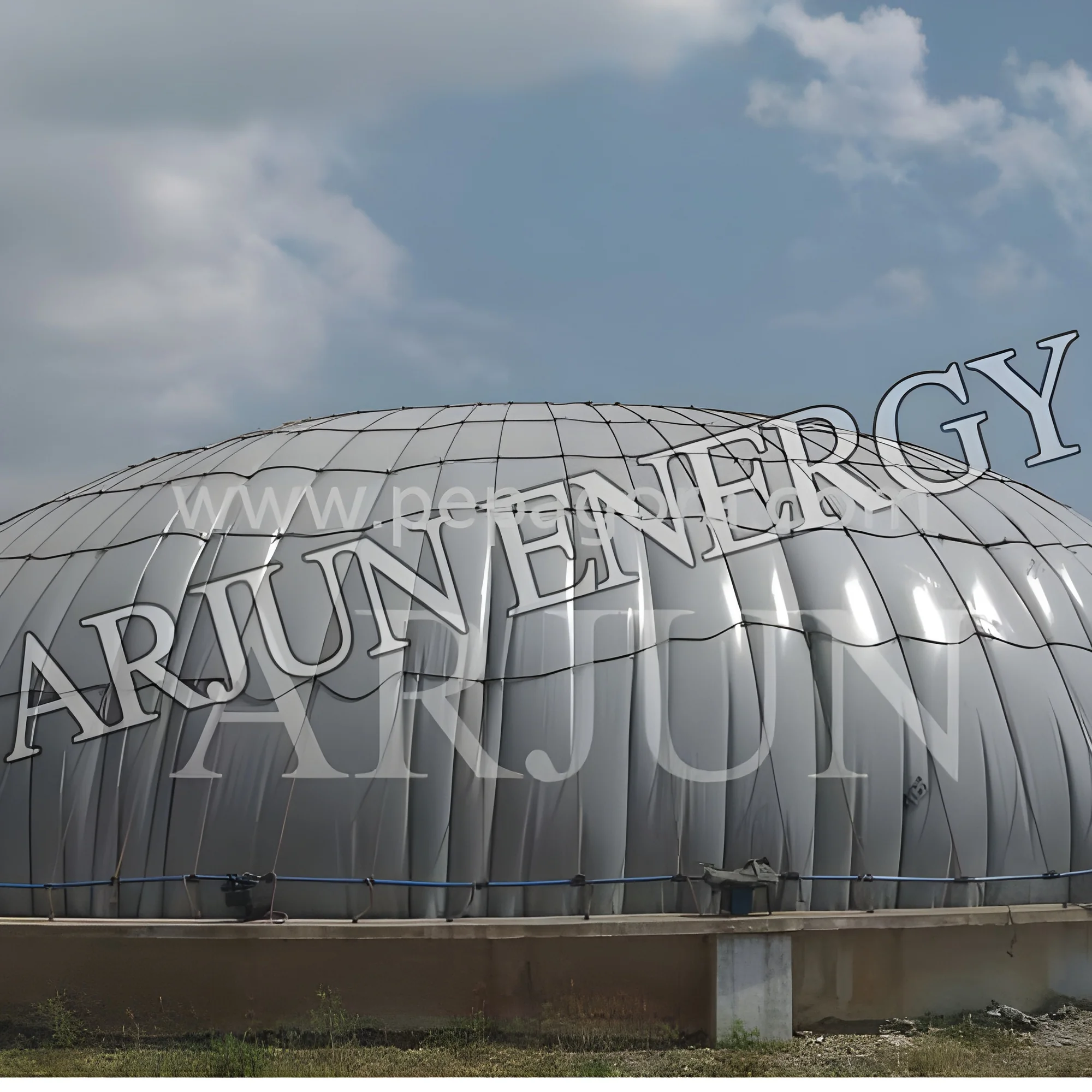
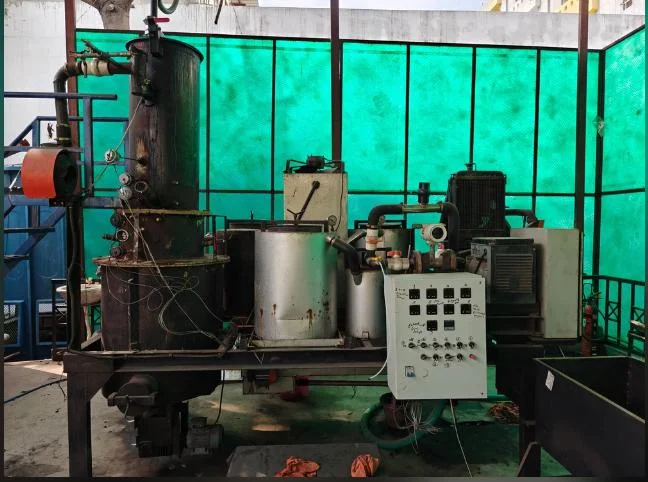
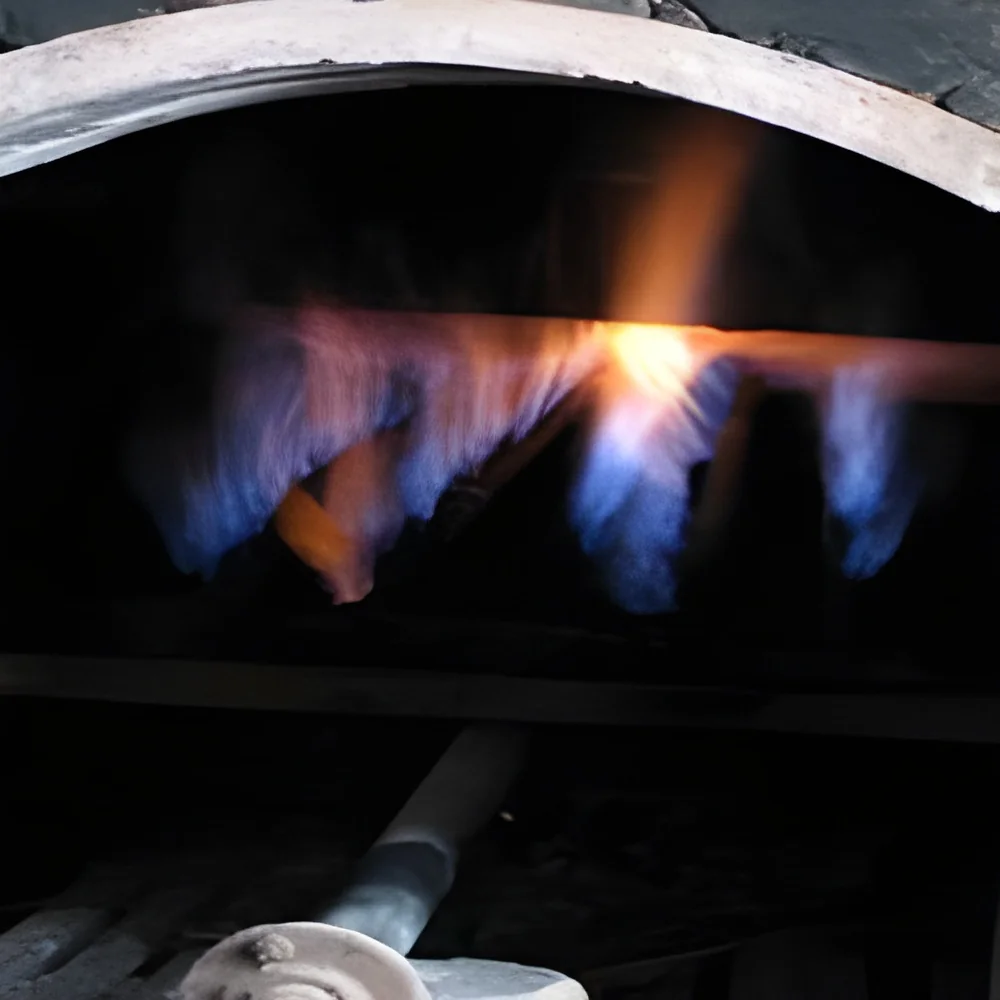
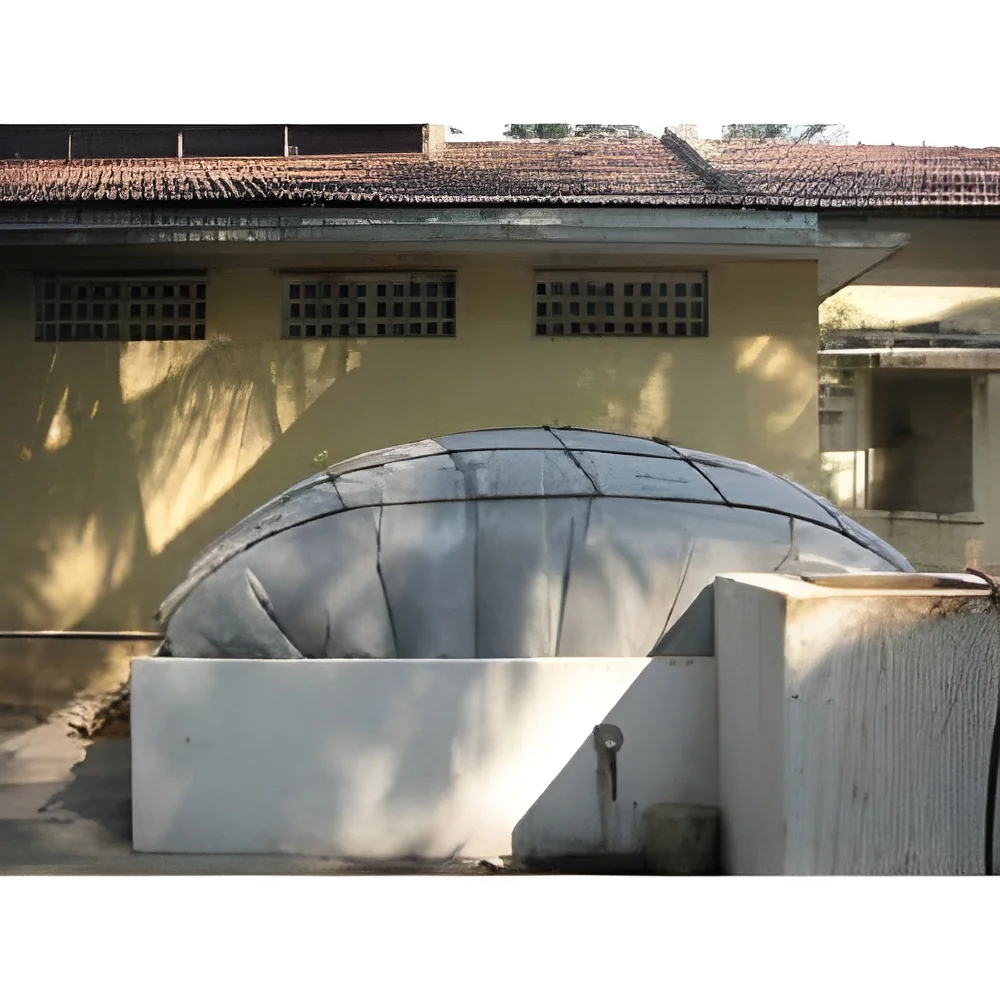
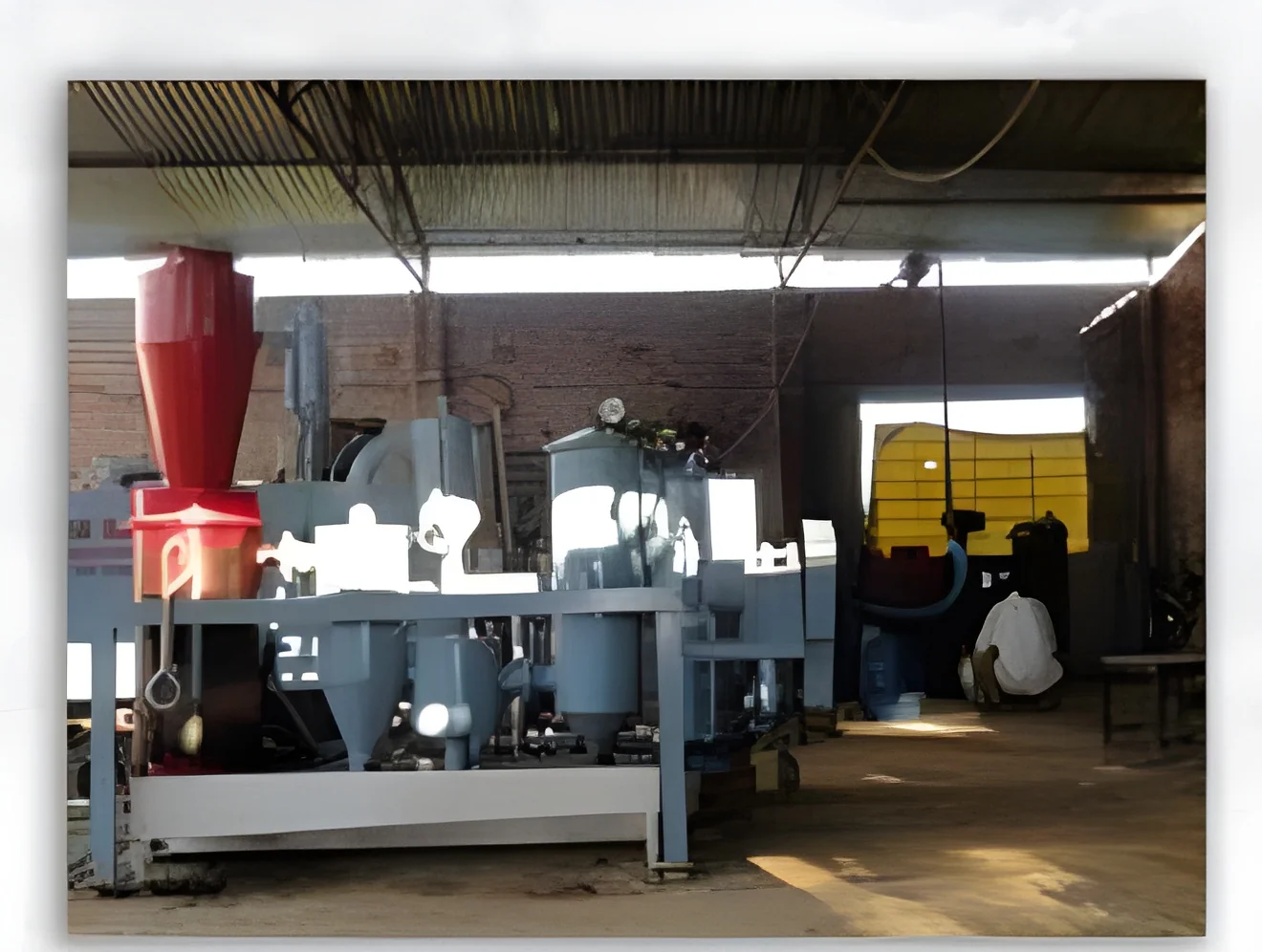
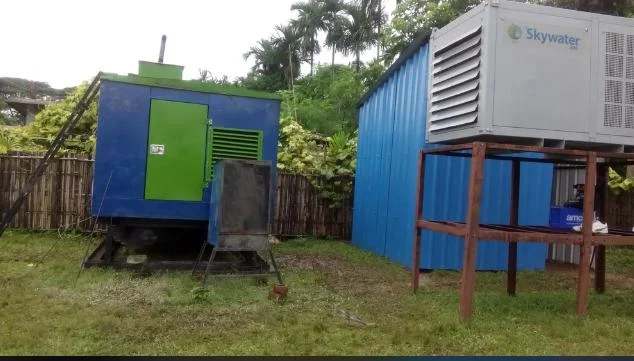
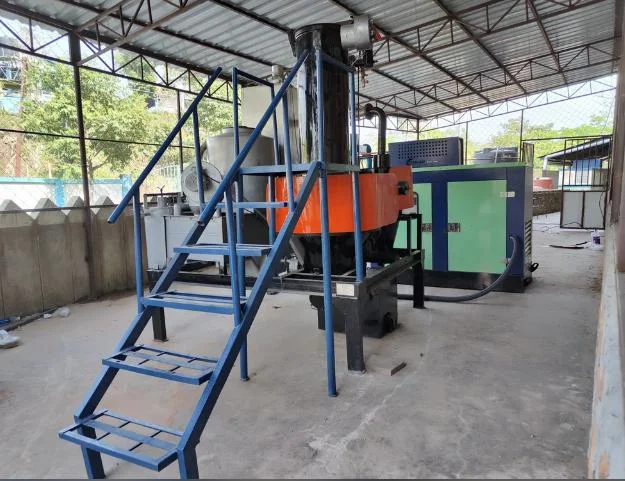
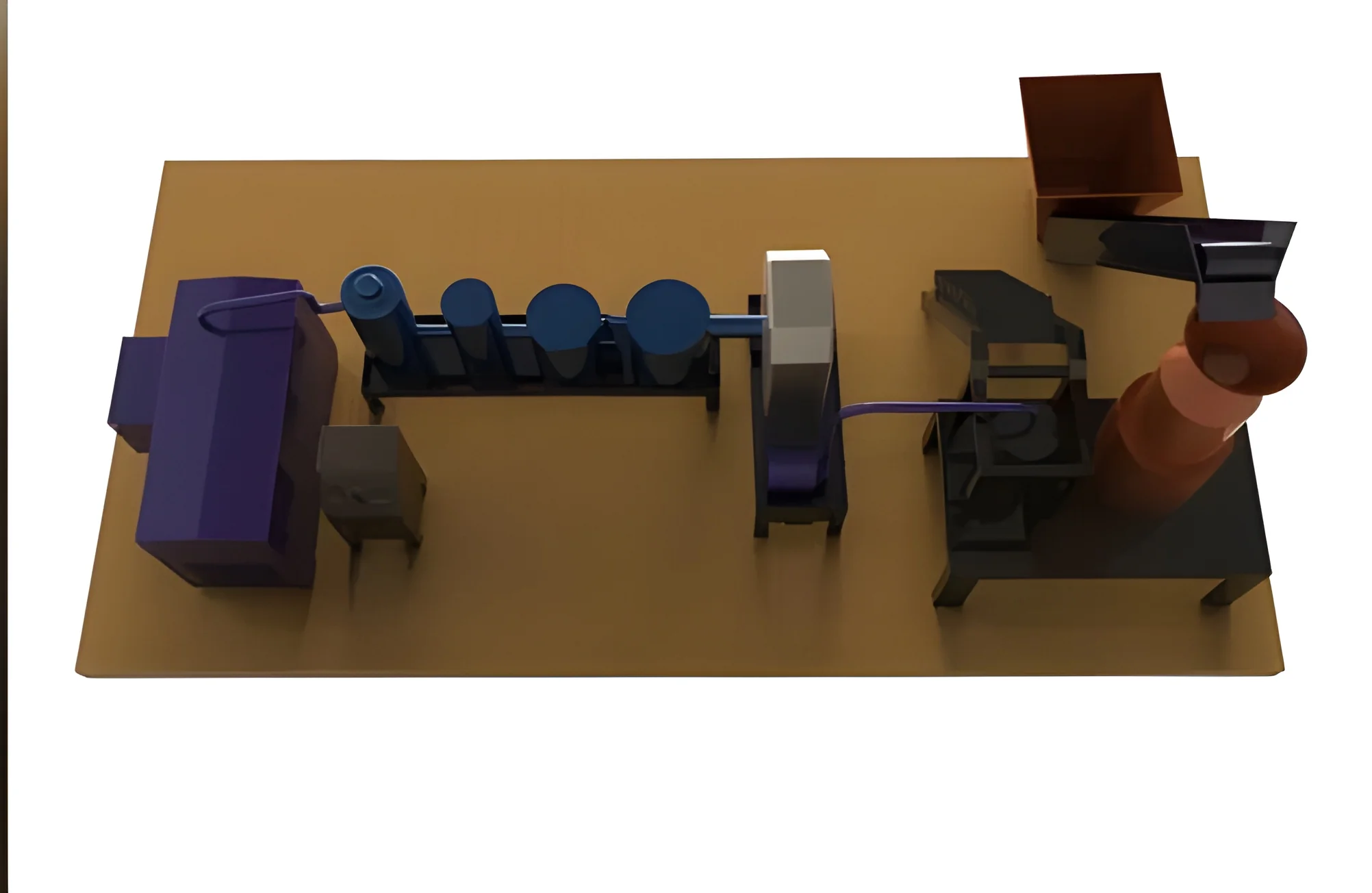
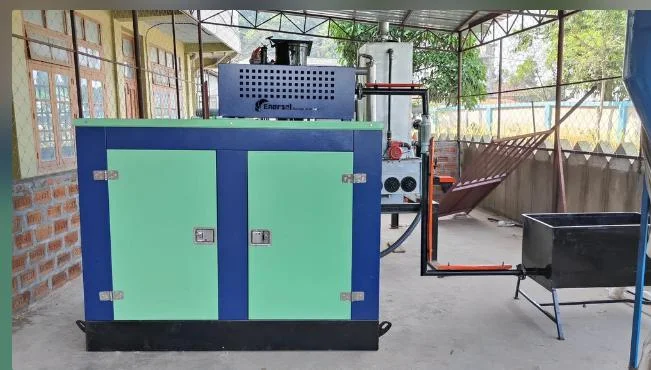
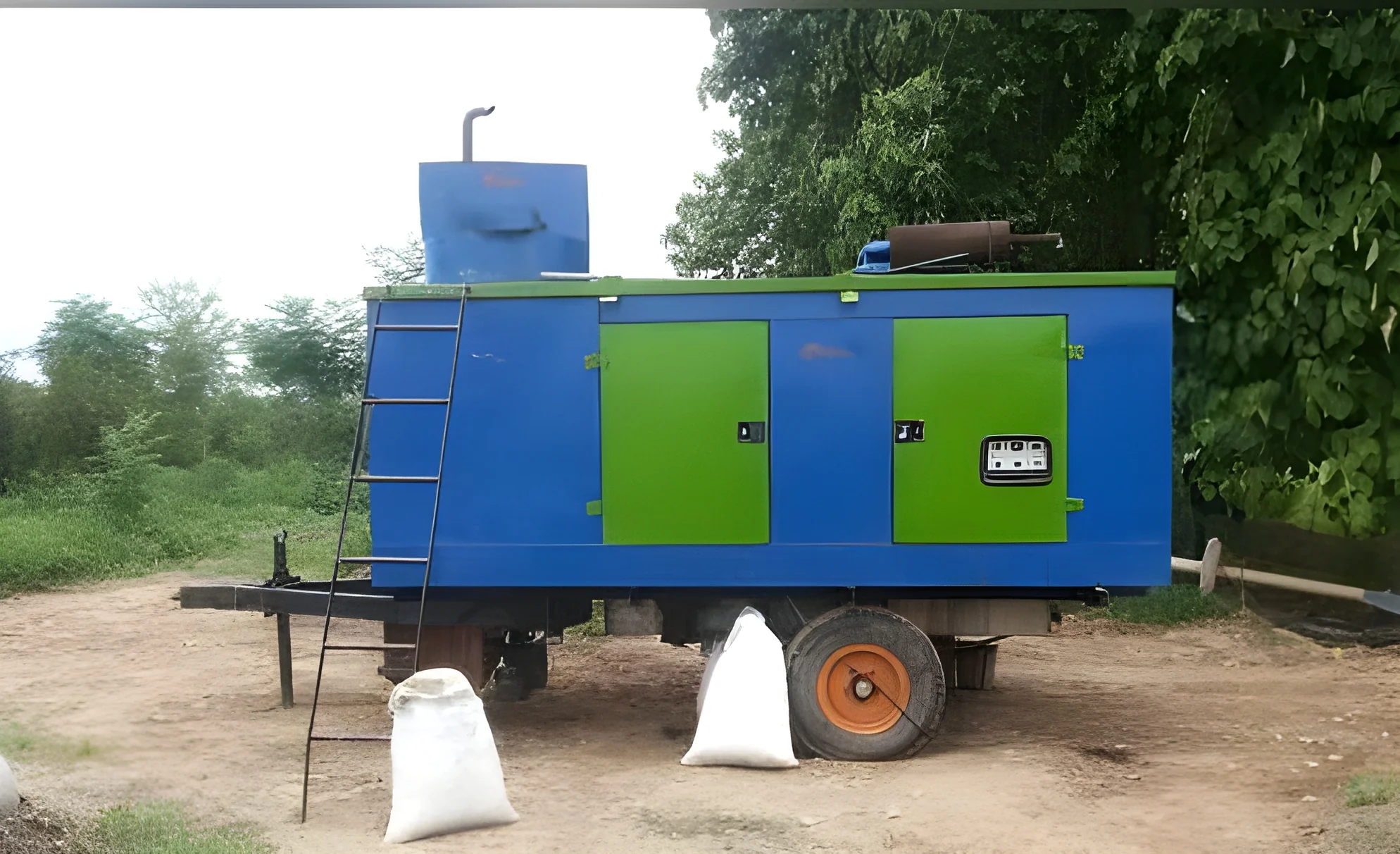
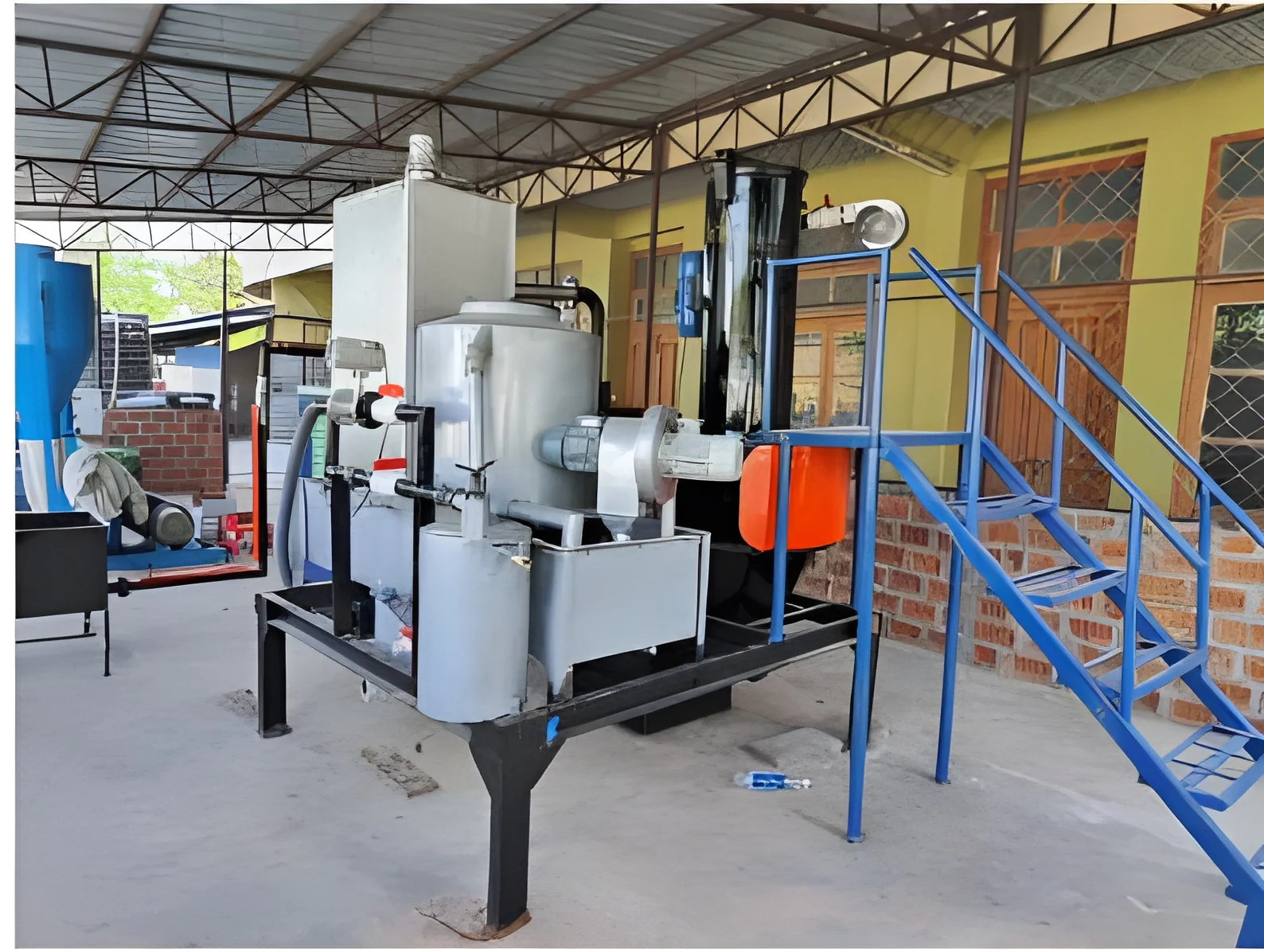
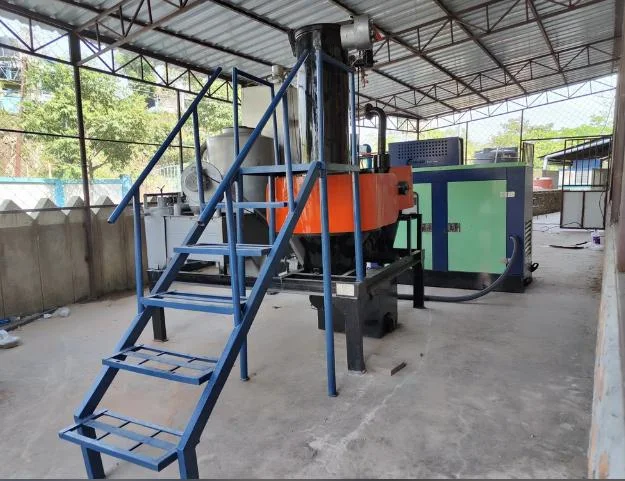
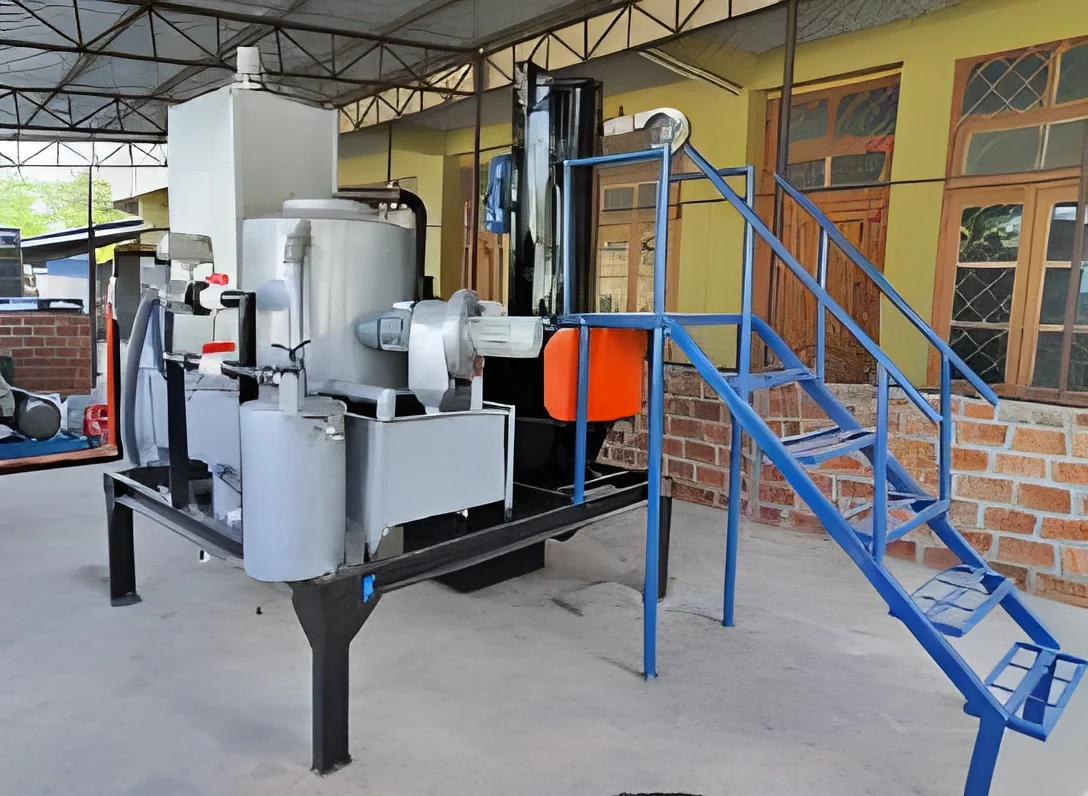
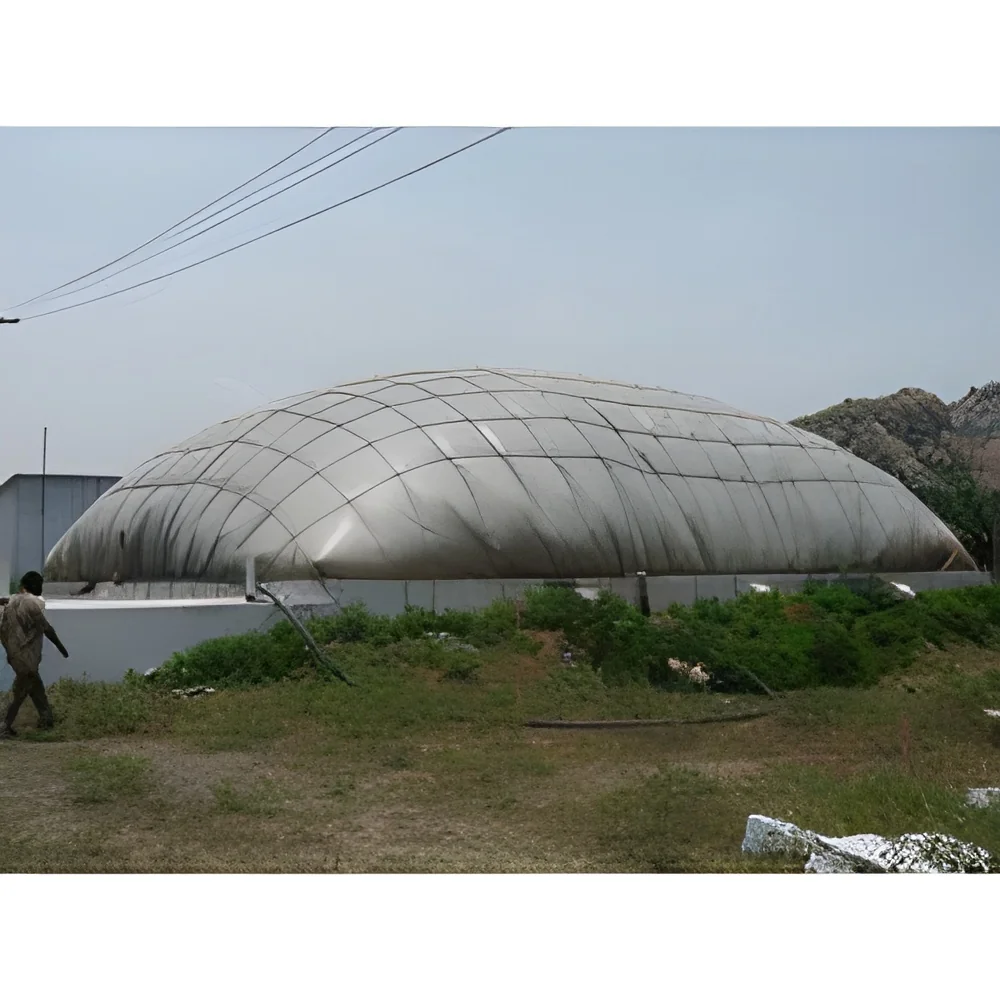
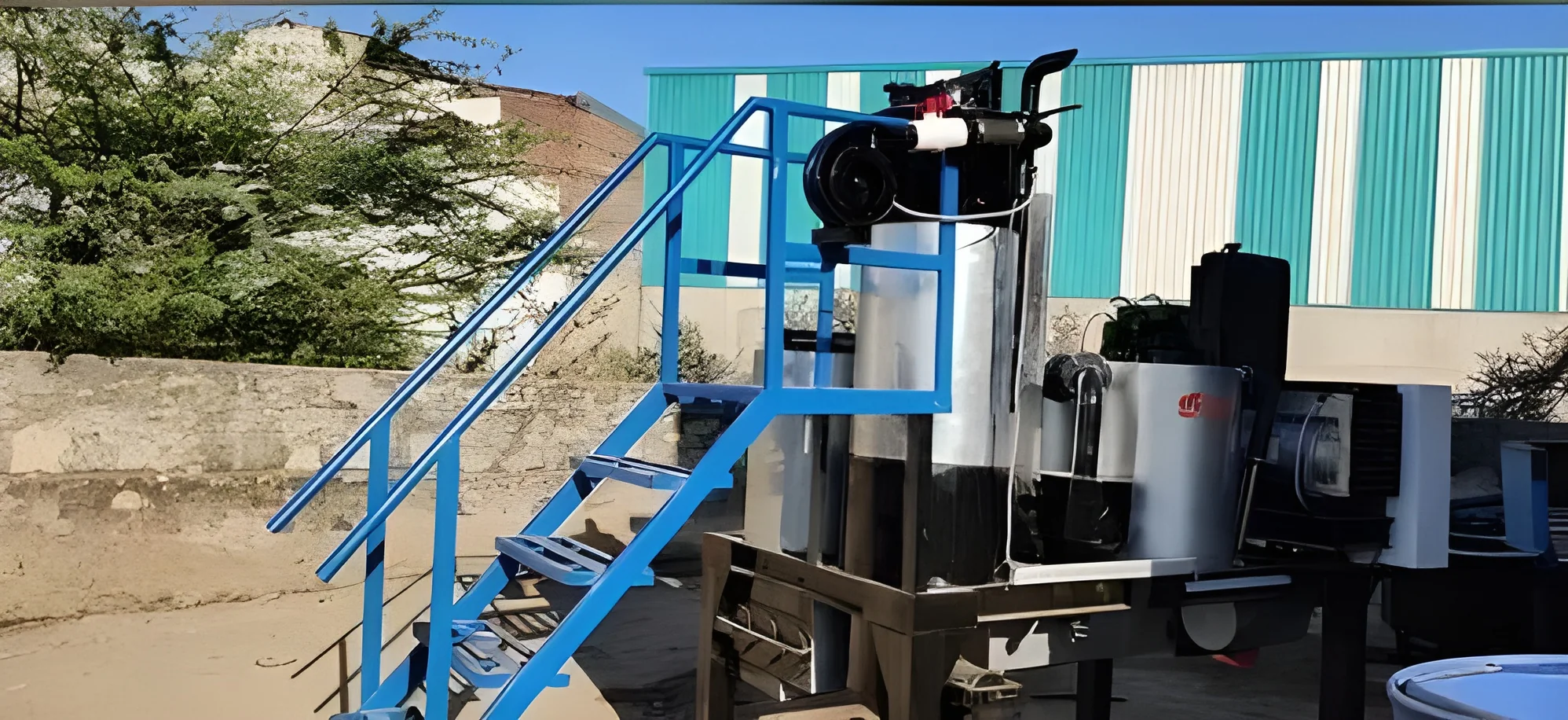
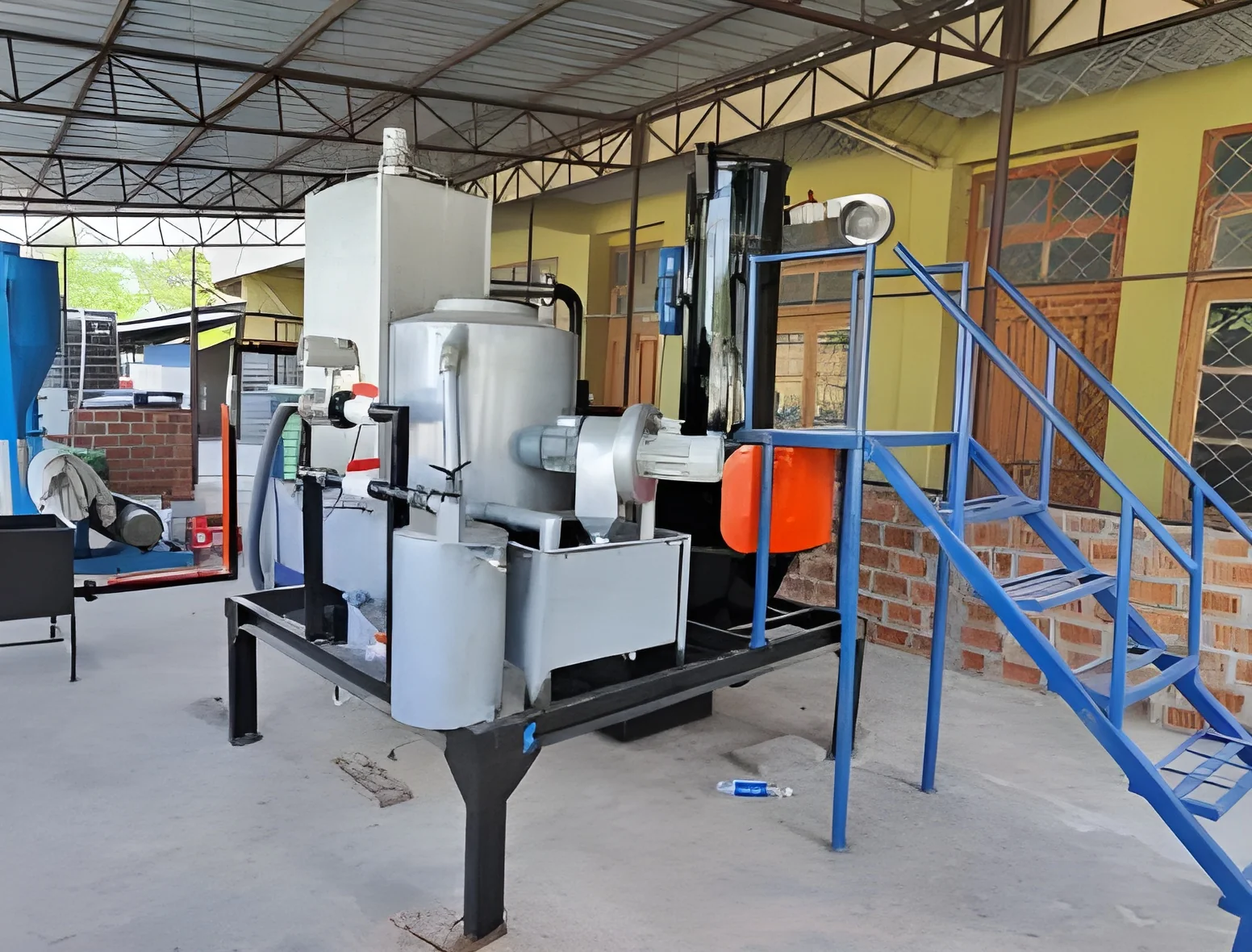
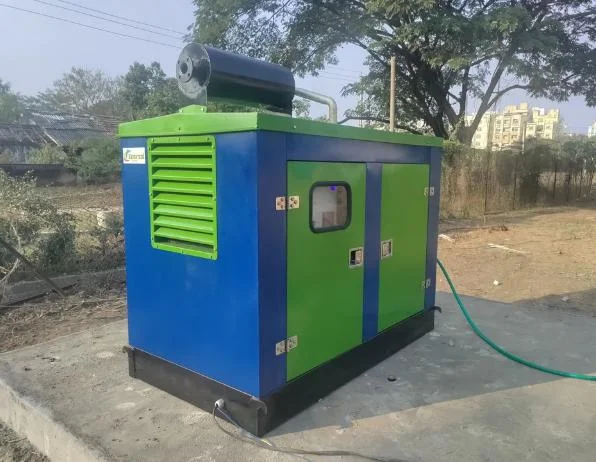
What are Biogas Plant Machinery?
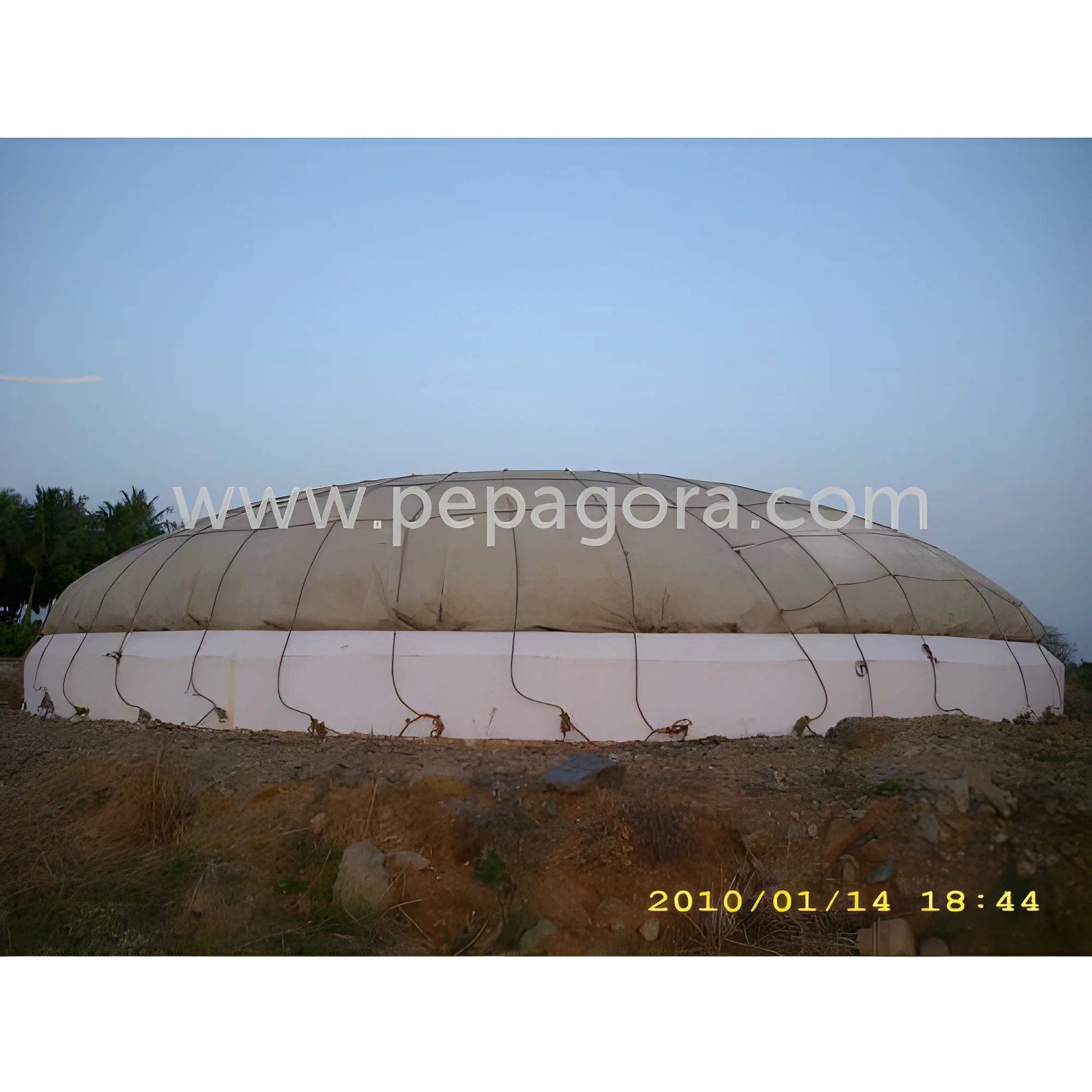
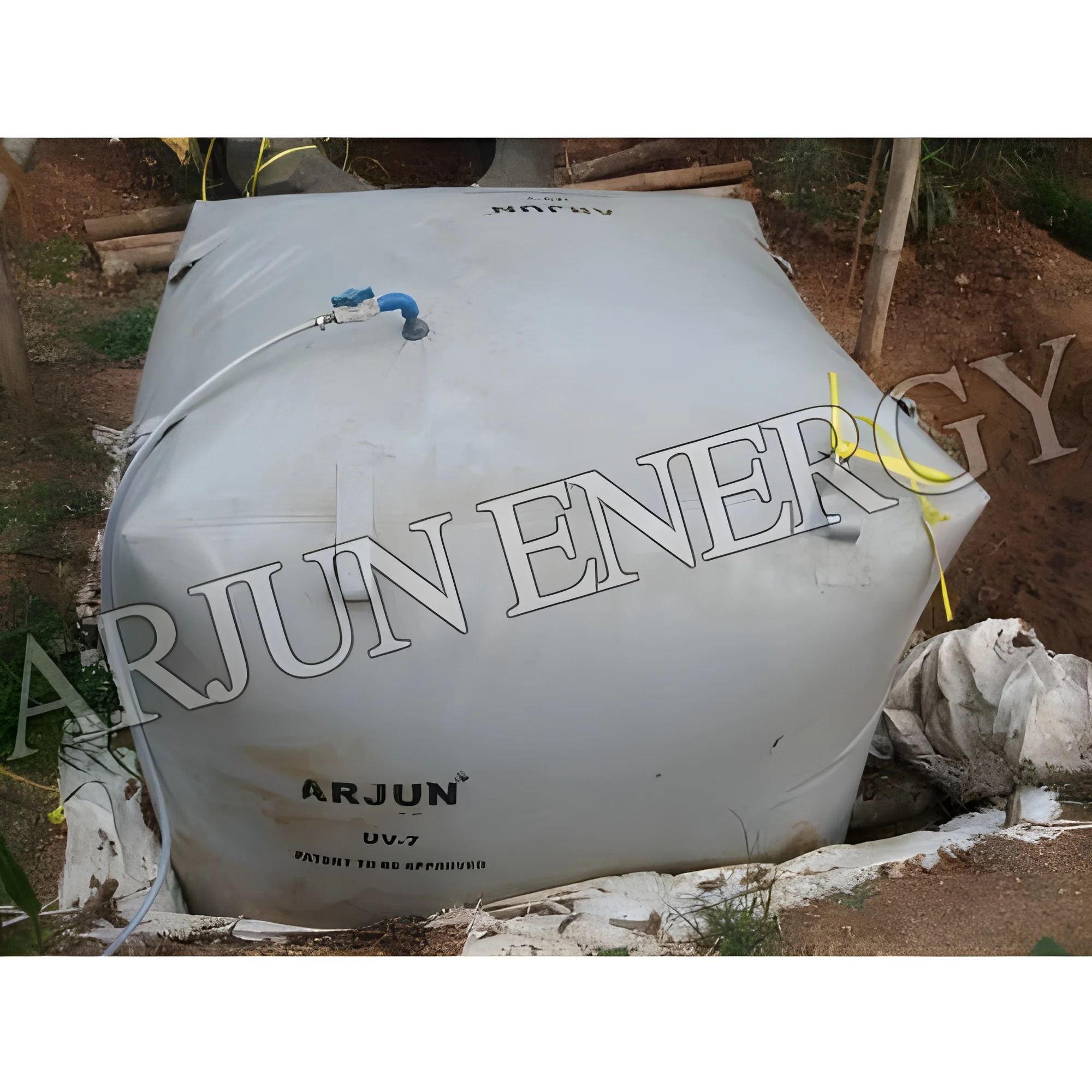
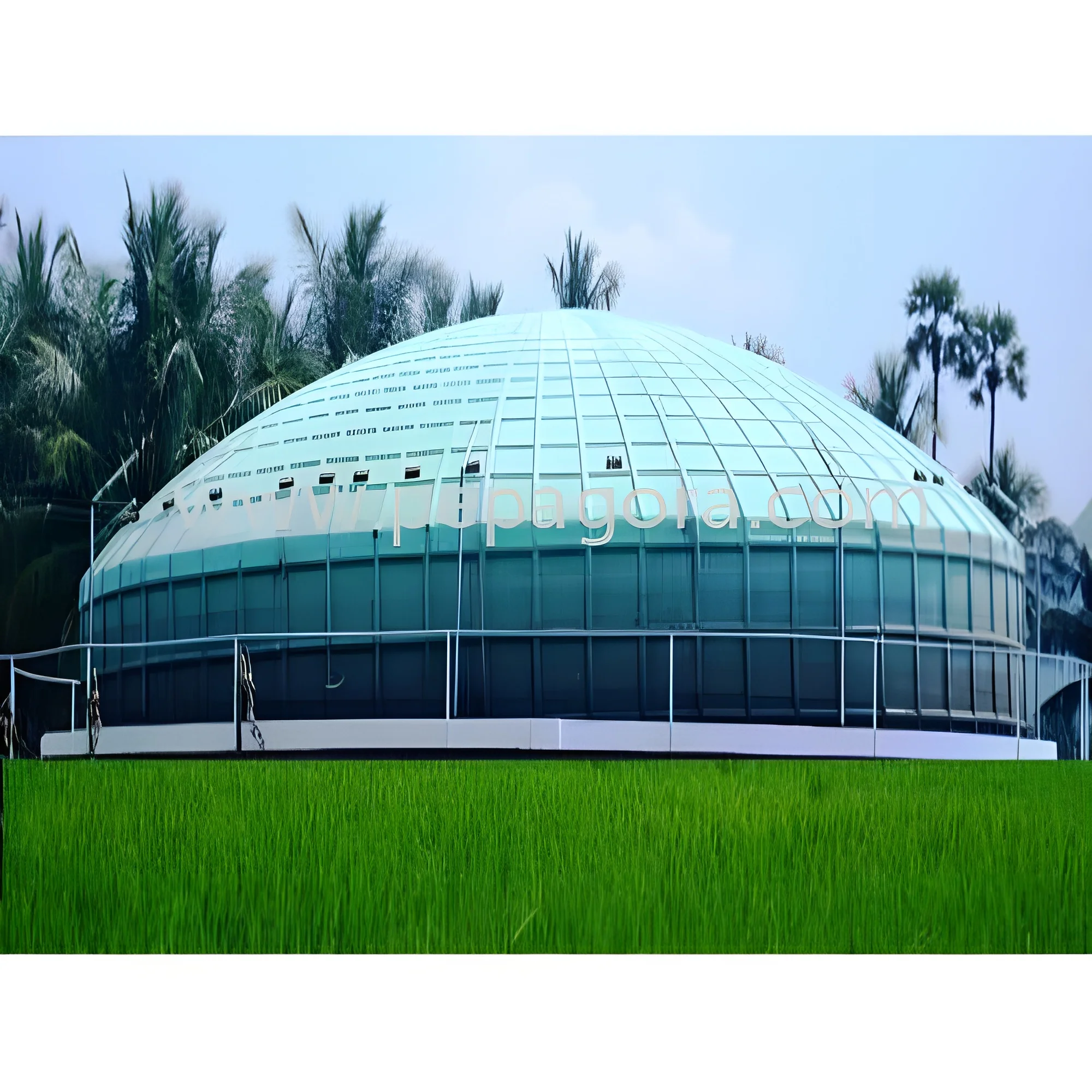
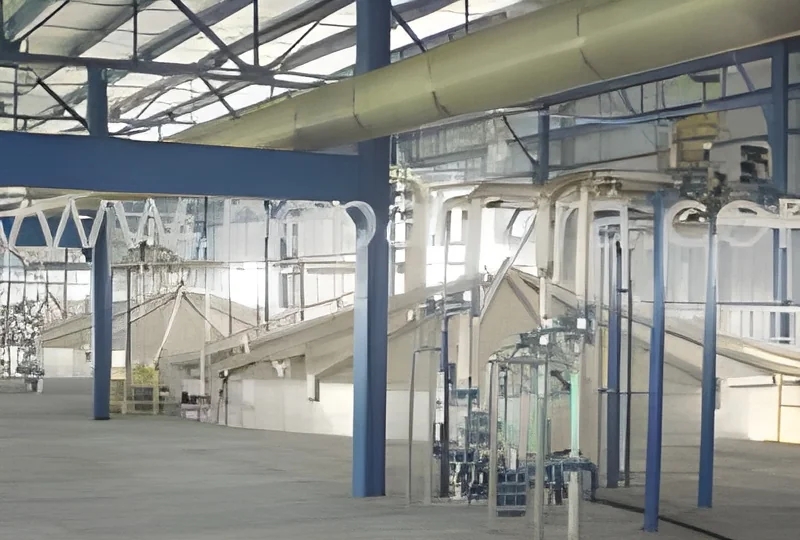
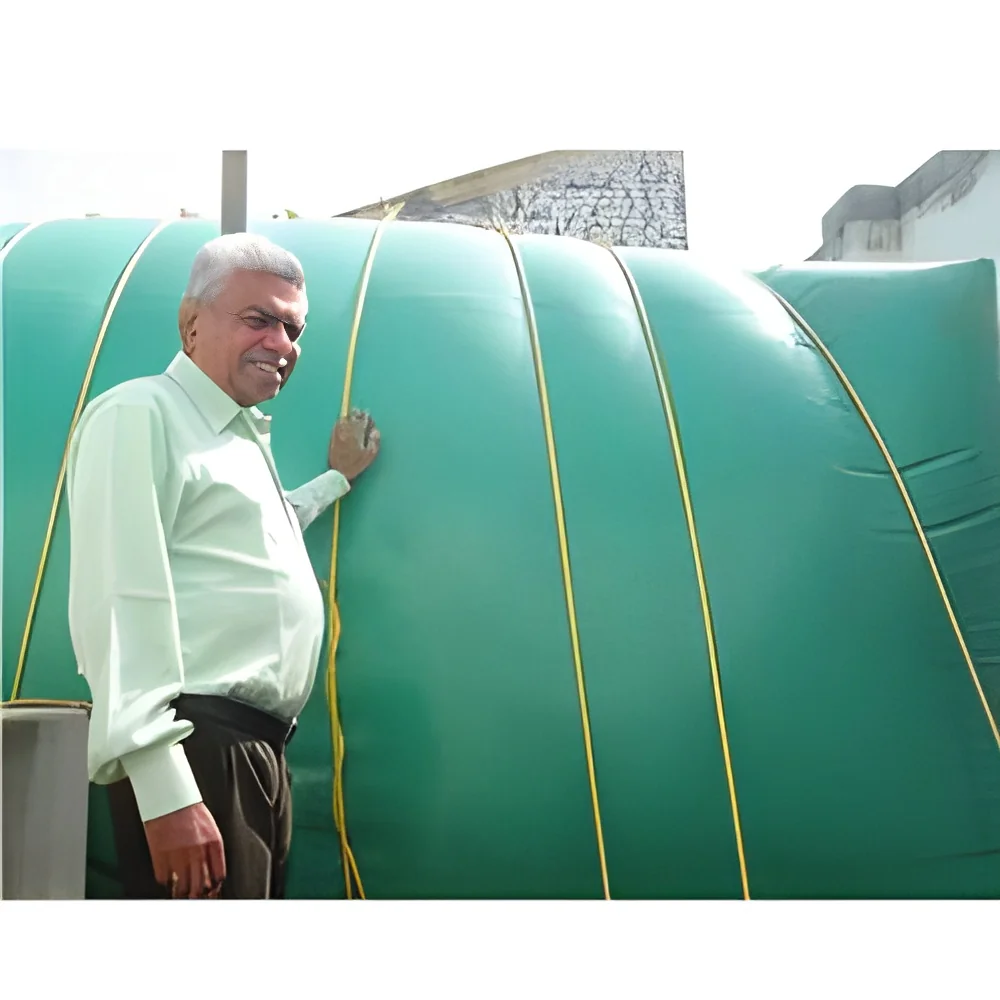
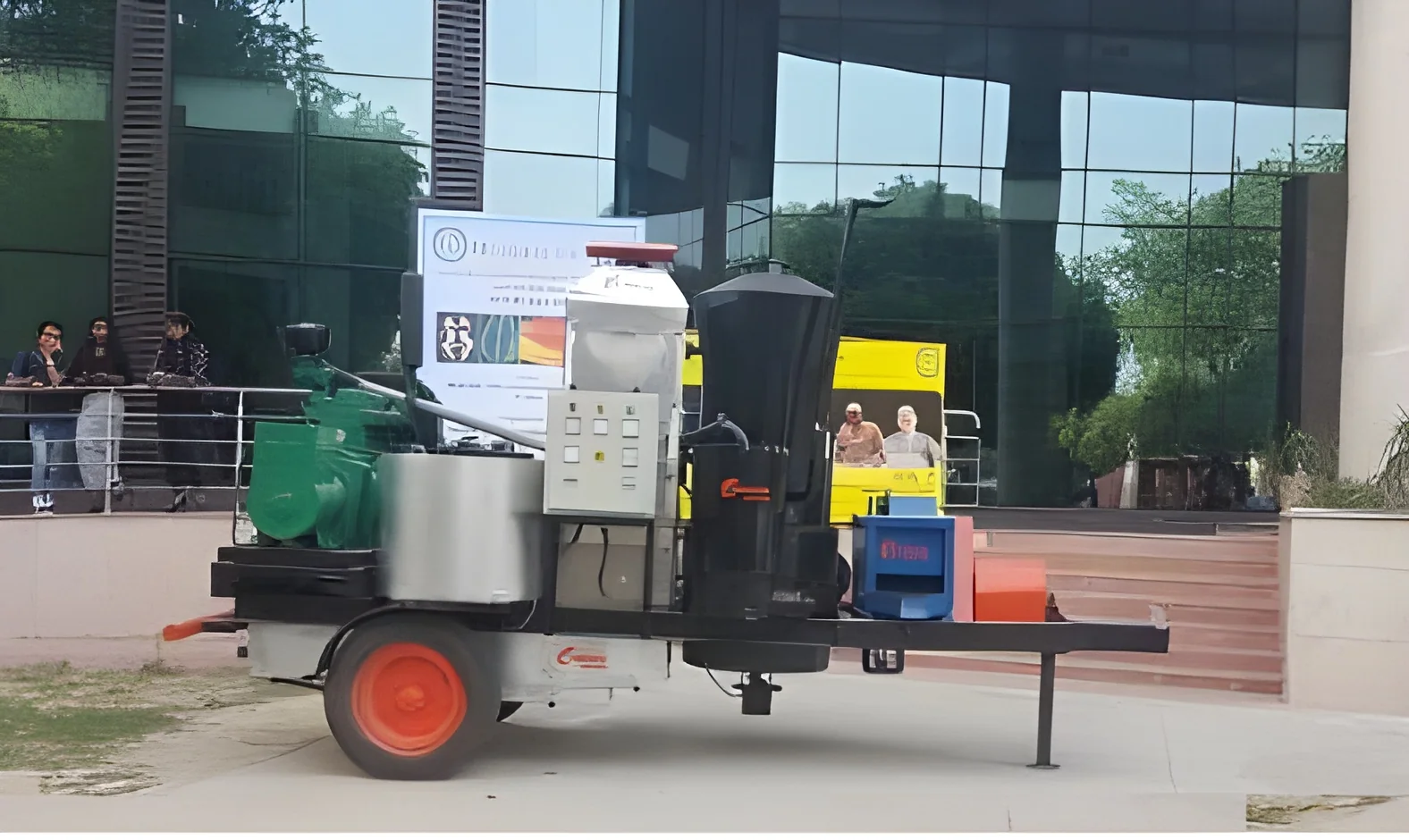
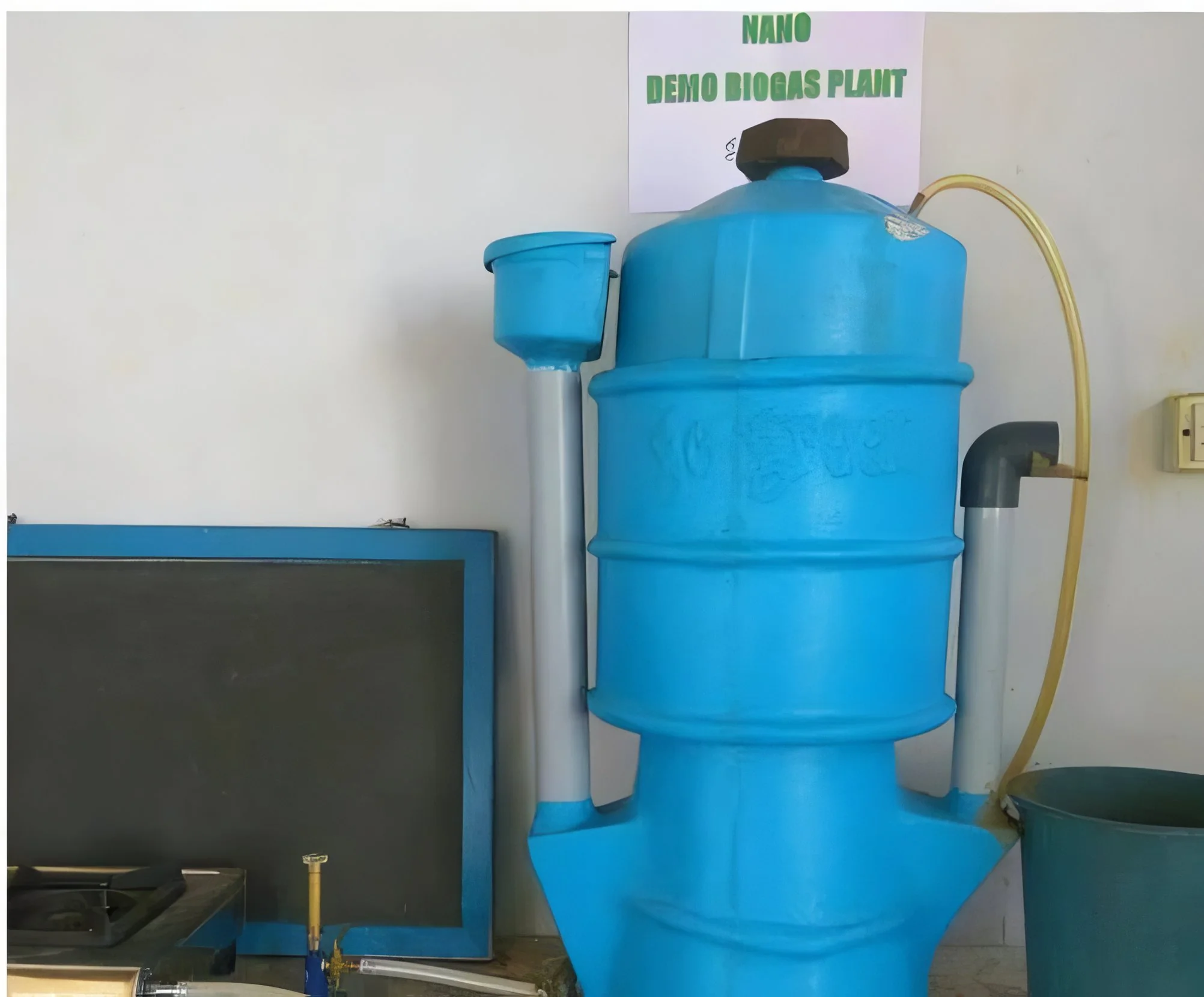
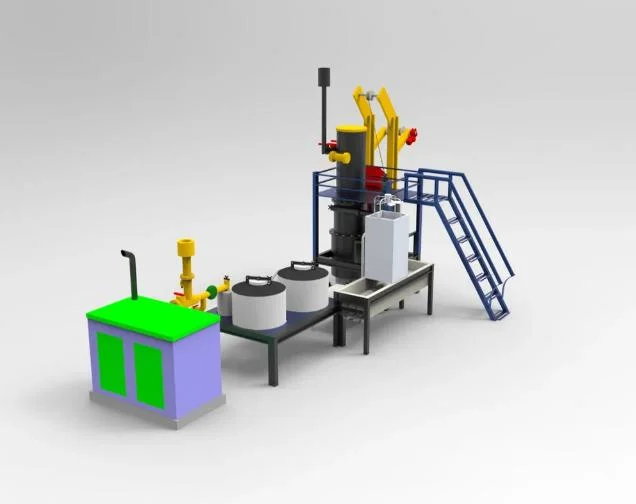
Biogas Plant Machinery refers to the equipment and systems used in the production of biogas through anaerobic digestion. This process involves the breakdown of organic materials, such as agricultural waste, food scraps, and animal manure, by microorganisms in the absence of oxygen. The machinery includes a variety of components such as digesters, gas storage tanks, pumps, and control systems, all designed to facilitate the efficient conversion of waste into renewable energy.
These machines have primary uses in energy generation, waste management, and environmental sustainability. Businesses in agriculture, food processing, and waste disposal utilize biogas machinery to convert waste into biogas, which can be used for electricity generation, heating, or as a vehicle fuel. The growing emphasis on renewable energy sources has increased the demand for biogas plants, making this machinery critical in various industrial applications and contributing to the circular economy.
The relevance of biogas plant machinery in today's market cannot be overstated. As industries strive to meet sustainability goals and reduce carbon footprints, the demand for renewable energy solutions, including biogas, continues to rise. This sector is experiencing significant growth, driven by regulatory support and technological advancements that enhance efficiency and reduce operational costs.
Key Features and Specifications
Biogas Plant Machinery comes with several features that cater to the needs of various industries. The specifications ensure durability, efficiency, and compliance with safety standards. Understanding these specifications is crucial for making informed purchasing decisions.
Key specifications include:
1. Digester Type
- Anaerobic digesters are used to break down organic material.
- Types include continuous stirred-tank reactors and plug-flow digesters.
2. Biogas Output Capacity
- This specification refers to the amount of biogas produced over time.
- Typical capacities range from a few cubic meters per day to several hundred cubic meters.
3. Material Construction
- Machinery is typically made from corrosion-resistant materials like stainless steel.
- This ensures longevity and reduced maintenance costs.
4. Control Systems
- Automated systems for monitoring temperature, pressure, and gas composition.
- Enhance operational efficiency and safety.
5. Safety Features
- Includes built-in alarms, emergency shut-off valves, and pressure relief systems.
- Essential for safe operation and compliance with regulations.
6. Dimensions
- Vary based on type and capacity, affecting installation and space requirements.
- Important to consider for site suitability.
7. Energy Recovery Rate
- Indicates the efficiency of converting biogas into usable energy.
- Higher rates lead to better economic returns.
8. Compliance Standards
- Adherence to international standards like CE certification.
- Ensures equipment meets safety and environmental regulations.
Overall, understanding these features and specifications helps businesses select the right machinery for their biogas production needs.
Common Applications and Use Cases
Biogas Plant Machinery serves various industries with distinct applications.
1. Agriculture: Farmers use biogas machinery to process livestock waste into energy, reducing disposal costs and generating renewable energy for farm operations.
2. Food Processing: Industries convert food waste into biogas, minimizing waste disposal issues and using the generated energy for production processes.
3. Waste Management: Municipalities utilize biogas plants to treat organic waste, generating biogas for energy and reducing landfill usage.
4. Breweries: Breweries can process spent grains and other organic waste into biogas, providing a sustainable energy source for their operations.
5. Landfills: Biogas machinery is used to capture methane emissions from landfills, converting harmful gases into usable energy while mitigating environmental impact.
6. Wastewater Treatment: Treatment plants use anaerobic digestion to manage sludge, producing biogas and reducing disposal costs.
7. Energy Utilities: Energy companies invest in biogas plants to diversify energy sources and meet renewable energy targets.
Product Variants and Subcategories
Biogas Plant Machinery includes various product variants designed for specific operational needs and capacities.
Modular Biogas Systems: These systems are easily scalable and allow for incremental expansion based on waste input. They are ideal for small to medium-sized operations.
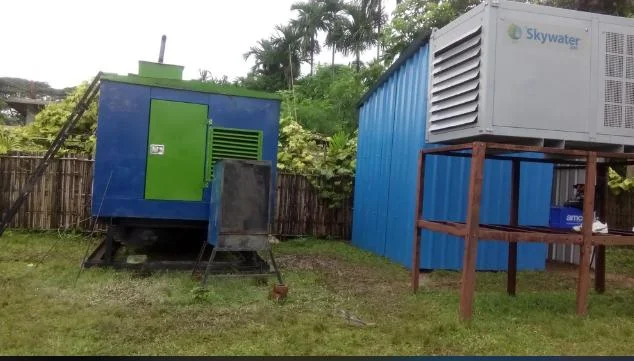
Containerized Biogas Plants: These plants come pre-assembled in shipping containers, providing a compact solution for remote locations or smaller businesses looking for efficient waste processing.
High-Rate Digesters: Designed for high organic loading rates, these digesters enhance biogas production efficiency, making them suitable for large-scale agricultural or industrial applications.
Batch Digesters: Used primarily for specific types of organic waste, these systems operate in discrete cycles, allowing for flexibility in processing different materials.
Continuous Digesters: These systems offer a steady flow of biomass input and biogas output, ideal for ongoing operations where consistent energy production is required.
Benefits and Advantages
Investing in Biogas Plant Machinery provides numerous advantages for businesses.
1. Renewable Energy Generation: The machinery allows companies to produce their own energy, reducing reliance on fossil fuels and lowering energy costs.
2. Waste Management Efficiency: Businesses can convert waste into energy, minimizing disposal costs and contributing to a circular economy.
3. Environmental Compliance: Utilizing biogas technology helps meet regulatory requirements for waste management and emissions reduction.
4. Economic Returns: Biogas production can lead to significant financial savings through energy generation and reduced waste disposal fees.
5. Enhanced Sustainability: Companies demonstrate commitment to sustainability, improving their public image and potentially attracting eco-conscious customers.
6. Job Creation: The development and operation of biogas plants can create local jobs, contributing positively to the community.
Buying Guide for B2B Buyers
When sourcing Biogas Plant Machinery, several factors should be considered to ensure the right fit for operational needs.
1. Quality Assessment: Evaluate the quality of materials and manufacturing processes. Look for certifications and reviews from previous customers to ensure reliability.
2. Supplier Verification: Vet suppliers based on their experience, reputation, and customer service. Check for industry certifications that validate their expertise.
3. Pricing and MOQ: Understand the cost structure and minimum order quantities. Compare multiple suppliers to find competitive pricing without compromising quality.
4. Delivery and Lead Times: Inquire about logistics, including estimated delivery times and shipping options. Timely delivery is crucial for project planning.
5. Compliance Requirements: Ensure that the machinery meets relevant local and international regulations. Knowledge of compliance helps avoid legal issues and fines.
Compliance and Certifications
Biogas Plant Machinery must adhere to various compliance and certification standards to ensure safety and reliability.
Relevant quality standards include ISO 9001, which focuses on quality management systems. This certification ensures consistent quality in manufacturing processes.
Industry certifications, such as CE, indicate that the machinery meets European safety, health, and environmental protection standards. This certification is essential for market access in Europe.
Safety and testing requirements are integral to biogas machinery. Regular inspections and adherence to safety protocols protect operators and minimize risks.
Regional compliance considerations may vary based on local regulations. Understanding these requirements is essential for successful operation and market entry.
Why Source Biogas Plant Machinery from Pepagora?
Pepagora provides a trusted platform for sourcing Biogas Plant Machinery, offering several key advantages for B2B buyers.
Verified Supplier Network: Pepagora features a vetted network of suppliers, ensuring that buyers can access reliable and high-quality machinery. This network provides peace of mind when making significant investments.
Streamlined RFQ Process: The Request for Quotation system simplifies the purchasing process. Buyers can easily compare multiple quotations, enabling informed decision-making based on price and specifications.
Trade Assurance and Support: Pepagora offers buyer protection through trade assurance, which safeguards transactions and ensures that suppliers fulfill their commitments. This support fosters a secure purchasing environment.
Regional Coverage: With a focus on regions such as India, GCC, and Southeast Asia, Pepagora connects buyers with local suppliers, facilitating smoother logistics and better understanding of regional market dynamics.

 IN
IN