What are Scrap Metal Shredders?
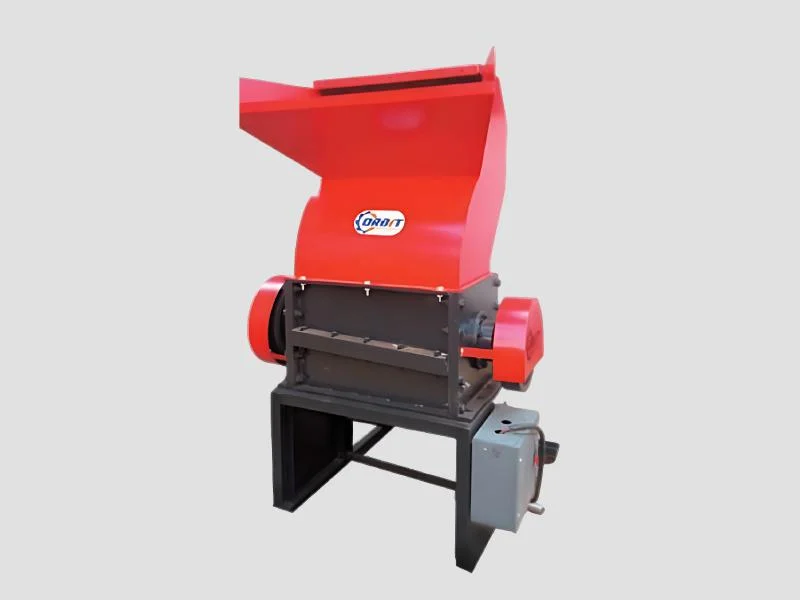
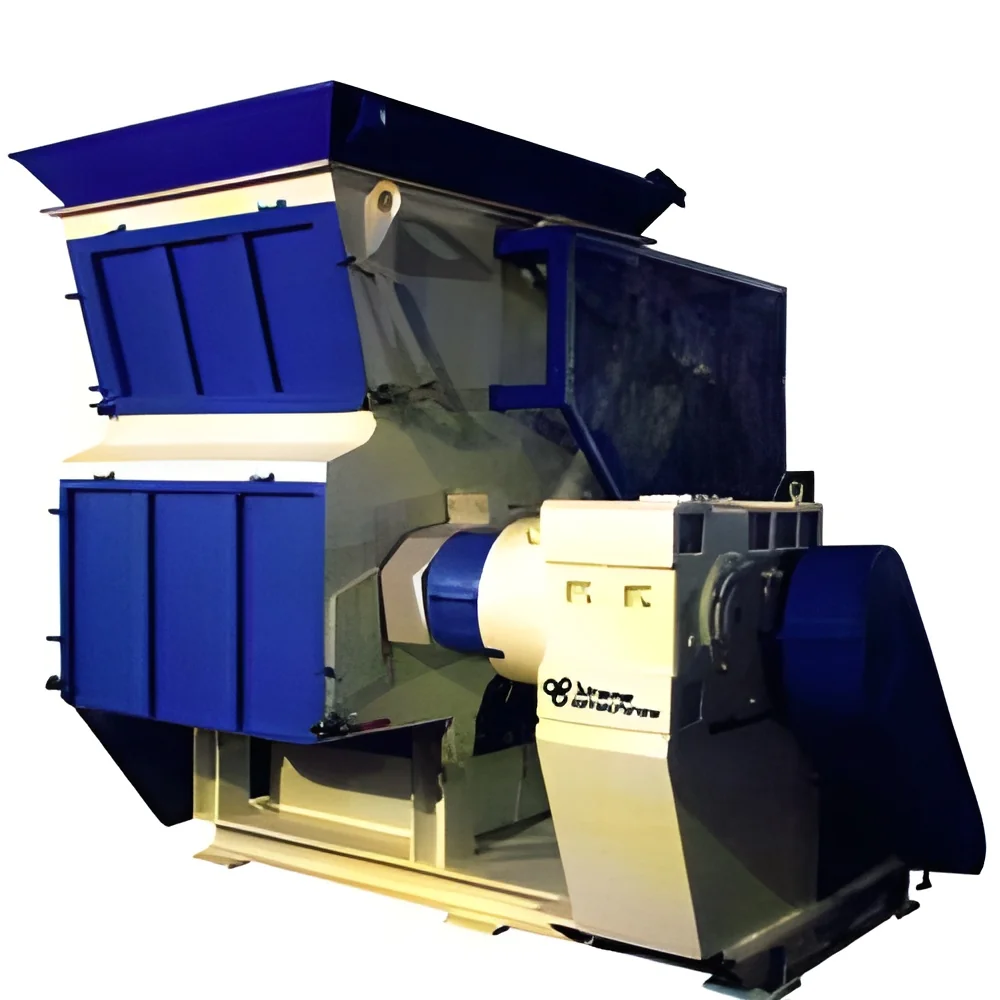
Scrap metal shredders are powerful machines designed to reduce metal waste into smaller pieces for recycling and processing. These machines utilize high-strength blades and advanced technology to efficiently shred a variety of metals, including steel, aluminum, copper, and other ferrous and non-ferrous materials. The shredding process increases the surface area of the metal, making it easier to transport and process for recycling.
The primary uses of scrap metal shredders are found in recycling facilities, metal processing plants, and manufacturing industries. Businesses utilize these machines to manage scrap metal generated from production processes, construction sites, and end-of-life products. By shredding metal waste, companies can maximize the value of their scrap, ensuring it is properly processed and repurposed. The relevance of scrap metal shredders in today’s market is underscored by the growing emphasis on sustainability and recycling, making them essential for businesses aiming to reduce their environmental footprint.
Key Features and Specifications
Scrap metal shredders come equipped with several key features that enhance their efficiency and effectiveness in processing metal waste. Understanding these specifications is crucial for businesses looking to invest in this machinery.
Key specifications include:
1. Cutting System
- High-performance blades for efficient shredding
- Options for different blade configurations depending on material type
2. Motor Power
- Range of motor capacities to accommodate various shredding loads
- Typically between 100 kW to 500 kW for industrial models
3. Throughput Capacity
- Varies based on machine size and configuration
- Ranges from 1 to 20 tons per hour
4. Material Compatibility
- Capable of shredding multiple metal types including aluminum, steel, and copper
- Designed to handle both ferrous and non-ferrous metals
5. Control Systems
- Advanced electronic controls for operational efficiency
- Options for manual or automatic feeding systems
6. Safety Features
- Emergency stop buttons and overload protection mechanisms
- Safety guards to prevent unauthorized access during operation
7. Dimensions and Weight
- Varies based on model, typically from 4 to 20 feet in length
- Weight can range from 5,000 lbs to over 50,000 lbs
8. Maintenance Requirements
- Designed for easy access to parts for routine maintenance
- Scheduled maintenance plans recommended for optimal performance
These specifications highlight the importance of selecting the right shredder for specific operational needs, ensuring maximum productivity and safety.
Common Applications and Use Cases
Scrap metal shredders serve various industries and applications, each benefiting from the efficient processing of metal waste.
1. Recycling Facilities: These facilities use shredders to process scrap metals collected from various sources, enabling efficient recycling and repurposing of materials.
2. Automotive Industry: Shredders are employed to manage end-of-life vehicles, breaking down components for metal recovery and reducing landfill waste.
3. Construction and Demolition: Construction sites utilize shredders to handle metal waste from demolished structures, allowing for efficient material recovery.
4. Manufacturing Plants: Manufacturers generate scrap metal during production, and shredders help streamline the recycling of excess materials.
5. Electronics Recycling: Shredders aid in the dismantling of electronic devices, recovering valuable metals while ensuring safe disposal of hazardous components.
6. Scrap Yards: Scrap yards rely on shredders to process incoming metal waste, maximizing operational efficiency and profitability.
7. Municipal Waste Management: Local governments utilize shredders to manage metal waste from community sources, promoting recycling initiatives.
Product Variants and Subcategories
Scrap metal shredders are available in a variety of configurations to meet different operational needs. Each variant offers unique features tailored to specific applications.
Heavy-Duty Shredders
These shredders are designed for high-volume processing and can handle large pieces of metal waste. They are often used in industrial settings where significant amounts of scrap are generated.
Compact Shredders
Ideal for smaller operations, compact shredders offer portability and efficiency. They are suitable for businesses with limited space or lower volume requirements.
Mobile Shredders
Mobile shredders provide flexibility, allowing operators to transport the equipment to various job sites. This is particularly beneficial for demolition projects where metal waste needs to be processed on-site.
Benefits and Advantages
Investing in scrap metal shredders provides numerous advantages for businesses engaged in metal recycling and waste management.
Key benefits include:
1. Increased Efficiency: Shredders significantly speed up the process of metal waste handling, allowing businesses to manage more scrap in less time.
2. Cost Savings: By converting scrap into reusable materials, companies can reduce disposal costs and increase revenue through recycling.
3. Enhanced Safety: Modern shredders incorporate safety features that minimize the risk of accidents and injuries during operation.
4. Environmentally Friendly: Shredding promotes recycling, helping businesses contribute to sustainability efforts and reducing their environmental impact.
5. Versatility: Scrap metal shredders can process a wide range of metals, making them suitable for various industries and applications.
6. Improved Material Quality: Shredding improves the quality of recycled materials, making them more valuable in the market.
Buying Guide for B2B Buyers
When sourcing scrap metal shredders, it is essential for B2B buyers to consider several key factors to ensure they make informed purchasing decisions.
1. Quality Assessment: Evaluate the build quality and durability of the shredder. Look for machines made from high-grade materials that can withstand rigorous use.
2. Supplier Verification: Research potential suppliers to ensure they are reputable and reliable. Consider their experience in the industry and customer reviews.
3. Pricing and MOQ: Understand the price range for different models and inquire about minimum order quantities. Look for any bulk purchase discounts that may be available.
4. Delivery and Lead Times: Discuss logistics with suppliers, ensuring that delivery schedules align with your operational needs. Assess lead times and shipping options.
5. Compliance Requirements: Be aware of any regulatory standards that apply to scrap metal shredders in your region, including safety and environmental regulations.
Compliance and Certifications
Scrap metal shredders must adhere to various compliance standards and certifications to ensure safety and operational efficiency. Key relevant standards include ISO 9001, which focuses on quality management systems, ensuring that products meet customer and regulatory requirements.
Additionally, many shredders carry CE certification, indicating that they meet European safety, health, and environmental protection standards. Compliance with these certifications assures buyers of the quality and reliability of the shredders they purchase.
Safety and testing requirements are also critical. Regular inspections and maintenance help ensure compliance with safety regulations, reducing operational risks. Regional compliance considerations may vary, so it is essential to be familiar with local laws affecting the operation and use of shredders.
Why Source Scrap Metal Shredders from Pepagora?
Pepagora provides an excellent platform for sourcing scrap metal shredders, offering several key advantages for businesses in need of reliable equipment.
Verified Supplier Network: Pepagora maintains a robust network of verified suppliers, ensuring that buyers can trust the quality and reliability of the products offered. This network helps mitigate risks associated with procurement.
Streamlined RFQ Process: The Request for Quotation process on Pepagora is designed to be efficient and straightforward, allowing buyers to quickly obtain competitive quotes from multiple suppliers. This simplifies the sourcing process.
Trade Assurance and Support: Pepagora offers trade assurance to protect buyers during transactions, providing confidence in their purchases. The support team is available to assist with any inquiries or issues that may arise.
Regional Coverage: With a strong presence in India, the GCC, and Southeast Asia, Pepagora connects buyers with local suppliers, facilitating easier logistics and regional compliance. This geographic reach makes it a valuable resource for businesses looking to acquire scrap metal shredders.

 IN
IN