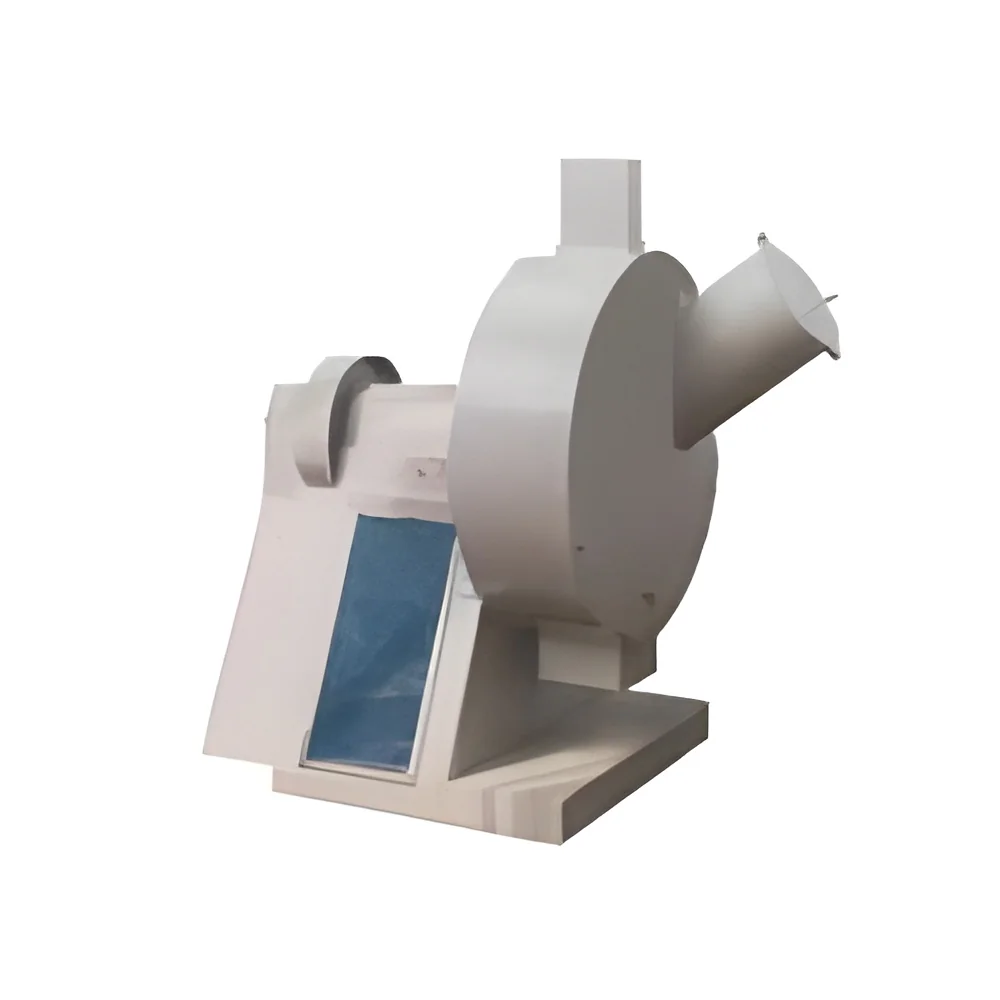
What are Plastic Granulators?
Plastic granulators are specialized machines designed to process plastic materials by breaking them down into smaller, more manageable pieces known as granules. These machines employ sharp blades to shred plastic waste, allowing for easier recycling and reuse. By reducing the size of plastic materials, granulators facilitate the recycling process, making it more efficient and cost-effective.
Plastic granulators are commonly used in various industries, including manufacturing, recycling, and waste management. They play a vital role in transforming plastic waste into usable raw materials. Businesses utilize these machines to recycle scrap plastic from production processes or post-consumer products, thereby contributing to sustainability efforts and reducing environmental impact. The demand for plastic granulators continues to grow as industries seek to enhance their recycling capabilities and minimize waste.
In the current market context, plastic granulators are increasingly relevant due to the global push for sustainability and resource conservation. With stricter regulations on plastic waste and heightened awareness of environmental issues, companies are investing in advanced granulation technologies. This trend reflects the industry's commitment to adopting eco-friendly practices while also enhancing operational efficiency.
Key Features and Specifications
Plastic granulators come equipped with a variety of features that optimize performance and ease of use. These machines are built to handle different types of plastics and can vary in size and capacity to suit specific operational needs. Understanding key specifications is crucial for selecting the right granulator for your business.
Key specifications include:
1. Cutting Chamber Size
- Determines the volume of material that can be processed at one time
- Typically ranges from small units for low-volume applications to larger models for industrial use
2. Blade Type and Configuration
- Influences the efficiency and quality of the granulation process
- Options include single or double-blade setups, each suited for different material types
3. Motor Power
- Affects the granulator’s ability to handle tougher materials
- Common power ratings range from 5 HP to 100 HP, depending on the model
4. Feed Rate
- Indicates the speed at which materials can be introduced into the granulator
- Varies based on design, with some models offering adjustable feed rates
5. Noise Level
- Important for workplace safety and compliance
- Typically measured in decibels, with quieter models available for noise-sensitive environments
6. Weight and Mobility
- Influences installation and transportation within a facility
- Ranges from portable units to larger stationary machines
7. Safety Features
- Include emergency stops, safety guards, and overload protection
- Essential for ensuring safe operation in industrial settings
8. Power Supply Options
- Availability of different power configurations, such as three-phase or single-phase
- Important for compatibility with existing electrical systems
In summary, selecting a plastic granulator involves evaluating various specifications to ensure optimal performance and suitability for specific applications.
Common Applications and Use Cases
Plastic granulators serve a wide range of industries, making them versatile tools in the manufacturing and recycling sectors.
1. Manufacturing: Granulators are essential in production facilities to recycle excess plastic scraps from injection molding, blow molding, and extrusion processes. This helps manufacturers reduce waste and lower costs.
2. Recycling: In recycling plants, granulators play a crucial role in processing post-consumer plastic products. They convert waste materials into granules that can be reused to create new products, promoting a circular economy.
3. Automotive: The automotive industry uses granulators to recycle plastic components from old vehicles, ensuring that valuable materials are reused rather than discarded.
4. Packaging: Granulators are used to process plastic packaging materials, including films and containers, enabling companies to reclaim and recycle these materials efficiently.
5. Electronics: In electronics manufacturing, granulators help process plastic casings and components, allowing for the recovery of materials from outdated or discarded devices.
6. Construction: Granulators are employed to recycle plastic materials used in construction, such as pipes and fittings, facilitating sustainable building practices.
7. Agriculture: The agricultural sector utilizes granulators to recycle plastic films used in greenhouse applications, contributing to waste reduction.
Product Variants and Subcategories
Plastic granulators come in various configurations to meet the diverse needs of different industries. Each variant offers unique features tailored for specific applications.
Heavy-Duty Granulators
These machines are designed for high-volume applications and can handle tougher materials. They often feature robust construction and powerful motors to process large quantities of plastic waste efficiently.
Compact Granulators
Ideal for smaller operations, these granulators occupy less space and are suitable for processing lower volumes of plastic. They are typically easier to install and can be moved around as needed.
Granulators with Integrated Dust Collection
This variant includes built-in dust collection systems to minimize airborne particles during granulation. This feature is particularly useful in maintaining a clean working environment and ensuring compliance with safety standards.
Hybrid Granulators
These machines combine granulating and shredding capabilities, allowing for more versatile processing of various plastic types. They are ideal for facilities that handle a mix of materials.
Benefits and Advantages
Investing in plastic granulators offers several key benefits for businesses aiming to enhance their recycling efforts and operational efficiency.
1. Cost Savings: By recycling plastic waste, companies can reduce material costs and minimize disposal fees, leading to significant savings over time.
2. Environmental Sustainability: Granulators enable organizations to participate in eco-friendly practices by reducing plastic waste and contributing to a circular economy.
3. Improved Efficiency: Advanced granulation technology increases processing speed and reduces downtime, allowing businesses to maximize productivity.
4. Versatility: Plastic granulators can handle a wide variety of plastic materials, making them suitable for diverse applications across multiple industries.
5. Enhanced Product Quality: Efficient granulation processes ensure that recycled materials maintain high quality, making them suitable for reuse in manufacturing.
6. Compliance Support: Utilizing granulators helps companies meet regulatory requirements for waste management and recycling, improving overall compliance.
Buying Guide for B2B Buyers
When sourcing plastic granulators, it is essential for B2B buyers to consider several critical factors to ensure they make informed purchasing decisions.
1. Quality Assessment: Evaluate the quality of materials and construction in granulators, looking for reputable manufacturers with proven track records in producing durable machines.
2. Supplier Verification: Ensure suppliers are reputable and have a history of reliability. Request references and check for certifications to confirm their credibility.
3. Pricing and MOQ: Understand the price range for different models and inquire about minimum order quantities. This information helps in budgeting and planning purchases.
4. Delivery and Lead Times: Discuss logistics and expected delivery times with suppliers to align with production schedules and operational needs.
5. Compliance Requirements: Be aware of industry regulations and standards related to plastic processing. Ensure that the chosen granulator meets necessary compliance criteria.
Compliance and Certifications
Plastic granulators must adhere to various quality standards and certifications to ensure they meet industry requirements and operate safely.
Relevant quality standards include ISO 9001, which focuses on quality management systems, ensuring that manufacturers meet customer and regulatory requirements. Certifications like HACCP (Hazard Analysis Critical Control Point) and GDP (Good Distribution Practice) are also significant in specific industries, particularly those dealing with food-grade plastics.
Moreover, granulators often carry certifications such as CE and UL, indicating compliance with European and American safety standards. These certifications assure buyers that the equipment is tested and meets safety and performance criteria.
In addition to safety certifications, regional compliance considerations may vary based on local regulations. Buyers should familiarize themselves with relevant laws in their area to ensure that the chosen equipment is compliant and safe for operation.
Why Source Plastic Granulators from Pepagora?
Pepagora offers a trusted platform for sourcing plastic granulators, providing numerous advantages for B2B buyers.
Verified Supplier Network: Pepagora maintains a network of verified suppliers, ensuring that buyers can connect with reputable manufacturers. This network helps mitigate risks associated with purchasing equipment.
Streamlined RFQ Process: The platform simplifies the Request for Quotation (RFQ) process, enabling buyers to receive competitive quotes from multiple suppliers efficiently. This saves time and enhances the decision-making process.
Trade Assurance and Support: Pepagora provides trade assurance, offering buyer protection and support throughout the purchasing journey. This assurance fosters confidence in the transaction and strengthens buyer-supplier relationships.
Regional Coverage: With a broad geographic reach across India, the GCC, and Southeast Asia, Pepagora connects buyers with suppliers in their regions, facilitating easier access to equipment and support. This regional focus ensures that buyers can find suitable solutions tailored to their specific market needs.

 IN
IN