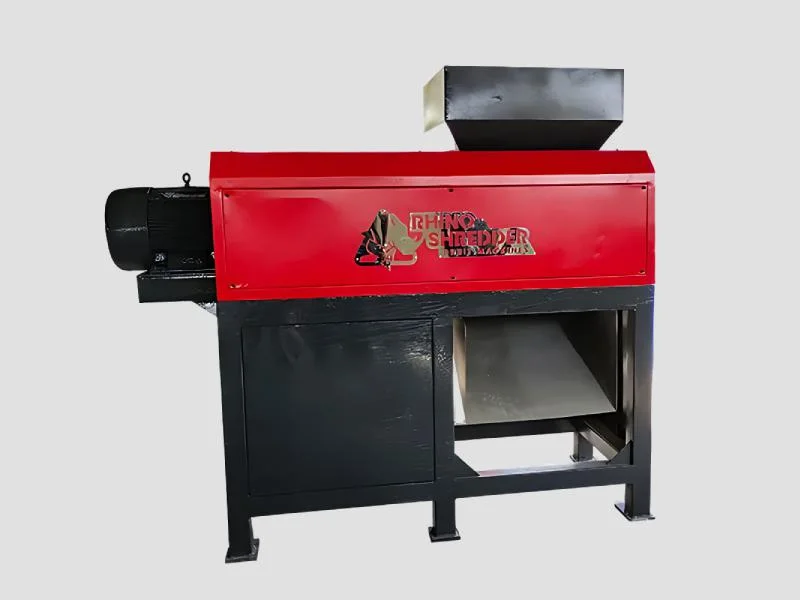
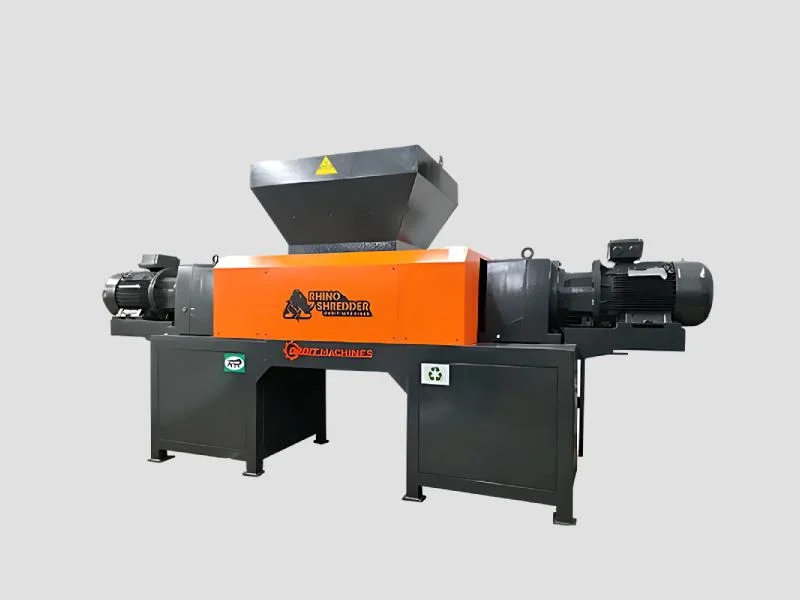
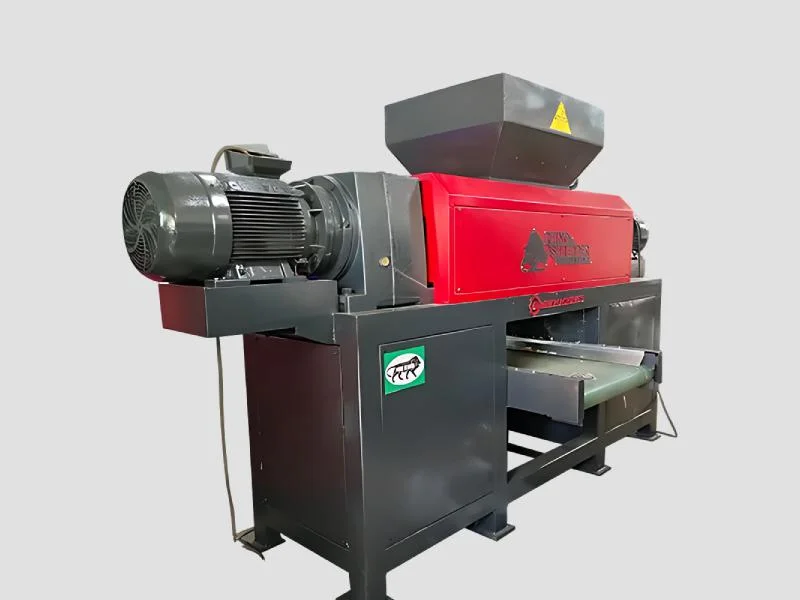
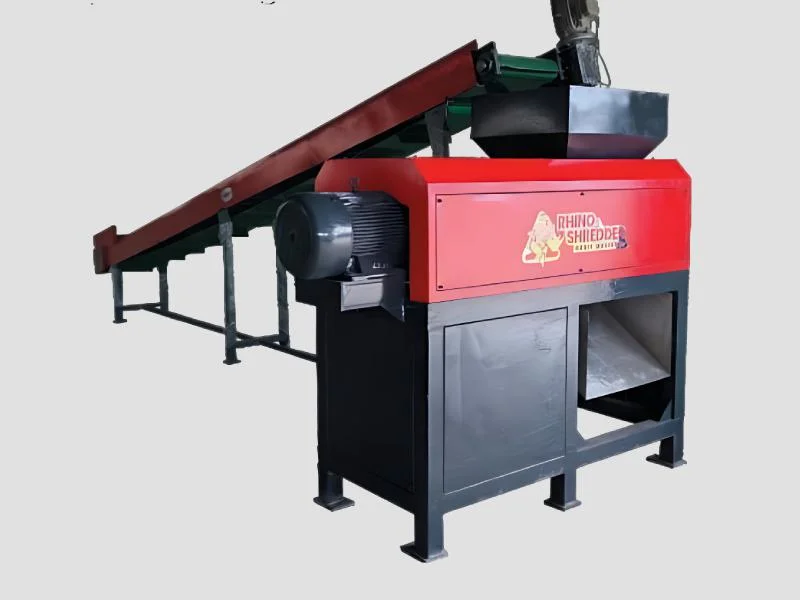
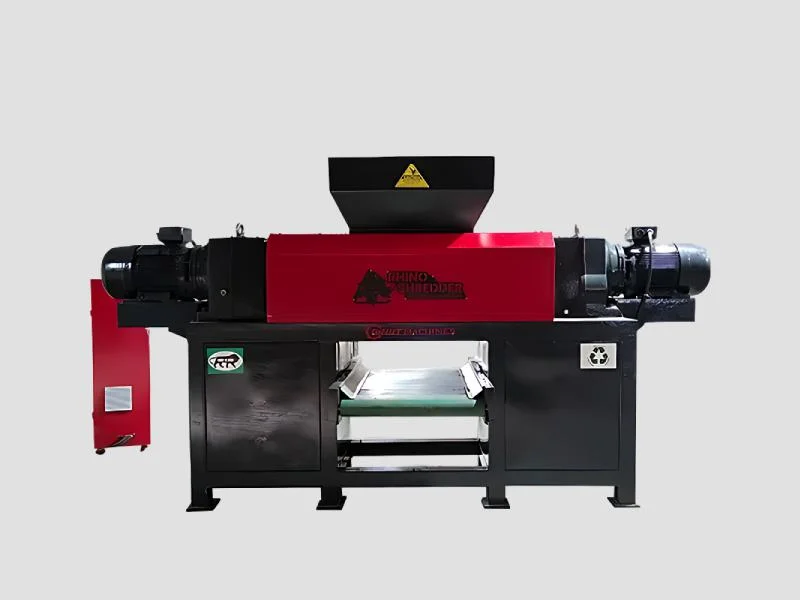
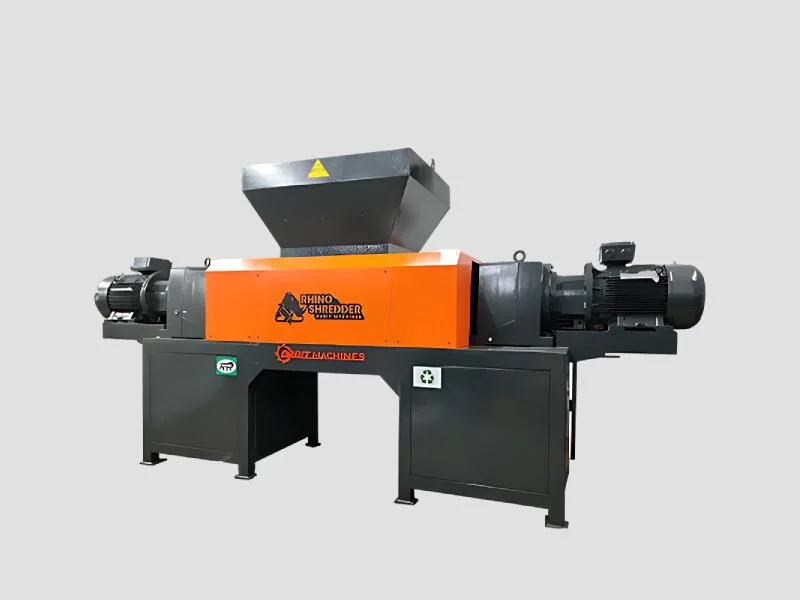
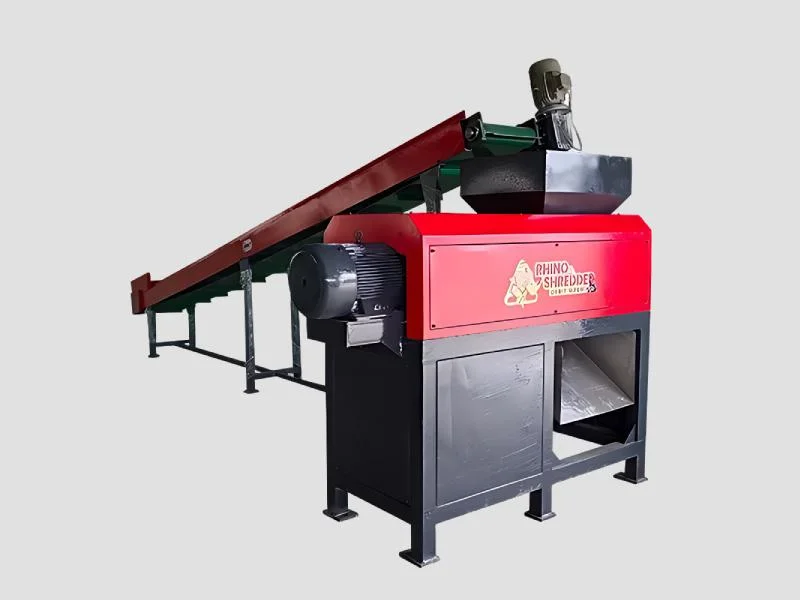
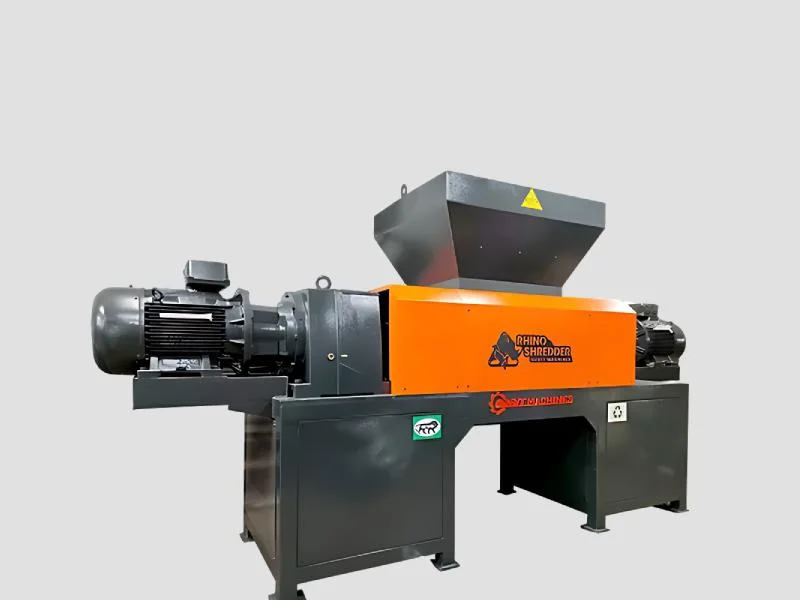
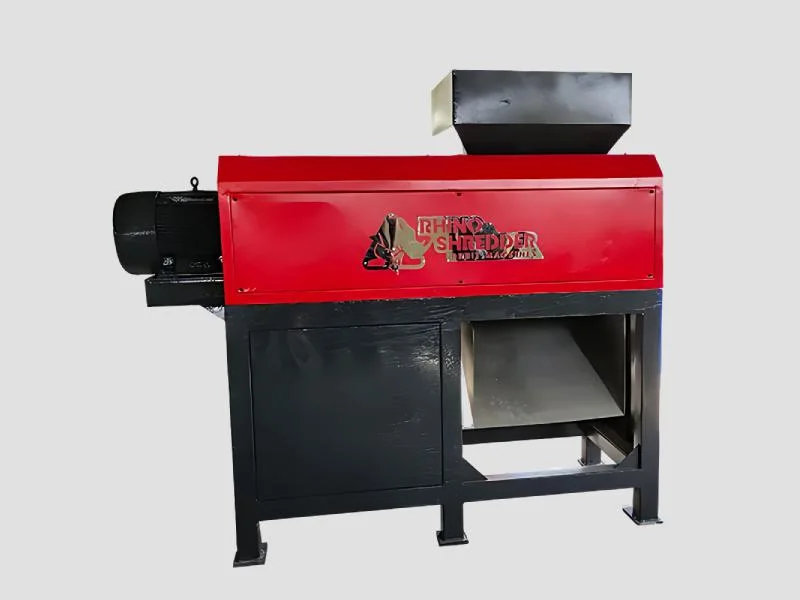
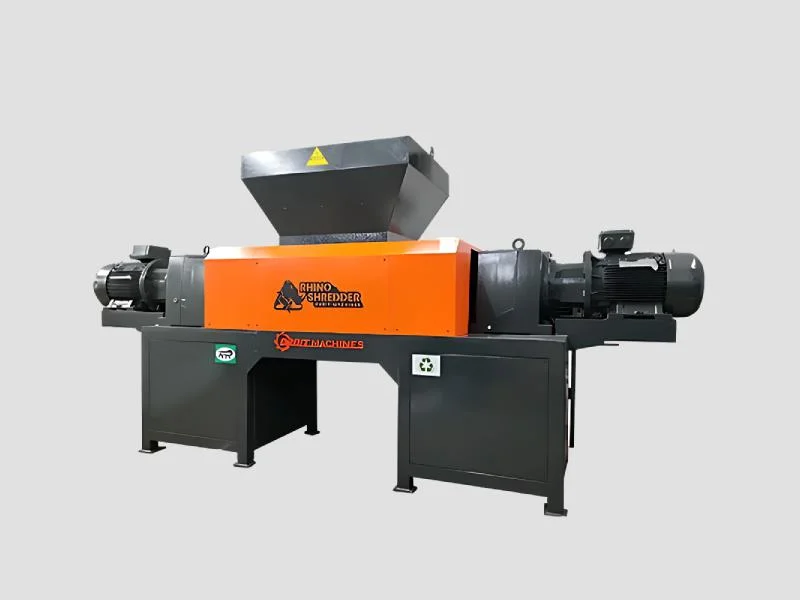
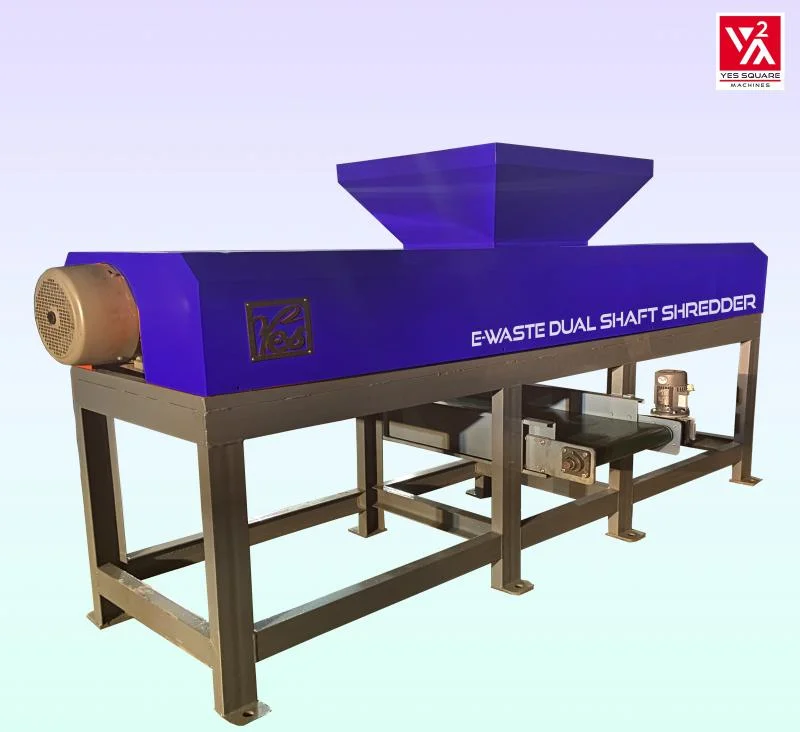
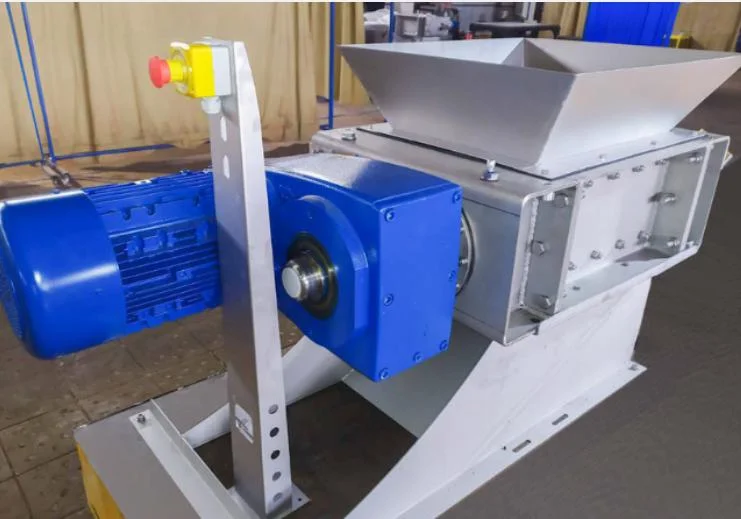
What are PCB Recycling Machines?
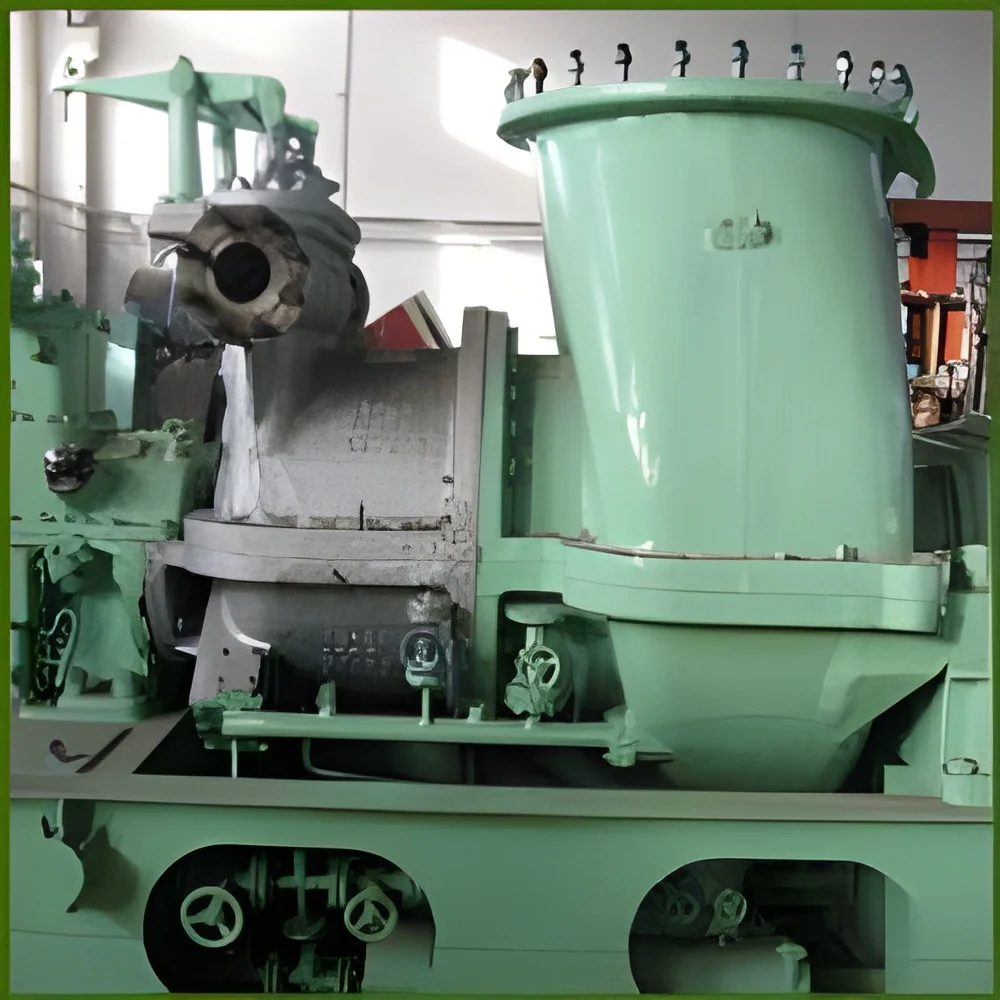
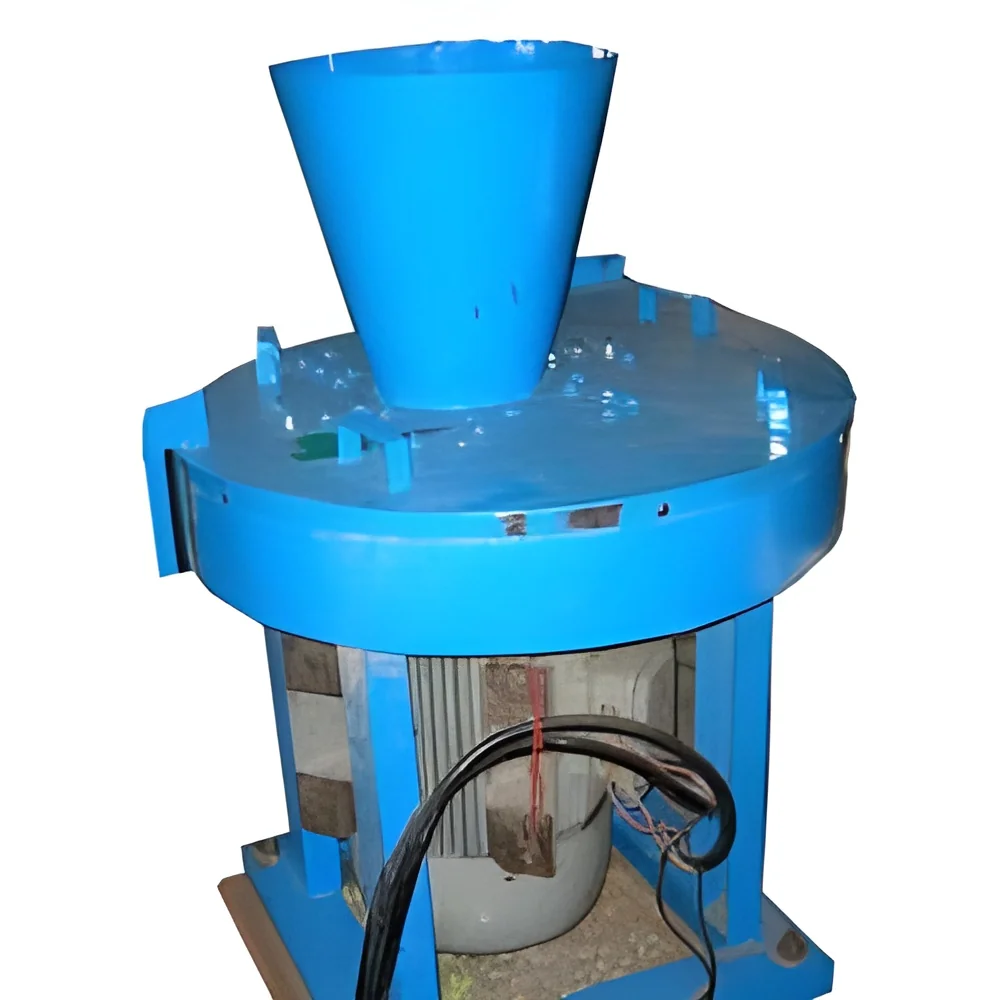
PCB Recycling Machines are specialized equipment designed to process and recover materials from printed circuit boards (PCBs). These machines efficiently separate valuable metals, plastics, and other components from electronic waste. The recycling process not only helps in recovering precious materials but also minimizes environmental pollution caused by improper disposal of electronic waste.
Businesses in various sectors use PCB Recycling Machines for multiple purposes. They are essential in electronics manufacturing, waste management, and environmental protection industries. By utilizing these machines, companies can ensure compliance with regulatory standards while contributing to a circular economy. As electronic products continue to evolve, the demand for efficient recycling solutions is increasing, making PCB Recycling Machines highly relevant in today’s market.
The growing emphasis on sustainability and resource recovery further highlights the importance of PCB Recycling Machines. With the rising volume of electronic waste globally, these machines play a critical role in transforming waste into reusable materials, thus supporting green initiatives and promoting responsible waste management practices.
Key Features and Specifications
PCB Recycling Machines come equipped with various features that enhance their efficiency and effectiveness. These specifications are crucial for businesses looking to invest in reliable recycling equipment.
Key specifications include:
1. Processing Capacity
- Typically ranges from 100 kg to 2000 kg per hour, depending on the model and design.
- Allows for scalability based on the volume of electronic waste being processed.
2. Separation Technology
- Utilizes advanced methods like air separation, gravity separation, and electromagnetic separation.
- Ensures high recovery rates of metals and materials from PCBs.
3. Automation Level
- Varies from semi-automated to fully automated systems.
- Affects labor costs and operational efficiency.
4. Energy Consumption
- Energy-efficient models are available, consuming as low as 20 kWh per ton of processed material.
- Helps reduce operational costs in the long term.
5. Safety Features
- Equipped with safety mechanisms like emergency stop buttons and overload protection.
- Ensures safe operation for workers.
6. Compact Design
- Space-saving designs are available, suitable for facilities with limited space.
- Facilitates easy integration into existing operations.
7. Maintenance Requirements
- Low maintenance models are designed for durability and easy servicing.
- Minimizes downtime and increases productivity.
8. Compliance Standards
- Many machines are designed to meet international standards such as CE certification.
- Ensures safety and reliability for users.
In summary, the right PCB Recycling Machine should match the specific needs of the business, taking into consideration the processing capacity, technology, and operational features.
Common Applications and Use Cases
PCB Recycling Machines are utilized across multiple industries for their ability to recover valuable materials from electronic waste.
1. Electronics Manufacturing: These machines are essential for recycling defective or outdated circuit boards, allowing manufacturers to reclaim metals and components.
2. Waste Management: Recycling facilities use PCB Recycling Machines to process electronic waste, ensuring proper disposal and material recovery to reduce landfill contributions.
3. Automotive Industry: With the increasing use of electronics in vehicles, these machines help in recycling PCBs from automotive electronics, contributing to sustainability efforts.
4. Telecommunications: Companies in this sector utilize recycling machines to recover materials from outdated telecom equipment, thus reducing waste and reusing resources.
5. Computer and IT Services: Businesses that upgrade or dispose of old computer systems rely on PCB Recycling Machines to recycle components, ensuring compliance with environmental regulations.
6. Research and Development: Laboratories and R&D facilities use these machines to recycle experimental prototypes, allowing for material recovery and reuse.
7. Defense and Aerospace: Specialized applications in these sectors require recycling machines for sensitive electronic components, ensuring secure and responsible disposal.
Product Variants and Subcategories
PCB Recycling Machines are diverse and cater to various operational needs. Each variant offers unique features and capabilities.
Compact PCB Recycling Machine: This variant is designed for small to medium operations. It features a space-saving design and is suitable for businesses with limited floor space. It typically handles lower volumes of electronic waste efficiently.
Industrial PCB Recycling Machine: Aimed at large-scale operations, this machine offers higher processing capacities and advanced separation technologies. It is ideal for facilities that deal with significant volumes of electronic waste daily.
Mobile PCB Recycling Unit: This variant is designed for on-site recycling. It provides flexibility for businesses that require recycling solutions at different locations. It often comes equipped with essential features for immediate processing.
Benefits and Advantages
Investing in PCB Recycling Machines offers numerous advantages for businesses across various sectors.
Key benefits include:
1. Environmental Impact: These machines significantly reduce electronic waste, minimizing pollution and promoting sustainable practices.
2. Cost Savings: By recovering valuable materials, businesses can save on raw material costs and improve profit margins.
3. Regulatory Compliance: Utilizing PCB Recycling Machines ensures adherence to environmental regulations, reducing the risk of fines and legal issues.
4. Resource Recovery: These machines enable companies to reclaim precious metals and components, contributing to a circular economy.
5. Enhanced Efficiency: Advanced technology in PCB Recycling Machines allows for faster processing and higher recovery rates, improving operational efficiency.
6. Innovation Support: By recycling outdated equipment, businesses can invest in new technologies without contributing to electronic waste.
Buying Guide for B2B Buyers
When considering the purchase of PCB Recycling Machines, certain factors should be prioritized to ensure a wise investment.
1. Quality Assessment: Look for machines that comply with recognized quality standards. Evaluate the durability and reliability of the equipment to ensure long-term performance.
2. Supplier Verification: Research potential suppliers to confirm their credibility and reputation in the industry. Checking reviews and certifications can help in the selection process.
3. Pricing and MOQ: Consider the pricing structure and minimum order quantity (MOQ) to ensure the investment aligns with budget constraints while meeting operational needs.
4. Delivery and Lead Times: Inquire about the expected delivery times and logistics involved in acquiring the machinery. Timely delivery is crucial for maintaining production schedules.
5. Compliance Requirements: Ensure that the machines meet local and international compliance standards. Understanding regulatory needs is essential for smooth operation.
Compliance and Certifications
Compliance with industry standards is crucial for PCB Recycling Machines to ensure safety and reliability. Relevant quality standards include ISO 9001, which focuses on quality management systems, and CE certification, which signifies that the machines meet European safety and environmental requirements.
Industry certifications may also include compliance with safety regulations, ensuring that the machines operate without risk to users. Additionally, testing requirements must be met to ensure that the equipment performs as intended.
Regional compliance considerations can vary, so it is important for buyers to understand local regulatory frameworks. This may include waste management regulations and electronic waste recycling mandates.
Why Source PCB Recycling Machines from Pepagora?
Pepagora provides a trusted platform for sourcing PCB Recycling Machines, offering several advantages to B2B buyers.
Verified Supplier Network: Pepagora has established a network of verified suppliers, ensuring that buyers can connect with reputable manufacturers. This reduces the risk of purchasing substandard equipment.
Streamlined RFQ Process: The request for quotation (RFQ) process on Pepagora is designed to be efficient and user-friendly. Buyers can easily request quotes from multiple suppliers, allowing for informed decision-making.
Trade Assurance and Support: Pepagora offers trade assurance, providing buyers with protection throughout the purchasing process. In case of any issues, support is available to resolve disputes effectively.
Regional Coverage: Pepagora operates across various regions, including India, the GCC, and Southeast Asia. This broad geographic reach allows buyers to access local suppliers and better understand market dynamics.
By choosing Pepagora, businesses can leverage a reliable sourcing platform to meet their PCB recycling needs efficiently and effectively.

 IN
IN