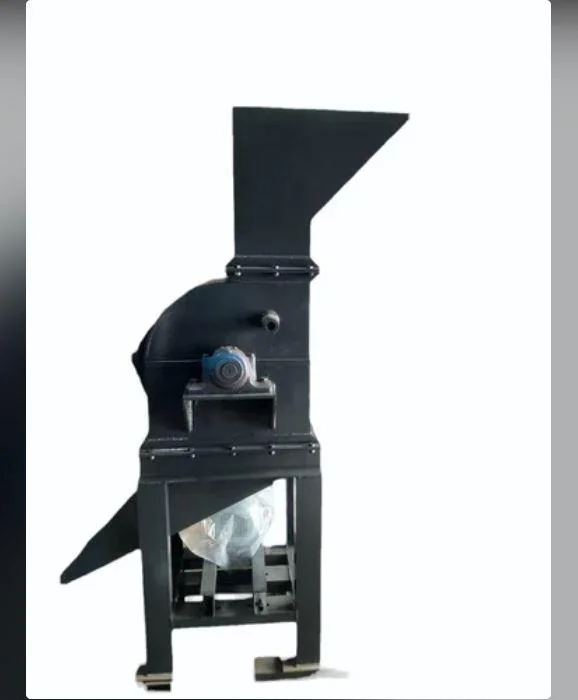
What are Brick & Rubble Recyclers?
Brick & rubble recyclers are industrial machines designed specifically for the processing of construction debris, such as bricks, concrete, and other masonry materials. These machines efficiently break down large pieces of rubble into smaller, reusable aggregates. The primary function of brick & rubble recyclers is to facilitate the recycling process, allowing construction companies to reduce waste and promote sustainability within their operations.
The recycling of bricks and rubble has gained significant traction in the construction industry due to increasing environmental regulations and the rising cost of raw materials. Businesses utilize these recyclers to convert waste into valuable resources, which can then be used in new construction projects or landscaping applications. As the demand for eco-friendly practices rises, brick & rubble recyclers play a crucial role in helping companies meet their sustainability goals.
The market for brick & rubble recyclers is expanding as more industries recognize the benefits of recycling construction materials. These machines are not only pivotal for waste management but also contribute to cost savings and resource efficiency. As urbanization continues to grow, the need for effective recycling solutions becomes more pronounced, solidifying the relevance of brick & rubble recyclers in today’s market.
Key Features and Specifications
Brick & rubble recyclers come equipped with several features that enhance their efficiency and effectiveness in processing construction debris. Understanding these specifications is crucial for businesses looking to invest in these machines.
Key specifications include:
1. Crushing Capacity
- The ability to process a specific volume of material per hour.
- Typically ranges from 30 to 300 tons per hour, depending on the model.
2. Power Consumption
- The amount of energy required to operate the machine.
- Usually falls between 30 kW to 200 kW, varying with size and efficiency.
3. Material Handling Size
- Maximum size of the rubble or bricks that can be processed.
- Often accommodates pieces up to 600 mm in diameter.
4. Weight
- The total weight of the machine, which can affect transport and installation.
- Commonly ranges from 5 tons to over 30 tons.
5. Operating Noise Level
- The sound produced during operation, important for compliance with regulations.
- Typically measured at 75-100 dB.
6. Mobility Features
- Options for stationary or mobile units.
- Mobile units often equipped with tracks or wheels for easy relocation.
7. Safety Features
- Includes emergency stop buttons, protective enclosures, and overload protection.
- Essential for ensuring operator safety during use.
8. Maintenance Requirements
- Frequency and type of maintenance needed to keep the machine operational.
- Regular checks on wear parts and lubrication systems are generally recommended.
In summary, selecting a brick & rubble recycler involves understanding these key features and specifications to ensure that the machine meets the operational needs of your business while maintaining efficiency and safety.
Common Applications and Use Cases
Brick & rubble recyclers are utilized across various industries due to their versatility in handling construction waste.
1. Construction: These recyclers are commonly used on construction sites to process leftover bricks and concrete, allowing for the reuse of materials in new projects.
2. Demolition: In demolition operations, brick & rubble recyclers efficiently break down debris, making it easier to transport and recycle materials.
3. Landscaping: Recycled aggregates from brick & rubble can be utilized for landscaping projects, providing eco-friendly alternatives for paths and drainage.
4. Road Construction: Recycled materials are often used as base layers for roads, reducing the need for virgin materials and lowering costs.
5. Waste Management: Waste management companies employ these machines to streamline the recycling of construction and demolition debris, promoting sustainability.
6. Manufacturing: Some manufacturers utilize recycled materials in their products, benefiting from reduced costs and improved environmental impact.
7. Municipal Projects: Local governments may use brick & rubble recyclers to manage waste from public works and infrastructure projects, enhancing recycling efforts in urban areas.
Product Variants and Subcategories
Brick & rubble recyclers come in various forms to cater to different processing needs.
Mobile Brick & Rubble Recyclers
These units are designed for easy transport from one job site to another. They often feature tracks or wheels for mobility, making them ideal for contractors who work on multiple locations.
Stationary Brick & Rubble Recyclers
Stationary models are permanently installed at recycling facilities. They tend to have a higher capacity and are suited for operations where large volumes of material need to be processed consistently.
Compact Brick & Rubble Recyclers
These smaller units are ideal for sites with limited space. They provide efficient processing capabilities while occupying less ground area, making them suitable for urban environments.
Heavy-Duty Brick & Rubble Recyclers
Designed for larger operations, these machines can handle the toughest materials and highest volumes. They are built to withstand rigorous use and are often found in large-scale recycling facilities.
Benefits and Advantages
Investing in brick & rubble recyclers offers numerous advantages for businesses in the construction and waste management sectors.
Key benefits include:
1. Cost Efficiency: By recycling materials, companies can significantly reduce disposal costs and lower the need for purchasing new raw materials.
2. Environmental Sustainability: These machines promote eco-friendly practices by reducing landfill waste and conserving natural resources.
3. Versatile Applications: Brick & rubble recyclers can be adapted for various uses, making them suitable for a wide range of projects.
4. Compliance with Regulations: Utilizing recyclers helps companies meet environmental regulations and demonstrates a commitment to sustainability.
5. Enhanced Resource Recovery: The ability to generate reusable materials adds value to waste, converting what was once discarded into valuable resources.
6. Improved Project Turnaround: Efficient processing of construction debris can speed up project timelines by minimizing waste disposal delays.
Buying Guide for B2B Buyers
When sourcing brick & rubble recyclers, it is essential for businesses to consider several key factors to ensure they make informed purchasing decisions.
1. Quality Assessment: Evaluate the build quality and durability of the machines. Look for reputable manufacturers with a track record of reliability and performance.
2. Supplier Verification: Vet suppliers to ensure they have a good reputation and provide reliable customer service. Check for references and reviews from other businesses.
3. Pricing and MOQ: Understand the pricing structure and minimum order quantities. This can vary widely among manufacturers and may impact overall project costs.
4. Delivery and Lead Times: Inquire about logistics and lead times for delivery. Timely delivery is crucial for maintaining project schedules.
5. Compliance Requirements: Ensure that the machine meets relevant regulatory standards and industry certifications. This can impact operational viability and safety.
Compliance and Certifications
Compliance with industry standards is critical for brick & rubble recyclers. Many manufacturers adhere to quality management systems like ISO 9001, which ensures consistent quality in production processes.
Additionally, certifications such as CE mark indicate that the machines comply with European safety standards. This is essential for export and use in regions with strict safety regulations.
Safety and testing requirements also play a significant role in the operation of these machines. Operators must ensure that machines undergo regular inspections to maintain compliance and safety.
Regional considerations should also be taken into account. Different countries may have specific regulations regarding waste processing and machinery standards, making it essential for buyers to understand local laws.
Why Source Brick & Rubble Recyclers from Pepagora?
Pepagora offers a trusted platform for sourcing brick & rubble recyclers, providing several key advantages to B2B buyers.
Verified Supplier Network: Pepagora ensures that all suppliers on the platform are thoroughly vetted, guaranteeing reliability and quality in the products offered. This network helps buyers find reputable partners easily.
Streamlined RFQ Process: The request for quotation process is designed for efficiency, allowing buyers to receive competitive quotes from multiple suppliers quickly. This streamlines the procurement process, saving time and effort.
Trade Assurance and Support: Buyers on Pepagora benefit from trade assurance, which protects their investments and ensures that they receive the products as promised. Additionally, support services are available to assist with any inquiries or issues.
Regional Coverage: Pepagora has a broad geographic reach, covering regions such as India, the GCC, and Southeast Asia. This allows buyers to find localized suppliers that meet their specific needs efficiently.
By choosing Pepagora, businesses can confidently source brick & rubble recyclers while benefiting from a comprehensive support system that enhances their purchasing experience.

 IN
IN