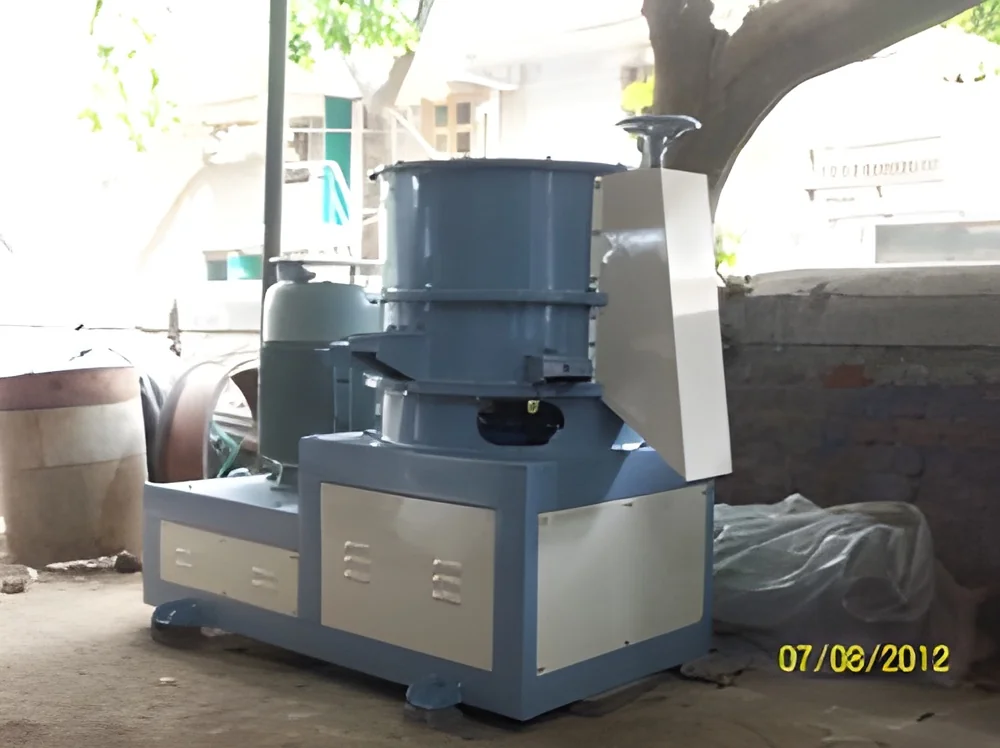
What are Multi-layer Film Recycling Units?
Multi-layer Film Recycling Units are specialized machines designed to process and recycle multi-layer plastic films. These units efficiently break down complex plastic structures that consist of various materials, making it feasible to recover valuable raw materials from waste. The technology utilized in these units ensures high-quality recycling outcomes, allowing businesses to contribute to sustainable practices while reducing reliance on virgin materials.
The primary applications of Multi-layer Film Recycling Units are found in industries that produce or utilize flexible packaging materials, such as food packaging, consumer goods, and industrial applications. These units play a critical role in managing plastic waste by transforming it into reusable materials. This not only helps companies meet environmental regulations but also enhances their corporate responsibility and sustainability profiles.
As the demand for eco-friendly solutions continues to rise, the relevance of Multi-layer Film Recycling Units in the market has grown significantly. Companies are increasingly recognizing the economic benefits of recycling, including cost savings and reduced material procurement costs. The increasing focus on sustainability drives the need for advanced recycling technologies, positioning Multi-layer Film Recycling Units as essential equipment for modern manufacturing processes.
Key Features and Specifications
Multi-layer Film Recycling Units come equipped with advanced features that enhance their operational efficiency and ease of use. These units are designed to handle a variety of multi-layer films effectively, ensuring that businesses can maximize their recycling capabilities.
Key specifications include:
1. Processing Capacity
- Capable of processing a wide range of multi-layer films
- Variable capacities depending on model, typically ranging from 200 to 1,500 kg/hour
2. Power Consumption
- Efficient energy usage to minimize operational costs
- Power ratings typically between 20 kW and 150 kW
3. Operation Modes
- Equipped with both automatic and manual operation modes
- Flexible settings for different film types and recycling requirements
4. Material Compatibility
- Suitable for various film compositions, including polyethylene, polypropylene, and nylon
- Can handle films with multiple layers and additives
5. Control System
- Advanced control systems for monitoring and adjusting processing conditions
- User-friendly interfaces for ease of operation
6. Safety Features
- Built-in safety mechanisms to prevent accidents during operation
- Compliance with international safety standards
7. Maintenance Requirements
- Designed for easy maintenance and quick access to critical components
- Regular maintenance schedules recommended for optimal performance
8. Size and Dimensions
- Compact designs available for space-constrained facilities
- Standard dimensions vary by model, accommodating different installation needs
These specifications collectively enhance the performance and reliability of Multi-layer Film Recycling Units, making them a vital asset for companies focused on sustainability.
Common Applications and Use Cases
Multi-layer Film Recycling Units find applications across a variety of industries, each with unique recycling needs.
1. Food Packaging: These units are commonly used to recycle food-grade films, transforming waste into reusable materials while complying with safety standards.
2. Consumer Goods: Companies in this sector use these units to process packaging waste, contributing to the circular economy and reducing landfill contributions.
3. Industrial Applications: Multi-layer films used in industrial settings, such as stretch films and shrink wraps, are recycled to reclaim materials for further use.
4. Agriculture: Agricultural films, often made of multi-layer materials, can also be recycled, allowing farmers to manage plastic waste effectively.
5. E-commerce: As e-commerce packaging increases, these units help businesses recycle the plastic films that accompany shipped goods.
6. Electronics: Companies producing electronic goods utilize multi-layer films for packaging, which can be diverted from landfills through effective recycling processes.
7. Healthcare: Medical packaging often utilizes multi-layer films, and recycling these materials ensures compliance with environmental regulations.
Product Variants and Subcategories
Multi-layer Film Recycling Units are available in various configurations to meet specific industry needs. The diversity of these units enables businesses to select an option that best fits their production requirements.
Standard Model
This model is designed for high-volume processing and incorporates advanced features for efficiency. It is ideal for businesses with significant plastic waste generation.
Compact Model
The compact version offers a space-saving design while maintaining effective processing capabilities. This variant is perfect for smaller operations or facilities with limited space.
High-Efficiency Model
Designed for maximum energy efficiency, this model reduces power consumption while increasing output. It is suitable for companies focused on sustainability and cost reduction.
Automated Model
Featuring automated controls and monitoring systems, this variant simplifies operation and enhances productivity. It is ideal for businesses looking to minimize manual intervention.
Benefits and Advantages
Investing in Multi-layer Film Recycling Units presents numerous benefits for businesses aiming to enhance their sustainability efforts.
1. Cost Savings: By recycling multi-layer films, companies can reduce raw material costs significantly, translating into better profit margins.
2. Environmental Impact: These units contribute to a reduction in plastic waste, supporting corporate sustainability goals and compliance with environmental regulations.
3. Quality of Recycled Material: Advanced processing technology ensures high-quality recycled materials, which can be reused in manufacturing, promoting a circular economy.
4. Compliance with Regulations: Using recycling units helps businesses meet local and international recycling mandates, avoiding penalties and enhancing their market reputation.
5. Improved Brand Image: Companies that adopt eco-friendly practices through recycling can strengthen their brand image and appeal to environmentally conscious consumers.
6. Innovation Opportunities: The adoption of advanced recycling technology can lead to new product development and innovative solutions in packaging and materials.
Buying Guide for B2B Buyers
When sourcing Multi-layer Film Recycling Units, it is essential to consider several key factors to ensure a suitable purchase.
1. Quality Assessment: Evaluate the quality of the units based on manufacturer reputation, customer reviews, and product warranties to ensure reliability and performance.
2. Supplier Verification: Conduct thorough research on potential suppliers, including checking their certifications, past performance, and customer references to ensure credibility.
3. Pricing and MOQ: Understand the pricing structure and minimum order quantities required by suppliers to align with your budget and operational needs.
4. Delivery and Lead Times: Inquire about delivery schedules and lead times to ensure that the units can be integrated into your operations without significant delays.
5. Compliance Requirements: Ensure that the units meet relevant regulatory and safety standards, which can vary by region and industry, to avoid compliance issues.
Compliance and Certifications
Multi-layer Film Recycling Units are subject to various quality standards and certifications that ensure safety and reliability. Key standards include ISO 9001, which focuses on quality management systems, and HACCP, which emphasizes food safety management in applicable industries.
Industry certifications such as CE and UL are essential for ensuring that the units meet safety and performance standards recognized globally. Compliance with these certifications assures buyers of the product's quality and safety in operation.
Additionally, safety and testing requirements often involve stringent evaluations to ensure that units operate safely under various conditions. Regional compliance considerations may vary, so it is crucial for buyers to understand the specific regulations that apply in their operational areas.
Why Source Multi-layer Film Recycling Units from Pepagora?
Pepagora provides a trusted platform for sourcing Multi-layer Film Recycling Units, offering several key advantages for B2B buyers.
Verified Supplier Network: At Pepagora, suppliers undergo a rigorous verification process, ensuring that buyers receive products from reputable manufacturers with proven track records.
Streamlined RFQ Process: The platform's Request for Quotation system simplifies the procurement process, allowing buyers to receive multiple quotes efficiently and compare options easily.
Trade Assurance and Support: Pepagora offers buyer protection mechanisms, giving businesses confidence in their purchases and ensuring support throughout the sourcing process.
Regional Coverage: With a strong presence in India, the GCC, and Southeast Asia, Pepagora facilitates access to a broad network of suppliers, making it easier for businesses to find the right Multi-layer Film Recycling Units to meet their needs.

 IN
IN