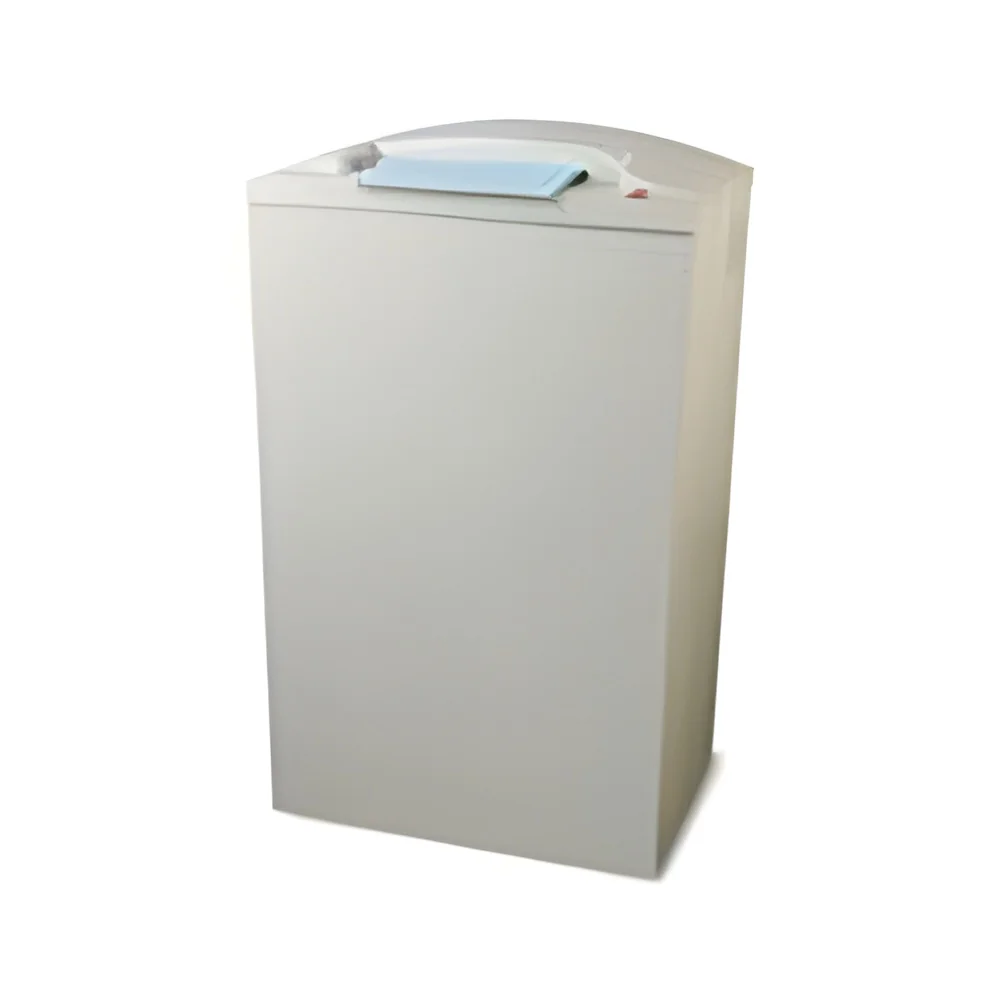
What are Paper Shredders?
Paper shredders are mechanical devices designed to cut paper into smaller pieces, rendering documents unreadable. These machines come in various designs and capabilities, ranging from small desktop models for personal use to large, industrial-scale shredders for high-volume operations. By utilizing sharp blades or cutting mechanisms, paper shredders ensure that sensitive information is destroyed securely, preventing unauthorized access.
In the business world, the primary uses of paper shredders include the disposal of confidential documents, such as financial records, employee files, and customer information. Many companies implement shredders as part of their data protection strategy to comply with privacy laws and regulations. This practice is especially critical in industries such as finance, healthcare, and legal services, where safeguarding sensitive data is of utmost importance. The paper shredder market has seen steady growth as businesses increasingly recognize the need for secure document disposal.
Key Features and Specifications
When considering paper shredders, it is essential to evaluate their key features and specifications to find the right fit for your business needs. Paper shredders vary in size, shredding capacity, and security levels. Understanding these specifications can help businesses make informed purchasing decisions.
Key specifications include:
1. Shredding Capacity
- The number of sheets a shredder can process at one time.
- Ranges typically from 5 to 50 sheets per pass.
2. Shred Type
- Refers to the style of shredding, such as strip-cut, cross-cut, or micro-cut.
- Micro-cut provides the highest level of security.
3. Security Level
- Classified according to DIN standards, indicating how securely documents are shredded.
- Levels range from P-1 (low security) to P-7 (high security).
4. Bin Capacity
- Size of the waste bin where shredded material collects.
- Ranges from 5 to 30 gallons.
5. Run Time
- Duration a shredder can operate continuously before needing to cool down.
- Can vary from 10 minutes to over 60 minutes.
6. Noise Level
- Measured in decibels (dB), indicating the noise produced during shredding.
- Typically ranges from 55 dB to 70 dB.
7. Safety Features
- Includes auto shut-off, safety locks, and overload protection.
- Ensures user safety and machine longevity.
8. Power Source
- Can be electric or battery-operated.
- Electric models generally offer more power and efficiency.
In summary, understanding these specifications helps businesses select a paper shredder that meets their operational needs while ensuring data security.
Common Applications and Use Cases
Paper shredders serve various industries and applications, making them a versatile tool in many business environments.
1. Finance: Financial institutions use paper shredders to dispose of sensitive customer information, including account statements and loan applications.
2. Healthcare: Hospitals and clinics employ shredders to secure patient records and personal health information, complying with HIPAA regulations.
3. Legal: Law firms require shredders to eliminate confidential case files and legal documents, protecting client confidentiality.
4. Education: Schools use paper shredders to securely dispose of student records and administrative paperwork, ensuring privacy.
5. Government: Government agencies utilize shredders to destroy sensitive materials, including personnel files and classified documents.
6. Retail: Retail businesses shred customer information and credit card receipts to prevent identity theft.
7. Manufacturing: Manufacturers often shred internal documents and R&D materials to protect intellectual property.
Product Variants and Subcategories
Paper shredders come in a range of variants, each designed to meet specific requirements.
Office Shredders
Ideal for small to medium-sized teams, these shredders are designed for regular use and typically offer a moderate shredding capacity. They often include features like safety locks and compact designs suitable for office settings.
Industrial Shredders
These heavy-duty machines cater to high-volume shredding needs, capable of processing large quantities of paper quickly. Ideal for businesses that require frequent and secure disposal of sensitive documents, they often include advanced features for enhanced security.
Personal Shredders
Designed for individual use, personal shredders are compact and typically have lower shredding capacities. They are suitable for home offices or small businesses where occasional shredding is required.
Benefits and Advantages
Investing in a paper shredder provides numerous advantages for businesses.
1. Enhanced Security: Shredders ensure that sensitive information is destroyed, minimizing the risk of data breaches and identity theft.
2. Compliance with Regulations: Using a shredder helps businesses meet legal requirements for data protection and privacy.
3. Improved Organization: Shredding unnecessary documents reduces clutter, streamlining office organization and improving efficiency.
4. Eco-Friendly Disposal: Shredded paper can often be recycled, promoting environmentally responsible practices.
5. Cost-Effective Solution: By preventing data breaches, businesses save potential costs associated with legal penalties and reputational damage.
6. User-Friendly Features: Many modern shredders come equipped with user-friendly controls and safety features, making them easy and safe to operate.
Buying Guide for B2B Buyers
When sourcing paper shredders for your business, several key factors should be considered to ensure you make the best choice.
1. Quality Assessment: Evaluate the build quality and durability of shredders. Look for reputable brands known for their reliability and performance.
2. Supplier Verification: Vet potential suppliers by checking reviews, certifications, and their track record in delivering quality products.
3. Pricing and MOQ: Understand the pricing structures and minimum order quantities (MOQ) to ensure the purchase aligns with your budget and needs.
4. Delivery and Lead Times: Inquire about the delivery schedule and lead times to plan for the integration of shredders into your workflow.
5. Compliance Requirements: Ensure that the shredders meet industry standards and compliance regulations relevant to your business sector.
Compliance and Certifications
Paper shredders must adhere to various quality standards and certifications to ensure safety and effectiveness.
ISO 9001 is a widely recognized standard that outlines criteria for quality management systems. Compliance with this standard indicates that a manufacturer follows best practices in quality assurance.
The CE marking signifies compliance with European safety standards, ensuring that products meet health, safety, and environmental protection requirements.
Additionally, safety and testing requirements must be met, including those related to electrical safety and mechanical performance. Businesses should also consider regional compliance, as different regions may have specific regulations governing data protection and document disposal.
Why Source Paper Shredders from Pepagora?
Pepagora offers a reliable platform for sourcing high-quality paper shredders, providing several distinct advantages for buyers.
Verified Supplier Network: Pepagora ensures that all suppliers are thoroughly vetted, guaranteeing that buyers are connected with reputable manufacturers and distributors.
Streamlined RFQ Process: The request for quotation (RFQ) process is efficient, allowing businesses to request and receive quotes quickly, facilitating timely decision-making.
Trade Assurance and Support: Buyers benefit from trade assurance, which provides protection against potential issues, ensuring a smooth purchasing experience.
Regional Coverage: Pepagora serves a wide geographic area, including India, the GCC, and Southeast Asia, making it easy for businesses to source shredders that meet their specific regional needs.

 IN
IN