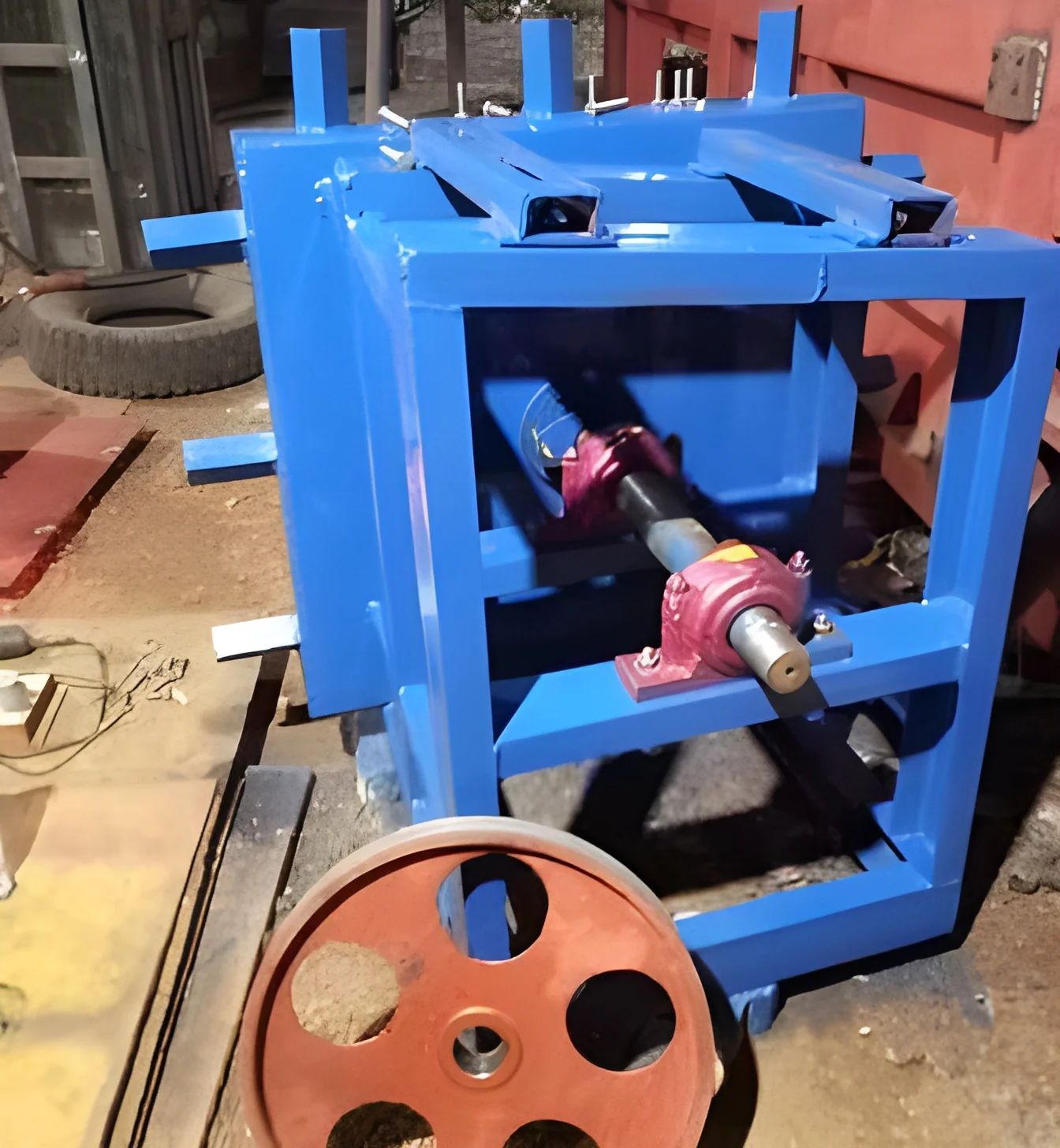
What are Hydrapulpers?
Hydrapulpers are specialized industrial machines designed to convert waste paper and other materials into pulp. They function by mixing raw materials with water, applying mechanical agitation to separate fibers, and creating a slurry that can be further processed. These machines are pivotal in the recycling industry, enabling the transformation of discarded paper into reusable pulp for making new paper products.
The primary applications of hydrapulpers include paper recycling plants, pulp production facilities, and waste management companies. They play a critical role in reducing landfill waste and promoting sustainability in various industries. Businesses utilize hydrapulpers to improve efficiency in recycling processes, enhance raw material recovery, and minimize environmental impact. This equipment is increasingly relevant in a market that values eco-friendly practices and resource conservation.
In a global context, the demand for hydrapulpers is driven by the rising emphasis on recycling and sustainable production methods. As companies aim to meet stricter environmental regulations and consumer expectations for green products, hydrapulpers are becoming essential tools in the manufacturing of recycled paper and other related products.
Key Features and Specifications
Hydrapulpers are equipped with a variety of features that enhance their functionality and performance. These machines are designed to handle various waste materials while ensuring efficient pulp production. Below are key specifications that define hydrapulpers:
1. Capacity
- Hydrapulpers come in various capacities to match production needs.
- Common ranges include from 2 tons per hour to over 20 tons per hour.
2. Power Consumption
- Power requirements vary based on machine size and output.
- Typical usage ranges from 5 kW to 100 kW.
3. Pulping Time
- Efficiency is measured by the time taken to produce pulp.
- Standard pulping times can range from 30 minutes to several hours.
4. Material Compatibility
- Hydrapulpers can process a variety of materials.
- Suitable for paper, cardboard, and other cellulose-based waste.
5. Mixing Mechanism
- Advanced mixing technologies enhance fiber separation.
- Options include paddle-style or rotor-stator designs.
6. Control Systems
- Many models feature automated control for ease of operation.
- Integration with monitoring systems is common for performance tracking.
7. Maintenance Requirements
- Designed for easy maintenance to minimize downtime.
- Regular upkeep can extend machine life significantly.
In summary, hydrapulpers offer a range of features and specifications that cater to the diverse needs of industries focused on recycling and pulp production.
Common Applications and Use Cases
Hydrapulpers serve various industries, each benefiting from their unique capabilities.
1. Paper Recycling Industry: Hydrapulpers are essential for recycling facilities that process used paper and cardboard. They enable efficient fiber recovery and reduce waste sent to landfills.
2. Pulp Production Plants: These machines are integral in producing pulp from raw materials. They assist in creating high-quality pulp for the paper manufacturing process.
3. Waste Management Companies: Hydrapulpers help waste management firms to convert paper waste into valuable resources, aligning with sustainable waste practices.
4. Packaging Industry: Companies producing packaging materials utilize hydrapulpers to recycle old packaging and create new paper-based products.
5. Printing Industry: Printing companies can use hydrapulpers to recycle offcuts and waste paper, contributing to a more sustainable operation.
6. Educational Institutions: Schools and universities often utilize hydrapulpers in their recycling programs to educate students about sustainability.
7. Municipal Recycling Programs: Many municipalities incorporate hydrapulpers in their recycling initiatives to enhance community waste management efforts.
Product Variants and Subcategories
Hydrapulpers come in various models and configurations to fit different operational needs.
Continuous Hydrapulpers: These models allow for uninterrupted processing of materials, making them ideal for high-volume applications. Their design promotes efficiency and reduces labor costs.
Batch Hydrapulpers: Suitable for smaller operations, batch hydrapulpers are designed to process specific quantities of materials in cycles. They are flexible and can adapt to varying production needs.
High-Consistency Hydrapulpers: These variants operate with a higher concentration of fiber, making them effective for certain types of waste materials. They are often used in specialized pulp production environments.
Benefits and Advantages
Hydrapulpers offer several benefits that enhance their appeal to businesses involved in recycling and pulp production.
1. Increased Efficiency: Hydrapulpers streamline the pulping process, allowing for faster production cycles and reduced operational costs.
2. Environmental Sustainability: By recycling waste materials, hydrapulpers contribute to lower carbon footprints and reduced landfill usage.
3. Versatility: These machines can handle a variety of waste types, making them suitable for diverse operational settings.
4. Cost Savings: Utilizing hydrapulpers can lead to significant savings by reducing the need for raw materials and lowering disposal costs.
5. Improved Product Quality: Hydrapulpers enhance the fiber separation process, resulting in higher-quality pulp that meets industry standards.
6. Automation Capabilities: Many models come with automated features that simplify operation and monitoring, reducing labor requirements.
Buying Guide for B2B Buyers
When sourcing hydrapulpers, businesses should consider several critical factors to ensure they make informed purchasing decisions.
1. Quality Assessment: Evaluate the build quality and reliability of the machine. Look for reputable manufacturers known for producing durable and efficient hydrapulpers.
2. Supplier Verification: Conduct thorough research on potential suppliers. This includes checking customer reviews, industry reputation, and after-sales support.
3. Pricing and MOQ: Understand the price range for hydrapulpers and inquire about minimum order quantities. Compare offers from different suppliers to ensure competitive pricing.
4. Delivery and Lead Times: Discuss delivery schedules and lead times with suppliers. Timely delivery is crucial for maintaining production schedules.
5. Compliance Requirements: Ensure that the hydrapulper meets all relevant industry standards and regulations. This includes safety certifications and environmental compliance.
Compliance and Certifications
Hydrapulpers must adhere to various quality standards and certifications to ensure safety and efficiency in operations.
Relevant quality standards include ISO 9001, which focuses on quality management systems, ensuring manufacturers maintain high production standards. Additionally, HACCP (Hazard Analysis Critical Control Point) protocols may be applicable in industries where hygiene is essential, such as food packaging.
Industry certifications like CE and UL indicate that the equipment complies with European and U.S. safety standards, respectively. These certifications are crucial for ensuring that the hydrapulpers operate safely within designated environments.
Safety and testing requirements also play a significant role in the compliance landscape for hydrapulpers. Regular maintenance and safety checks are advised to meet operational guidelines.
Finally, regional compliance considerations may vary, so it is essential for buyers to familiarize themselves with local regulations concerning waste management and recycling practices.
Why Source Hydrapulpers from Pepagora?
Pepagora offers a reliable platform for sourcing hydrapulpers, providing several key advantages for B2B buyers.
Verified Supplier Network: Pepagora ensures that all suppliers are thoroughly vetted for quality and reliability. This gives buyers confidence in the products they purchase and reduces the risk of dealing with untrustworthy vendors.
Streamlined RFQ Process: The request for quotation (RFQ) system on Pepagora simplifies the procurement process. Buyers can easily compare multiple offers, helping them make informed decisions quickly.
Trade Assurance and Support: Pepagora provides buyer protection through trade assurance programs. This support ensures that buyers receive their products as promised and helps resolve any disputes that may arise.
Regional Coverage: With a strong presence in India, the GCC, and Southeast Asia, Pepagora offers extensive regional coverage. This geographic reach allows businesses to source hydrapulpers tailored to their specific market needs while benefiting from local insights and support.

 IN
IN