What are Steel Separation Equipment?
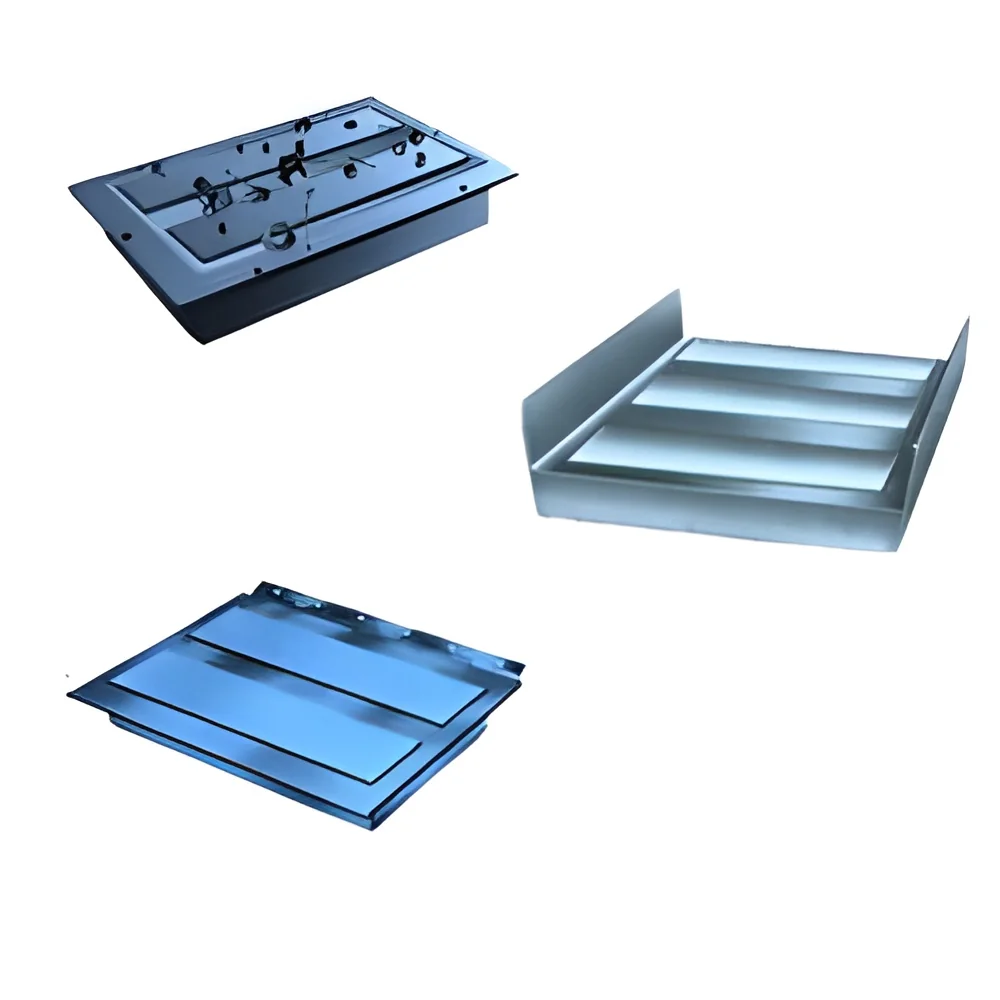
Steel separation equipment consists of specialized machines and tools designed to separate steel materials from other substances. These devices utilize various methods, such as magnetic, mechanical, and gravitational techniques, to effectively isolate steel components from waste or mixed materials. The equipment plays a crucial role in recycling processes, manufacturing, and material handling, ensuring that steel is recovered efficiently for reuse or further processing.
The primary applications of steel separation equipment include industrial recycling, waste management, and the manufacturing sector. In recycling operations, these machines help extract valuable steel from scrap materials, while in manufacturing, they assist in maintaining product purity by removing contaminants. The demand for steel separation equipment has grown with increasing environmental regulations and a push for sustainable practices across industries, making them essential in modern operations.
Industry relevance is significant as the global steel market continues to expand. Steel separation equipment is critical for various sectors, including construction, automotive, and heavy machinery. With the ongoing trend of circular economy practices, these machines are increasingly recognized for their vital role in resource recovery and waste reduction, making them a valuable investment for B2B operations.
Key Features and Specifications
Steel separation equipment is designed with several key features that enhance its efficiency and effectiveness in various applications. These machines are engineered to provide reliable performance while meeting the specific needs of different industries.
Key specifications include:
1. Magnetic Strength
- Essential for effective steel separation
- Typically ranges from 1000 to 3000 gauss
2. Processing Capacity
- Indicates how much material the equipment can handle
- Common capacities range from 1 ton per hour to 50 tons per hour
3. Power Consumption
- Reflects the energy efficiency of the equipment
- Generally ranges from 5 kW to 50 kW depending on the model
4. Material Compatibility
- Indicates types of materials the equipment can process
- Designed for various steel grades and mixed metals
5. Durability Features
- Enhances the lifespan of the equipment
- Often includes heavy-duty construction and corrosion-resistant materials
6. Safety Mechanisms
- Ensures safe operation
- Includes emergency shut-off systems and overload protection
7. Automation Level
- Determines the degree of automation in operations
- Ranges from manual controls to fully automated systems
8. Maintenance Requirements
- Specifies the upkeep needs for optimal performance
- Typically requires regular inspections and part replacements
In summary, steel separation equipment encompasses various specifications that cater to diverse industrial needs, ensuring efficient separation processes while maintaining high operational standards.
Common Applications and Use Cases
Steel separation equipment serves a wide range of industries with diverse applications.
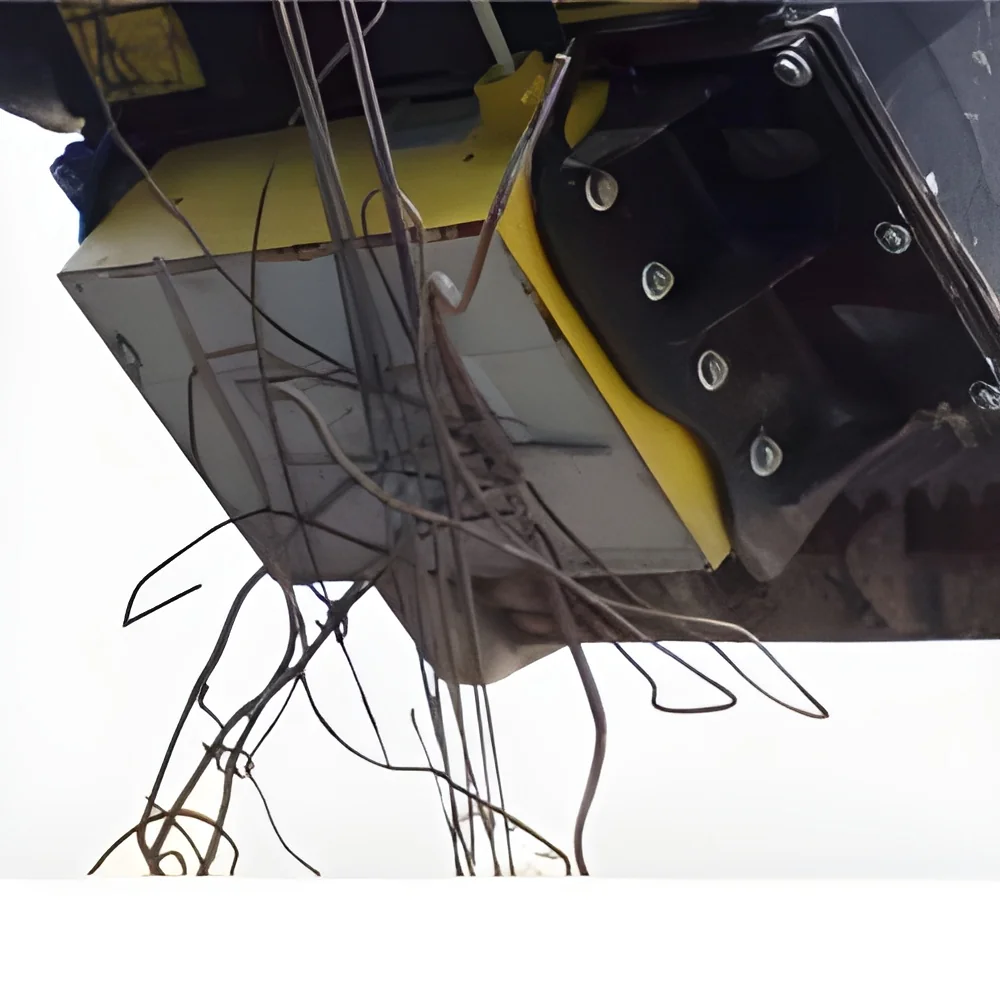
1. Construction: In the construction industry, steel separation equipment is utilized to recover steel rebar from concrete waste. This process not only reduces landfill waste but also recycles valuable materials for new construction projects.
2. Automotive: In automotive manufacturing, these machines are vital for recycling scrap metal from old vehicles. They help ensure that steel components are efficiently reclaimed and reused in the production of new vehicles.
3. Metal Recycling: Metal recycling facilities rely on steel separation equipment to extract steel from mixed metal waste. This enhances the efficiency of recycling operations and maximizes material recovery.
4. Heavy Machinery: In heavy machinery manufacturing, separating steel components from other materials is crucial for maintaining product quality and ensuring performance standards.
5. Waste Management: Waste management companies use these machines to separate steel from municipal solid waste, contributing to environmental sustainability by promoting recycling.
6. Mining: In the mining sector, steel separation equipment assists in the extraction of steel and metal ores from mined materials, facilitating more efficient processing.
7. Manufacturing: Various manufacturing processes utilize steel separation equipment to maintain the purity of raw materials, ensuring that final products meet quality standards.
Product Variants and Subcategories
Steel separation equipment comes in various forms to cater to specific industrial needs.
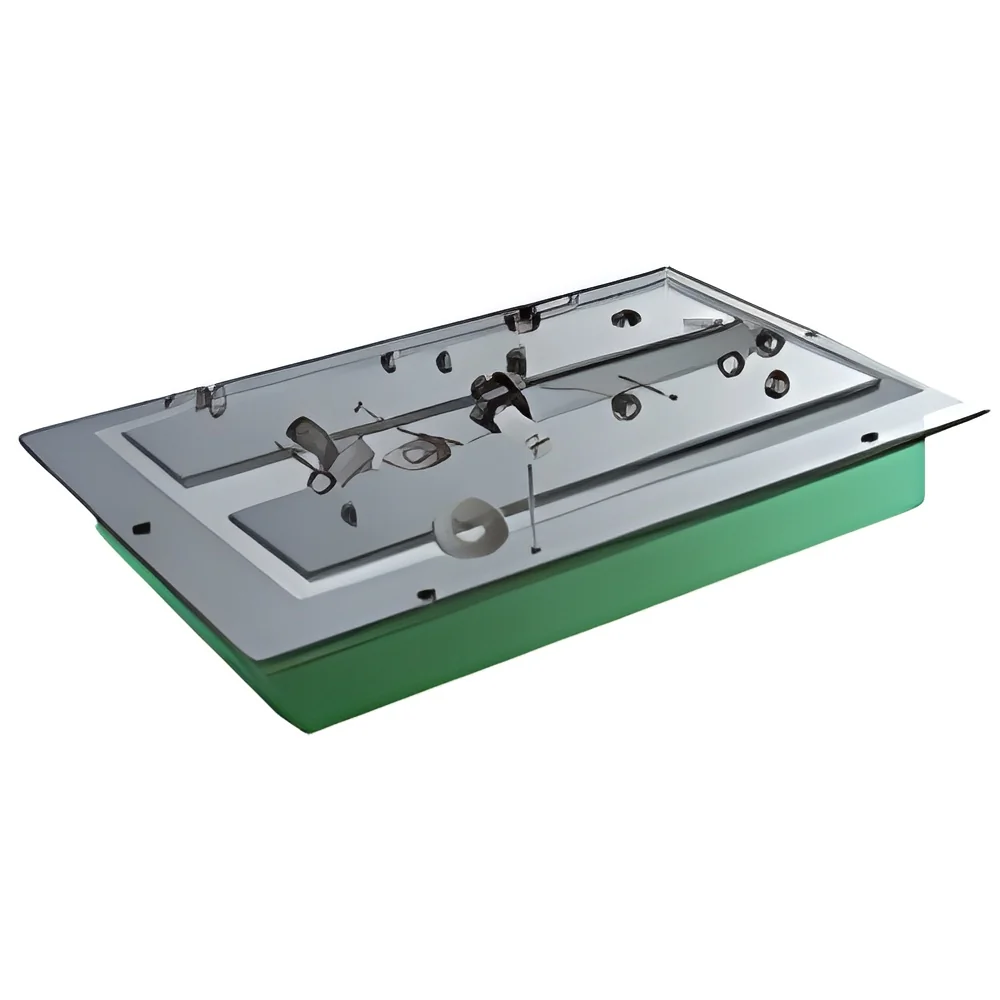
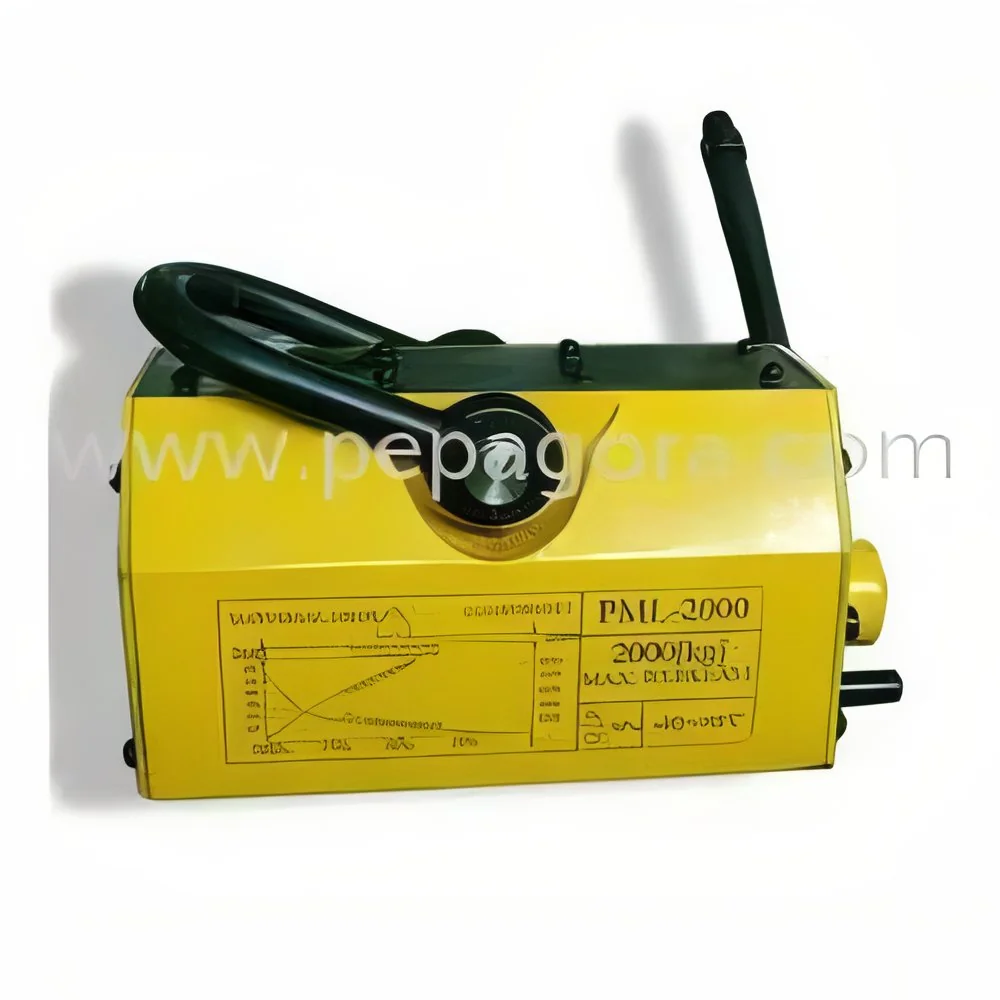
Magnetic Separators
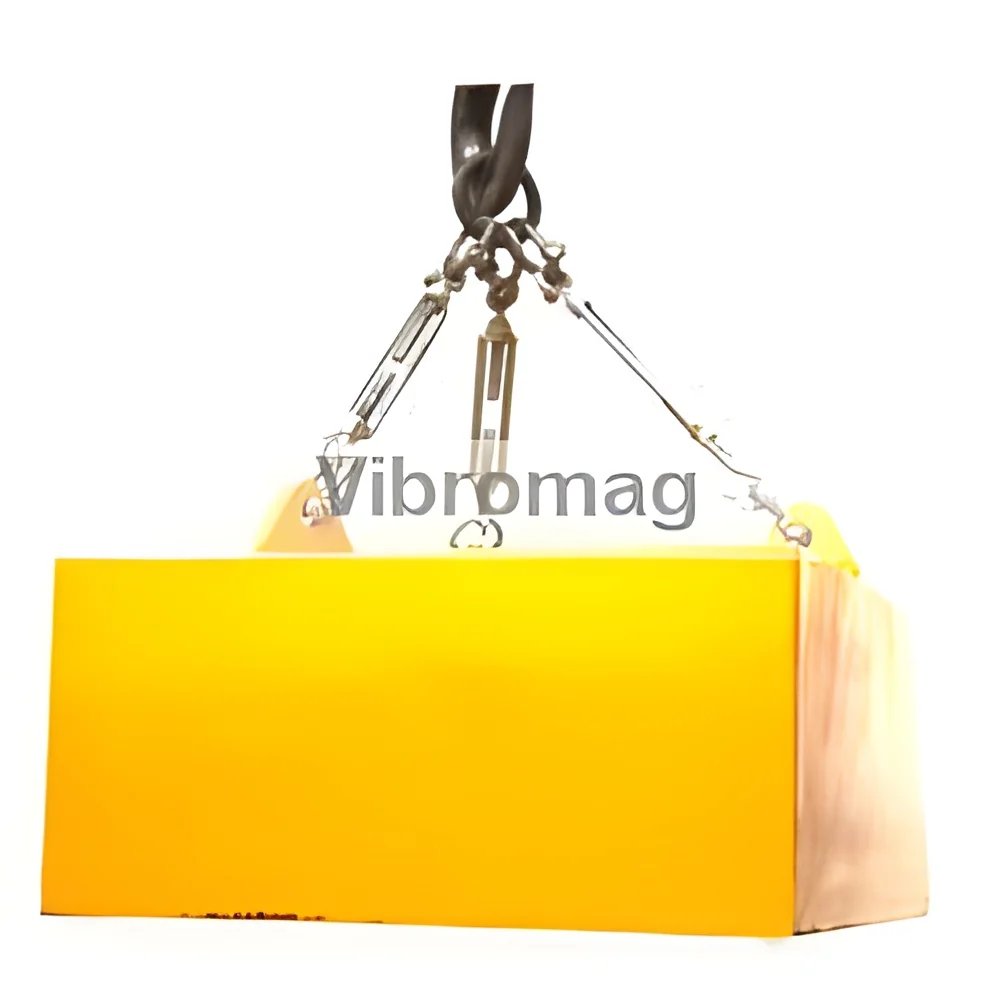
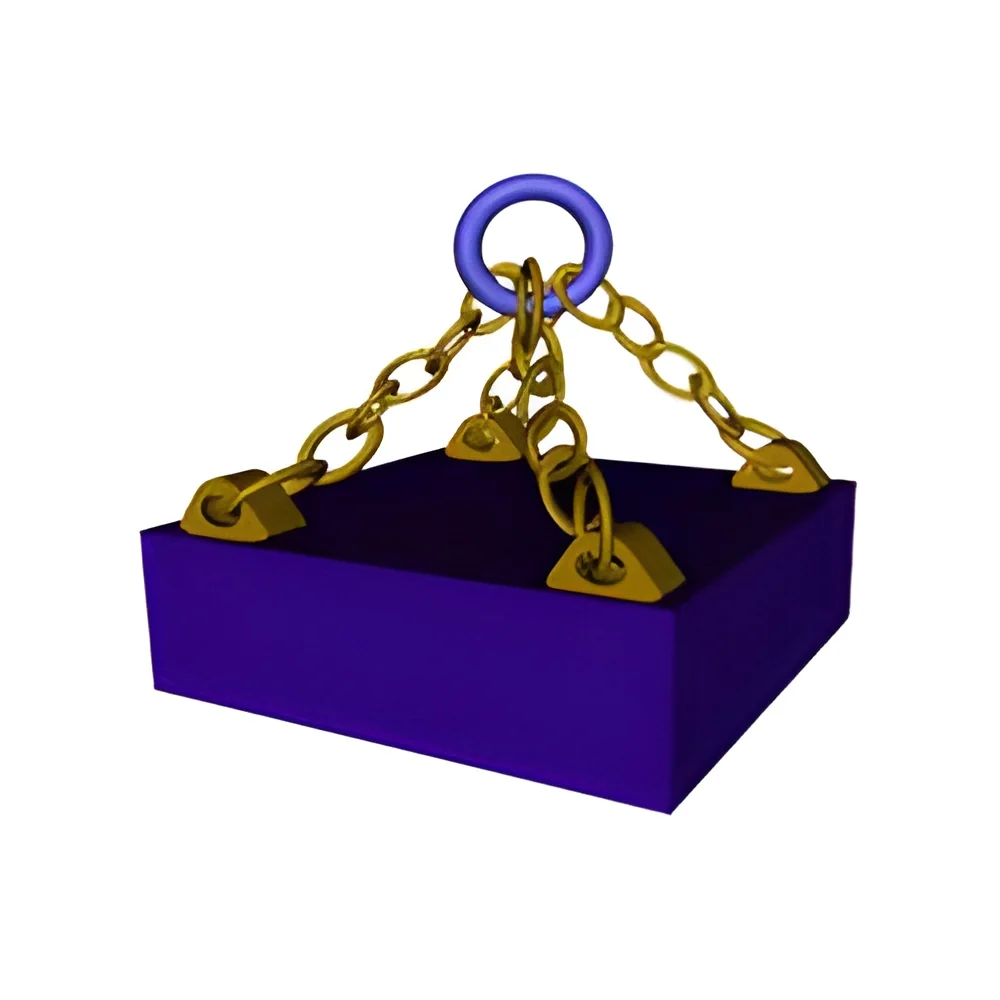
Magnetic separators are designed to remove ferrous materials from non-ferrous materials. They are commonly used in recycling and manufacturing settings, ensuring that steel is efficiently separated for further processing.
Eddy Current Separators
Eddy current separators utilize electromagnetic fields to separate non-ferrous metals from mixed materials. These are particularly effective in recycling operations where aluminum and copper need to be isolated from other materials.
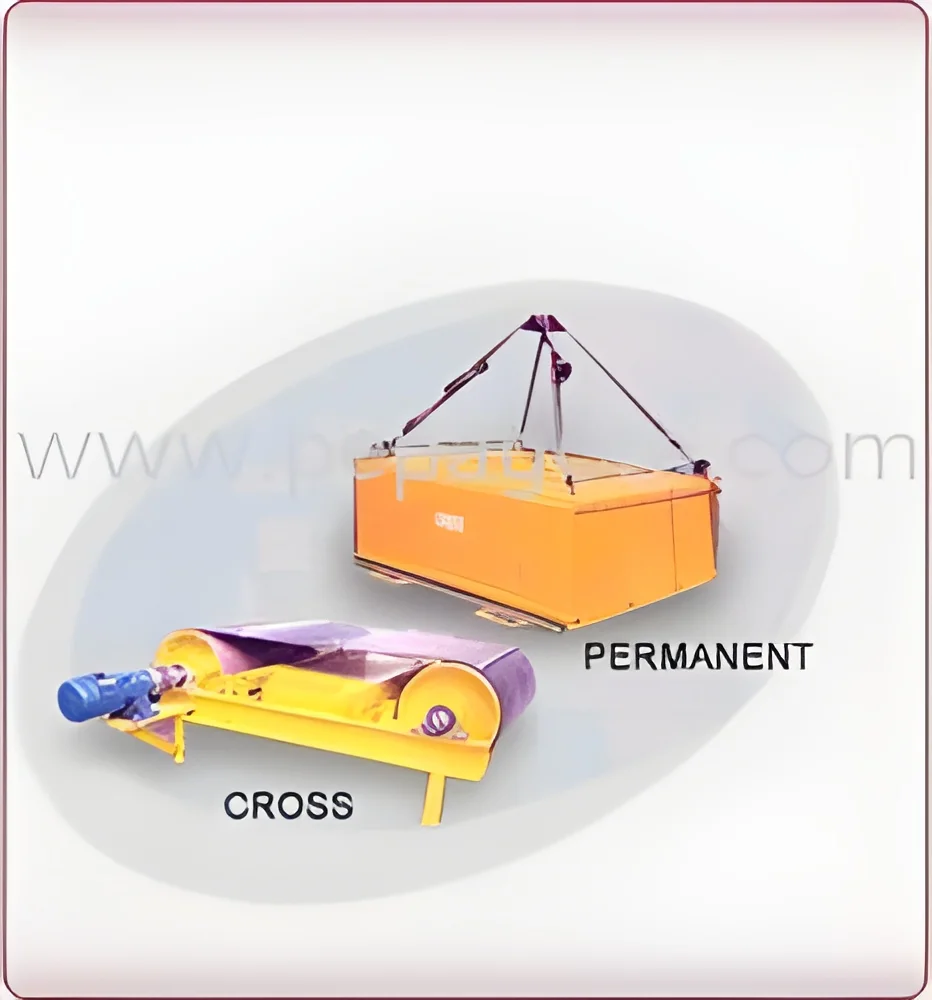
Overband Magnets
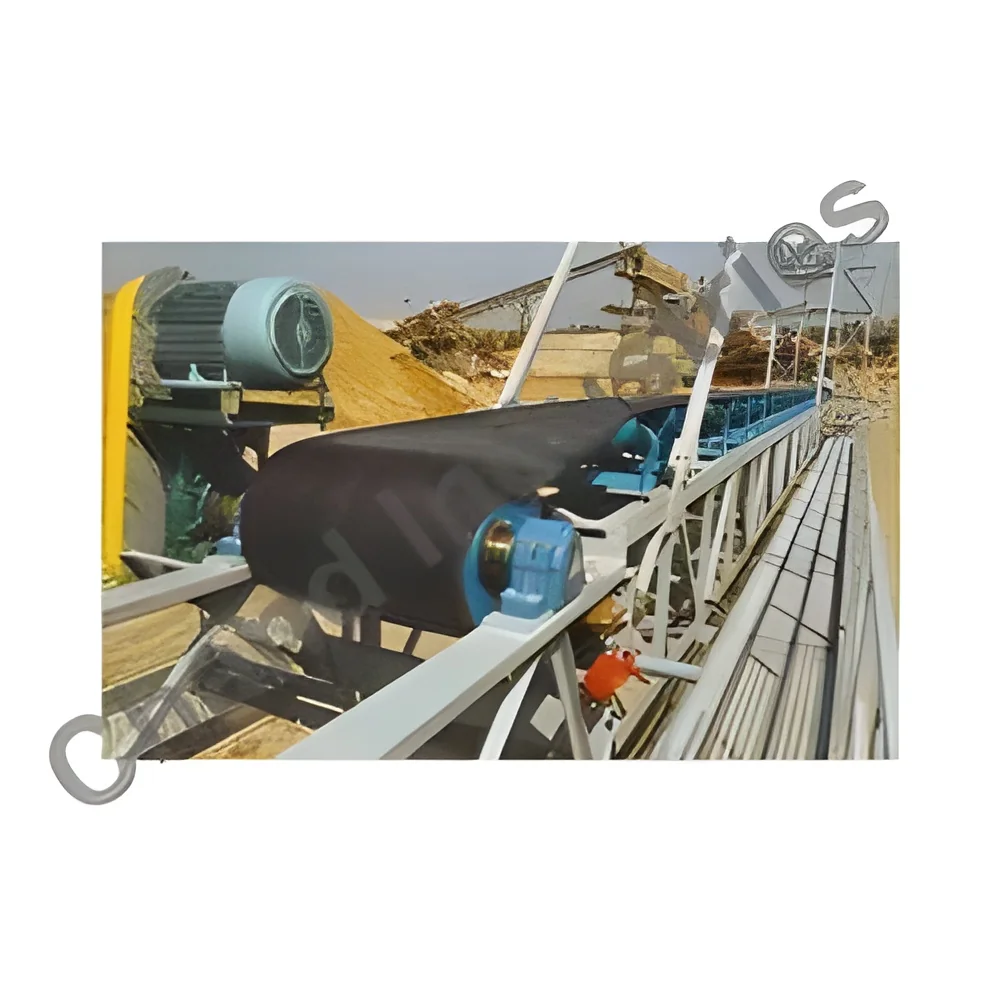
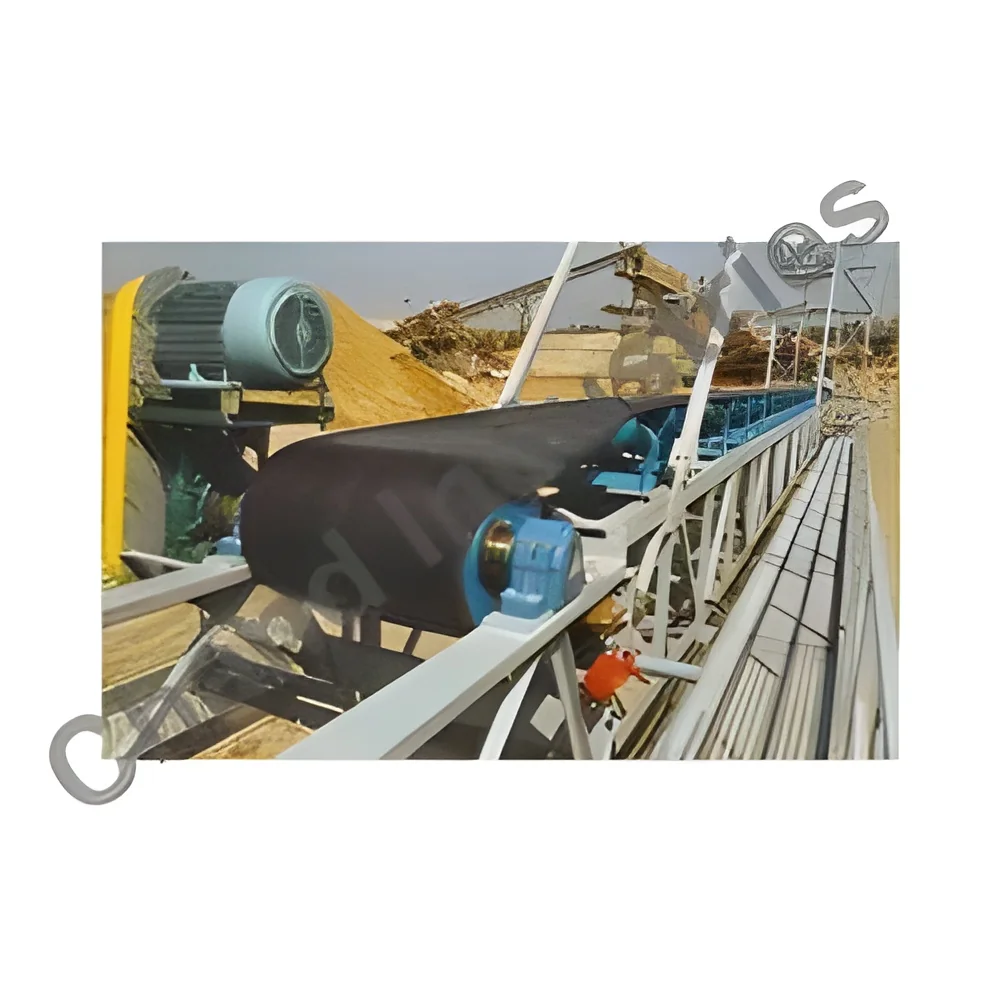
Overband magnets are used in conveyor systems to remove ferrous contaminants from bulk materials. They are effective for industries that handle large volumes of materials, such as construction and waste management.
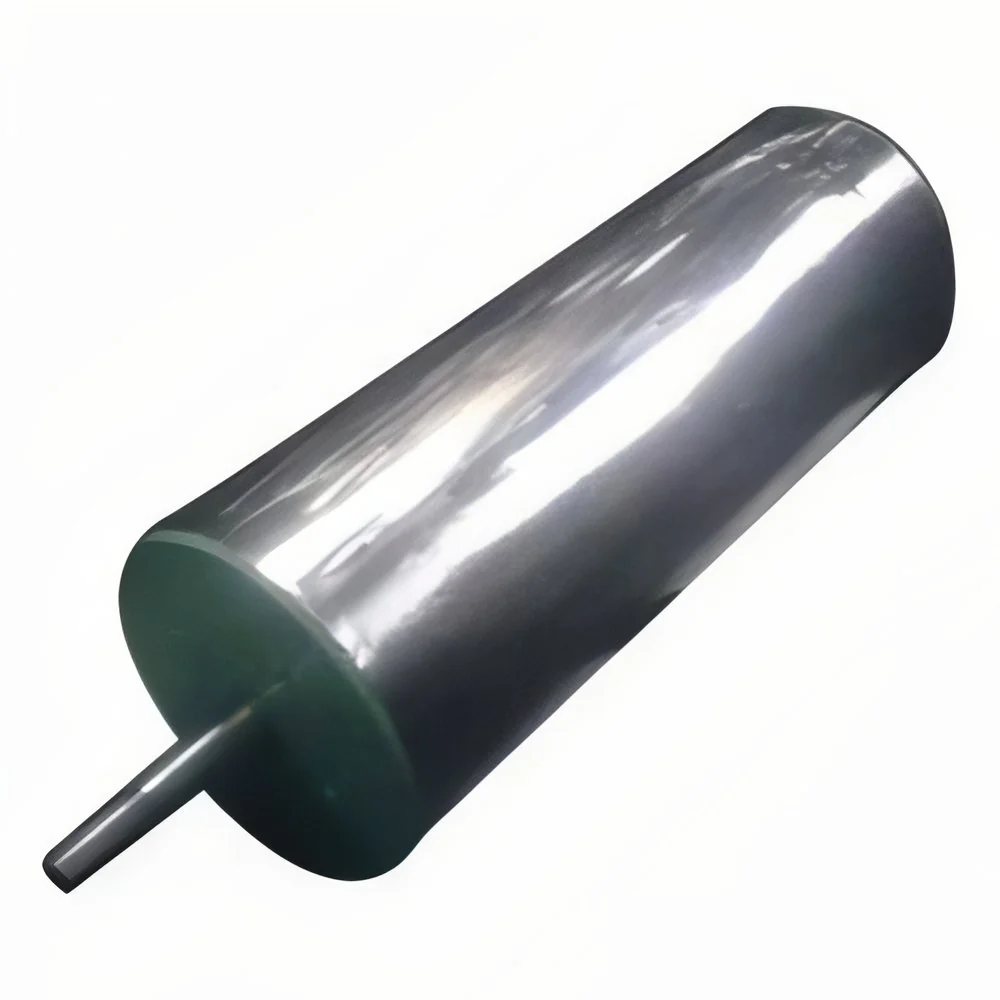
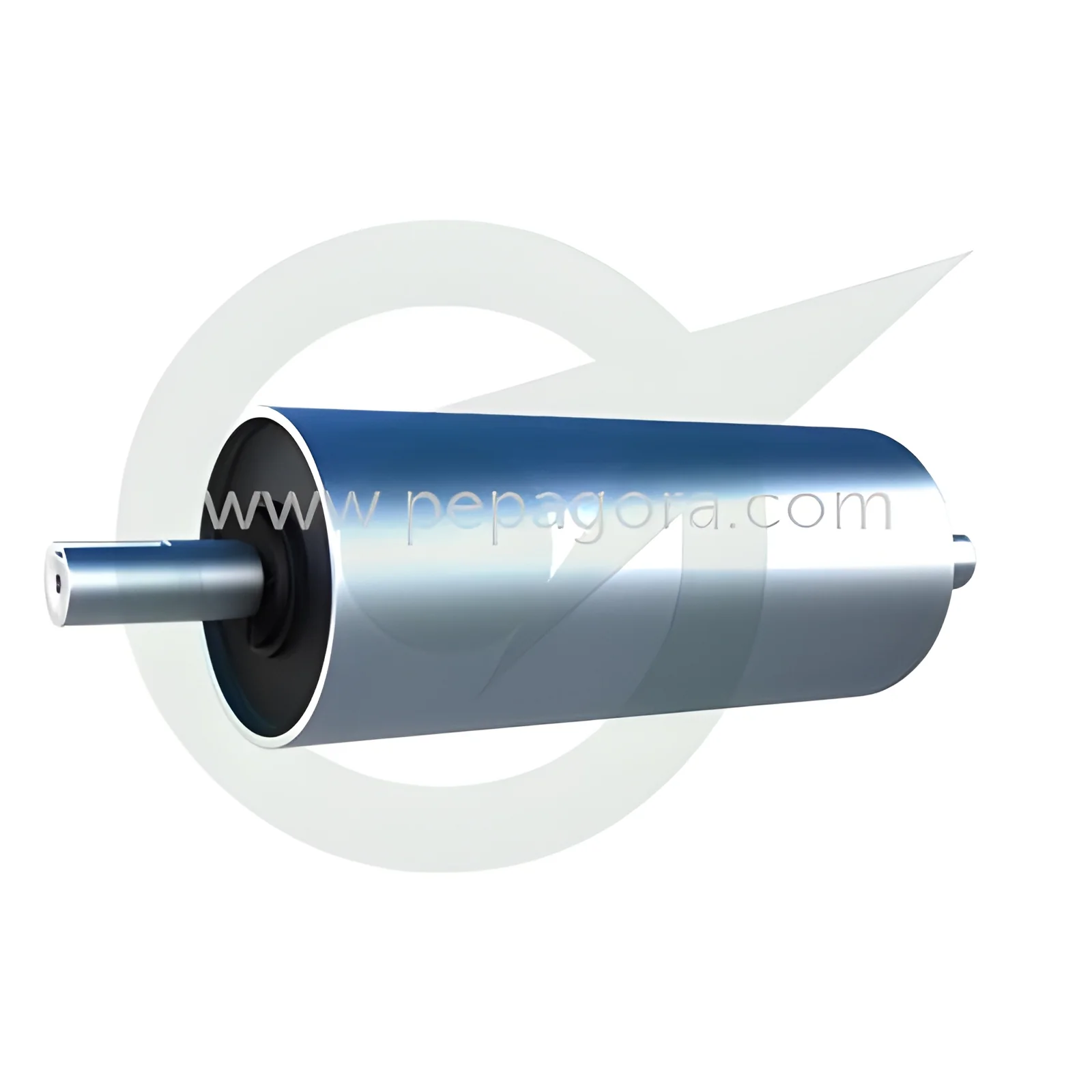
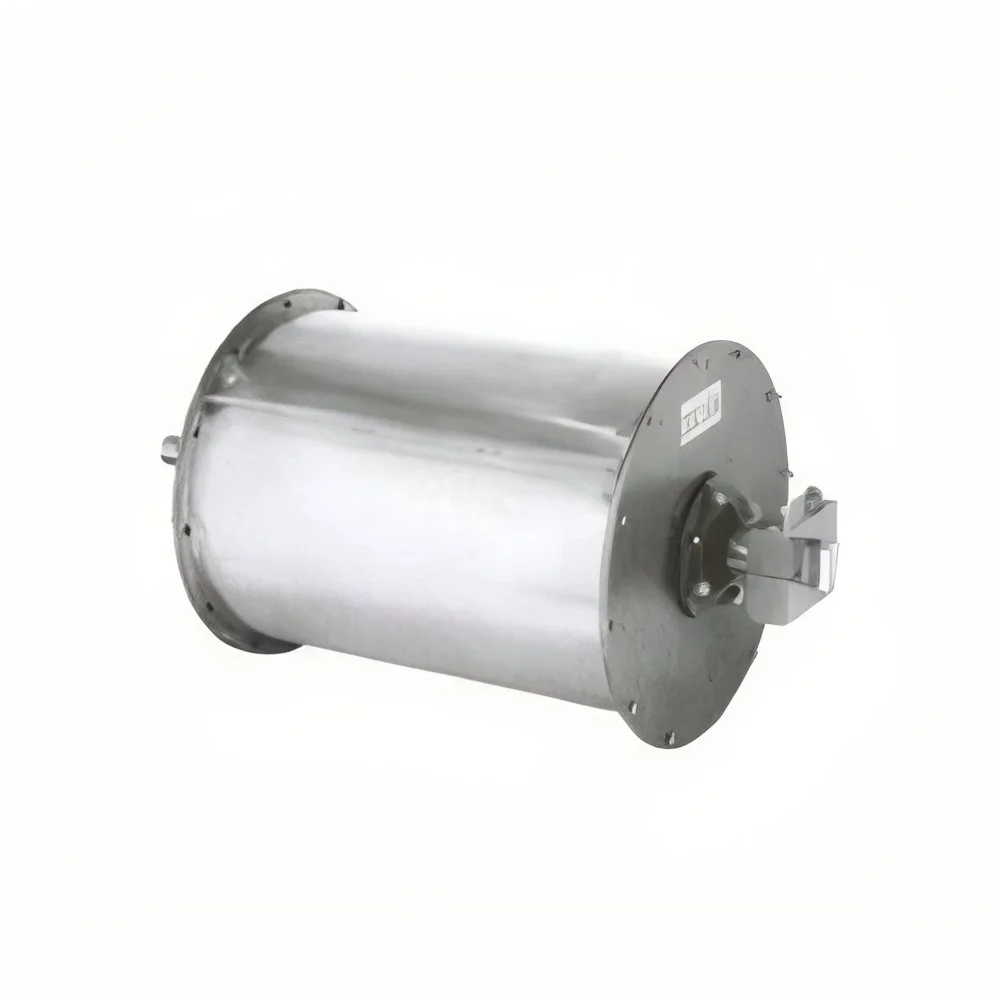
Drum Magnets
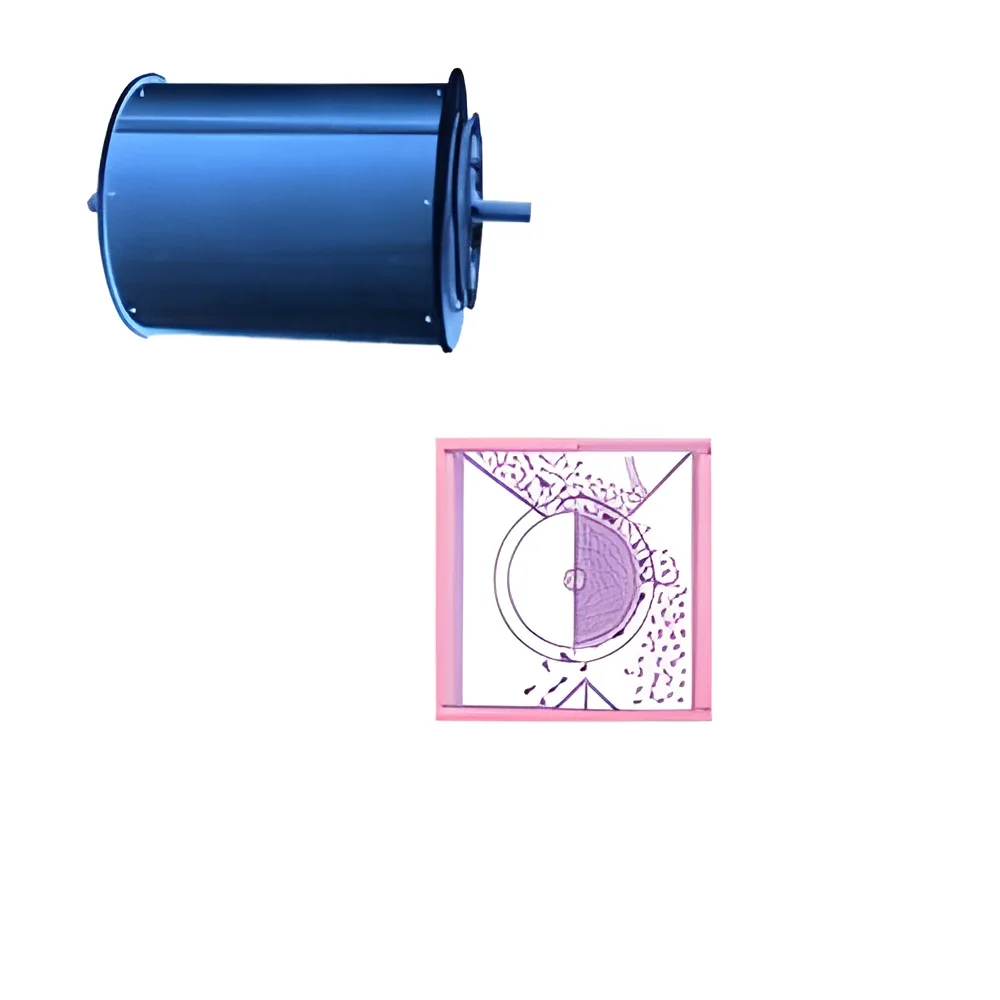
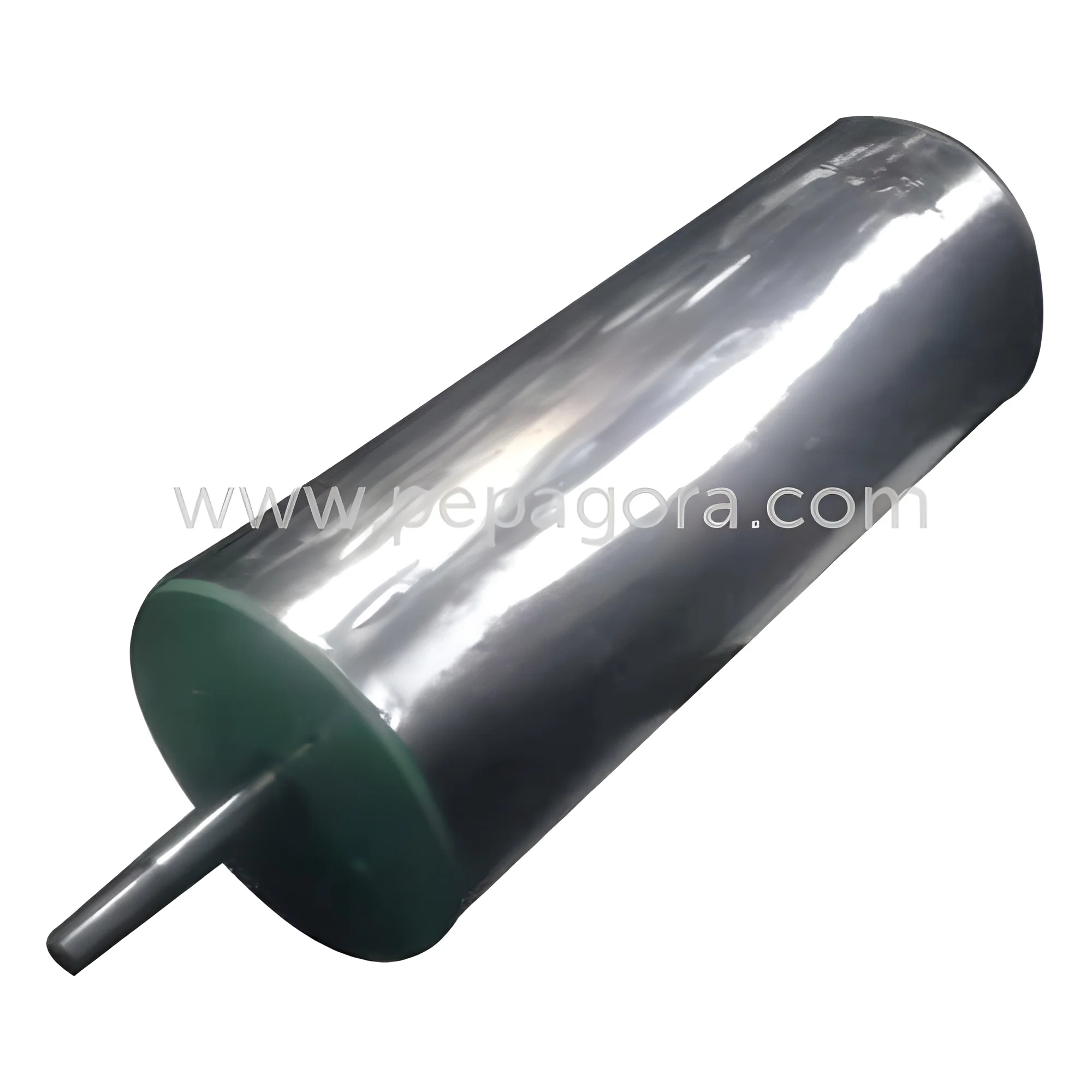
Drum magnets are often integrated into processing lines to continuously separate steel from various materials. They are widely used in recycling and mining applications for their efficiency and reliability.
Benefits and Advantages
Steel separation equipment offers several key benefits that enhance operational efficiency and sustainability.
1. Increased Efficiency: These machines significantly improve the speed and accuracy of steel separation, leading to higher productivity in recycling and manufacturing processes.
2. Cost Savings: By recovering valuable steel from waste, businesses can reduce material costs and enhance profitability through recycling practices.
3. Environmental Compliance: Utilizing steel separation equipment helps companies adhere to environmental regulations, promoting sustainable practices in waste management and recycling.
4. Enhanced Product Quality: By ensuring the purity of materials, these machines help maintain high-quality standards in manufacturing operations.
5. Versatility: Steel separation equipment can be adapted for various materials and industries, making them a flexible solution for different business needs.
6. Reduced Waste: By efficiently separating steel from other materials, these machines help minimize waste sent to landfills, supporting a circular economy.
Buying Guide for B2B Buyers
When sourcing steel separation equipment, it is essential for B2B buyers to consider several critical factors.
1. Quality Assessment: Ensure the equipment meets industry standards and specifications. Look for certifications and verify the manufacturer's reputation for producing durable and efficient machines.
2. Supplier Verification: Vet potential suppliers thoroughly. Check their history, customer reviews, and product performance to ensure reliable partnerships.
3. Pricing and MOQ: Understand the pricing structure and minimum order quantities. Compare quotes from multiple suppliers to find the best value for your budget.
4. Delivery and Lead Times: Assess the logistics involved in the procurement process. Consider delivery times and whether the supplier can meet your operational timelines.
5. Compliance Requirements: Familiarize yourself with relevant regulatory standards and compliance needs. Ensure that the equipment adheres to safety and quality regulations applicable to your industry.
Compliance and Certifications
Steel separation equipment must comply with various industry standards and certifications to ensure safety and quality.
ISO 9001 is a widely recognized quality management standard that ensures manufacturers maintain consistent quality in their processes and products. Compliance with this standard indicates that the equipment is produced under stringent quality control measures.
CE certification is crucial for products sold in the European market. It signifies that the equipment meets EU safety, health, and environmental protection requirements, making it essential for manufacturers targeting this region.
Additionally, safety and testing requirements must be adhered to, ensuring that the equipment operates safely and efficiently. Regular testing and maintenance are necessary to uphold these standards.
Regional compliance considerations may vary based on geographic location. Understanding local regulations and standards is vital for businesses sourcing steel separation equipment globally.
Why Source Steel Separation Equipment from Pepagora?
Pepagora provides a trusted platform for sourcing steel separation equipment, offering several key advantages for B2B buyers.
Verified Supplier Network: Pepagora has established a robust network of verified suppliers, ensuring that buyers can source high-quality equipment from reputable manufacturers. This vetting process helps mitigate risks associated with unreliable suppliers.
Streamlined RFQ Process: The platform offers a simplified Request for Quotation (RFQ) process, allowing buyers to easily request and compare quotes from various suppliers. This efficiency saves time and facilitates better purchasing decisions.
Trade Assurance and Support: Pepagora prioritizes buyer protection through trade assurance measures. This includes support for negotiations and conflict resolution, providing peace of mind for every transaction.
Regional Coverage: With a strong presence in India, the Gulf Cooperation Council (GCC), and Southeast Asia, Pepagora offers extensive regional coverage. This geographic reach ensures that buyers can access steel separation equipment tailored to their specific market needs.
In conclusion, sourcing steel separation equipment through Pepagora allows businesses to benefit from a reliable, efficient, and supportive purchasing experience.

 IN
IN