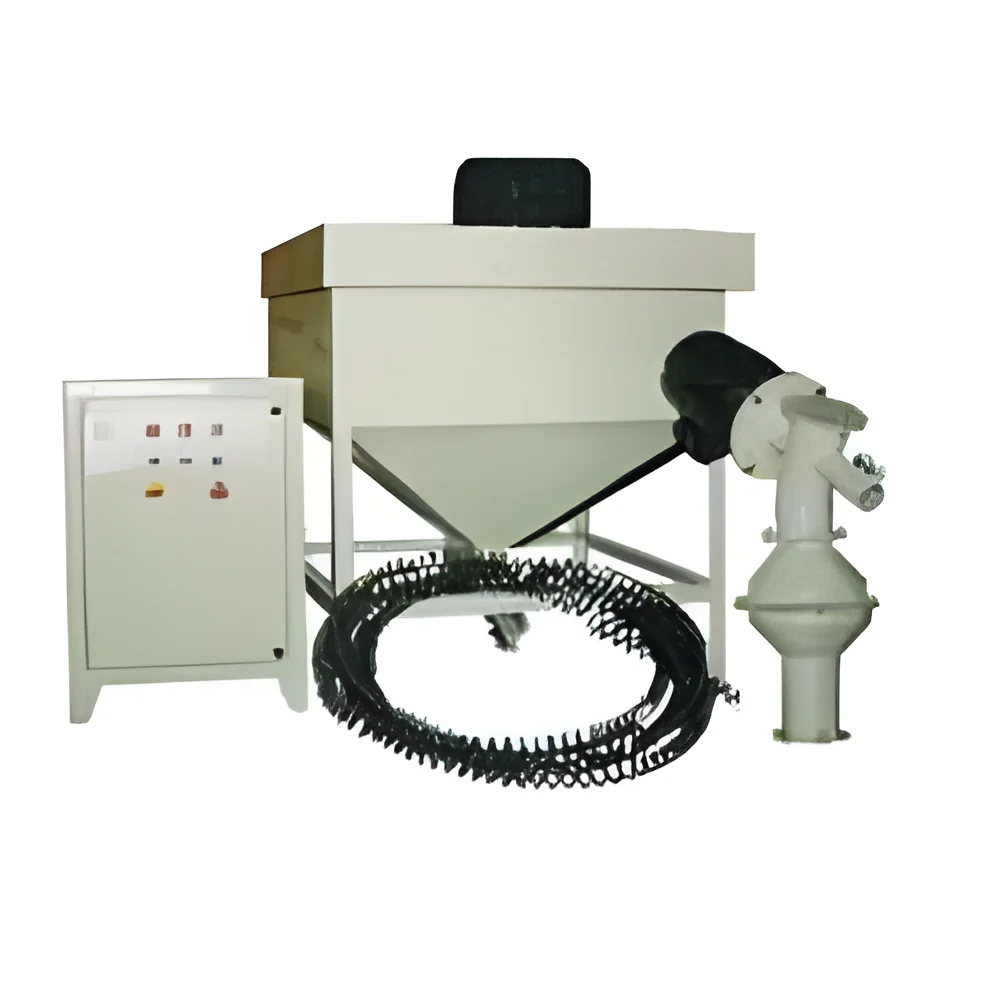
What are Plastic Pelletizing Lines?
Plastic pelletizing lines are industrial systems designed for the conversion of plastic materials into uniform pellets. These lines typically consist of several components including extruders, cooling systems, and cutting equipment. The process begins with the feeding of raw plastic, which is then melted and extruded into strands. These strands are cooled, cut into pellets, and collected for further processing or sale.
Plastic pelletizing lines are crucial in recycling operations, as they allow businesses to transform waste plastic into reusable material. They are also commonly used in the production of new plastic products, enabling manufacturers to ensure consistent quality and size of pellets. The relevance of these lines in the market is underscored by the increasing demand for sustainable practices and the circular economy, as businesses seek to reduce plastic waste and enhance resource efficiency.
Key Features and Specifications
Plastic pelletizing lines are equipped with a variety of features that enhance their performance and efficiency. Understanding these specifications is essential for businesses looking to invest in this equipment.
Key specifications include:
1. Extrusion Capacity
- Determines the volume of material processed per hour.
- Ranges typically from 100 kg/h to several tons per hour.
2. Pellet Size
- Refers to the diameter of the pellets produced.
- Common sizes range from 2 mm to 20 mm, depending on application.
3. Temperature Control
- Essential for maintaining optimal processing conditions.
- Can handle temperature ranges from ambient to over 250 degrees Celsius.
4. Cooling Method
- Indicates how the extruded strands are cooled.
- Options include water baths, air coolers, or combined methods.
5. Cutting Mechanism
- Defines how the strands are cut into pellets.
- Can be blade-based or using granulators for precision.
6. Automation Level
- Describes the extent of automated operations.
- Can range from fully manual to fully automated systems.
7. Material Compatibility
- Indicates the types of plastics that can be processed.
- Typically suitable for polyethylene, polypropylene, PET, and more.
8. Energy Efficiency
- Refers to the energy consumption during operation.
- High-efficiency models can significantly reduce operational costs.
In summary, selecting the right plastic pelletizing line involves considering these key specifications to match the operational needs of the business.
Common Applications and Use Cases
Plastic pelletizing lines serve multiple industries by facilitating the recycling and production of plastic materials.
1. Recycling Industry: These lines are pivotal in recycling plants where post-consumer plastic waste is processed into reusable pellets for manufacturing new products.
2. Automotive Industry: Used for producing plastic components and parts, ensuring high-quality materials for vehicle assembly.
3. Packaging Industry: These lines help in creating plastic films and containers, contributing to the production of eco-friendly packaging solutions.
4. Construction Industry: Often utilized to manufacture durable plastic materials for construction applications, such as piping and insulation.
5. Consumer Goods: Used in producing plastic products ranging from household items to toys, ensuring consistency in product quality.
6. Electronics: Essential for creating high-performance plastic components used in various electronic devices.
7. Medical Devices: These lines support the production of medical-grade plastics that require stringent quality control and precision.
Product Variants and Subcategories
Plastic pelletizing lines come in various forms to cater to specific processing needs.
Standard Pelletizing Line: This variant is designed for general plastic processing, offering flexibility in material types and production volumes. It is suitable for both recycling and manufacturing applications.
High-Throughput Pelletizing Line: Specifically engineered for high-volume production, this variant can handle larger quantities of plastic materials, making it ideal for large-scale operations.
Compact Pelletizing Line: This variant is designed for smaller facilities or businesses with limited space. It provides efficient processing capabilities while occupying minimal floor space.
Benefits and Advantages
Investing in plastic pelletizing lines comes with several notable advantages.
1. Enhanced Material Recovery: These lines significantly improve the recovery of plastic materials, reducing waste and promoting sustainability.
2. Cost Efficiency: By recycling plastics into pellets, companies can lower material costs and enhance profitability through resource reuse.
3. Consistent Quality: The controlled processing conditions ensure that the pellets produced meet specific quality standards, leading to better final products.
4. Versatile Applications: These lines can process a wide range of plastic types, making them suitable for various industries.
5. Reduced Environmental Impact: By facilitating recycling, these lines contribute to lower environmental footprints and support sustainable business practices.
6. Increased Production Flexibility: Advanced models can easily adapt to different materials and production requirements, providing operational agility.
Buying Guide for B2B Buyers
When sourcing plastic pelletizing lines, certain factors should be taken into account to ensure the right choice.
1. Quality Assessment: Evaluate the build quality, reliability, and performance of the equipment. Look for manufacturers that adhere to industry standards.
2. Supplier Verification: Research potential suppliers to ensure they have a proven track record of delivering high-quality equipment and services.
3. Pricing and MOQ: Understand the pricing structures and minimum order quantities (MOQ) offered by suppliers to find a solution that fits your budget.
4. Delivery and Lead Times: Consider logistics and the lead times for delivery to ensure that the equipment arrives on schedule for your operational needs.
5. Compliance Requirements: Verify that the equipment meets relevant regulatory and safety standards to ensure safe and efficient operation.
Compliance and Certifications
Plastic pelletizing lines must meet various compliance and certification standards to ensure quality and safety.
ISO 9001 is a key quality management standard that ensures manufacturers maintain high-quality processes throughout production. Companies should seek suppliers who are certified to this standard.
CE certification indicates that a product meets European health, safety, and environmental protection standards. This certification can be crucial for businesses exporting to European markets.
Safety and testing requirements must be adhered to during the design and manufacturing processes to ensure that the equipment operates safely and efficiently.
Additionally, regional compliance considerations may vary based on local regulations. It is essential to consult with suppliers about specific compliance requirements that apply to your location or industry.
Why Source Plastic Pelletizing Lines from Pepagora?
Pepagora serves as a trusted platform for sourcing plastic pelletizing lines, providing several key advantages to buyers.
Verified Supplier Network: Pepagora connects buyers with a network of verified suppliers, ensuring that you access quality products from reputable manufacturers. This reduces the risk associated with sourcing equipment.
Streamlined RFQ Process: The request for quotation (RFQ) system simplifies the procurement process. Buyers can easily submit their requirements and receive tailored quotations from multiple suppliers.
Trade Assurance and Support: Buyers benefit from trade assurance measures that protect their purchases. Pepagora offers support throughout the buying process, ensuring a smooth experience.
Regional Coverage: With a strong presence in India, the GCC, and Southeast Asia, Pepagora covers a wide geographic area, making it easier for businesses in these regions to find suitable pelletizing lines.
In conclusion, sourcing plastic pelletizing lines through Pepagora not only ensures quality and reliability but also enhances the overall purchasing experience for B2B buyers.

 IN
IN