What are Aluminum Can Recycling Units?
Aluminum Can Recycling Units are specialized machines designed to efficiently process used aluminum cans. These units compress the cans into compact bales, making storage and transportation easier and more economical. They help in reducing the volume of waste and promote recycling by converting discarded cans into valuable raw materials for manufacturing. This process not only conserves energy but also minimizes environmental impact, contributing to a more sustainable future.
The primary uses of Aluminum Can Recycling Units are found in industries such as waste management, recycling centers, and beverage manufacturing. Businesses use these units to streamline their recycling processes, improve operational efficiency, and comply with environmental regulations. As more companies are adopting sustainable practices, the demand for these units continues to grow, reflecting a shift towards a circular economy where materials are reused and recycled.
In the current market context, Aluminum Can Recycling Units are increasingly relevant due to rising awareness about environmental issues and the need for effective waste management solutions. As aluminum is one of the most recyclable materials, investing in these units can lead to significant cost savings and a positive corporate image. The rising trend of corporate sustainability is driving the growth of this market, making it an essential consideration for businesses looking to enhance their recycling efforts.
Key Features and Specifications
Aluminum Can Recycling Units come with various features and specifications that enhance their functionality and efficiency. These specifications vary between models but generally include design elements that cater to the unique needs of businesses engaged in recycling operations.
Key specifications include:
1. Processing Capacity
- Typically ranges from 1,000 to 5,000 cans per hour
- Capacity impacts the unit's efficiency and throughput
2. Bale Size
- Standard bale sizes are usually 36 x 24 x 30 inches
- Size affects storage options and transportation logistics
3. Power Requirements
- Common voltage ratings range from 220V to 480V
- Power efficiency contributes to lower operational costs
4. Weight
- Units often weigh between 800 to 2,500 pounds
- Weight considerations affect installation and mobility
5. Material Construction
- Made from durable steel or aluminum
- Ensures longevity and resistance to wear and tear
6. Safety Features
- Equipped with emergency stop buttons and safety guards
- Essential for operator safety during operation
7. Automation Level
- Options for manual, semi-automatic, or fully automatic operation
- Automation enhances productivity and reduces labor costs
8. Maintenance Requirements
- Generally low maintenance with routine checks needed
- Regular maintenance ensures optimal performance and longevity
In summary, understanding the key features and specifications of Aluminum Can Recycling Units is essential for making informed purchasing decisions. These units are designed to meet the diverse needs of businesses engaged in recycling, ensuring efficiency and sustainability.
Common Applications and Use Cases
Aluminum Can Recycling Units find applications across various industries, highlighting their versatility and importance in promoting recycling efforts.
1. Waste Management: In waste management facilities, these units are employed to process large volumes of aluminum cans collected from households and businesses, improving recycling rates and reducing landfill waste.
2. Beverage Manufacturing: Beverage companies utilize these units to recycle their own cans, ensuring that they can repurpose materials while maintaining a sustainable production cycle.
3. Recycling Centers: Independent recycling centers rely on Aluminum Can Recycling Units to efficiently handle incoming aluminum waste, allowing them to serve both industrial clients and the general public.
4. Retail Operations: Retailers, particularly those selling beverages, can implement these units to encourage customers to recycle, creating a positive community impact and promoting environmental responsibility.
5. Educational Institutions: Schools and universities may use these units to implement recycling programs, educating students about sustainability while managing aluminum waste effectively.
6. Municipalities: Local governments can deploy these units in public spaces to enhance community recycling initiatives and ensure proper waste disposal.
7. Non-Profit Organizations: Organizations focused on environmental conservation can use these units to support fundraising efforts by collecting and recycling aluminum cans, furthering their mission.
Product Variants and Subcategories
Aluminum Can Recycling Units come in various designs and configurations to cater to different operational requirements.
Vertical Aluminum Can Balers
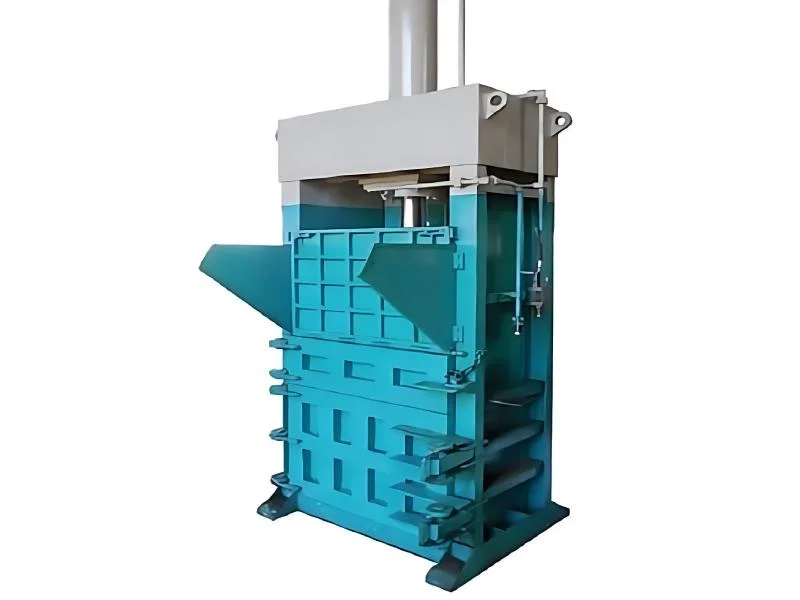
These units are designed for compact spaces and provide efficient baling of aluminum cans. They are ideal for smaller recycling operations and can handle a significant volume of materials.
Horizontal Aluminum Can Balers
Horizontal balers are suited for larger operations, offering higher throughput and the ability to create larger bales. They are commonly used in industrial settings where space is less of a constraint.
Mobile Aluminum Can Recycling Units
These portable units allow for easy relocation and on-site recycling. They are particularly useful for events or locations where space and power access may vary.
Automatic Aluminum Can Recycling Units
These units feature automated processes that minimize manual labor. They can operate continuously and are ideal for high-volume recycling facilities.
Benefits and Advantages
Investing in Aluminum Can Recycling Units brings several key benefits to businesses and the environment.
1. Improved Efficiency: These units streamline the recycling process, allowing businesses to handle larger volumes of cans in less time.
2. Cost Savings: By reducing waste disposal costs and generating revenue from recycled materials, businesses can save money in the long run.
3. Environmental Impact: Recycling aluminum significantly lowers energy consumption and greenhouse gas emissions, contributing to a healthier planet.
4. Enhanced Corporate Image: Businesses that prioritize sustainability can improve their brand reputation and attract environmentally conscious customers.
5. Regulatory Compliance: Using these units helps companies comply with local and international waste management regulations, avoiding potential fines.
6. Increased Material Recovery: Higher recovery rates of aluminum cans lead to more recycled materials entering the supply chain, supporting a circular economy.
Buying Guide for B2B Buyers
When sourcing Aluminum Can Recycling Units, several factors should be considered to ensure a successful purchase.
1. Quality Assessment: Evaluate the build quality and durability of the units. Look for machines built with robust materials to withstand heavy usage.
2. Supplier Verification: Conduct thorough research to confirm the credibility and reputation of suppliers. Consider their experience in the industry and customer reviews.
3. Pricing and MOQ: Understand the price range for these units and the minimum order quantity required by suppliers to avoid unexpected costs.
4. Delivery and Lead Times: Discuss logistics and delivery timelines with suppliers to ensure that the units can be delivered when needed without delays.
5. Compliance Requirements: Verify that the units meet relevant safety and environmental standards, ensuring they are compliant with local regulations.
Compliance and Certifications
Aluminum Can Recycling Units are subject to various compliance and certification standards that ensure quality and safety.
ISO 9001 certification is often sought after by manufacturers, indicating that the production processes meet international quality management standards. This certification reassures buyers about the reliability and quality of the equipment.
CE certification is crucial for products sold in the European market, ensuring that the units meet safety, health, and environmental protection requirements. This compliance is vital for businesses operating in or exporting to European countries.
Additionally, safety testing requirements are essential to confirm that the units operate safely and effectively. Regular testing should be conducted to minimize risks to operators and ensure compliance with safety standards.
Regional compliance considerations may vary by location. Buyers should be aware of local regulations regarding recycling equipment and ensure that their chosen units adhere to these standards.
Why Source Aluminum Can Recycling Units from Pepagora?
Pepagora provides a trusted platform for sourcing Aluminum Can Recycling Units, offering several key advantages that make the purchasing process seamless.
Verified Supplier Network: The platform features a network of verified suppliers, ensuring that buyers can find reputable manufacturers with a track record of quality and reliability. This network minimizes the risks associated with sourcing equipment.
Streamlined RFQ Process: Pepagora offers a user-friendly Request for Quotation (RFQ) process that simplifies obtaining pricing and product information. Buyers can quickly compare options and make informed decisions.
Trade Assurance and Support: With trade assurance features, Pepagora protects buyers throughout the purchasing process. This support helps ensure that transactions are secure and that buyers receive the equipment as promised.
Regional Coverage: Pepagora's reach extends across India, the GCC, and Southeast Asia, making it easy for businesses in these regions to access Aluminum Can Recycling Units tailored to their specific needs. This broad geographic coverage facilitates efficient sourcing and logistics.

 IN
IN