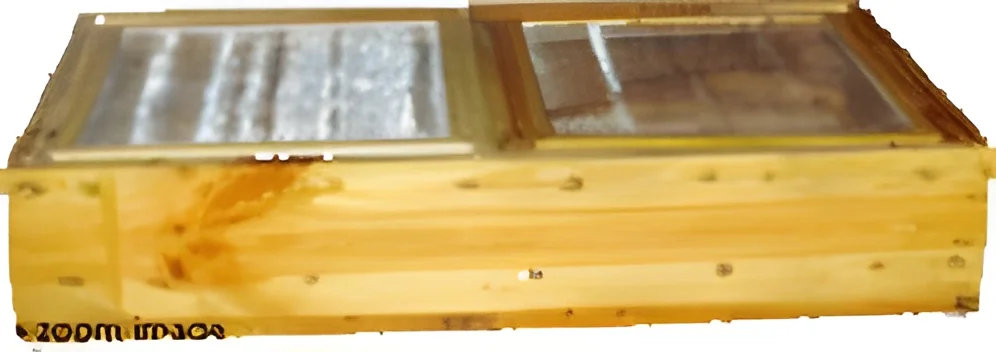
What are Vermicomposting Units?
Vermicomposting units are specialized systems designed for the efficient processing of organic waste through the use of earthworms. These units facilitate the breakdown of organic matter, converting it into nutrient-rich compost that can be used to enhance soil quality. The process involves the natural biological activity of worms, which consume the organic waste and excrete it in a form that is more accessible for plant uptake.
These units have gained significant traction in various sectors, including agriculture, landscaping, and waste management. Businesses utilize vermicomposting units to manage organic waste sustainably while also producing valuable compost. This compost can improve crop yields, reduce the need for chemical fertilizers, and contribute to a circular economy by returning nutrients to the soil. As environmental concerns continue to rise, the demand for efficient waste management solutions like vermicomposting units is expected to grow, making them a relevant tool in the modern industrial landscape.
Key Features and Specifications
Vermicomposting units come with a range of features that enhance their functionality and effectiveness. The following specifications outline what potential buyers should consider when evaluating these units.
Key specifications include:
1. Capacity
- Varies based on the model
- Generally ranges from small units (a few hundred kilograms) to large-scale systems (several tons)
2. Material
- Constructed from durable, weather-resistant materials
- Common materials include high-density polyethylene (HDPE) and stainless steel
3. Design
- Modular designs for scalability
- Features such as drainage systems to manage excess moisture
4. Aeration
- Built-in aeration systems to ensure optimal oxygen levels
- Promotes worm health and composting efficiency
5. Worm Species
- Typically includes species like Eisenia fetida (red wigglers)
- Selected for their high efficiency in waste processing
6. Maintenance Requirements
- Low maintenance, with simple cleaning protocols
- Regular monitoring of moisture and temperature levels recommended
7. Compliance and Certification
- Units may carry certifications such as CE for quality assurance
- Ensures adherence to safety and environmental standards
8. Customization Options
- Potential for tailored designs based on specific waste types
- Optional accessories for monitoring and control available
In summary, buyers should look for units that not only meet the technical specifications but also align with their specific waste processing needs.
Common Applications and Use Cases
Vermicomposting units are versatile and find applications across various industries.
1. Agriculture: Farmers utilize vermicomposting units to convert crop residues and livestock waste into high-quality compost, enhancing soil fertility and crop productivity.
2. Landscaping: Landscaping companies use these units to process green waste from garden clippings and other organic materials, producing compost to enrich soil for landscaping projects.
3. Food Processing: Businesses in the food industry use vermicomposting to manage organic waste, reducing landfill contributions while creating valuable compost for use in community gardens or landscaping.
4. Municipal Waste Management: Local governments implement vermicomposting units to process organic waste from residential areas, promoting sustainable waste management practices.
5. Education and Research: Educational institutions use these units for teaching purposes, demonstrating sustainable practices and the science of composting to students.
6. Eco-Friendly Businesses: Companies focused on sustainability incorporate vermicomposting into their operations to minimize waste and promote environmental responsibility.
7. Community Gardens: Urban community gardens adopt vermicomposting units to handle kitchen scraps and garden waste, fostering local food production and sustainability initiatives.
Product Variants and Subcategories
Vermicomposting units come in various forms to cater to different needs and applications.
Small-Scale Units: These compact systems are ideal for households or small businesses. They efficiently process kitchen scraps and garden waste, producing compost for personal use or small-scale gardening.
Commercial Units: Designed for larger operations, these units can handle significant volumes of organic waste. They often feature advanced aeration and monitoring systems for optimal composting conditions.
Mobile Units: These portable systems are perfect for seasonal events or temporary setups. They allow businesses to manage organic waste on-site, reducing transportation requirements and increasing efficiency.
Modular Systems: These units can be expanded as waste generation increases. They provide flexibility for growing businesses or organizations looking to scale their composting efforts.
Benefits and Advantages
Investing in vermicomposting units offers numerous benefits for businesses seeking sustainable waste management solutions.
1. Environmental Impact: These units significantly reduce organic waste sent to landfills, promoting sustainability and reducing greenhouse gas emissions.
2. Soil Enrichment: The nutrient-rich compost produced enhances soil health, improving plant growth and reducing the need for chemical fertilizers.
3. Cost Savings: By converting waste into compost, businesses can lower disposal costs and create a valuable resource for their operations.
4. Sustainable Practices: Implementing vermicomposting aligns with corporate sustainability goals, demonstrating a commitment to eco-friendly practices.
5. Community Engagement: Businesses can engage with local communities by providing compost for community gardens or educational initiatives, enhancing their corporate social responsibility profile.
6. Compliance with Regulations: Utilizing vermicomposting units can help businesses meet environmental regulations regarding waste management and sustainability.
Buying Guide for B2B Buyers
When sourcing vermicomposting units, there are several key factors to consider to ensure a successful purchase.
1. Quality Assessment: Evaluate units based on material durability, design efficiency, and user reviews. Look for products that meet industry standards and have a proven track record.
2. Supplier Verification: Vet potential suppliers by checking their reputation, certifications, and customer feedback. Reliable suppliers should provide transparent information about their products and services.
3. Pricing and MOQ: Understand the pricing structure and any minimum order quantities (MOQ) that may apply. Compare different suppliers to find competitive pricing while ensuring quality.
4. Delivery and Lead Times: Inquire about logistics to determine estimated delivery times. Ensure that suppliers can meet your timeline and have a solid shipping process in place.
5. Compliance Requirements: Verify that the units adhere to any local or regional regulations, including environmental and safety standards. This will ensure that your investment is compliant and minimizes future risks.
Compliance and Certifications
Vermicomposting units often come with various quality certifications that ensure safety and effectiveness. These may include ISO 9001, which focuses on quality management systems, and CE certification, indicating compliance with European safety standards.
Additionally, units may be assessed against safety requirements specific to the region of use. Compliance with Good Distribution Practice (GDP) may also be relevant, especially for units used in food processing or agricultural contexts.
Manufacturers should provide documentation for all relevant certifications, ensuring that buyers can trust the quality and safety of their vermicomposting units. Regional compliance considerations are also crucial, as different areas may have specific regulations regarding waste processing and environmental impact.
Why Source Vermicomposting Units from Pepagora?
Pepagora offers a comprehensive platform for sourcing vermicomposting units, providing several key advantages for B2B buyers.
Verified Supplier Network: Pepagora maintains a network of verified suppliers, ensuring that buyers can access high-quality products from trusted manufacturers. The verification process includes checking supplier credentials and product quality.
Streamlined RFQ Process: The platform features a user-friendly request for quotation (RFQ) system, allowing buyers to easily request quotes from multiple suppliers. This simplifies the purchasing process and enables competitive pricing.
Trade Assurance and Support: Pepagora provides trade assurance, protecting buyers throughout the procurement process. Support services are available to assist with any queries or challenges that may arise.
Regional Coverage: With a strong presence in India, the Gulf Cooperation Council (GCC), and Southeast Asia, Pepagora connects buyers with suppliers across these regions. This extensive network enhances accessibility and supports local sourcing efforts for vermicomposting units.

 IN
IN