What are Paper Baling Machines?
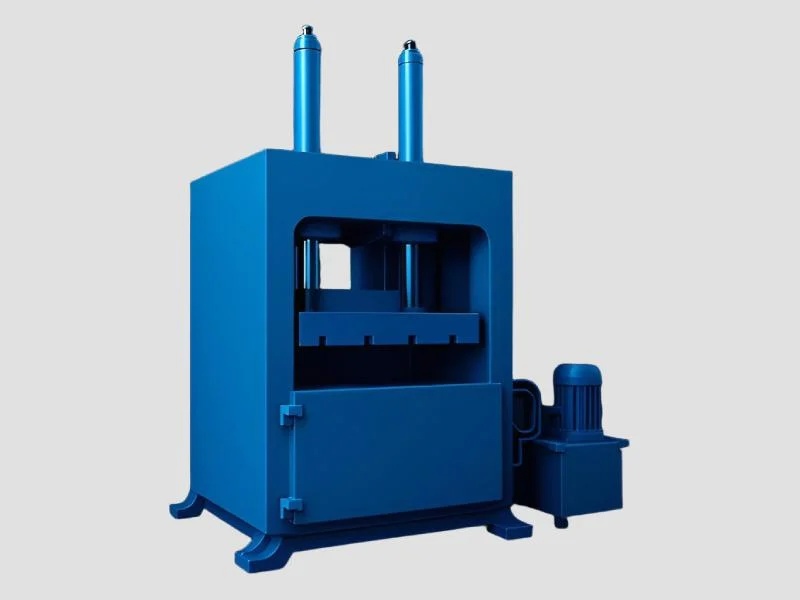
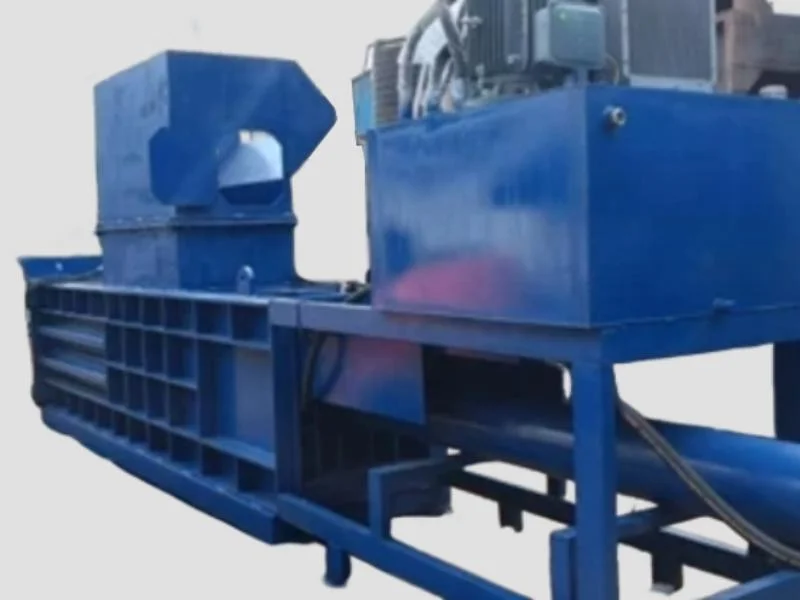
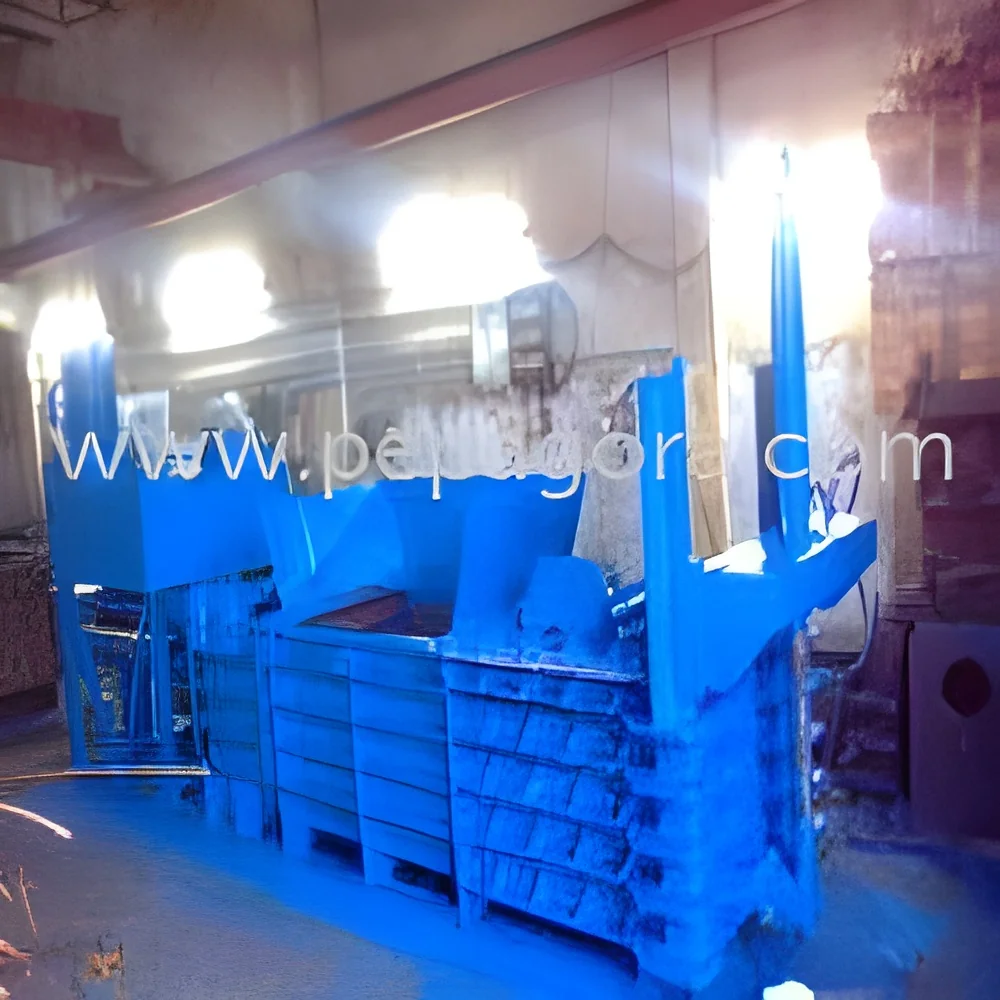
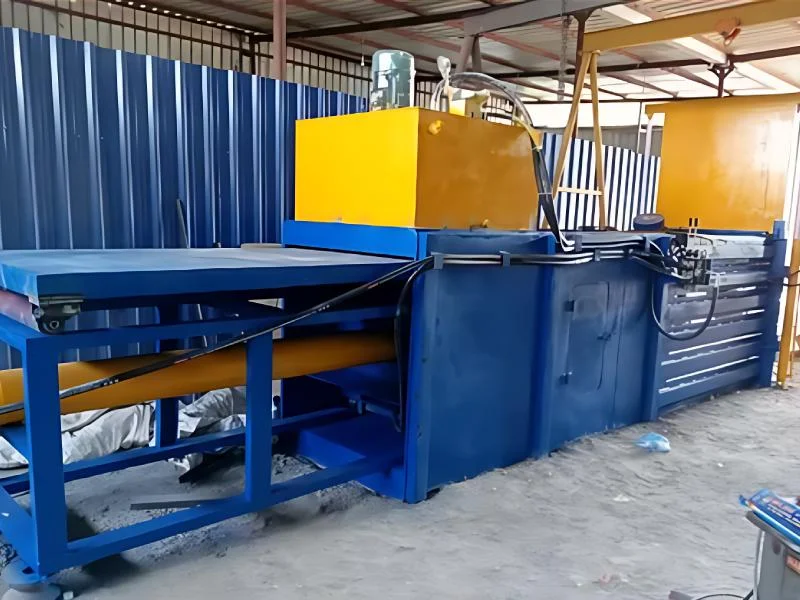
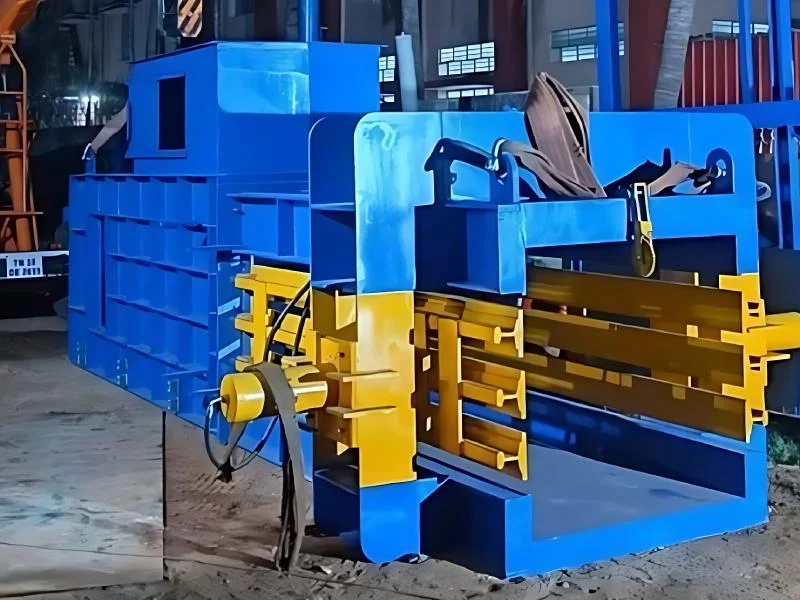
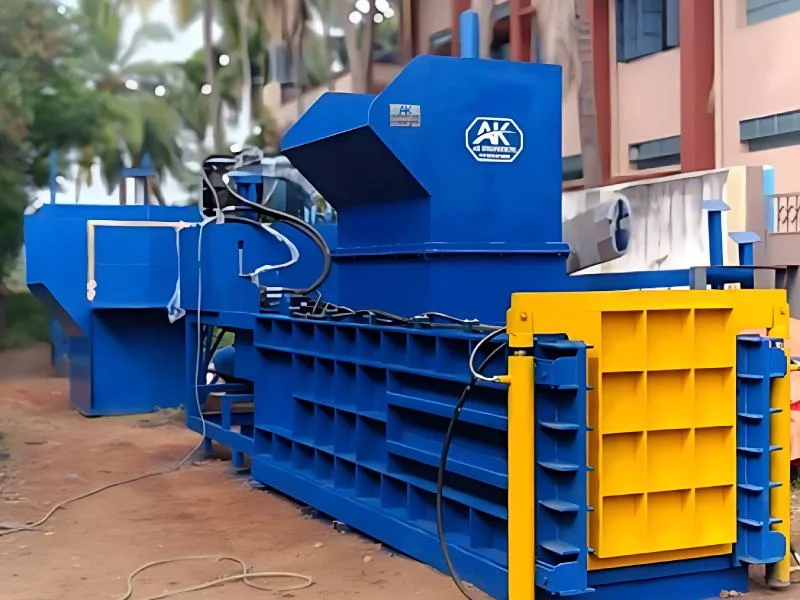
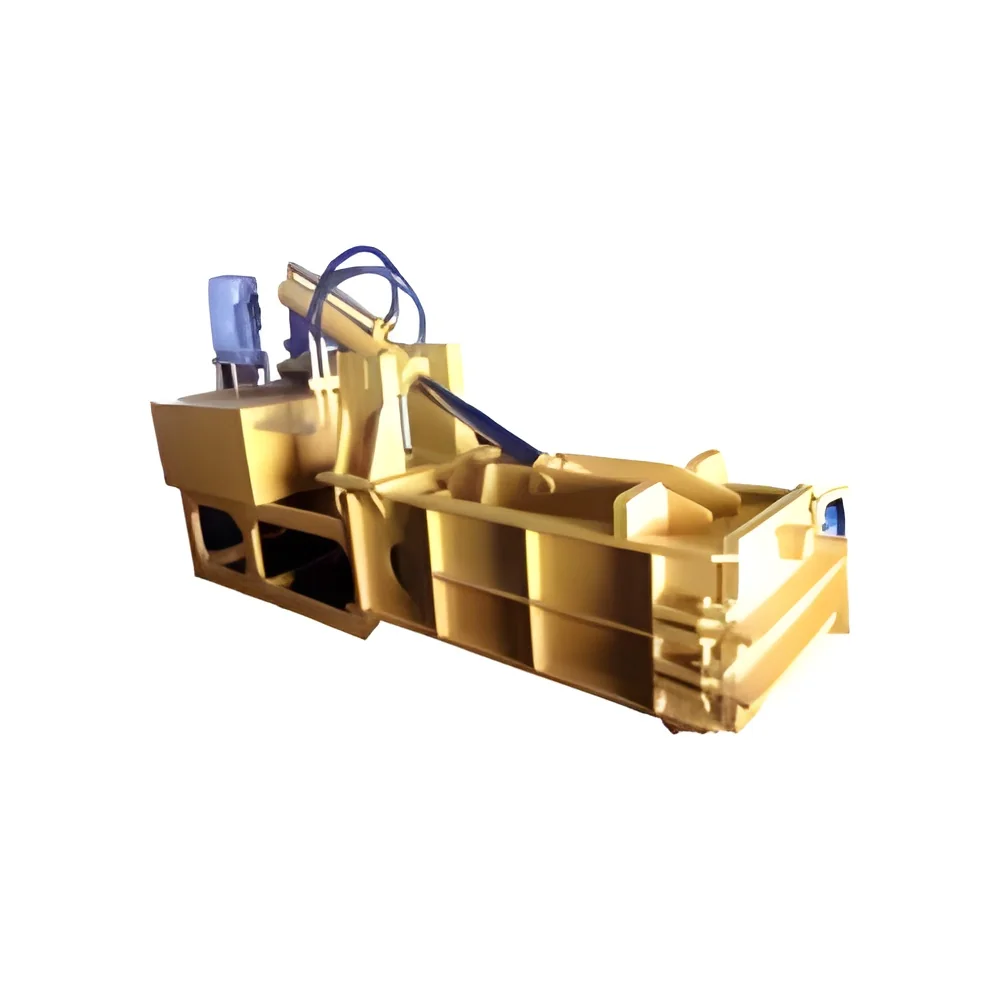
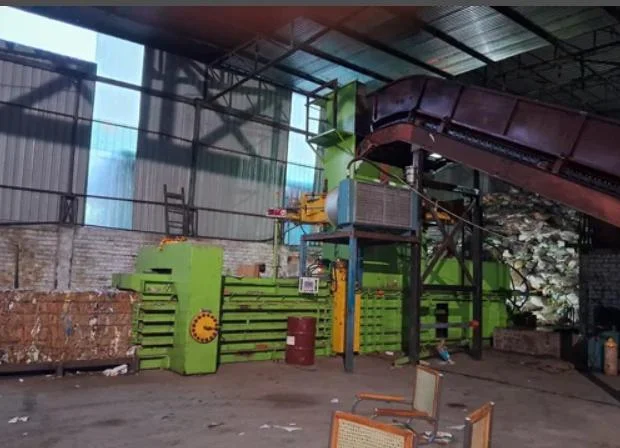
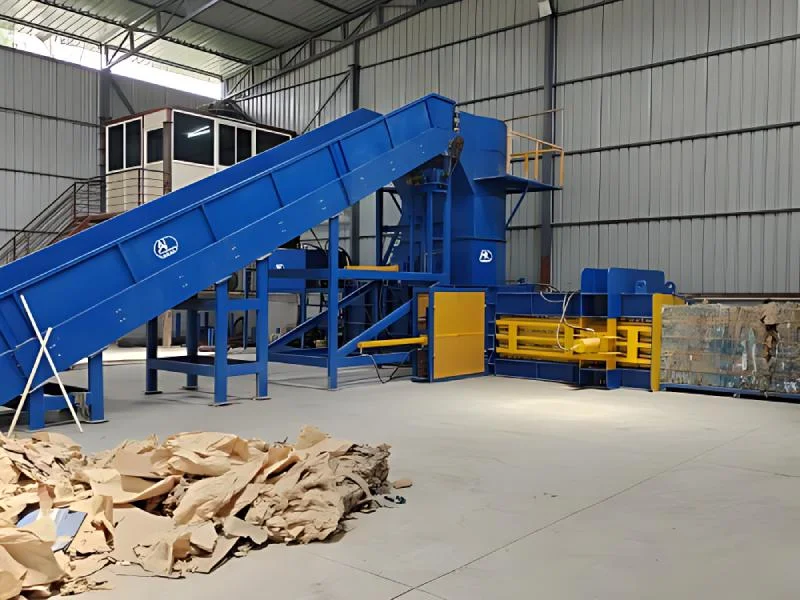
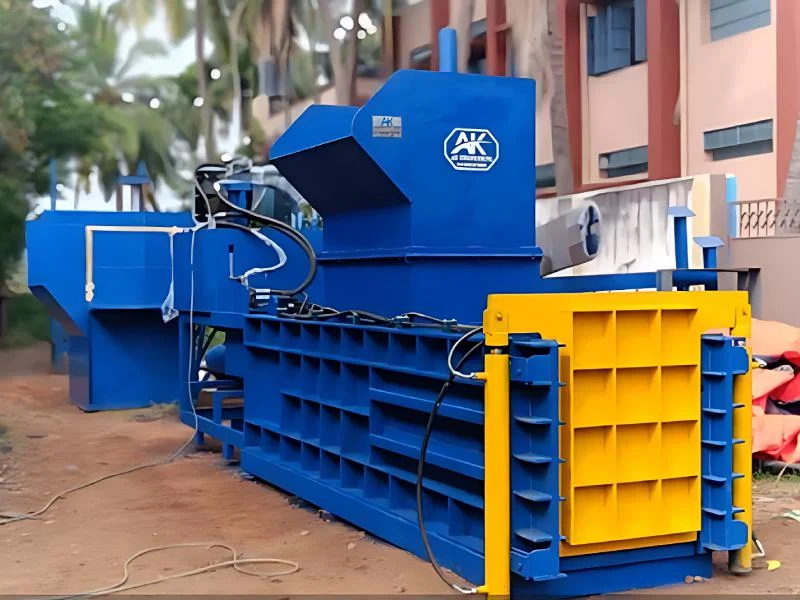
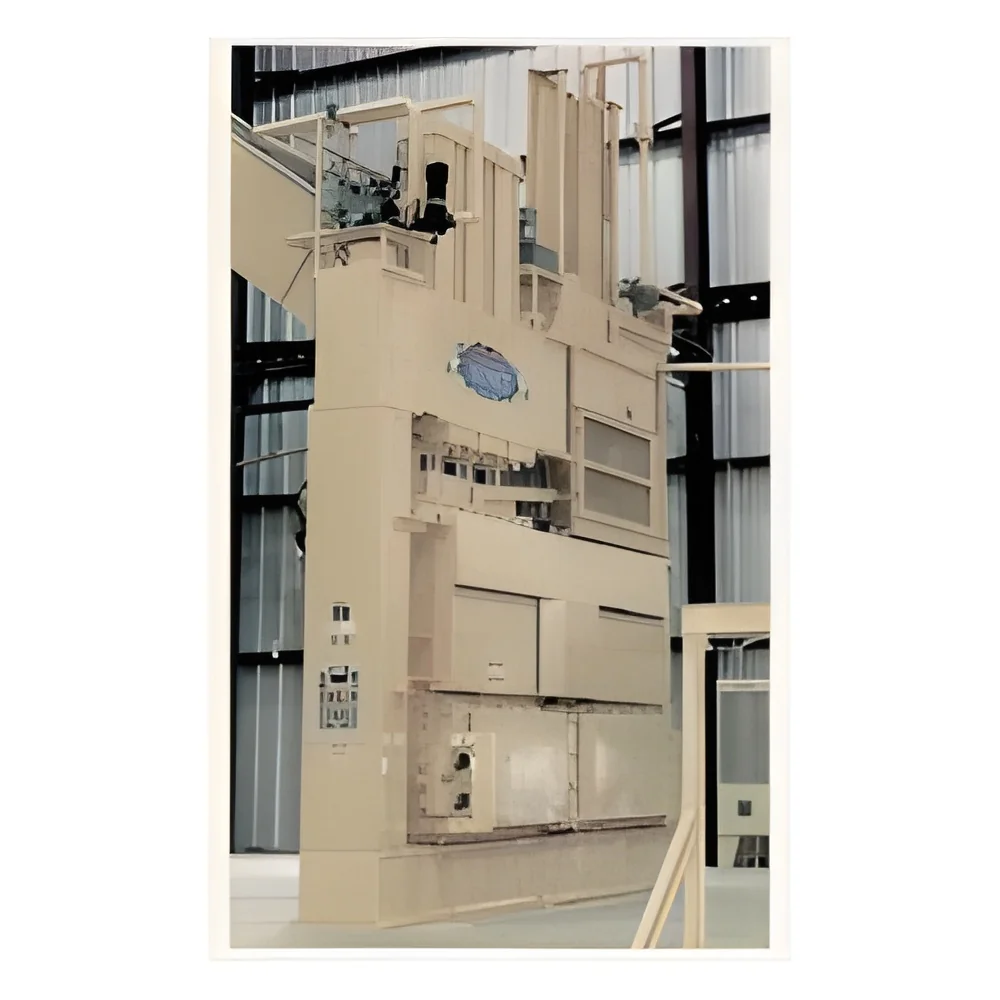
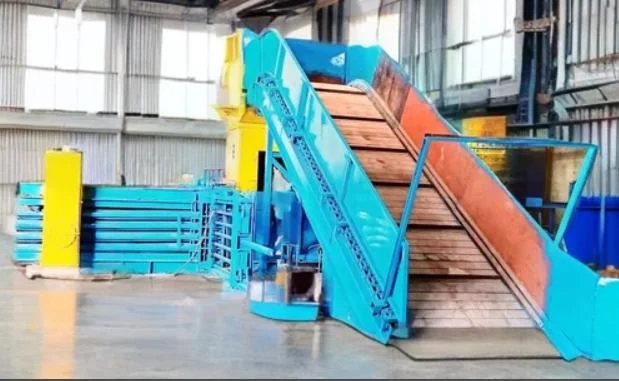
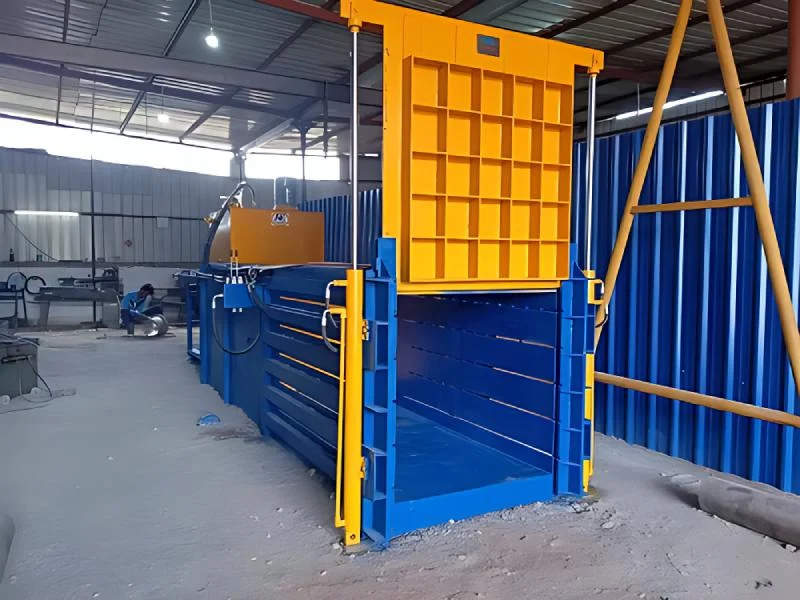
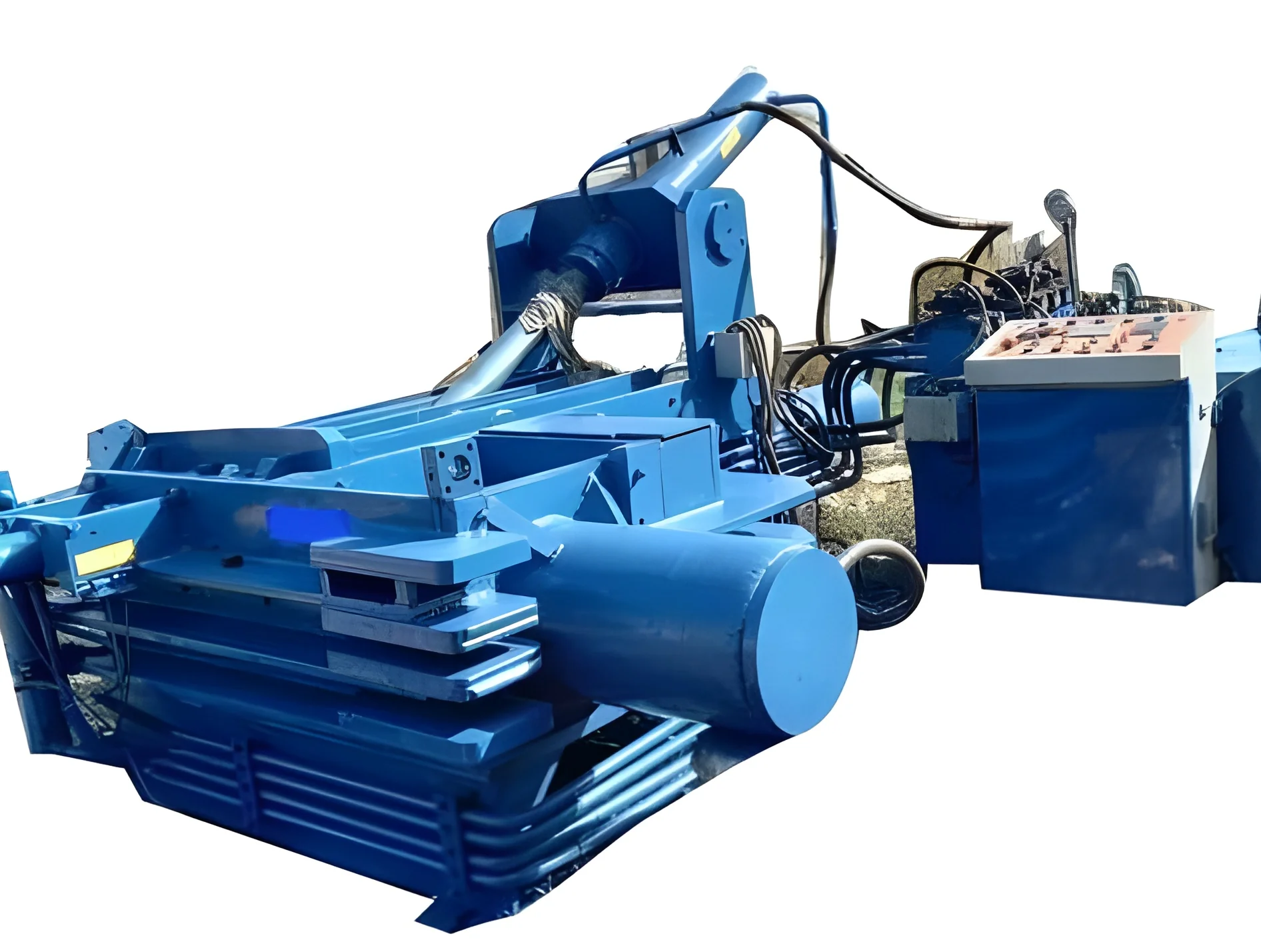
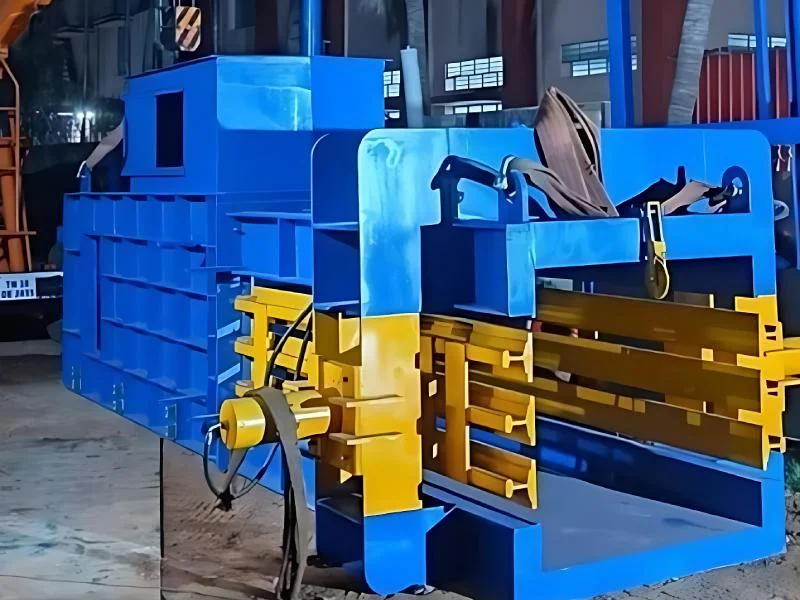
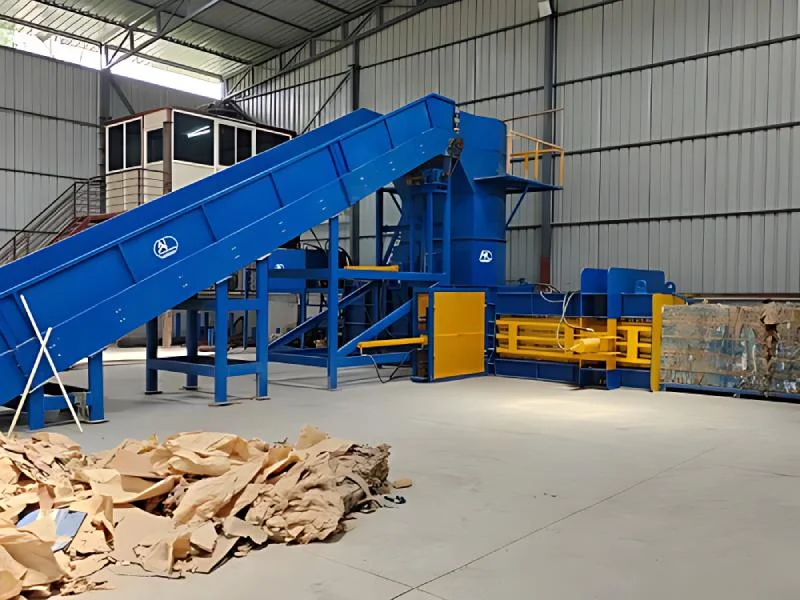
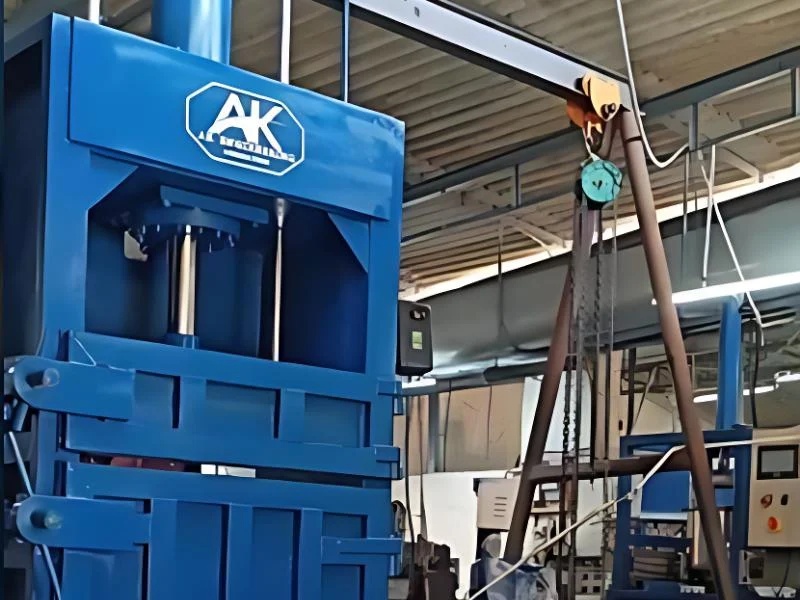
Paper baling machines are industrial devices designed to compress and package waste paper and cardboard into bales for easier transport and recycling. These machines operate by applying significant hydraulic pressure to the material, forming dense bales that can be easily handled. Paper balers are essential in various sectors, including recycling facilities, manufacturing plants, and distribution centers, where large volumes of paper waste are generated.
The primary use of paper baling machines is to facilitate the recycling process by compacting waste materials. This not only optimizes storage space but also enhances the efficiency of transportation. By converting bulky paper waste into manageable bales, businesses can reduce disposal costs and promote sustainability. In the current market context, with increased emphasis on environmental responsibility, the demand for paper balers is on the rise, making them a critical investment for organizations aiming to improve their waste management practices.
Key Features and Specifications
Paper baling machines come equipped with various features that enhance their functionality and efficiency. Understanding these specifications is crucial for businesses looking to invest in this equipment.
Key specifications include:
1. Baling Capacity
- The amount of material that can be processed per hour.
- Typically ranges from 500 to 2,000 kg per hour.
2. Bale Size
- The dimensions of the bales produced.
- Common sizes include 700x1,200 mm and 1,200x1,600 mm.
3. Power Requirements
- The electrical power needed to operate the machine.
- Usually between 5 to 20 kW depending on the model.
4. Hydraulic Pressure
- The pressure applied during the baling process.
- Can range from 80 to 200 bar.
5. Machine Dimensions
- The overall size of the baling machine.
- Dimensions vary but typically measure around 2.5 meters in length and 1.5 meters in width.
6. Weight
- The total weight of the machine.
- Can range from 1,000 kg to 5,000 kg.
7. Safety Features
- Includes emergency stop buttons and safety guards.
- Ensures operator safety during operation.
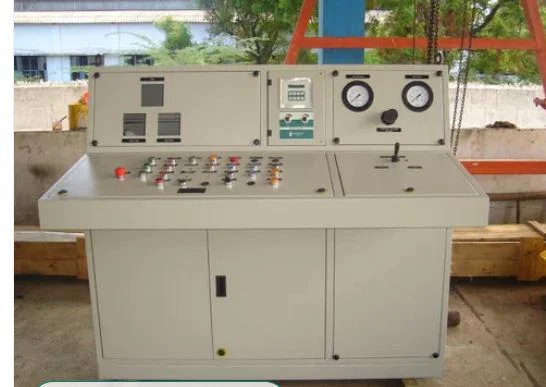
8. Control System
- Type of controls used for operating the machine.
- Can be manual or fully automated for ease of use.
In summary, the specifications of paper baling machines vary widely, making it essential for buyers to assess their specific needs carefully.
Common Applications and Use Cases
Paper baling machines find utility in various industries due to their efficiency in waste management.
1. Recycling Industry: These machines are pivotal in recycling facilities where large volumes of paper waste are processed. They help in compacting materials for transportation to recycling plants.
2. Manufacturing: In manufacturing plants, paper balers manage waste generated from packaging and production processes, ensuring that recyclables are properly handled.
3. Distribution Centers: These facilities use baling machines to compress cardboard and paper waste from shipping materials, reducing clutter and facilitating recycling.
4. Printing Industry: In printing businesses, where paper waste is substantial, balers are used to compress off-cuts and defective products for efficient disposal.
5. Retail Sector: Retail outlets use paper balers to manage packaging waste, contributing to their sustainability initiatives.
6. Educational Institutions: Schools and universities can utilize balers to handle paper waste generated from administrative and educational activities.
7. Logistics Companies: These companies benefit from balers by managing the paper waste generated in shipping and packaging operations.
Product Variants and Subcategories
Paper baling machines come in various models to cater to different operational needs and capacities.
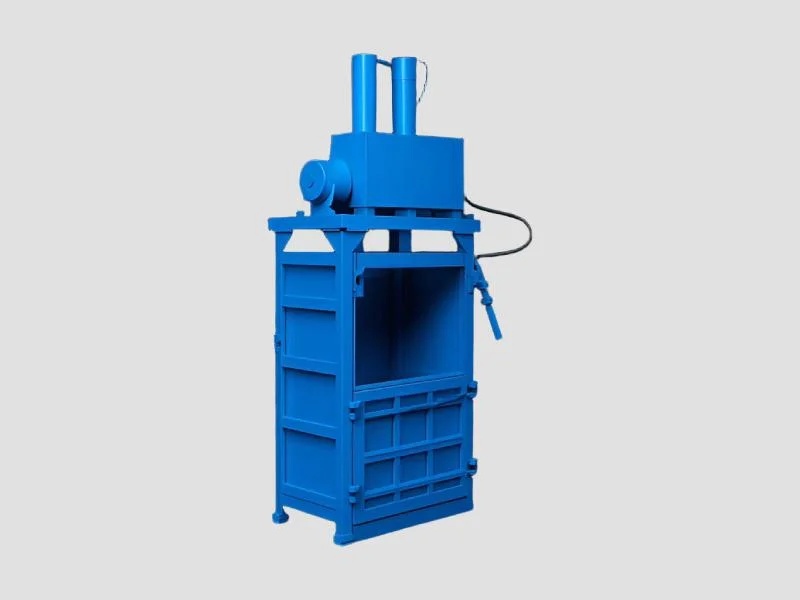
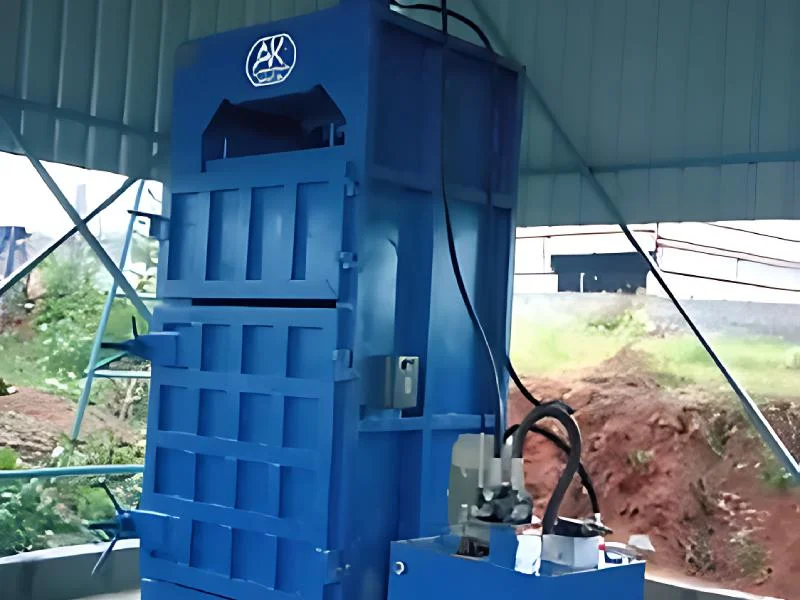
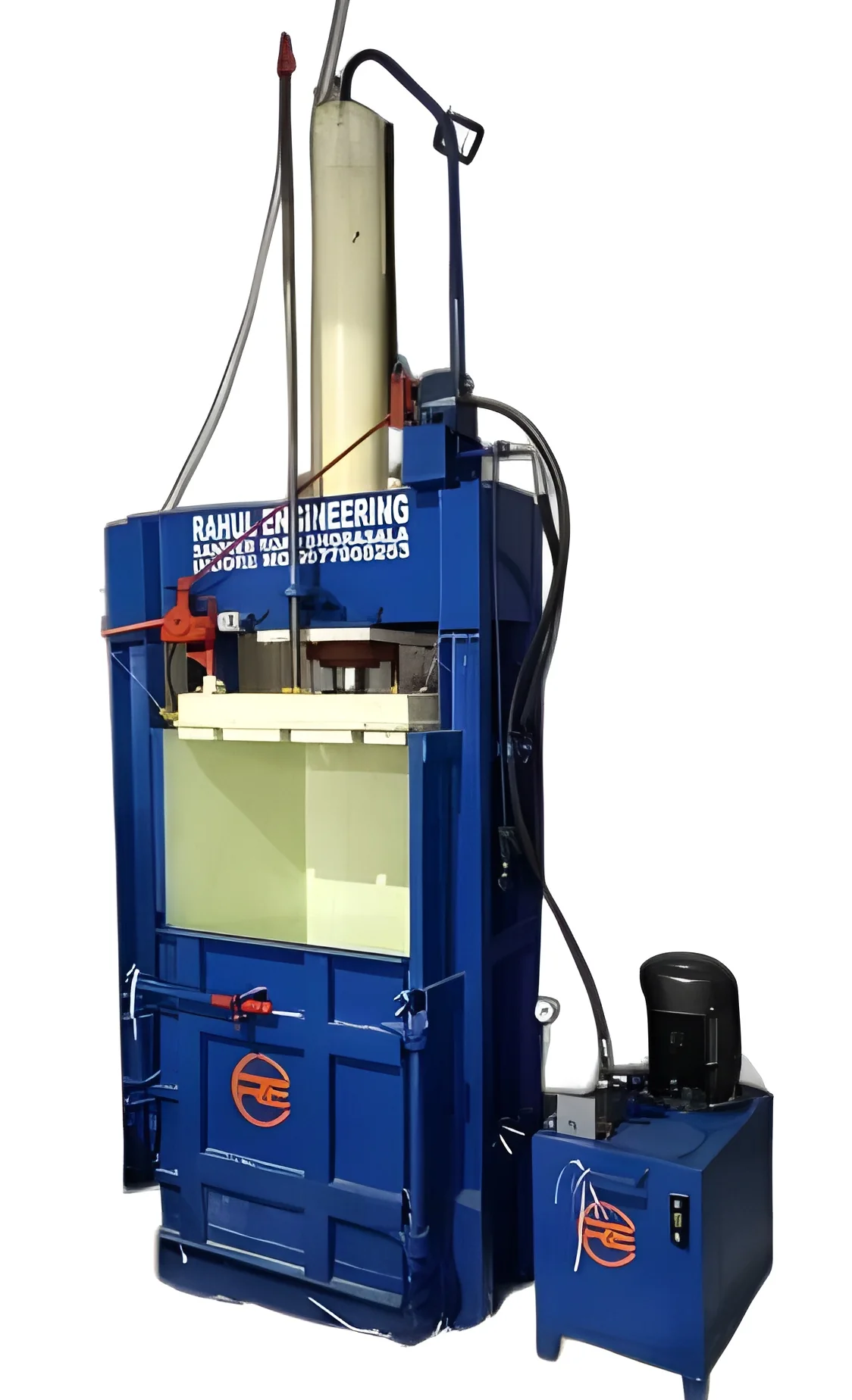
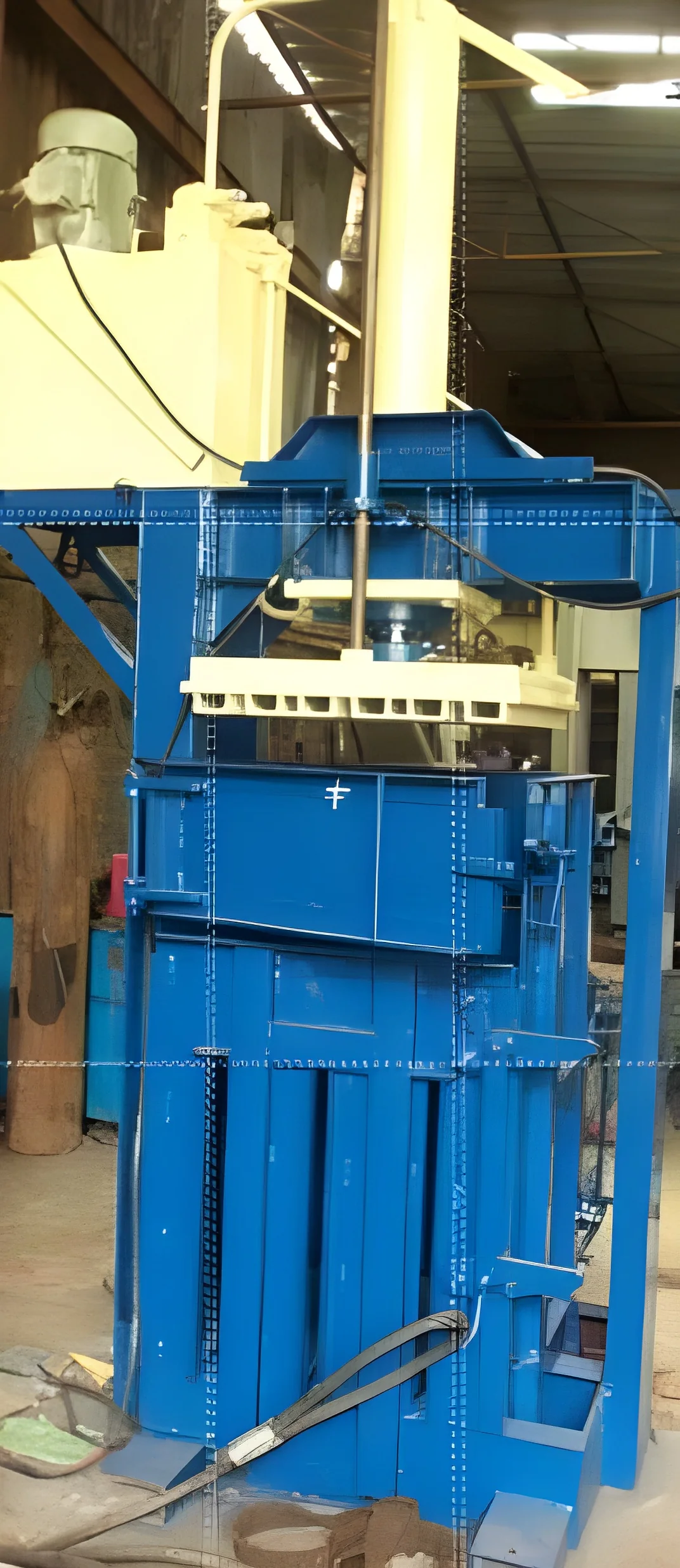
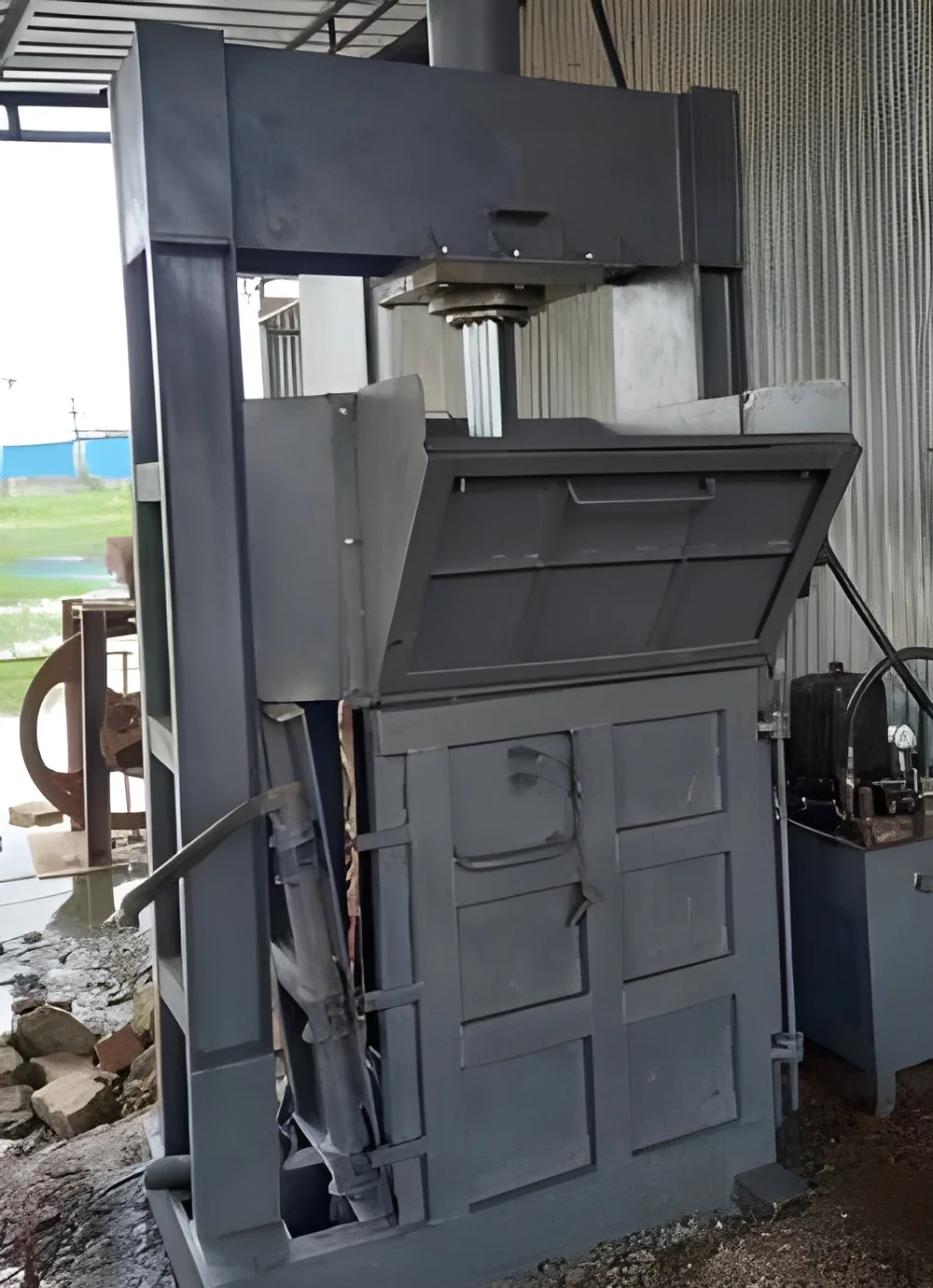
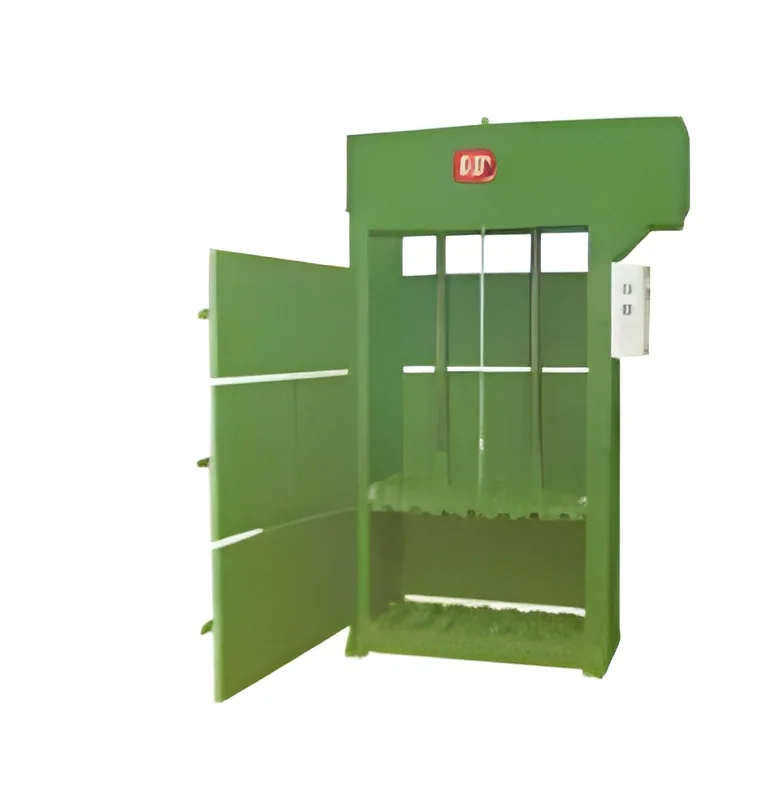
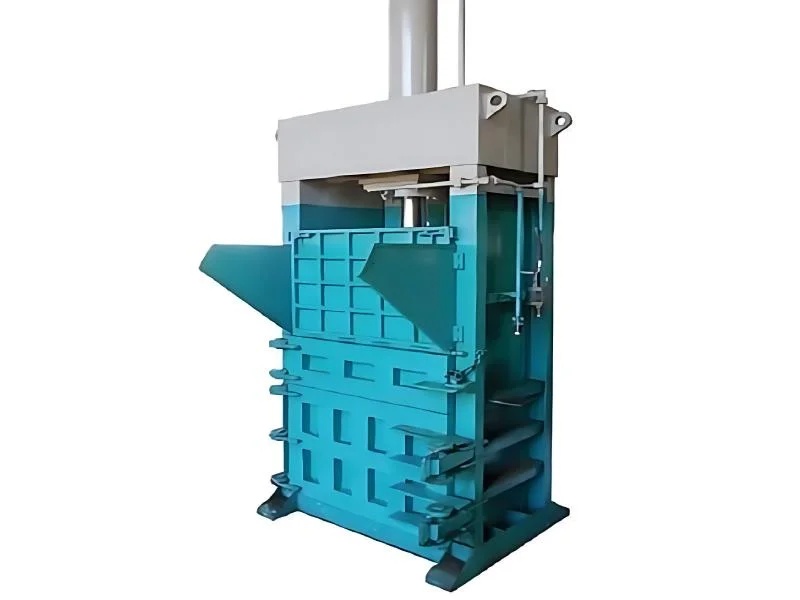
Vertical Balers
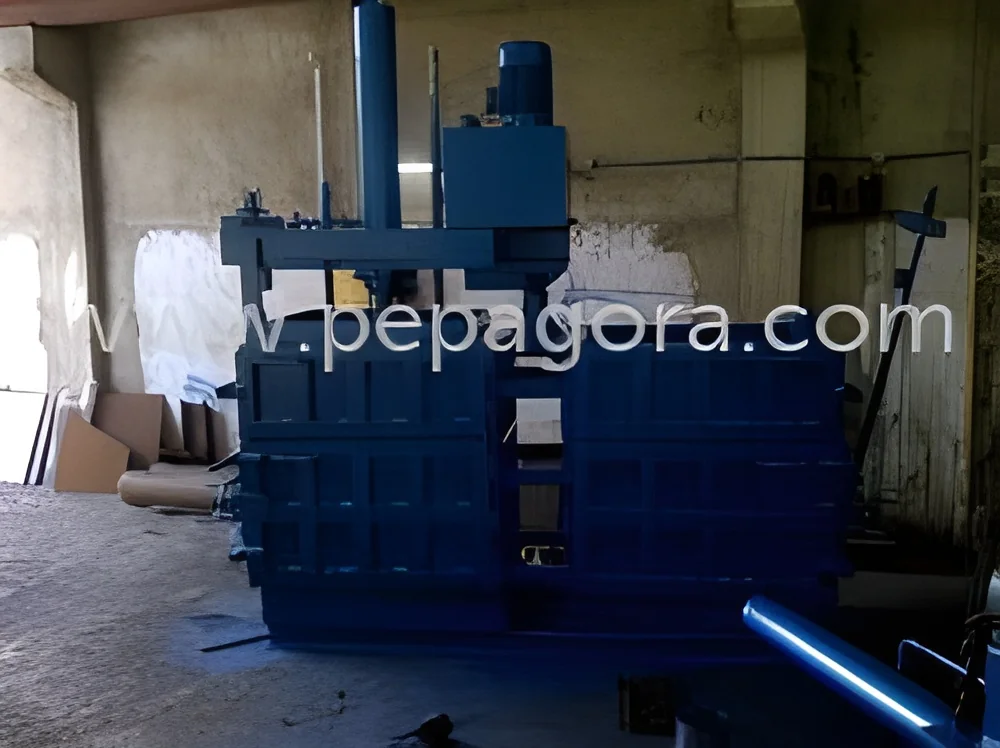
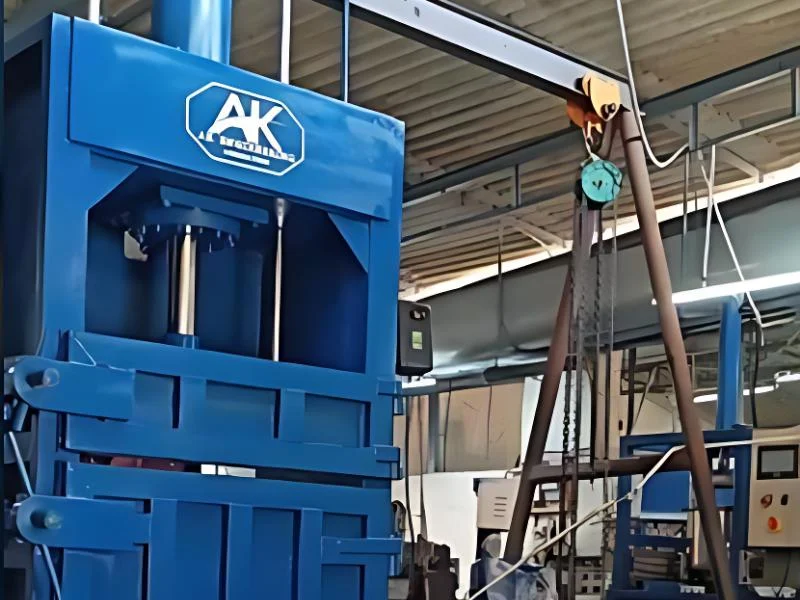
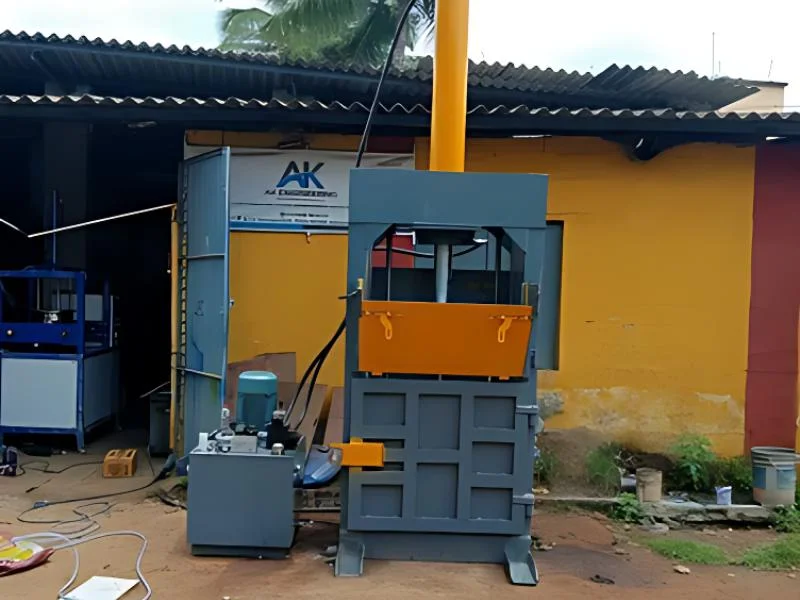
Vertical balers are compact machines suitable for businesses with limited space. They are easy to operate and ideal for producing bales of smaller sizes.
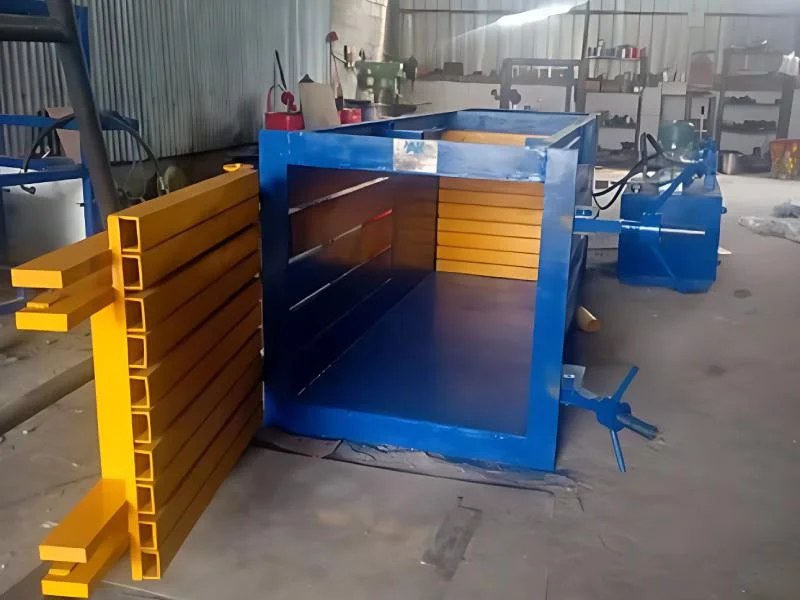
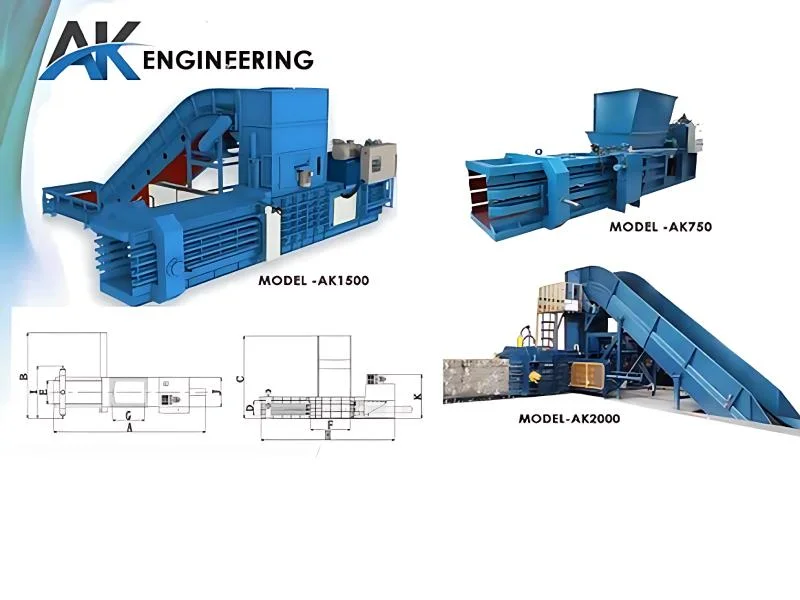
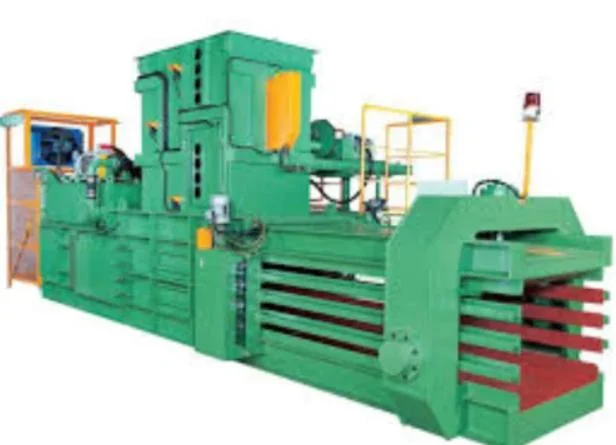
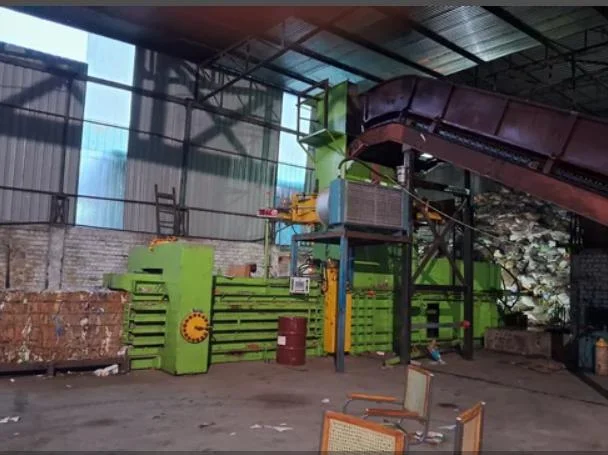
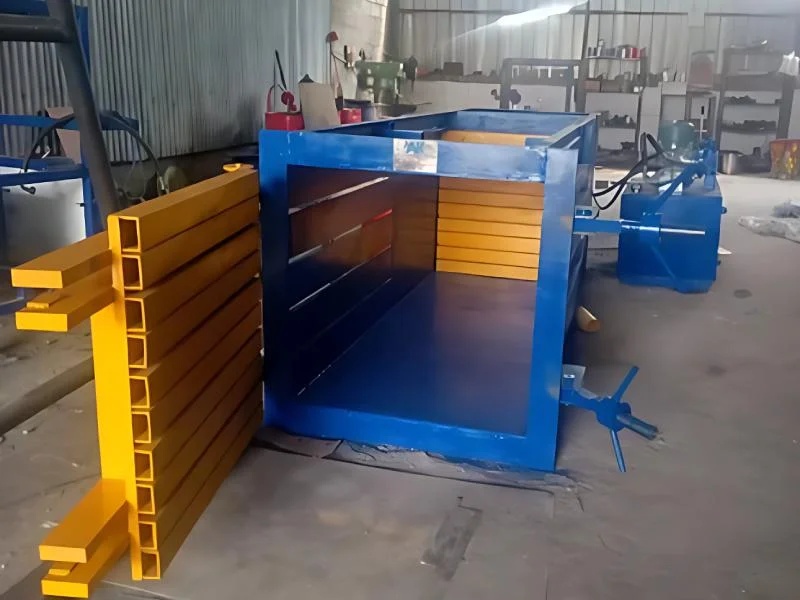
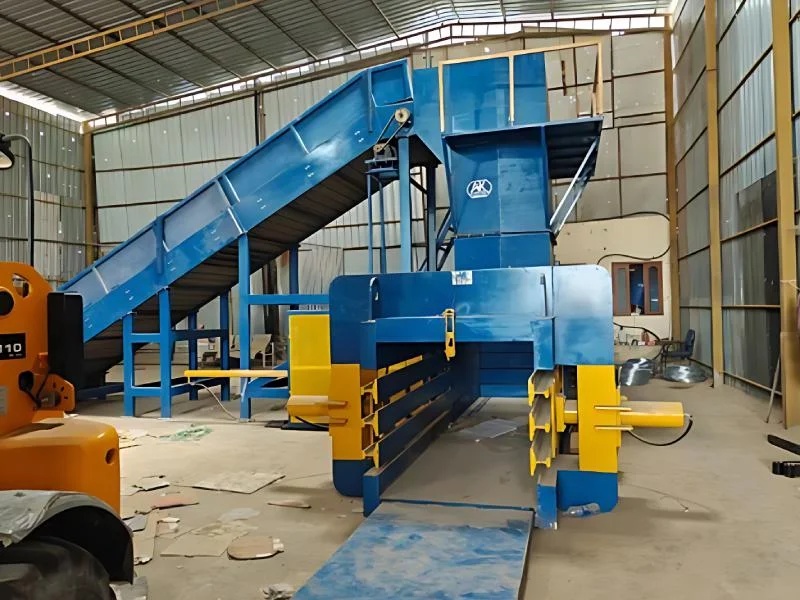
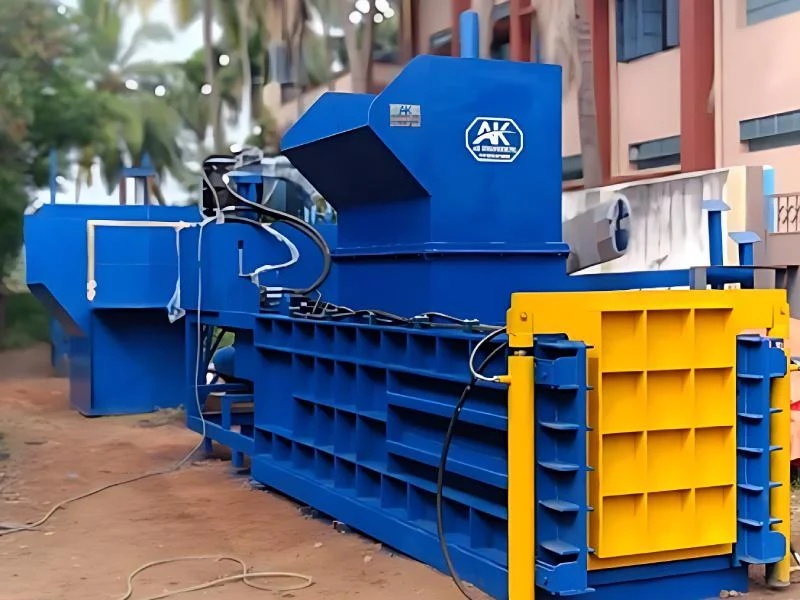
Horizontal Balers
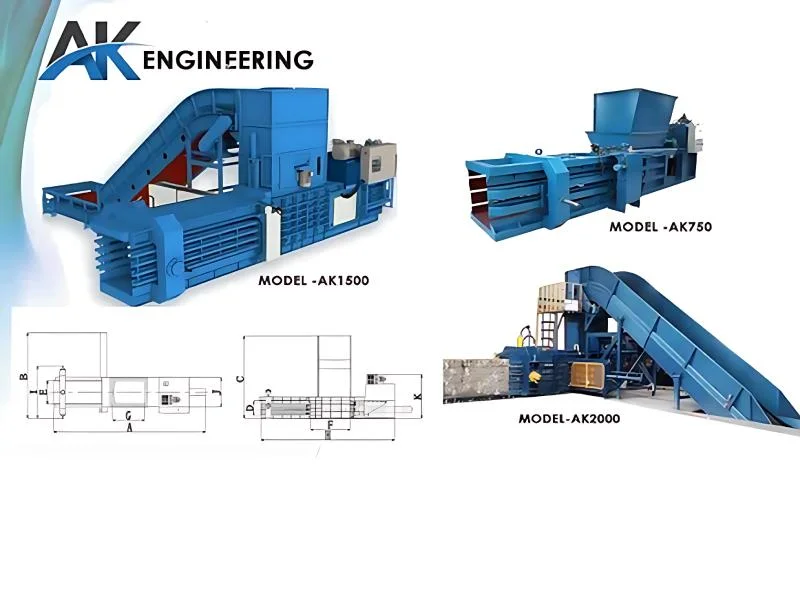
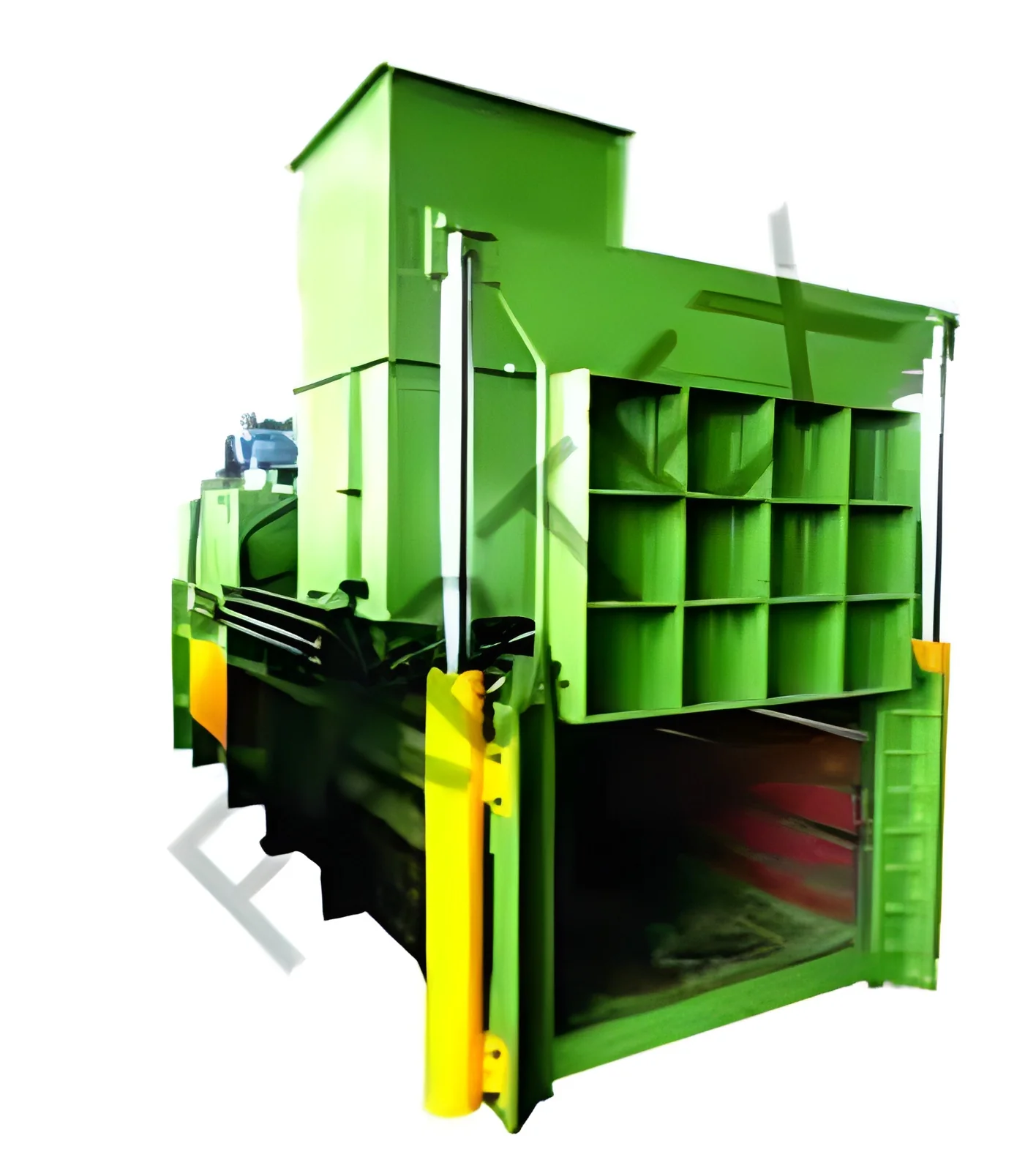
Horizontal balers are larger machines designed for high-volume operations. They offer increased efficiency for businesses needing to process large quantities of paper and cardboard.
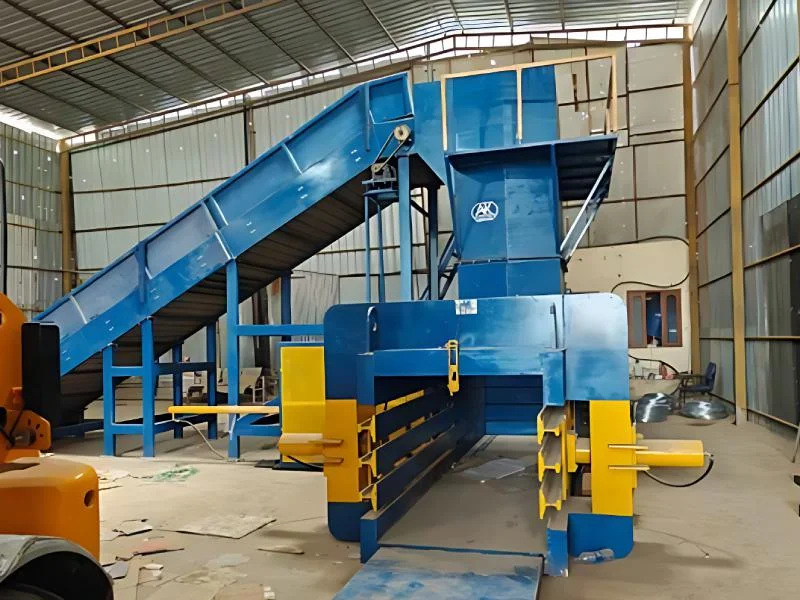
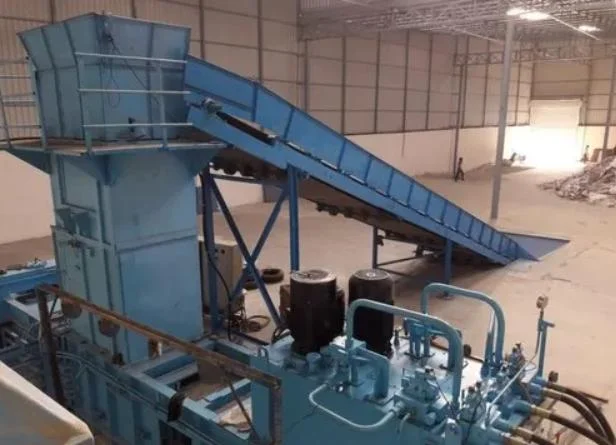
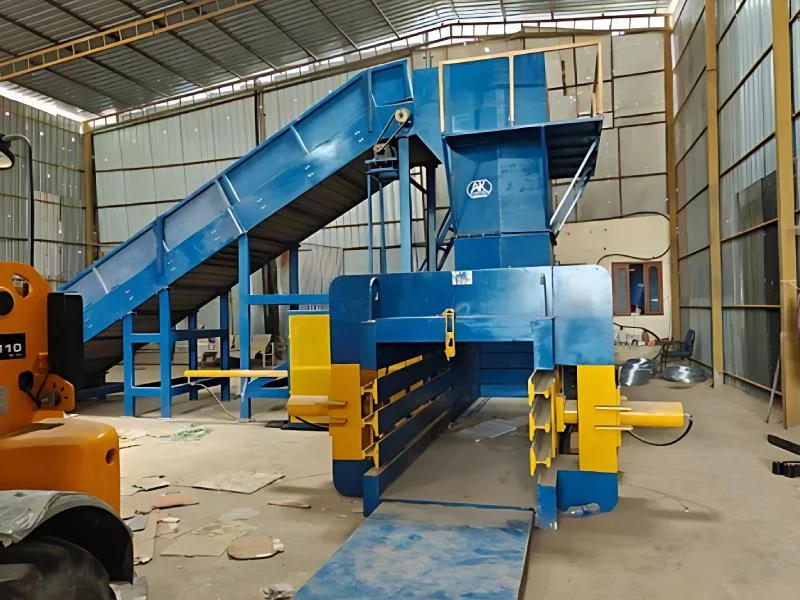
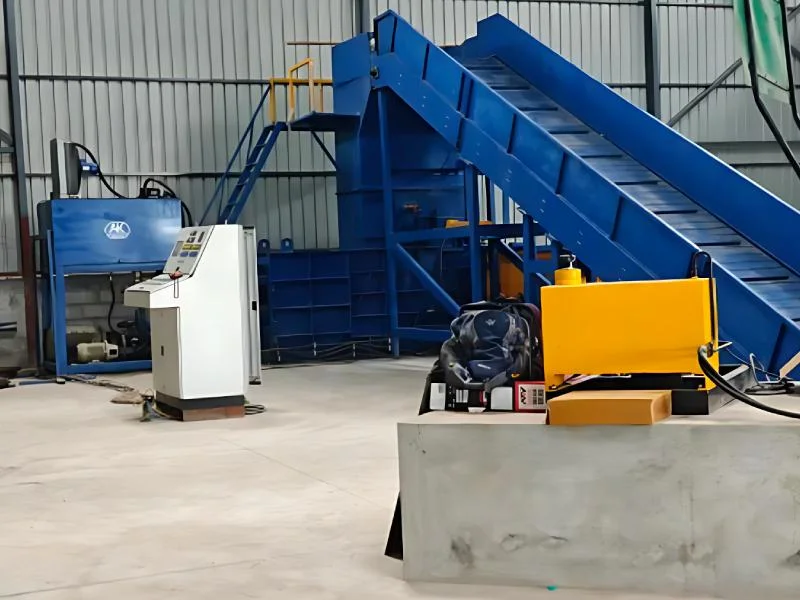
Automatic Balers
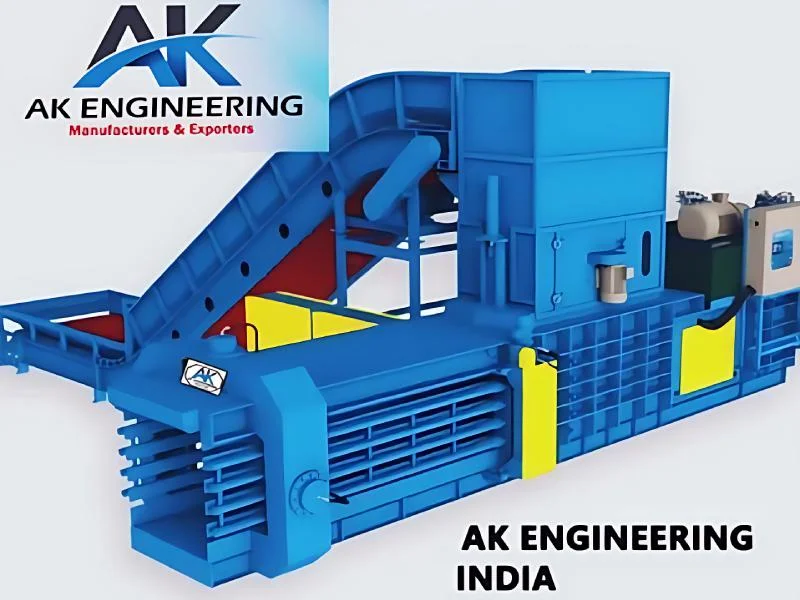
These machines offer fully automated operations, reducing the need for manual labor. They are ideal for large-scale recycling operations and come with advanced control systems.
Semi-Automatic Balers
Semi-automatic balers provide a balance between automation and manual operation. They are versatile and suitable for medium-sized businesses.
Benefits and Advantages
Investing in a paper baling machine offers numerous advantages for businesses.
1. Space Optimization: Baling machines significantly reduce the volume of paper waste, freeing up valuable storage space.
2. Cost Efficiency: By compacting waste, businesses can lower disposal costs and improve their bottom line.
3. Sustainability: Using balers promotes recycling, helping companies meet environmental regulations and sustainability goals.
4. Improved Safety: Baling machines streamline waste management processes, reducing the risk of accidents associated with handling loose materials.
5. Enhanced Efficiency: These machines increase productivity by automating the baling process, allowing staff to focus on other critical tasks.
6. Customizable Operations: Many balers can be tailored to suit specific business needs, ensuring optimal performance.
Buying Guide for B2B Buyers
When considering the purchase of paper baling machines, several factors should be taken into account to ensure a wise investment.
1. Quality Assessment: Evaluate the build quality and durability of the machine. Look for models that meet industry standards and have positive reviews from other users.
2. Supplier Verification: Research potential suppliers to confirm their credibility and reliability. Check for certifications and customer testimonials.
3. Pricing and MOQ: Compare prices across different suppliers and understand the minimum order quantity. This will help in budgeting and financial planning.
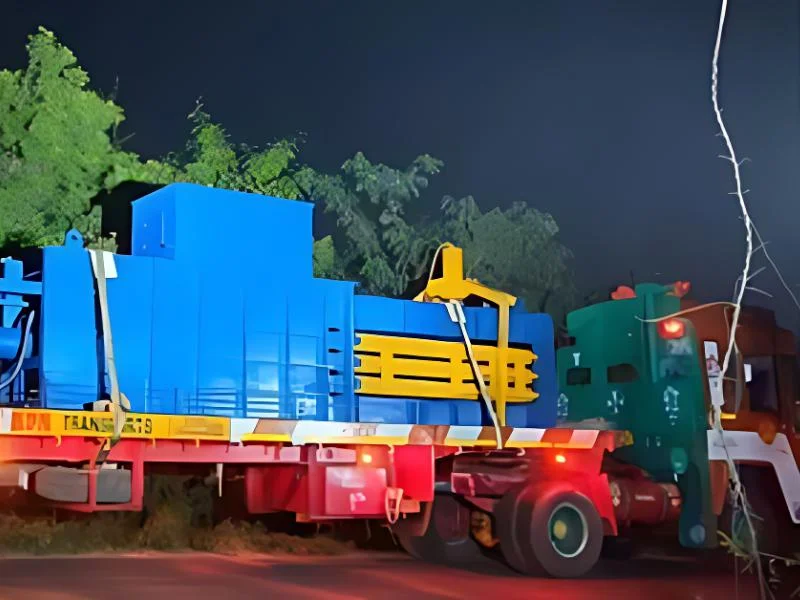
4. Delivery and Lead Times: Discuss logistics with suppliers to understand delivery timelines and any potential delays.
5. Compliance Requirements: Ensure that the machines meet local and regional regulations, including safety and environmental standards.
Compliance and Certifications
Compliance and certifications are crucial for paper baling machines to ensure safety and quality.
Relevant quality standards like ISO 9001 ensure that the machines meet international quality management criteria. These standards help maintain consistent quality in manufacturing processes.
Industry certifications, such as CE marking, indicate that the machines comply with European health, safety, and environmental protection standards.
Safety and testing requirements must be adhered to, ensuring that the machines are safe for operators and minimize workplace hazards.
Regional compliance considerations may vary, so it is essential to consult local regulations when sourcing paper baling machines.
Why Source Paper Baling Machines from Pepagora?
Pepagora provides a trusted platform for sourcing paper baling machines, offering several key advantages to B2B buyers.
Verified Supplier Network: Pepagora connects buyers with a network of verified suppliers, ensuring that businesses can source equipment from reputable manufacturers. This minimizes risks associated with purchasing equipment.
Streamlined RFQ Process: The platform simplifies the request for quotation process, allowing buyers to easily compare offers from multiple suppliers. This ensures competitive pricing and better purchasing decisions.
Trade Assurance and Support: Pepagora offers trade assurance, protecting buyers throughout the procurement process. This includes support in case of disputes or issues with suppliers.
Regional Coverage: With a strong presence in India, the GCC, and Southeast Asia, Pepagora facilitates access to a wide range of suppliers, catering to the unique needs of businesses in these regions.

 IN
IN