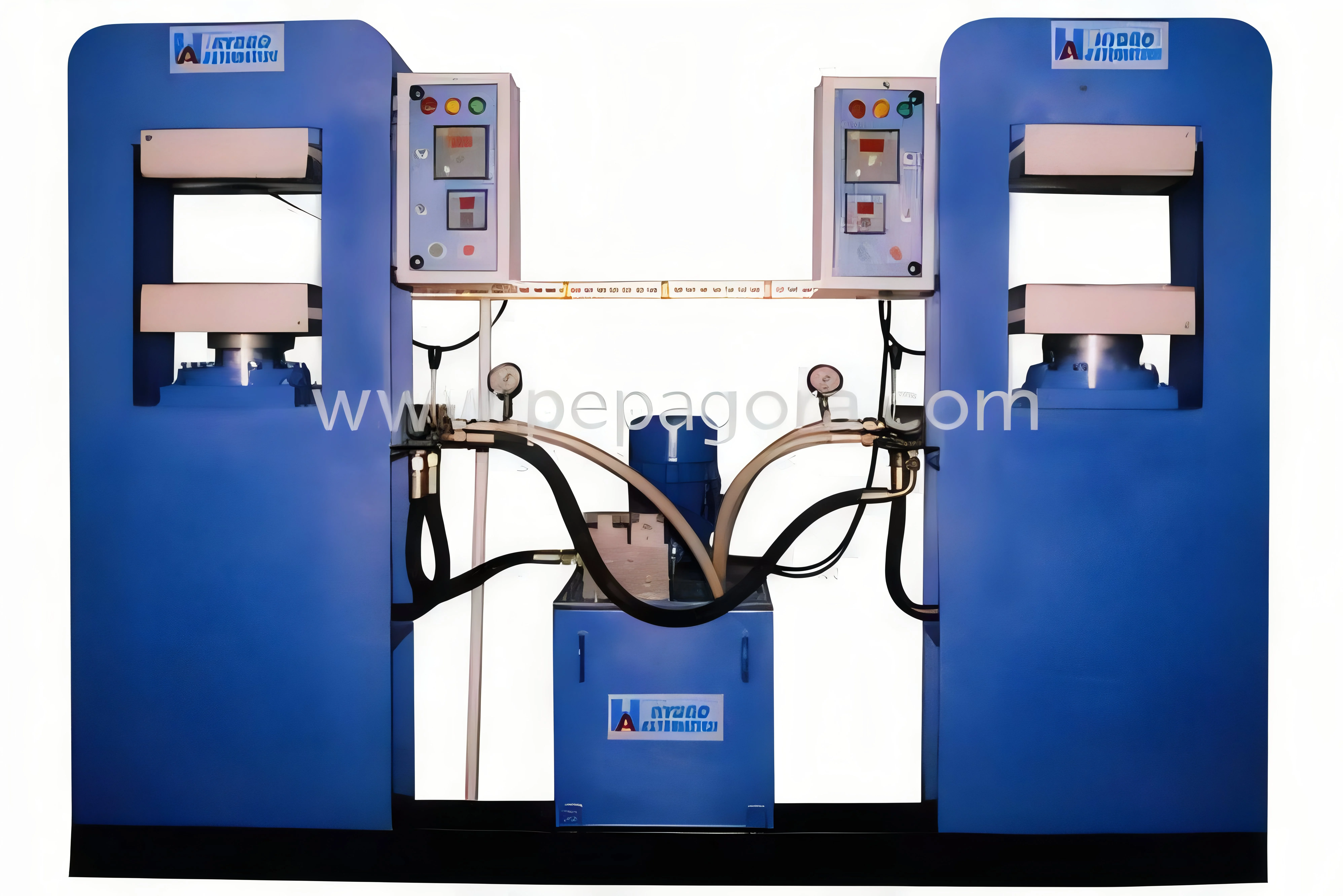
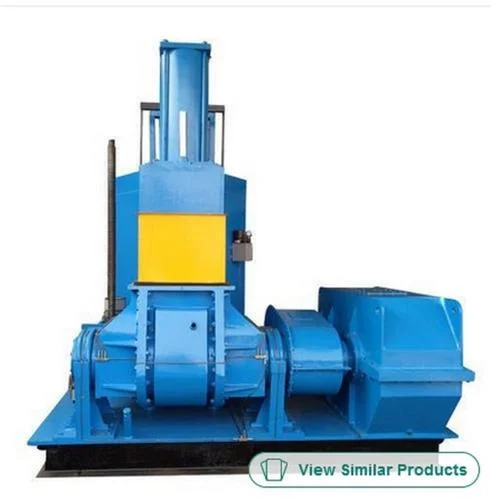
What are Rubber Powder Machines?
Rubber Powder Machines are specialized industrial equipment designed to process waste rubber into finely ground rubber powder. This process typically involves using mechanical grinding methods to break down larger pieces of rubber into smaller particles. The machines operate through advanced technologies that ensure efficient and uniform powder production, catering to various industrial needs.
These machines find their primary applications in recycling facilities, manufacturing plants, and other businesses that utilize rubber products. They enable the effective recycling of used tires and other rubber waste, transforming it into a valuable raw material suitable for various applications. Industries such as automotive, construction, and consumer goods leverage this recycled rubber powder for products like asphalt, floor mats, and insulation materials. The growing emphasis on sustainability and waste management has heightened the relevance of rubber powder machines in today's market.
As environmental regulations become stricter and the demand for eco-friendly materials rises, the importance of rubber powder machines continues to grow. By facilitating the recycling of rubber waste, these machines play a critical role in reducing landfill usage and promoting a circular economy.
Key Features and Specifications
Rubber Powder Machines come equipped with several key features that enhance their functionality and performance. These specifications ensure that the machines can handle a variety of rubber materials and meet the rigorous demands of industrial applications.
Key specifications include:
1. Grinding Capacity
- This specification refers to the amount of rubber material the machine can process in a given time frame.
- Typical ranges may vary from 500 kg/h to several tons per hour depending on machine size and design.
2. Power Consumption
- This specification indicates the electrical power required for the machine to operate efficiently.
- Power ranges typically span from 10 kW to 100 kW or more based on the machine's capacity.
3. Particle Size Range
- This specification defines the final particle size of the rubber powder produced.
- Typical particle sizes can range from 30 mesh to 100 mesh, allowing for versatility in applications.
4. Operating Temperature
- This specification indicates the temperature range within which the machine operates effectively.
- Data not available.
5. Material of Construction
- This specification refers to the type of materials used in the machine's construction, affecting its durability and resistance to wear.
- Common materials include carbon steel and stainless steel.
6. Automation Features
- This specification details the level of automation integrated into the machine, influencing ease of use and efficiency.
- Options may include manual, semi-automatic, or fully automatic controls.
7. Safety Features
- This specification refers to safety mechanisms such as emergency stops and protective covers to ensure operator safety.
- Features vary by manufacturer but are crucial for compliance with safety regulations.
8. Warranty and Support
- This specification outlines the warranty period and support services available for maintenance and troubleshooting.
- Warranty periods generally range from 1 to 3 years, depending on the manufacturer.
In summary, these features and specifications provide a clear understanding of the capabilities of Rubber Powder Machines, making them suitable for various industrial applications.
Common Applications and Use Cases
Rubber Powder Machines serve a wide range of industries by providing recycled rubber powder for diverse applications.
1. Automotive Industry: Recycled rubber powder is used in manufacturing tires, belts, and gaskets, contributing to more sustainable production practices.
2. Construction Industry: The powder is often mixed with asphalt for road construction and maintenance, enhancing durability and reducing costs.
3. Flooring Manufacturing: Companies utilize rubber powder to create flooring materials, such as mats and tiles, which offer durability and noise reduction.
4. Consumer Goods: Recycled rubber is incorporated into products like playground surfaces and sports equipment, promoting safety and environmental responsibility.
5. Adhesives and Sealants: The powder is utilized as a filler in adhesives and sealants, enhancing their properties and performance.
6. Rubber Products Manufacturing: Various rubber goods, including hoses and seals, benefit from the use of recycled rubber powder in their production processes.
7. Insulation Materials: The construction sector uses rubber powder in insulation products, improving energy efficiency and soundproofing.
Product Variants and Subcategories
Rubber Powder Machines are available in various configurations, catering to different processing needs and production capacities.
Standard Model
This model is designed for general rubber processing, featuring basic grinding capabilities suitable for a range of applications. It is ideal for small to medium-sized operations looking to recycle used rubber efficiently.
High-Capacity Model
This variant is engineered for larger operations requiring high throughput. It incorporates advanced grinding technology to maximize efficiency and minimize downtime, making it suitable for industrial recycling plants.
Portable Model
This variant offers mobility, allowing for on-site rubber processing. It is perfect for companies that need flexibility in their operations and requires minimal setup.
Benefits and Advantages
Rubber Powder Machines provide numerous benefits that enhance their appeal to businesses.
1. Environmental Sustainability: These machines promote recycling and reduce waste, aligning with global efforts to minimize environmental impact.
2. Cost Efficiency: By converting waste rubber into reusable material, companies can significantly lower production costs while generating new revenue streams.
3. Versatility: The ability to produce various particle sizes allows for applications across multiple industries, enhancing the machine's utility.
4. Improved Product Quality: The use of advanced grinding techniques results in high-quality rubber powder, meeting industry standards and customer expectations.
5. Reduced Landfill Use: By recycling rubber waste, these machines contribute to less landfill usage, supporting sustainable waste management practices.
6. Enhanced Market Opportunities: Businesses using rubber powder can expand their product lines and appeal to eco-conscious consumers.
Buying Guide for B2B Buyers
When sourcing Rubber Powder Machines, B2B buyers should consider several critical factors to ensure a successful purchase.
1. Quality Assessment: Evaluating the quality of machinery is vital. Buyers should look for machines that meet industry standards and have a proven track record of performance.
2. Supplier Verification: It is important to vet suppliers thoroughly. Buyers should check for certifications, reviews, and references to ensure reliability and quality.
3. Pricing and MOQ: Understanding the pricing structure and minimum order quantities is crucial for budget planning. Buyers should compare quotes from multiple suppliers for the best deal.
4. Delivery and Lead Times: Buyers must consider delivery schedules and lead times to ensure that machinery arrives when needed, avoiding delays in production.
5. Compliance Requirements: Buyers should be aware of local regulatory requirements and ensure that machinery complies with necessary safety and performance standards.
Compliance and Certifications
Rubber Powder Machines are subject to various industry standards and certifications that ensure their quality and safety.
ISO 9001 is a widely recognized quality management standard that ensures manufacturers maintain consistent quality in their production processes. Compliance with ISO 9001 indicates that a manufacturer has implemented effective quality control measures.
The CE certification signifies that the machines meet EU safety, health, and environmental protection standards. This certification is essential for machines sold in European markets and reassures buyers about the product's compliance with regulatory requirements.
Safety and testing requirements are paramount for rubber powder machines, as they involve mechanical processes that can pose risks. Manufacturers must adhere to stringent safety standards to protect operators and ensure the machine's safe operation.
Regional compliance considerations may vary based on local regulations. Buyers should be informed about these requirements to ensure the machines meet all necessary legal standards in their operating regions.
Why Source Rubber Powder Machines from Pepagora?
Pepagora offers a trusted platform for sourcing Rubber Powder Machines, providing numerous advantages for buyers.
Verified Supplier Network: Pepagora has a comprehensive network of verified suppliers, ensuring that buyers can access high-quality machines from reputable manufacturers. This verification process helps mitigate the risks associated with sourcing.
Streamlined RFQ Process: The platform features a user-friendly request for quotation (RFQ) system that simplifies the procurement process. Buyers can easily compare quotes and specifications from multiple suppliers, making informed decisions quickly.
Trade Assurance and Support: Pepagora provides trade assurance to protect buyers throughout the purchasing process. This support includes assistance with negotiations and problem resolution, enhancing the overall buying experience.
Regional Coverage: With a strong presence in India, the Gulf Cooperation Council (GCC), and Southeast Asia, Pepagora offers extensive market coverage. This geographic reach allows buyers to find suppliers that cater to their specific regional needs and preferences.

 IN
IN