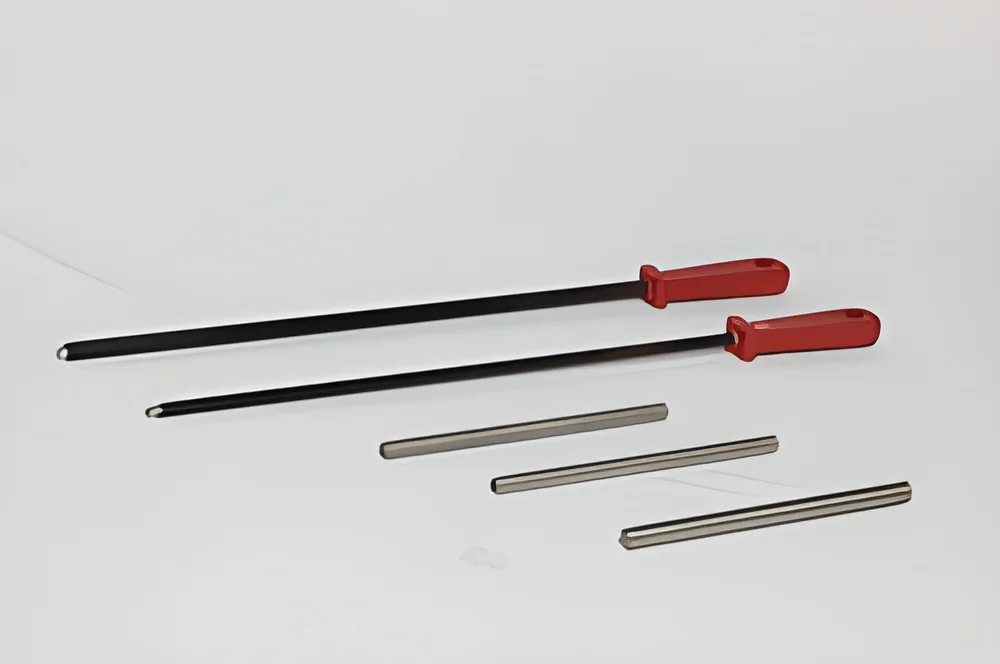
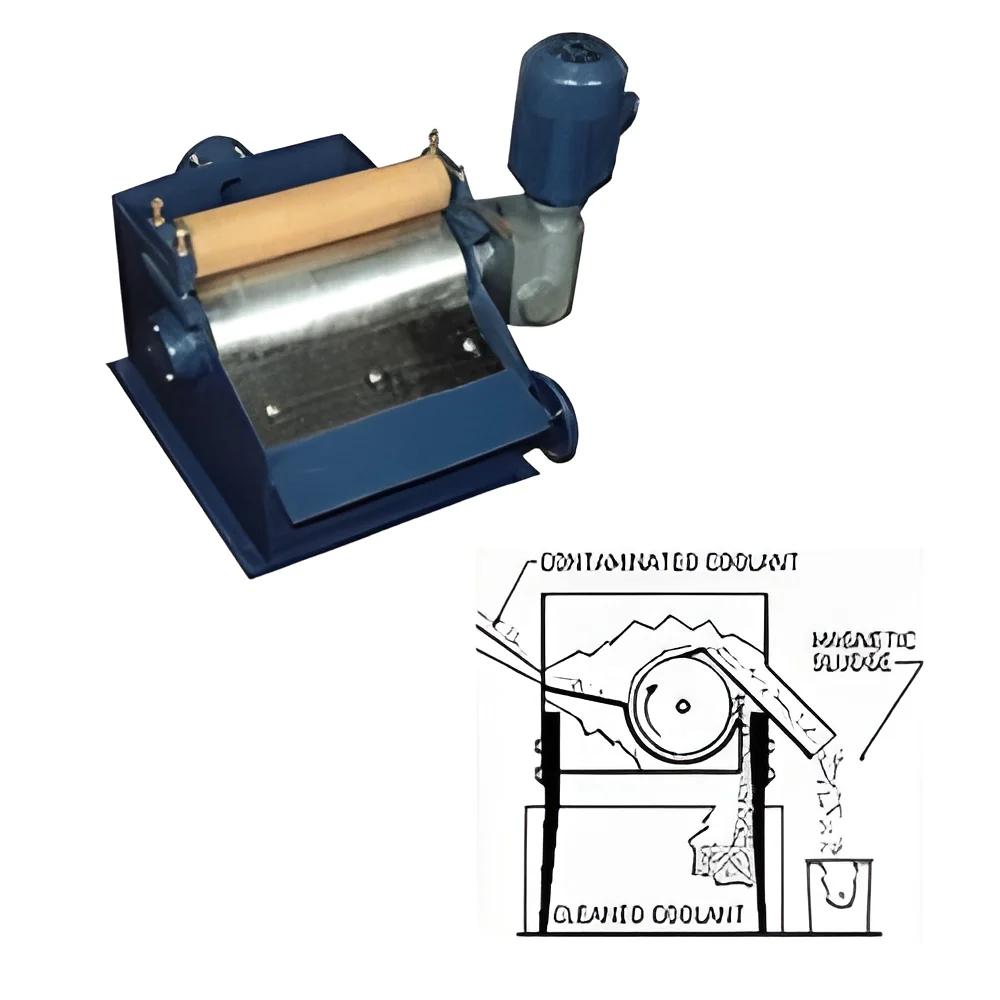
What are Magnetic Separators?
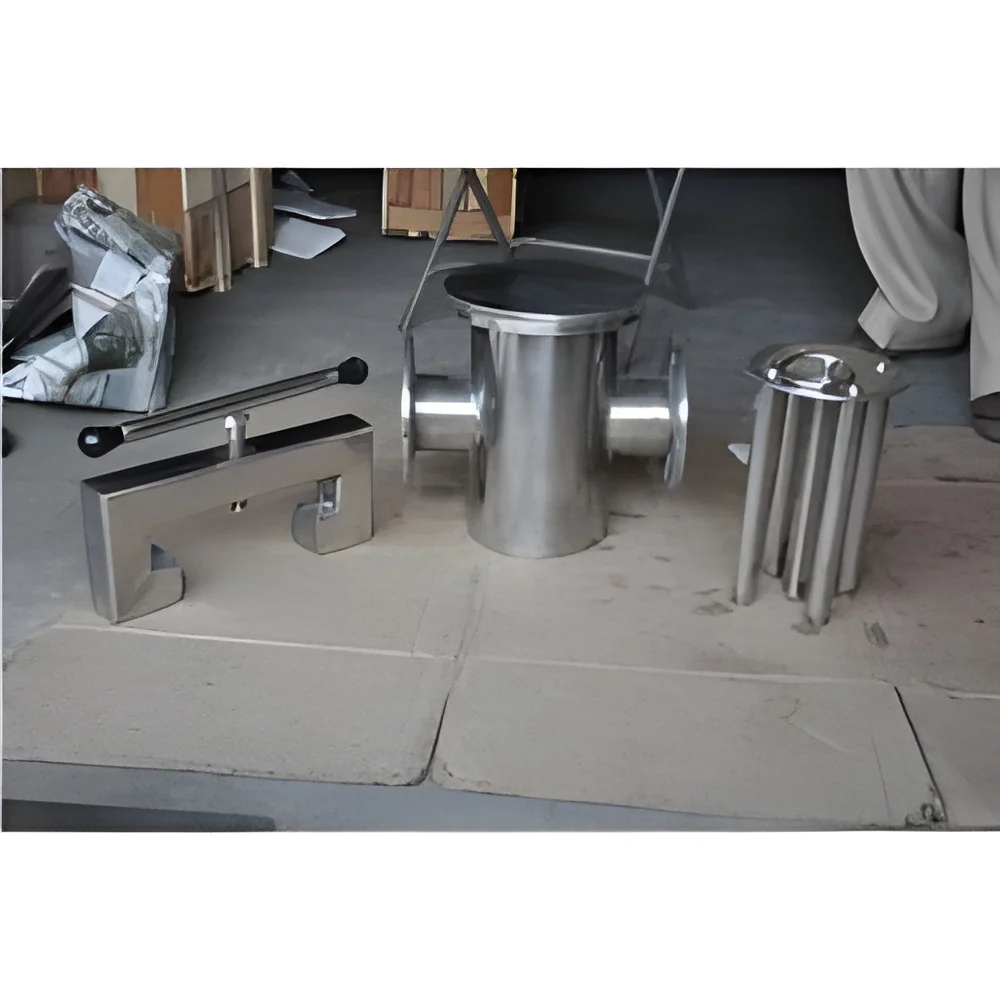
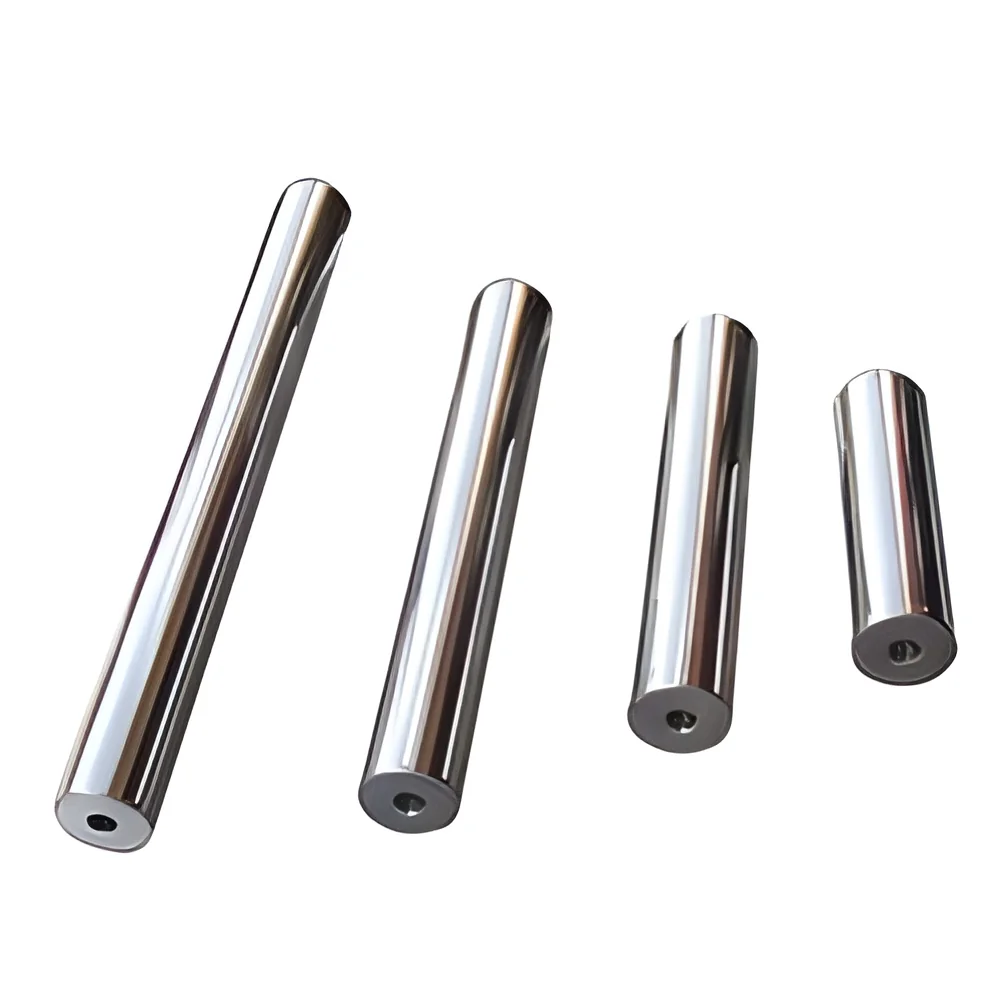
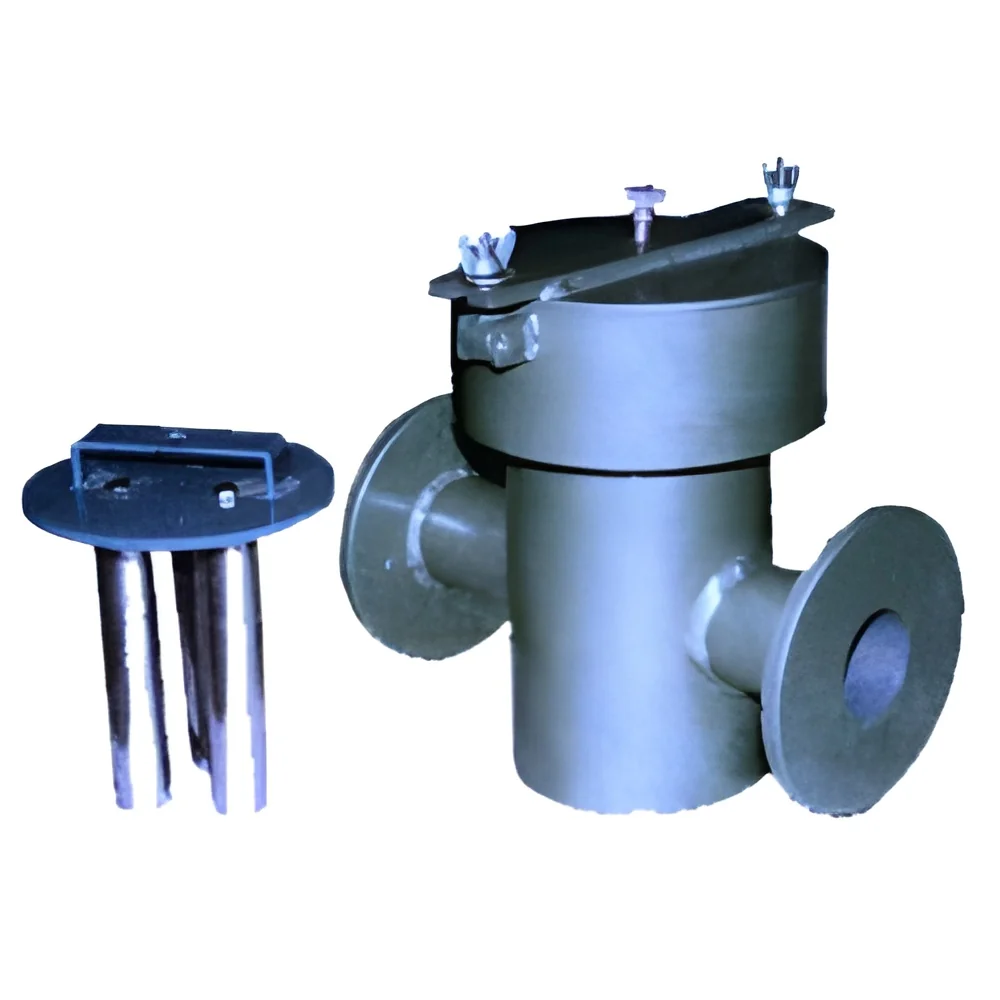
Magnetic separators are industrial devices that use magnetic forces to separate magnetic materials from non-magnetic ones in a mixture. They play a critical role in various processes by effectively removing ferrous contaminants from bulk materials. This separation process is vital in industries that require high purity levels in their products, ensuring that unwanted particles do not compromise quality or efficiency.
These separators are primarily used in manufacturing and recycling applications, where the removal of metal contaminants is essential. They are found in industries such as food processing, pharmaceuticals, and mining, where they help maintain product integrity and process efficiency. The ability to separate metals from raw materials not only enhances product quality but also protects equipment from potential damage caused by metal debris. As the demand for high-quality products increases, the relevance of magnetic separators in the marketplace continues to grow.
Key Features and Specifications
Magnetic separators come with various features and specifications tailored to meet specific industry needs. These features enhance their performance and reliability, making them suitable for a wide range of applications.
Key specifications include:
1. Magnetic Strength
- Determines the effectiveness of the separator in attracting ferrous materials.
- Typically measured in Gauss or Tesla.
2. Size and Dimensions
- Varies based on application needs and installation space.
- Common sizes range from small units for lab use to large industrial systems.
3. Material Construction
- Often made from stainless steel or other durable materials to withstand harsh environments.
- Resistance to corrosion and wear is crucial for longevity.
4. Operating Temperature Range
- Essential for applications involving heat-sensitive materials.
- Generally capable of operating at temperatures up to 80 degrees Celsius or more.
5. Installation Type
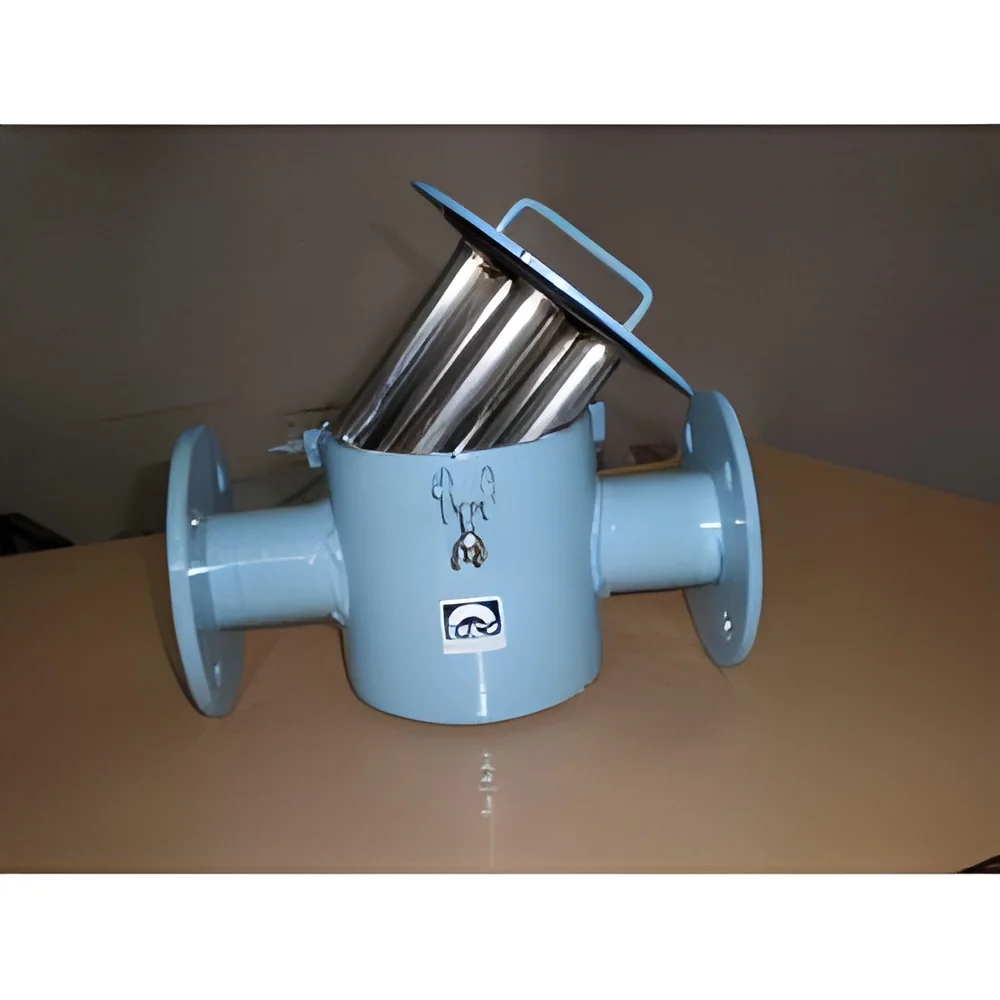
- Can be designed for inline or cross-belt installations depending on the process flow.
- Flexibility in installation is important for various manufacturing setups.
6. Maintenance Requirements
- Designed for ease of cleaning and maintenance.
- Regular maintenance ensures optimal performance and longevity.
7. Compliance Standards
- Adherence to industry standards such as CE certification is essential.
- Ensures safety and reliability in operation.
8. Customization Options
- Ability to tailor specifications based on unique application needs.
- Custom solutions can enhance performance and efficiency.
In summary, understanding the key features and specifications of magnetic separators is crucial for selecting the right equipment for specific industrial applications.
Common Applications and Use Cases
Magnetic separators are utilized across various industries, showcasing their versatility and effectiveness.
1. Food Processing: Magnetic separators are widely used to remove metal contaminants from food products, ensuring safety and compliance with health regulations.
2. Pharmaceutical Industry: They help in maintaining the purity of pharmaceutical products by eliminating ferrous particles during manufacturing processes.
3. Mining and Minerals: Magnetic separators are used to separate valuable minerals from ore, increasing recovery rates and improving efficiency.
4. Recycling: In the recycling industry, they efficiently recover ferrous metals from waste materials, contributing to sustainability efforts.
5. Plastics Manufacturing: They remove metal contaminants from plastic materials, ensuring the quality of finished products.
6. Chemical Processing: Magnetic separators play a crucial role in ensuring that chemicals are free from metal impurities, which can affect product quality.
7. Aggregate and Construction: They are used to separate metal debris from sand, gravel, and other construction materials, enhancing safety and material quality.
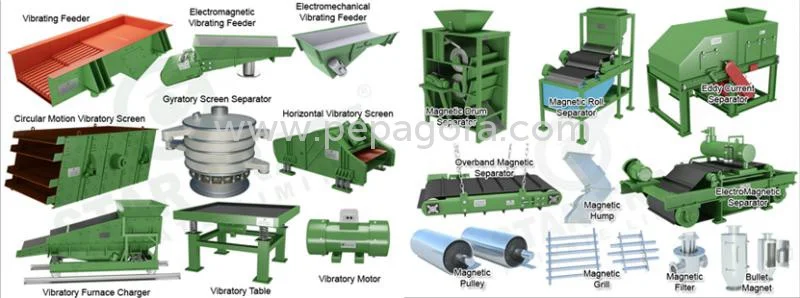
Product Variants and Subcategories
Magnetic separators come in various forms, each designed for specific applications and industries. This diversity allows businesses to choose the right solution for their needs.
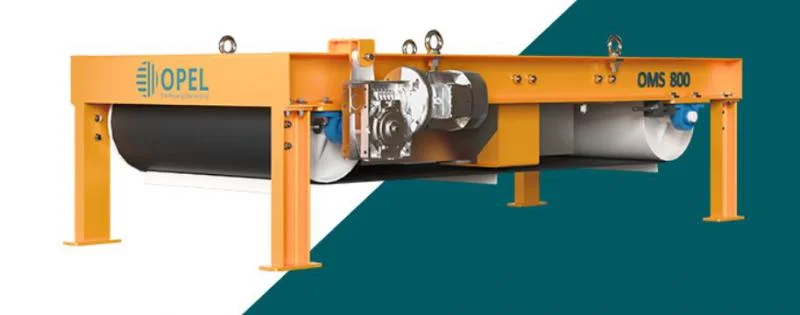
Overband Magnetic Separator
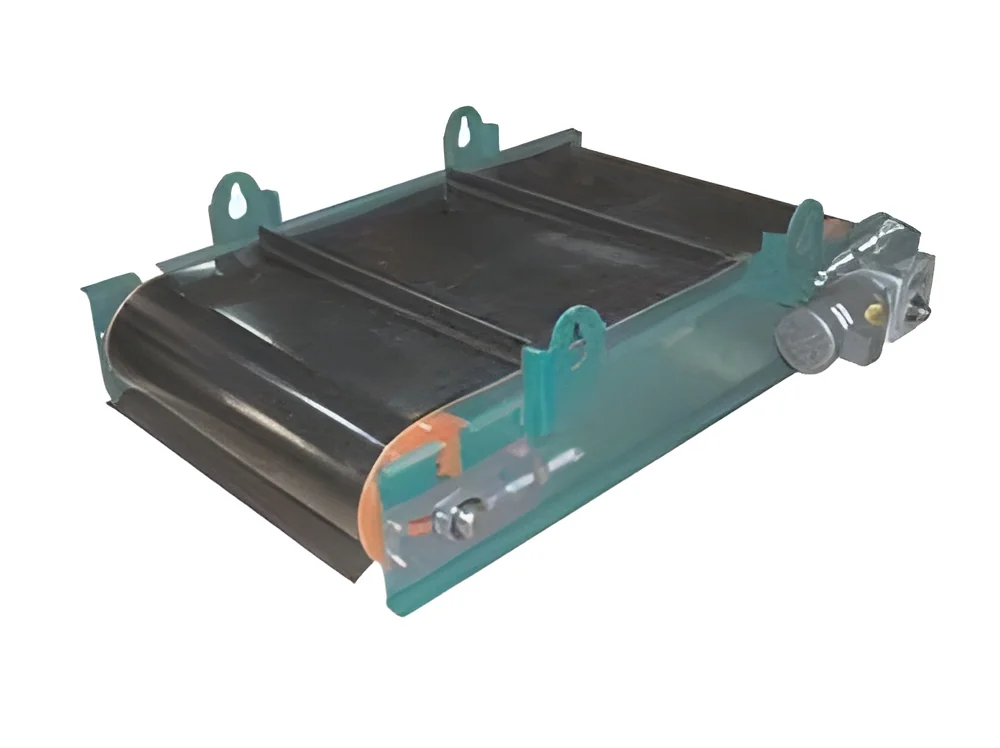
This variant is designed to be installed over conveyor belts, capturing ferrous materials as they pass underneath. It is ideal for recycling and mining applications.
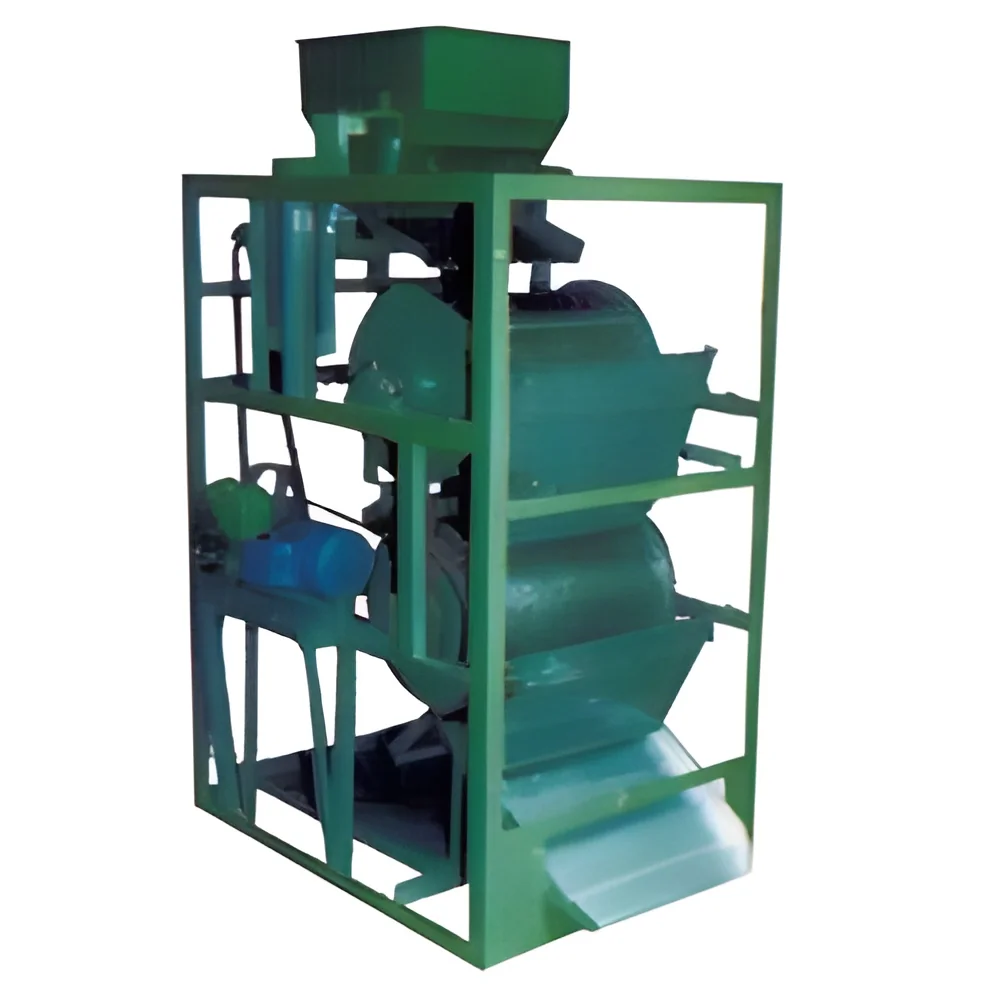
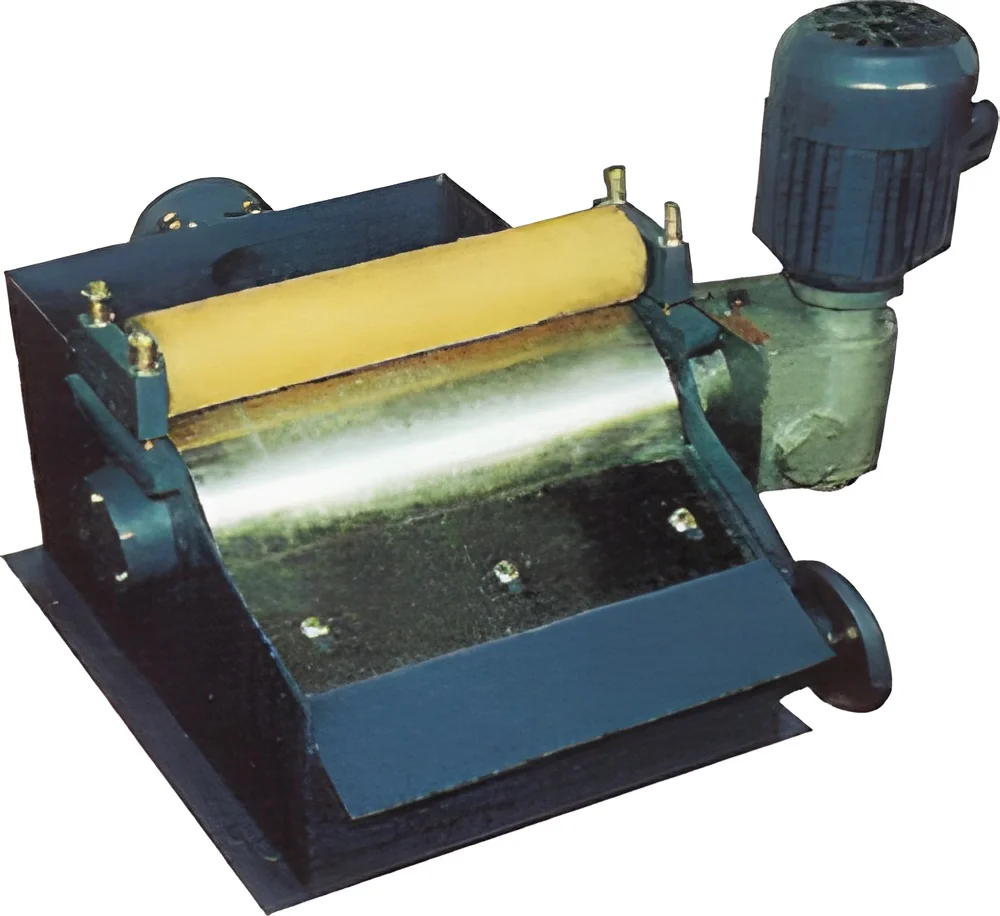
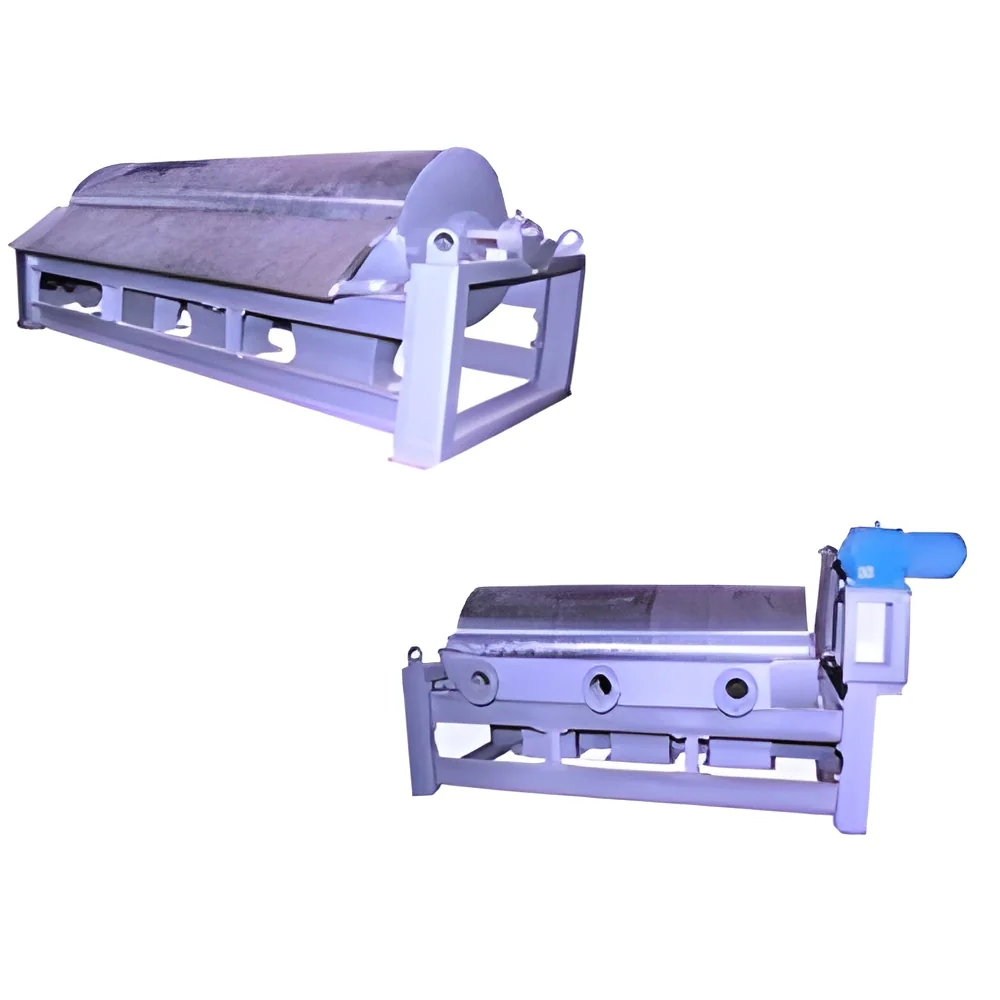
Drum Magnetic Separator
This type features a rotating drum that separates ferrous materials from non-ferrous ones in bulk materials. It is commonly used in mineral processing.
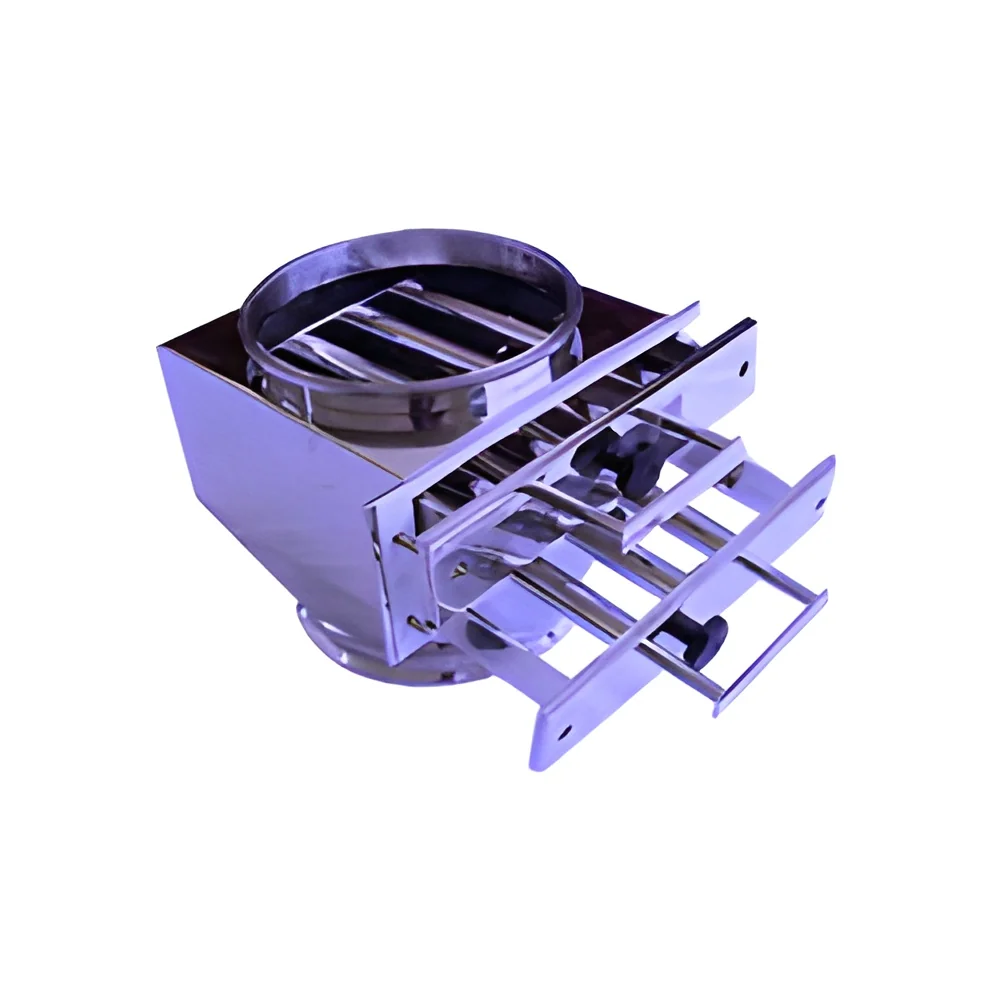
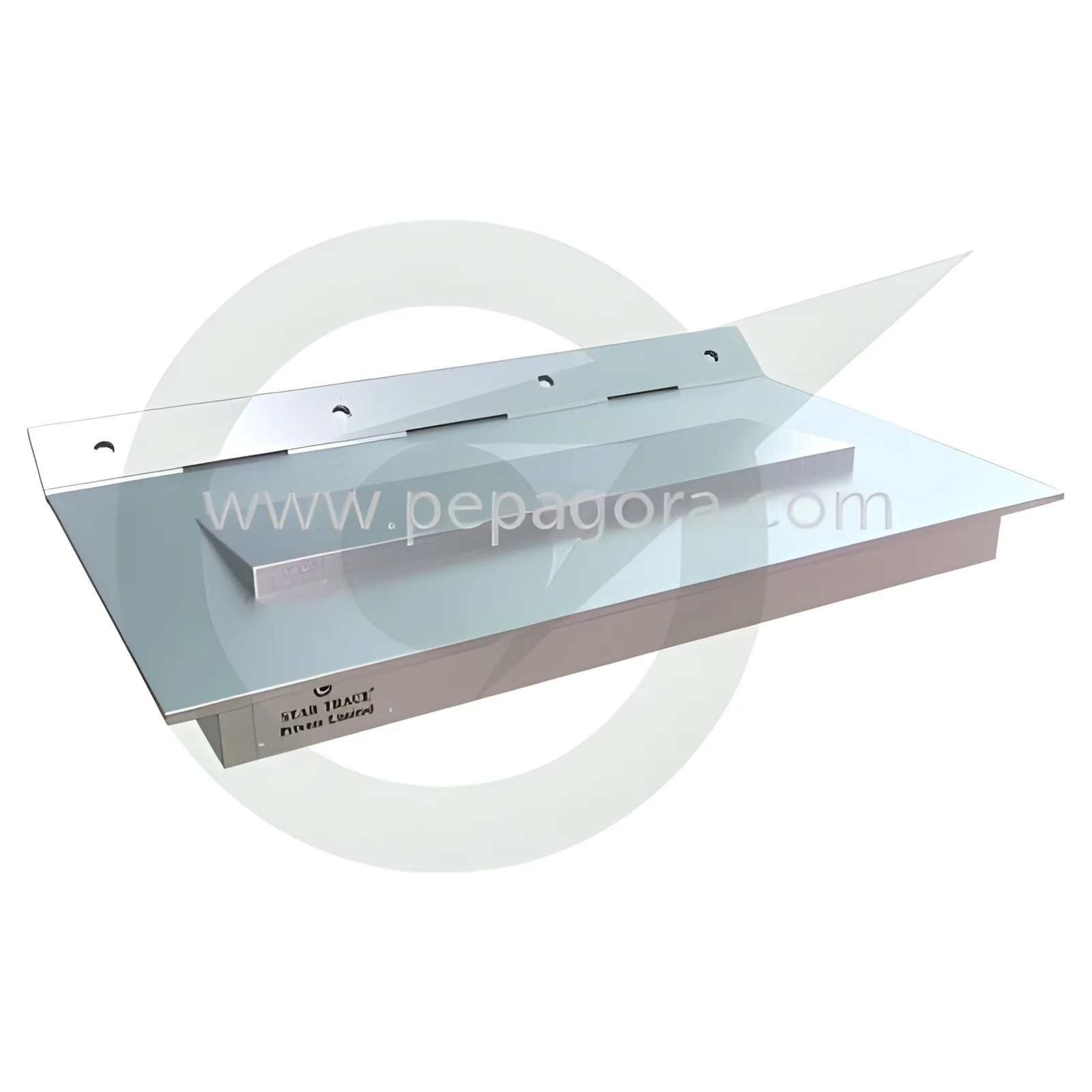
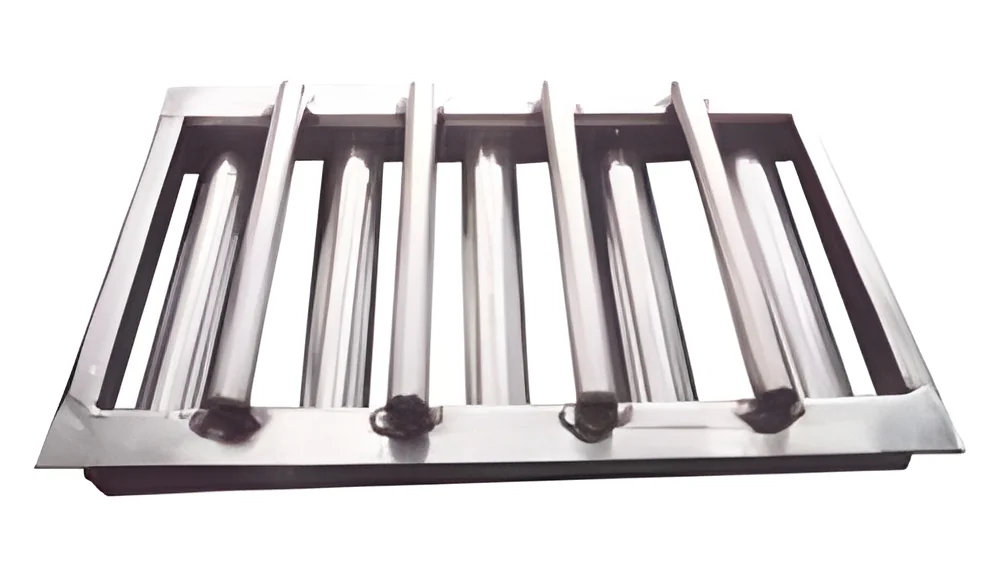
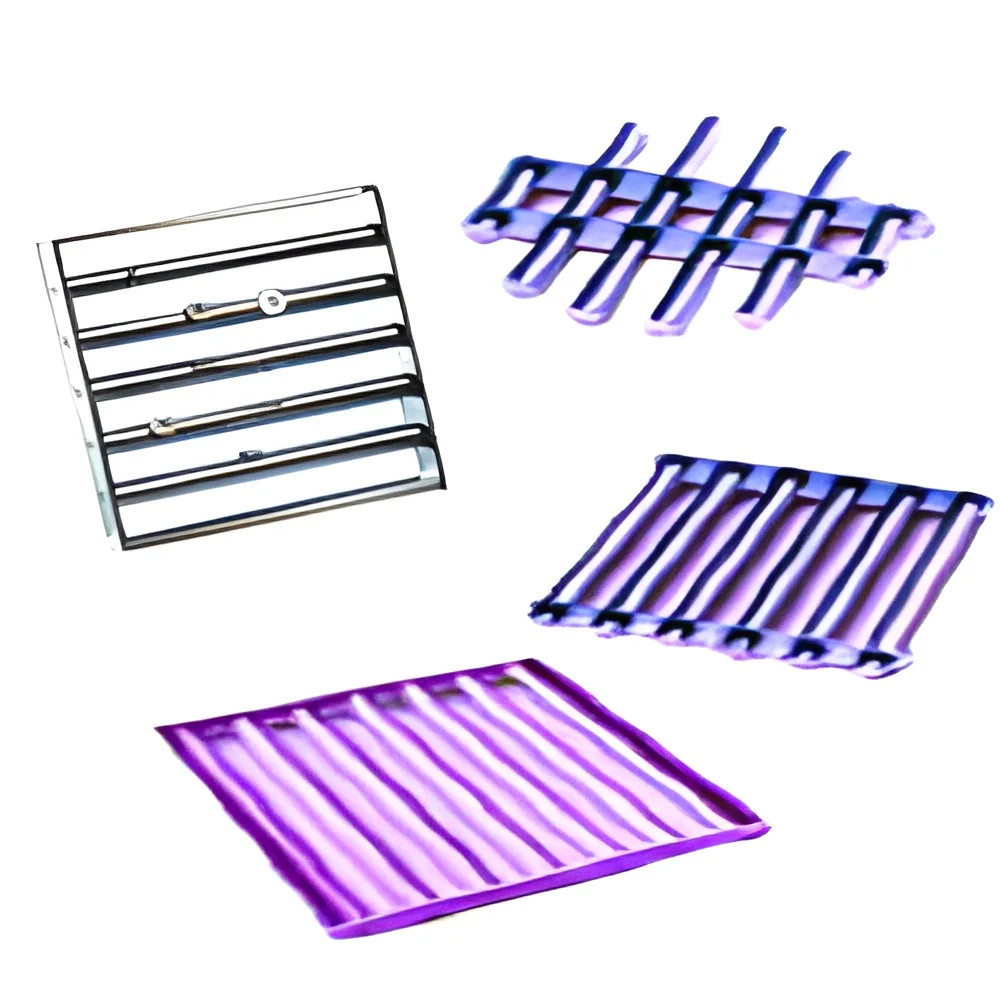
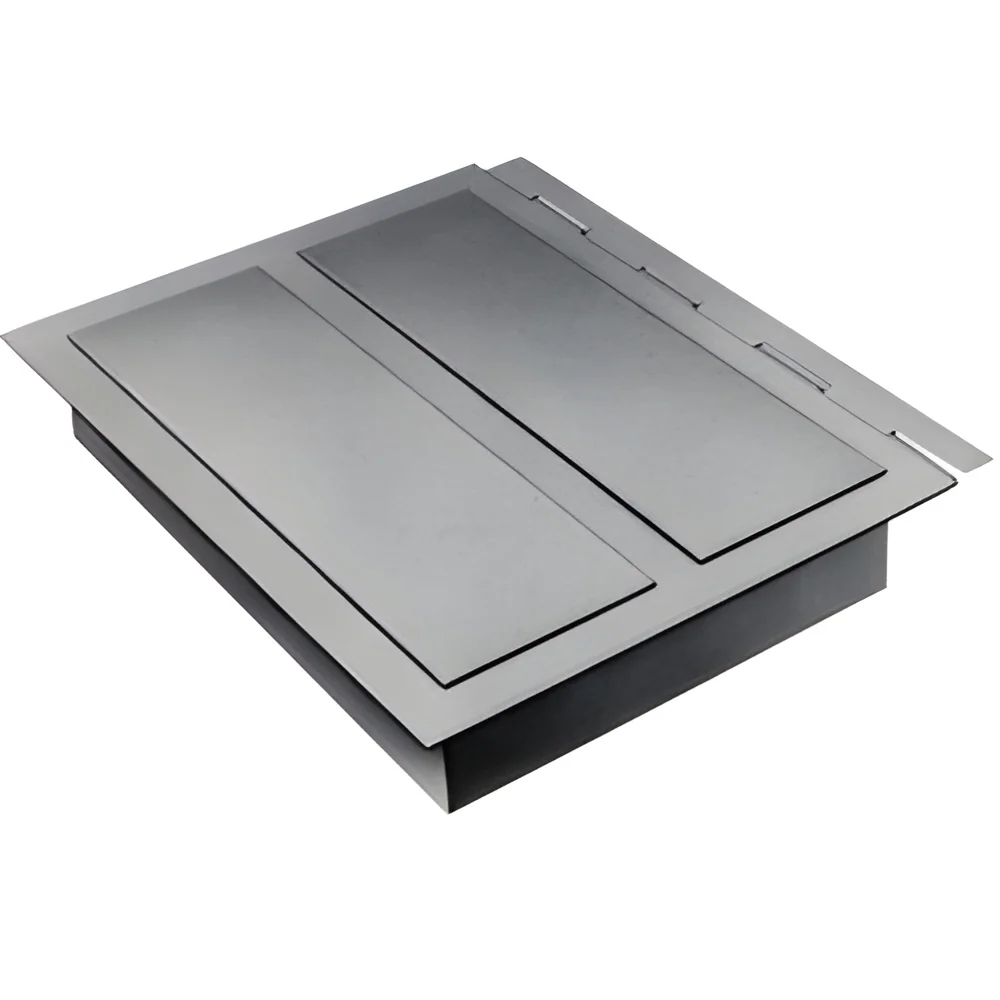
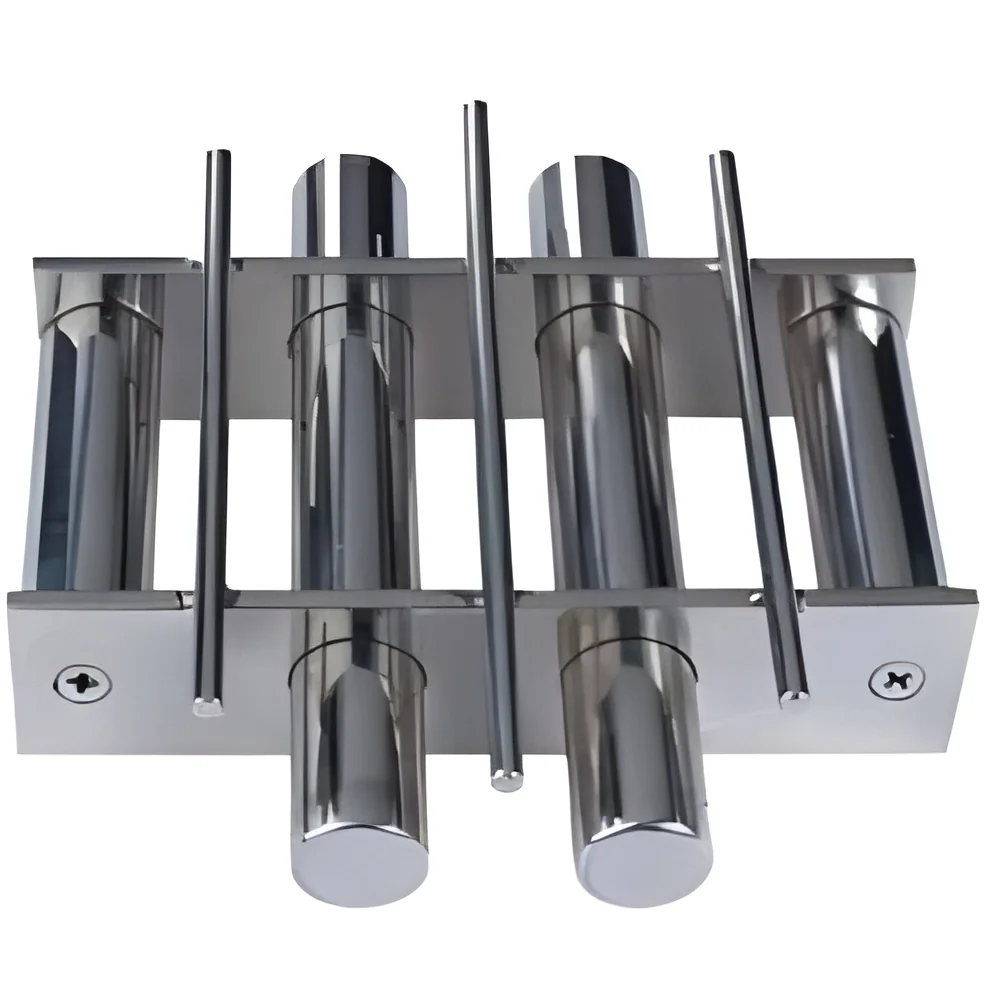
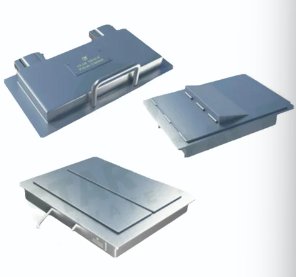
Plate Magnetic Separator
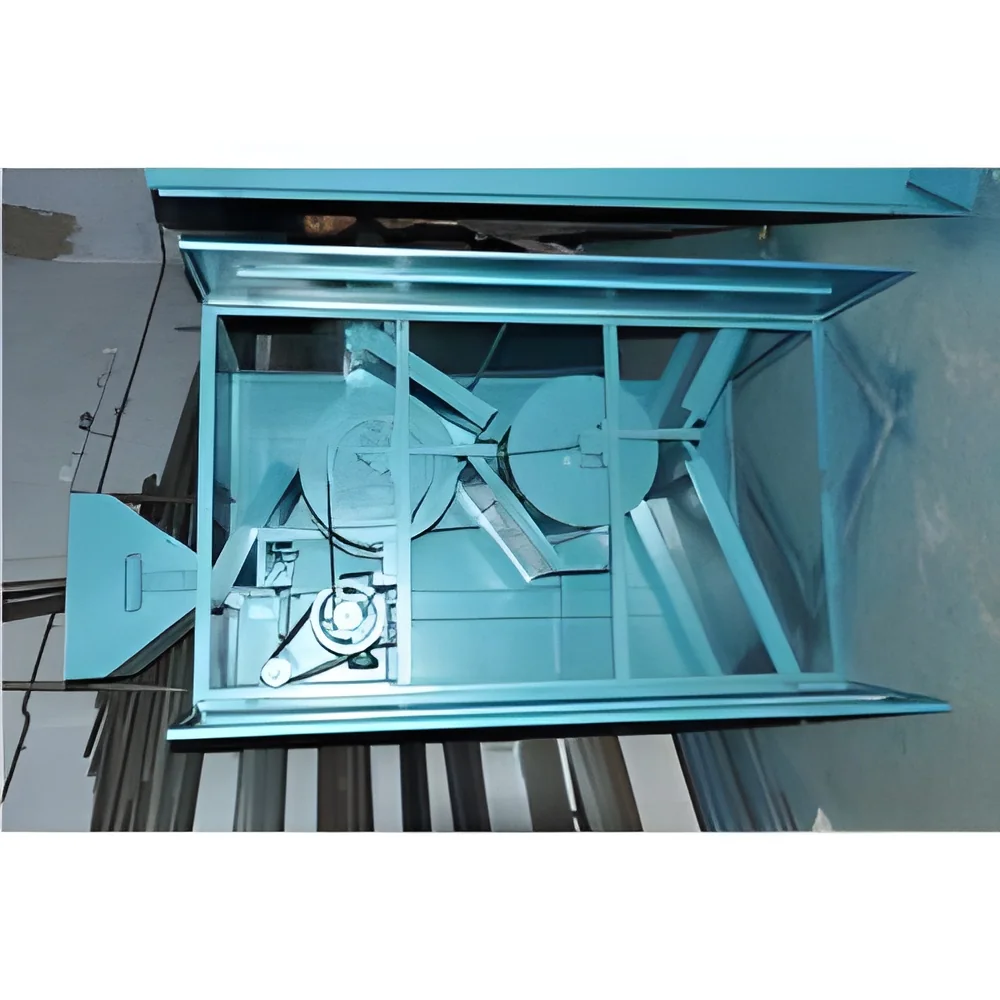
Plate magnetic separators are designed to be installed in hoppers or chutes. They effectively capture metal contamination in free-flowing materials, making them ideal for food processing.
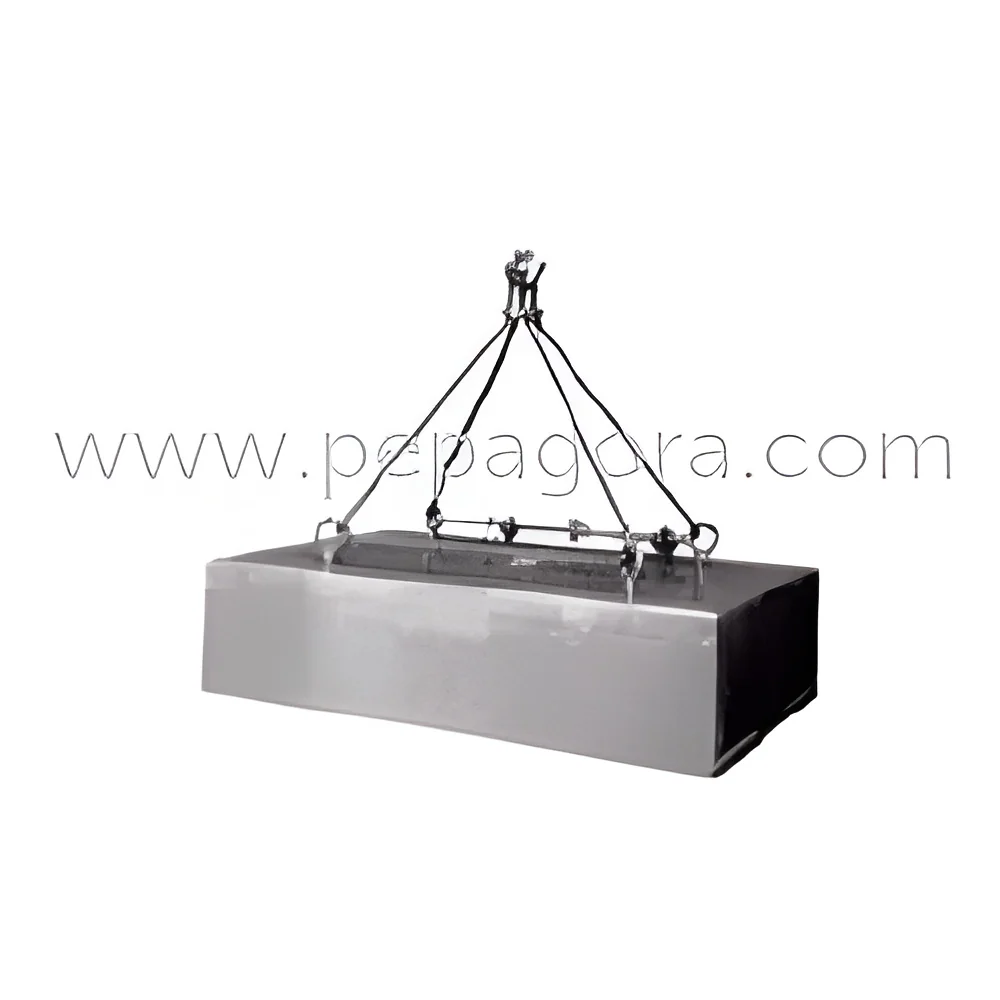
Suspended Magnetic Separator
This variant is suspended above conveyor belts or chutes and is effective in capturing ferrous contaminants from bulk materials. It is widely used in various industries.
Benefits and Advantages
Utilizing magnetic separators provides significant advantages to businesses across different sectors.
1. Enhanced Product Quality: By removing metal contaminants, magnetic separators ensure that end products meet quality standards.
2. Equipment Protection: They protect machinery from damage caused by metal debris, reducing downtime and maintenance costs.
3. Increased Efficiency: Magnetic separators streamline production processes by ensuring that raw materials are free from contaminants.
4. Regulatory Compliance: Using magnetic separators helps businesses comply with industry standards and regulations related to product safety.
5. Cost-Effectiveness: By preventing equipment damage and ensuring product quality, magnetic separators can lead to cost savings in the long run.
6. Versatile Applications: Their adaptability makes magnetic separators suitable for various industries, enhancing their market appeal.
Buying Guide for B2B Buyers
When sourcing magnetic separators, several factors need to be considered to ensure the best fit for your operations.
1. Quality Assessment: Look for products that meet international standards and have undergone rigorous testing to ensure reliability and performance.
2. Supplier Verification: Vet suppliers carefully by checking their certifications, reputation, and customer feedback to ensure a trustworthy partnership.
3. Pricing and MOQ: Consider the balance between cost and quality. Understand the minimum order quantities (MOQ) to align with your project needs and budget.
4. Delivery and Lead Times: Assess suppliers based on their ability to meet delivery deadlines and lead times, as timely availability is critical to maintaining production schedules.
5. Compliance Requirements: Ensure that the magnetic separators comply with relevant industry regulations and standards to avoid potential issues with product safety and quality.
Compliance and Certifications
Magnetic separators must adhere to various quality standards and certifications to ensure their reliability and safety in industrial applications.
ISO 9001 is a widely recognized quality management standard that ensures manufacturers maintain consistent quality in their products and services.
CE certification indicates that magnetic separators meet European Union safety, health, and environmental protection requirements, making them suitable for use in various industries.
Safety and testing requirements are also critical, as they ensure that the equipment operates safely under specified conditions and minimizes risks to users.
Regional compliance considerations may vary, so it is essential to understand local regulations governing the use of magnetic separators in your specific market.
Why Source Magnetic Separators from Pepagora?
Pepagora provides a trusted platform for sourcing magnetic separators, offering several key advantages to B2B buyers.
Verified Supplier Network: Pepagora connects buyers with a network of verified suppliers who meet stringent quality and reliability criteria. This ensures that you receive high-quality products tailored to your needs.
Streamlined RFQ Process: The Request for Quotation (RFQ) system simplifies the purchasing process, allowing buyers to easily compare offers and make informed decisions.
Trade Assurance and Support: Pepagora offers buyer protection through trade assurance, ensuring that transactions are secure and that you receive the products as promised.
Regional Coverage: With a strong presence in India, the Gulf Cooperation Council (GCC), and Southeast Asia, Pepagora provides extensive geographic reach, making it easier for businesses to find suitable suppliers in their region.
By choosing Pepagora, businesses can confidently source magnetic separators that meet their operational needs while benefiting from a reliable and efficient procurement process.

 IN
IN