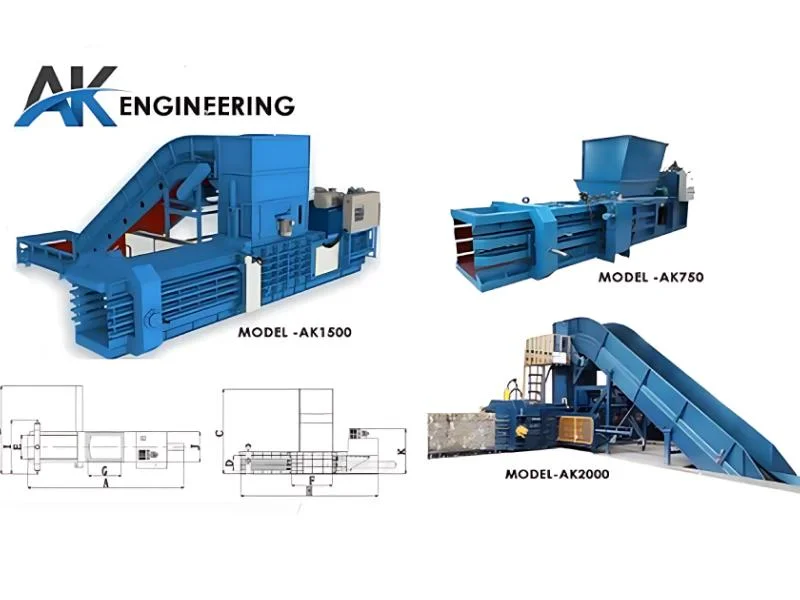
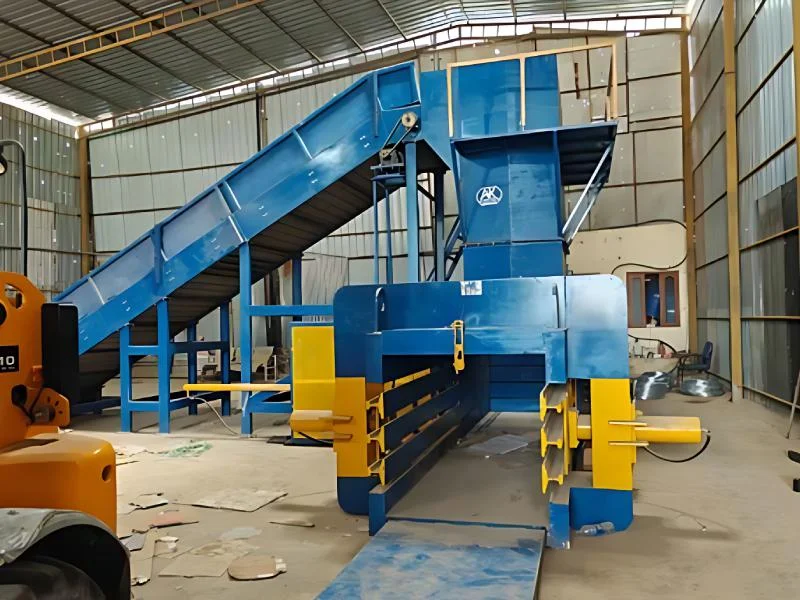
What are Cardboard Recycling Lines?
Cardboard recycling lines are specialized industrial systems designed to process cardboard waste into reusable material. These lines typically consist of several stages, including sorting, shredding, pulping, and dewatering, which transform used cardboard into a form that can be reintroduced into the production cycle. The technology behind these lines varies, but they all aim to increase efficiency and reduce waste in the cardboard recycling process.
These systems are primarily used in recycling facilities, manufacturing plants, and large distribution centers, where cardboard waste is generated in significant quantities. By utilizing cardboard recycling lines, businesses can minimize their environmental footprint while also benefiting from cost savings associated with material recovery. The increasing focus on sustainability and waste management in various industries has heightened the relevance of these systems in today’s market.
As global awareness of environmental issues grows, the demand for effective recycling solutions, including cardboard recycling lines, continues to rise. Industries are increasingly required to adopt sustainable practices, making these systems not just beneficial but essential for compliance with regulations and corporate social responsibility goals.
Key Features and Specifications
Cardboard recycling lines come equipped with various features and specifications that ensure optimal performance and efficiency. Understanding these specifications can help businesses select the right system for their needs.
Key specifications include:
1. Throughput Capacity
- Refers to the volume of cardboard processed per hour
- Technical parameters typically range from 1 to 10 tons per hour
2. Energy Consumption
- Indicates the amount of energy required for operation
- Often measured in kilowatt-hours (kWh) per ton of cardboard processed
3. Automation Level
- Describes the degree of automation in the system
- Options may include fully automated, semi-automated, or manual operation
4. Space Requirements
- Outlines the physical footprint of the system
- Varies based on line configuration and components
5. Maintenance Frequency
- Specifies how often maintenance tasks should be performed
- Regular maintenance schedules are crucial for long-term efficiency
6. Safety Features
- Includes emergency stop systems and protective covers
- Ensures operator safety during operation
7. Material Compatibility
- Indicates the types of cardboard that can be processed
- Includes single-layer, double-layer, and mixed cardboard
8. Control Systems
- Describes the technology used for monitoring and controlling the line
- May include PLC systems or advanced software interfaces
In summary, understanding the key features and specifications of cardboard recycling lines can help businesses make informed decisions about their investment in recycling technology.
Common Applications and Use Cases
Cardboard recycling lines find applications across a variety of industries, providing effective solutions for waste management and material recovery.
1. Retail Industry: Retailers generate large volumes of cardboard from packaging. Recycling lines help them manage waste while reducing disposal costs and improving sustainability.
2. Manufacturing Sector: Manufacturers often deal with cardboard in shipping and packaging. Recycling lines enable them to reclaim materials, contributing to a circular economy.
3. Logistics and Warehousing: These facilities produce significant cardboard waste. Efficient recycling systems help streamline operations and reduce landfill contributions.
4. Food and Beverage: The industry utilizes cardboard for packaging and shipping products. Recycling lines ensure that used materials are processed responsibly.
5. E-commerce: With the rise of online shopping, e-commerce businesses generate substantial cardboard waste. Recycling lines help manage this waste efficiently.
6. Construction: Cardboard is used in temporary structures and packaging. Recycling lines allow construction companies to handle waste sustainably.
7. Education: Schools and universities produce considerable cardboard waste from packaging and supplies. Recycling initiatives can foster environmental responsibility among students.
Product Variants and Subcategories
Cardboard recycling lines are available in various configurations to meet specific industrial needs. Each variant is designed to cater to different processing requirements.
Standard Recycling Line: This variant is designed for general cardboard recycling operations. It offers efficient processing capabilities and is suitable for a wide range of cardboard types.
High-Throughput Line: Ideal for large-scale operations, this line can handle higher volumes of cardboard waste. Its advanced technology ensures minimal downtime and maximizes productivity.
Compact Recycling Line: This variant is designed for facilities with limited space. Despite its smaller footprint, it maintains high efficiency and performance standards.
Mobile Recycling Line: Designed for flexibility, this line can be transported to various locations. It is particularly useful for temporary setups or on-site recycling.
Benefits and Advantages
Investing in cardboard recycling lines offers numerous benefits for businesses looking to enhance their sustainability efforts.
Key benefits include:
1. Cost Savings: By recycling cardboard, businesses can significantly reduce disposal costs and recover valuable raw materials.
2. Environmental Impact: Recycling helps decrease landfill waste, contributing to a more sustainable future and improving corporate social responsibility.
3. Compliance: Many industries face regulatory requirements regarding waste management. Cardboard recycling lines help businesses meet these requirements.
4. Resource Recovery: These systems enable the recovery of fibers and materials, which can be reused in the production of new cardboard products.
5. Improved Efficiency: Modern recycling lines are designed to operate efficiently, reducing the time and labor required for processing waste.
6. Brand Reputation: Companies that prioritize sustainability can enhance their brand image and appeal to environmentally conscious consumers.
Buying Guide for B2B Buyers
When sourcing cardboard recycling lines, businesses should consider several key factors to ensure they select the right system for their operations.
1. Quality Assessment: Look for systems that meet industry standards and have a proven track record of reliability. Consider customer reviews and case studies.
2. Supplier Verification: Vet potential suppliers to ensure they have a solid reputation and provide quality products and services. Request references and check certifications.
3. Pricing and MOQ: Understand the pricing structure and minimum order quantities. Compare costs against features and specifications to ensure value for money.
4. Delivery and Lead Times: Consider logistics and delivery times. Ensure the supplier can meet your operational deadlines without compromising quality.
5. Compliance Requirements: Ensure the system meets local and international regulations. This includes safety standards and environmental compliance.
Compliance and Certifications
Cardboard recycling lines must adhere to various compliance and certification standards to ensure quality and safety.
Key quality standards such as ISO 9001 and HACCP are essential for maintaining consistent operational quality and ensuring safe food handling procedures in applicable contexts.
Industry certifications like CE indicate compliance with European health, safety, and environmental protection standards. These certifications are crucial for manufacturers looking to operate in regulated markets.
In addition to safety certifications, manufacturers should consider any regional compliance requirements that may apply depending on where the equipment will be used. Understanding these standards is vital for ensuring that operations meet legal and industry expectations.
Why Source Cardboard Recycling Lines from Pepagora?
Pepagora provides a trusted platform for sourcing cardboard recycling lines with several key advantages.
Verified Supplier Network: Pepagora’s network consists of thoroughly vetted suppliers, ensuring that businesses can find reliable partners for their recycling needs. Each supplier is evaluated based on their product quality and service history.
Streamlined RFQ Process: The request for quotation process is user-friendly, allowing buyers to easily submit their requirements and receive competitive quotes. This saves time and enhances decision-making efficiency.
Trade Assurance and Support: Buyers benefit from trade assurance features that protect their investments. Pepagora offers support throughout the purchasing process to ensure a smooth transaction.
Regional Coverage: With a strong presence in India, the GCC, and Southeast Asia, Pepagora connects buyers with suppliers across these regions, facilitating access to quality recycling solutions tailored to local markets.

 IN
IN