What are Glass Separation Systems?
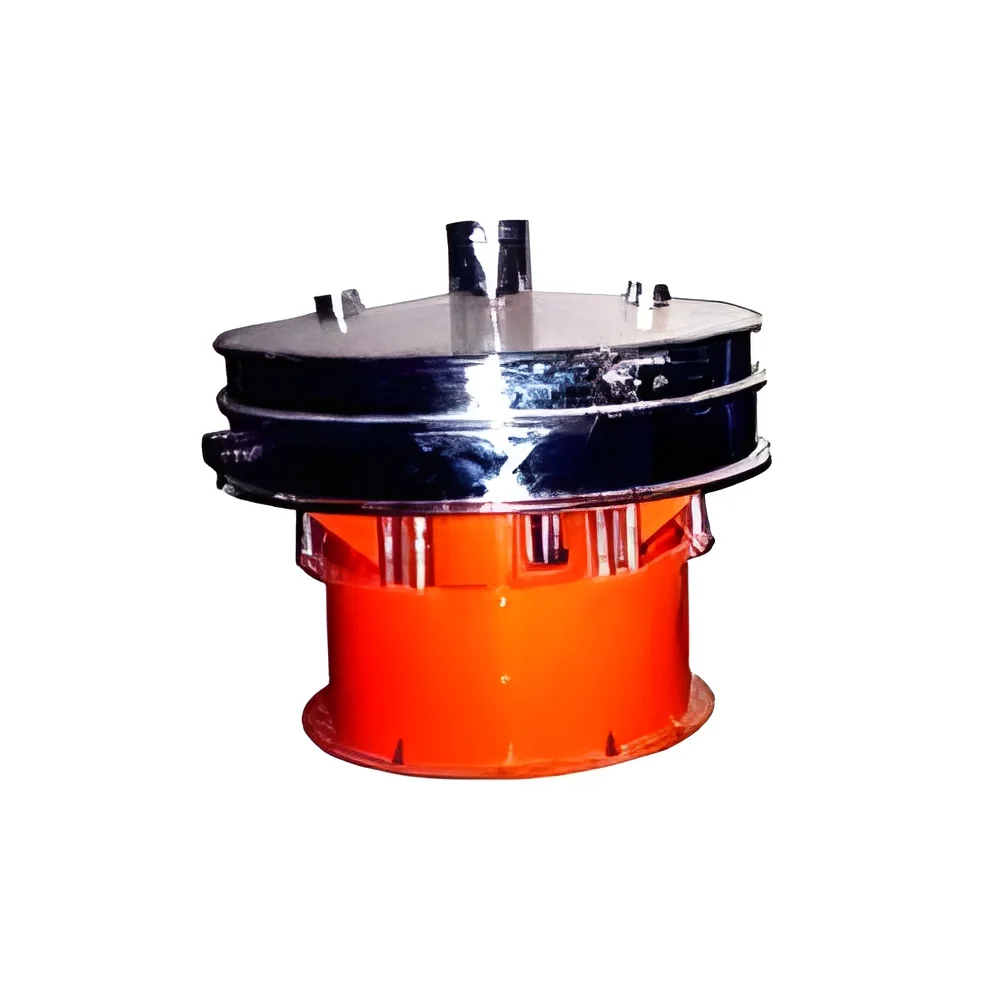
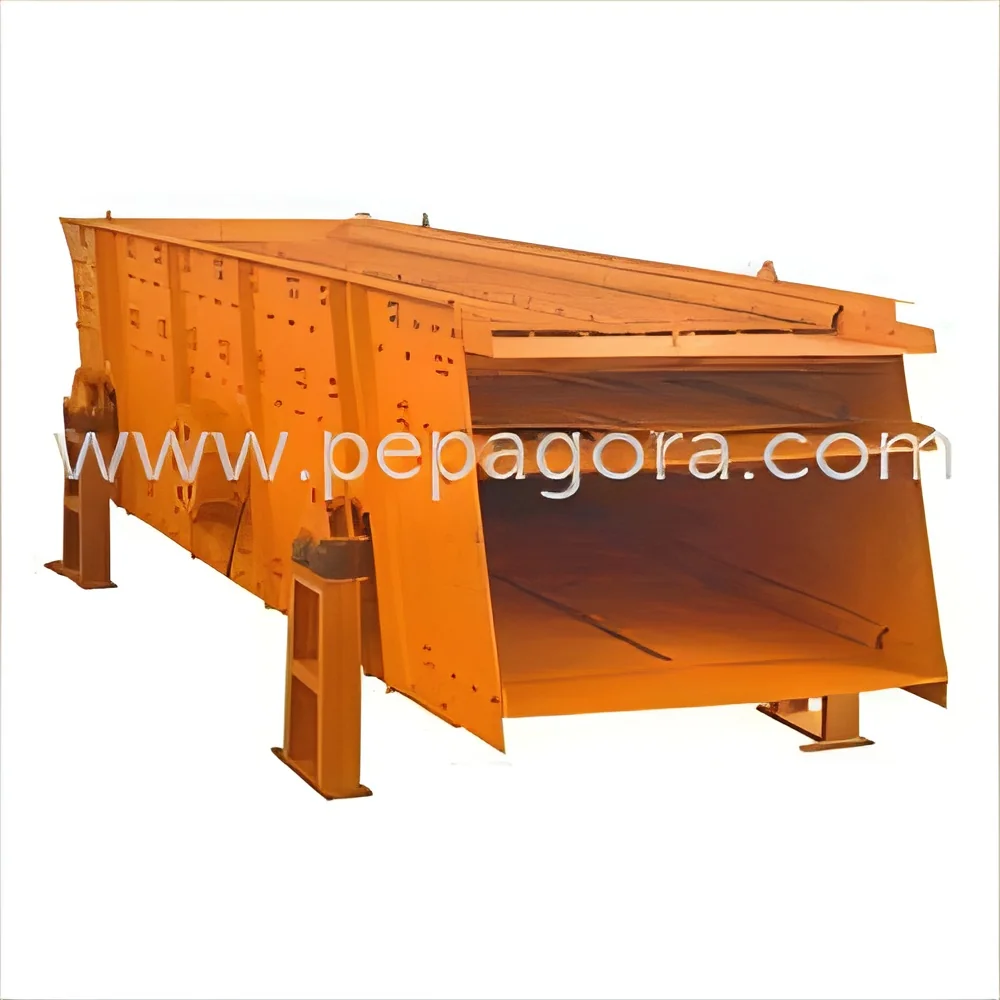
Glass Separation Systems are specialized equipment designed to separate glass particles from various materials in industrial settings. These systems utilize advanced technology to ensure the effective segregation of glass from other substances, minimizing contamination and maximizing recycling efficiency. By employing mechanical and pneumatic methods, these systems offer a reliable solution for industries looking to enhance their glass processing capabilities.
Primarily, Glass Separation Systems are used in recycling facilities, manufacturing plants, and waste management operations. They facilitate the processing of post-consumer glass, allowing for the recovery of valuable materials while promoting sustainable practices. These systems play a crucial role in the glass recycling industry, contributing to reduced landfill waste and encouraging the circular economy. As the demand for recycled materials grows, Glass Separation Systems remain highly relevant in various market contexts, providing essential support for eco-friendly initiatives.
Key Features and Specifications
Glass Separation Systems come equipped with several features designed to optimize their performance and efficiency in various applications. Understanding these key specifications is critical for businesses looking to invest in these systems.
Key specifications include:
1. Separation Efficiency
- High separation rates ensure minimal glass contamination in the final product.
- Typical efficiency rates can exceed 95%.
2. Throughput Capacity
- Systems are designed to handle varying volumes of material.
- Capacities can range from 1 ton to over 10 tons per hour.
3. Material Compatibility
- Suitable for a broad range of materials including mixed recyclables and industrial waste.
- Designed to process both colored and clear glass.
4. Energy Consumption
- Energy-efficient models available to reduce operational costs.
- Power requirements typically range from 5 kW to 20 kW.
5. Maintenance Requirements
- Systems are designed for easy maintenance and quick part replacements.
- Recommended maintenance intervals are generally every 6 to 12 months.
6. Safety Features
- Equipped with safety guards and emergency shut-off systems.
- Compliance with CE safety standards.
7. Customization Options
- Various configurations available to meet specific operational needs.
- Options for automation and remote monitoring.
In summary, understanding these key features and specifications can help businesses identify the right Glass Separation System for their needs, ensuring optimal performance and efficiency.
Common Applications and Use Cases
Glass Separation Systems are utilized across various industries, providing effective solutions for glass processing and recycling.
1. Recycling Industry: These systems are vital for separating glass from other materials in recycling facilities, enhancing the quality of recycled glass and reducing contamination.
2. Construction: In construction and demolition, Glass Separation Systems help recover glass from mixed debris, promoting material reuse and sustainability.
3. Food and Beverage: These systems can be integrated into production lines to separate glass from food products, ensuring compliance with safety standards.
4. Manufacturing: Glass Separation Systems are used to reclaim glass in the manufacturing process, reducing waste and improving material efficiency.
5. Waste Management: Municipal waste management facilities employ these systems to sort glass from general waste, contributing to recycling efforts and landfill diversion.
6. Automotive: In the automotive industry, these systems assist in recycling glass from old vehicles, supporting eco-friendly practices.
7. Hospitality: Hotels and restaurants use Glass Separation Systems to manage glass waste effectively, promoting sustainability and compliance with waste regulations.
Product Variants and Subcategories
Glass Separation Systems come in various configurations to meet the diverse needs of different industries.
Standard Model
This model offers basic functionality with efficient glass separation and is suitable for small to medium-sized operations. It provides reliable performance with lower operational costs.
Advanced Model
The advanced version includes enhanced features such as automated sorting and remote monitoring capabilities. It is ideal for larger facilities requiring high throughput and efficiency.
Custom Model
Custom models can be tailored to specific operational requirements, including unique dimensions and integration capabilities. This flexibility allows businesses to optimize their glass separation processes according to their needs.
Benefits and Advantages
Investing in Glass Separation Systems offers numerous advantages for businesses looking to enhance their recycling and processing capabilities.
Key benefits include:
1. Increased Efficiency: These systems significantly improve the speed and accuracy of glass separation, reducing processing time and labor costs.
2. Enhanced Quality: High separation efficiency leads to cleaner end products, increasing the value of recycled glass.
3. Environmental Impact: By promoting glass recycling, these systems contribute to sustainable practices and reduced landfill waste.
4. Cost Savings: Improved operational efficiency often results in decreased costs associated with waste disposal and raw material procurement.
5. Compliance Support: Many systems meet necessary regulatory and safety standards, ensuring businesses remain compliant with industry requirements.
6. Customization Flexibility: The ability to tailor systems to specific needs allows for better integration into existing operations.
Buying Guide for B2B Buyers
When sourcing Glass Separation Systems, it is essential for B2B buyers to consider several key factors to ensure they make informed purchasing decisions.
1. Quality Assessment: Evaluate the quality of the systems by reviewing manufacturer certifications, customer feedback, and performance metrics to ensure reliability and efficiency.
2. Supplier Verification: Vet suppliers by checking their reputation, experience in the industry, and customer testimonials to ensure they can provide quality products and support.
3. Pricing and MOQ: Consider the pricing structure and minimum order quantities to align with budget constraints and operational needs.
4. Delivery and Lead Times: Discuss logistics and expected lead times to ensure timely delivery and integration into production schedules.
5. Compliance Requirements: Understand any regulatory requirements specific to your industry, including safety standards and environmental regulations, to ensure full compliance.
Compliance and Certifications
Glass Separation Systems must adhere to various quality and safety standards to ensure reliability and performance in industrial applications. Key standards include ISO 9001, which focuses on quality management systems, ensuring that products meet customer and regulatory requirements consistently.
Additionally, many Glass Separation Systems are certified with CE marking, indicating compliance with European safety standards. This certification assures buyers of the product’s safety and efficacy.
Furthermore, safety and testing requirements are critical in the manufacturing of these systems. Regular testing ensures that systems operate within specified parameters, while compliance with regional regulations is necessary for businesses operating in specific markets.
Overall, maintaining compliance with these standards is essential for businesses to ensure their operations are safe, efficient, and legally compliant.
Why Source Glass Separation Systems from Pepagora?
Pepagora offers a trusted platform for sourcing Glass Separation Systems, providing several key advantages to B2B buyers.
Verified Supplier Network: With a comprehensive network of verified suppliers, Pepagora ensures that buyers can access high-quality products from reputable manufacturers. This verification process adds an additional layer of security for buyers making purchasing decisions.
Streamlined RFQ Process: The request for quotation process is designed to be efficient and straightforward, allowing buyers to easily compare options and make informed decisions. This streamlined approach saves valuable time and resources.
Trade Assurance and Support: Pepagora provides trade assurance, protecting buyers during transactions. The platform also offers support throughout the purchasing process, ensuring that buyers have access to help whenever needed.
Regional Coverage: With a strong presence in India, the GCC, and Southeast Asia, Pepagora's regional coverage allows buyers to source products tailored to their specific market needs. This geographic reach ensures that businesses can find the right Glass Separation Systems to suit their operational requirements.

 IN
IN