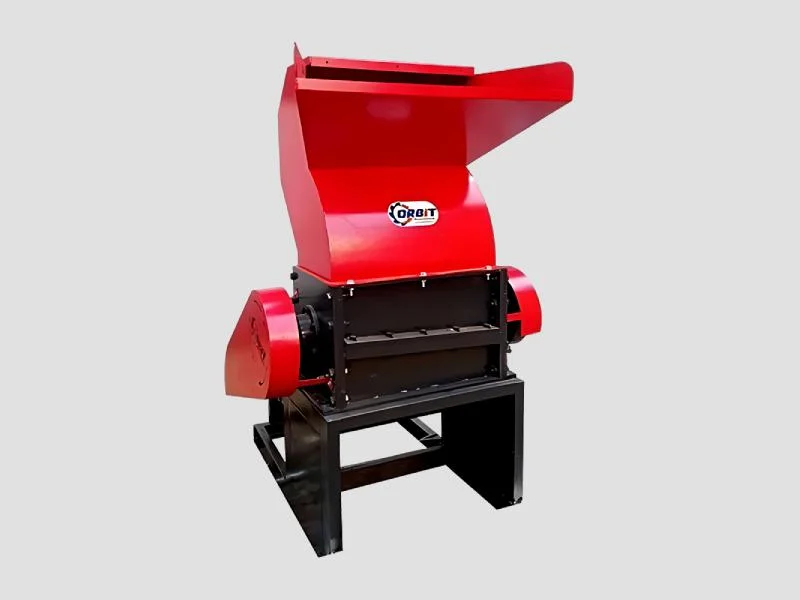
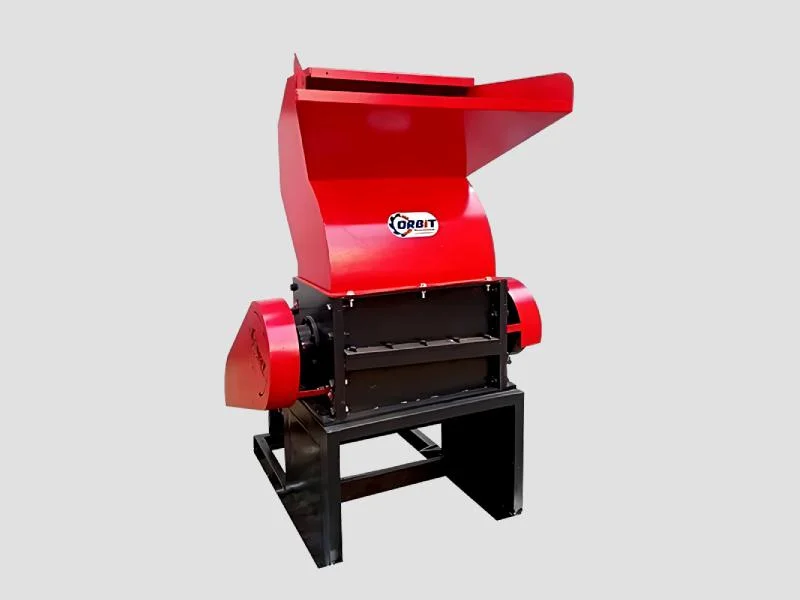
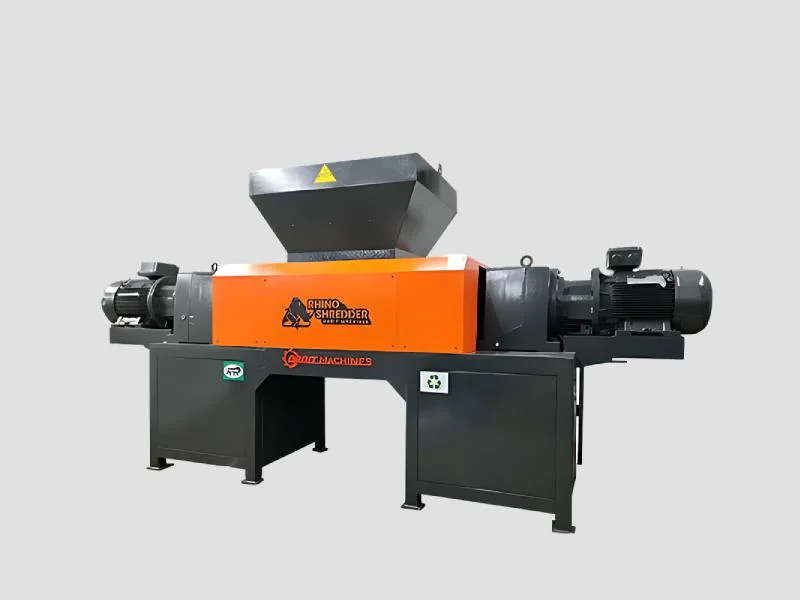
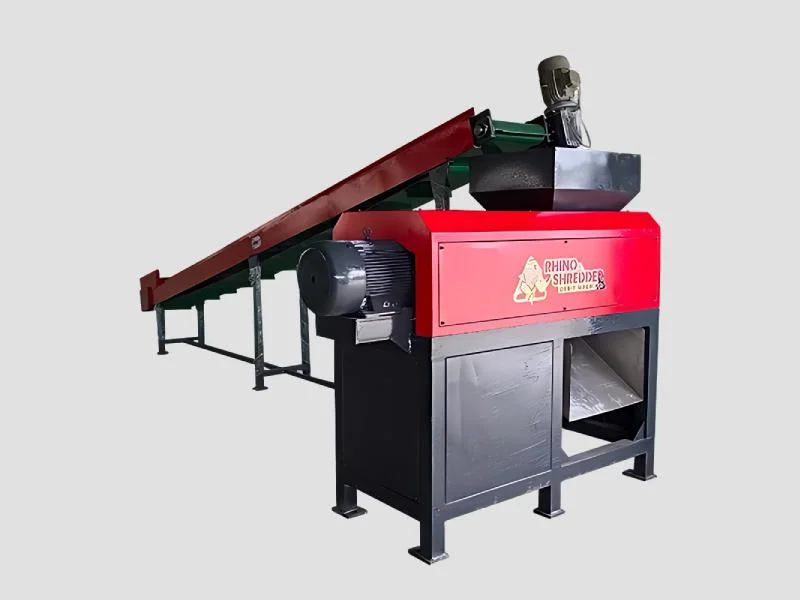
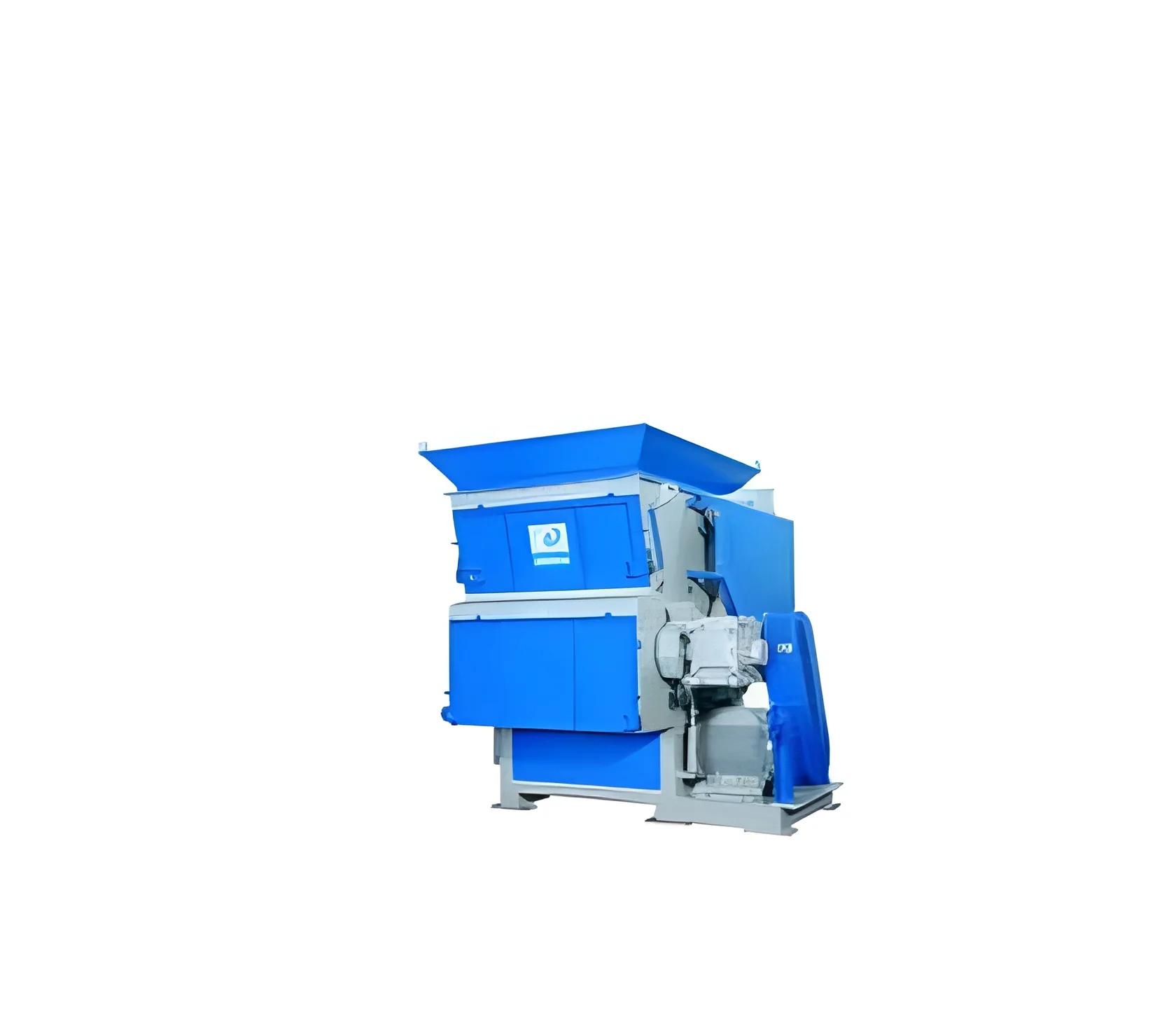
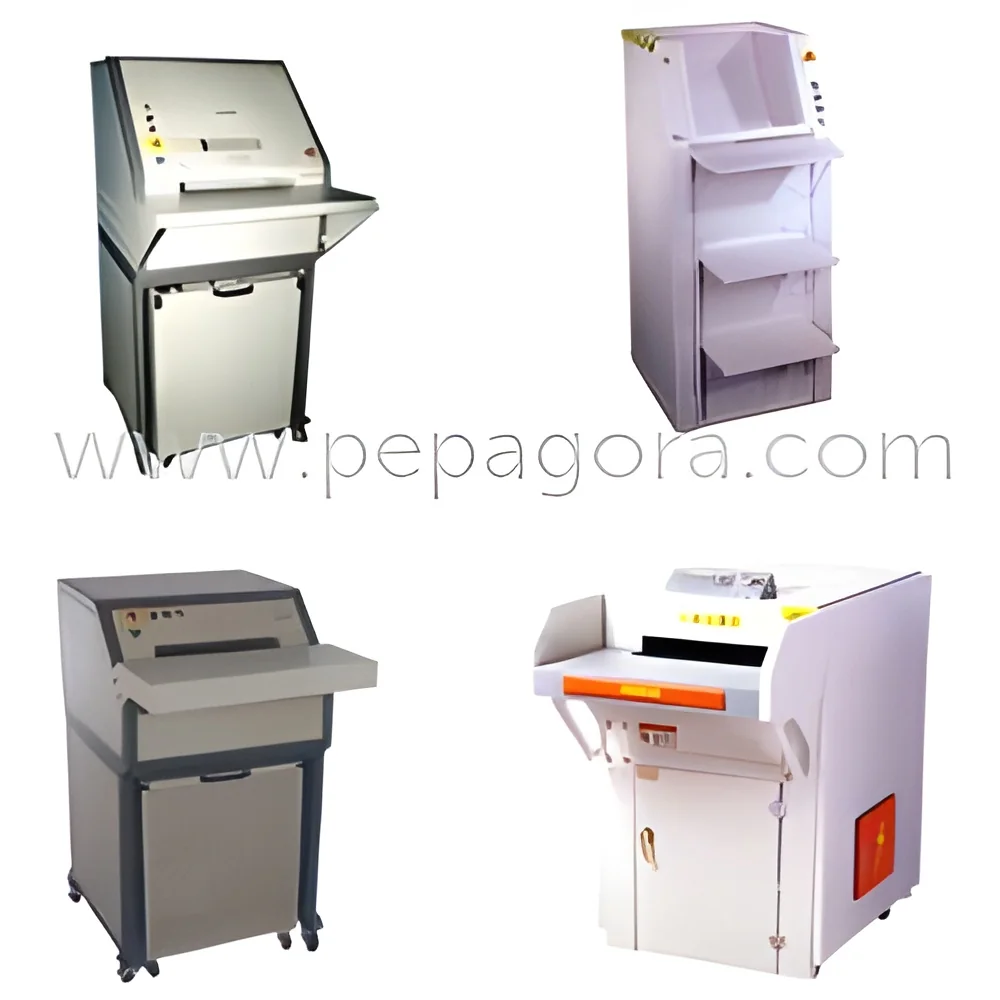
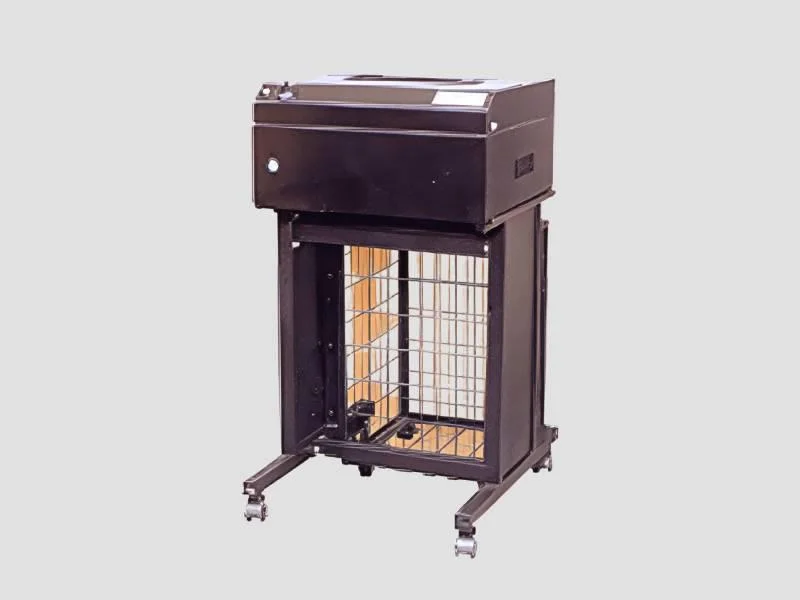
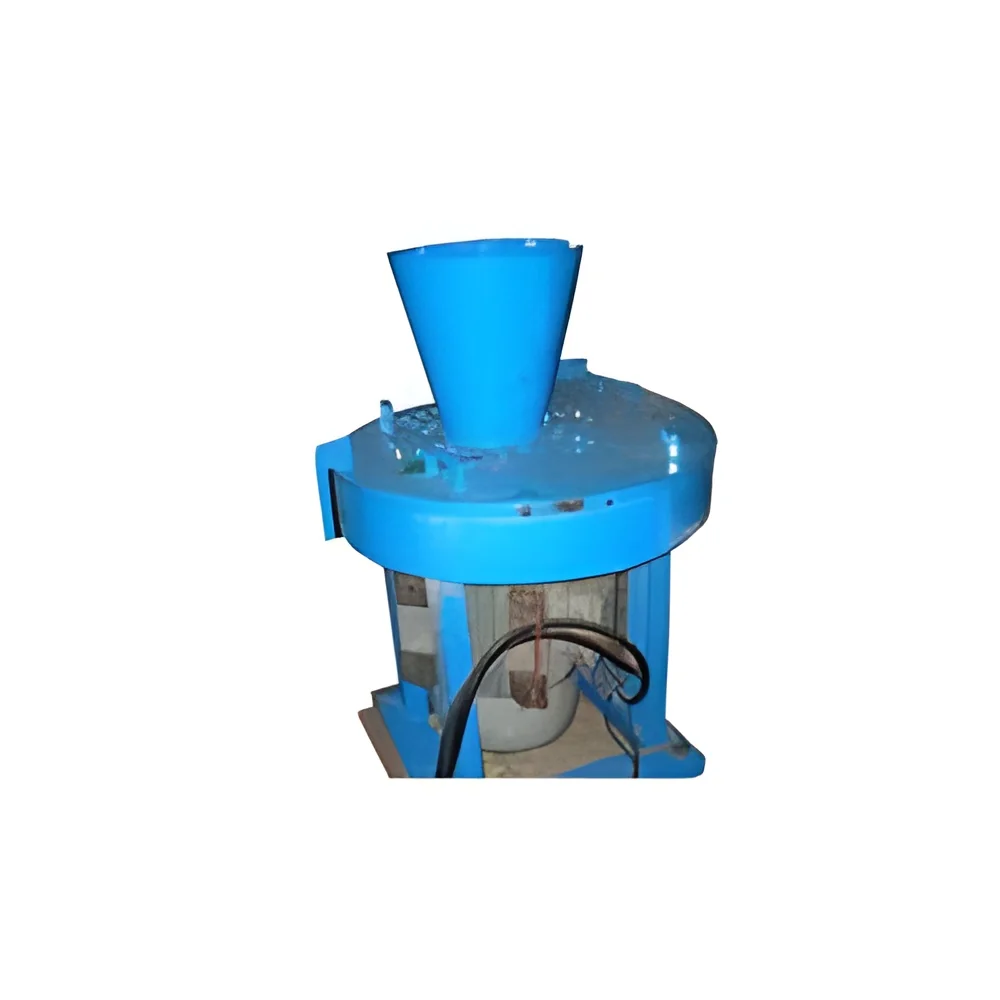
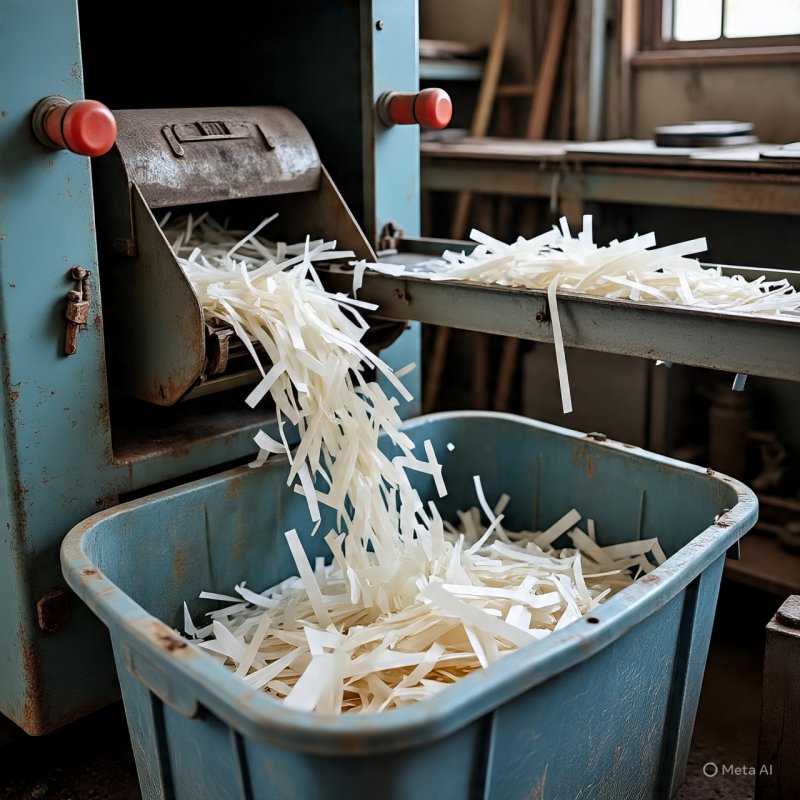
What are Plastic Shredders?
Plastic shredders are industrial machines designed to reduce plastic materials into smaller pieces, making them easier to handle and recycle. They operate by using sharp blades to cut and shred plastic waste into manageable sizes. This process is essential for recycling operations, enabling the transformation of discarded plastics back into reusable forms.
These machines find their primary use in various sectors, including manufacturing, recycling, and waste management. Businesses utilize plastic shredders to process plastic waste generated during production or from consumer products. The shredded plastic can be repurposed for new products, thereby promoting sustainability and reducing environmental impact. As industries increasingly focus on eco-friendly practices, the demand for plastic shredders has surged, making them a pivotal component in waste reduction strategies.
In the current market, plastic shredders are relevant across multiple industries, including automotive, consumer goods, and packaging. The growing emphasis on recycling and waste management has led to increased investments in technology that supports efficient plastic processing, further driving the demand for high-quality shredders.
Key Features and Specifications
Plastic shredders come equipped with a range of features designed to enhance their performance and efficiency. Understanding these specifications is crucial for businesses looking to invest in the right equipment.
Key specifications include:
1. Cutting Capacity
- This refers to the amount of plastic that can be processed per hour.
- Technical parameters typically range from 300 kg to several tons, depending on the model.
2. Blade Type
- The design and material of the blades impact shredding efficiency and durability.
- Common blade types include rotary and fixed blades, made from hardened steel.
3. Motor Power
- The power of the motor determines the machine's ability to handle tough materials.
- Specifications often range from 5 HP to 50 HP or more.
4. Size of Shredded Output
- The size of the plastic pieces after shredding can vary.
- Output sizes typically range from 10 mm to 50 mm.
5. Safety Features
- Many shredders are equipped with emergency stop buttons and safety guards.
- Compliance with safety standards is crucial for operator protection.
6. Noise Levels
- Operating noise can be a concern in certain environments.
- Specifications usually indicate noise levels in decibels (dB).
7. Energy Efficiency
- Energy consumption is an important factor for long-term operational costs.
- Many modern shredders are designed to minimize energy use while maximizing output.
8. Control Systems
- Advanced shredders may include digital control panels for monitoring and adjustments.
- Features like automatic feed control enhance operational efficiency.
In summary, knowing the key features and specifications of plastic shredders helps buyers make informed decisions about which machines will best suit their operational needs.
Common Applications and Use Cases
Plastic shredders serve a wide array of industries, playing a vital role in recycling and waste management processes.
1. Manufacturing: In manufacturing facilities, plastic shredders are used to process scrap materials from production lines, allowing for the recycling of leftover plastics into new products.
2. Recycling: Recycling centers utilize shredders to break down post-consumer plastic waste, making it easier to transport and process. This helps in producing recycled pellets that can be used for new manufacturing.
3. Packaging: The packaging industry often generates significant plastic waste. Shredders help manage this waste by converting it into smaller pieces for recycling.
4. Automotive: In the automotive sector, shredders are used to handle plastic components from old vehicles, facilitating their recycling and reuse in new parts.
5. Electronics: Electronic waste often contains various plastic components. Shredders enable the separation and recycling of these materials.
6. Construction: Construction sites generate plastic waste from packaging and materials. Shredders can process this waste to support recycling efforts.
7. Agriculture: Agricultural plastic waste, such as film and containers, can be shredded and recycled, aiding in sustainable farming practices.
Product Variants and Subcategories
Plastic shredders come in various models, each designed to meet specific operational needs. This diversity allows businesses to select a shredder that aligns with their requirements.
Industrial Plastic Shredder: These shredders are designed for high-volume processing, making them ideal for large recycling operations. They typically feature robust construction and high cutting capacities.
Small-Scale Plastic Shredder: Suitable for smaller businesses or workshops, these models focus on efficiency and ease of use. They are ideal for processing limited amounts of plastic waste.
Mobile Plastic Shredder: These shredders are designed for portability, allowing for on-site processing of plastic waste. They are particularly useful in construction or demolition sites where waste needs to be managed promptly.
Benefits and Advantages
Investing in plastic shredders offers numerous advantages for businesses focused on sustainability and efficiency.
1. Waste Reduction: Shredders significantly reduce the volume of plastic waste, facilitating easier handling and disposal.
2. Cost Efficiency: By recycling plastic waste, companies can save on raw material costs, leading to long-term financial benefits.
3. Environmental Impact: Shredding and recycling plastics help reduce landfill contributions, fostering a more sustainable business model.
4. Enhanced Recycling Processes: Shredders streamline the recycling process, allowing for quicker and more efficient material recovery.
5. Versatility: Many shredders can process various types of plastic, making them suitable for different industries and applications.
6. Improved Safety: Modern shredders come with enhanced safety features, minimizing the risk of accidents during operation.
Buying Guide for B2B Buyers
When sourcing plastic shredders, several important factors should be considered to ensure a wise investment.
1. Quality Assessment: Evaluate the quality of the shredder based on the manufacturer's reputation and user reviews. Look for machines that meet industry standards and have a track record of reliability.
2. Supplier Verification: Vet suppliers to ensure they provide high-quality products and reliable after-sales support. Consider their certifications and industry experience.
3. Pricing and MOQ: Understand the pricing structure and minimum order quantities. Compare prices across multiple suppliers to ensure competitive rates.
4. Delivery and Lead Times: Inquire about delivery schedules and lead times. Timely delivery is crucial for maintaining operational efficiency.
5. Compliance Requirements: Ensure the shredder meets relevant industry standards and regulations. Compliance with safety and environmental standards is essential for operational legitimacy.
Compliance and Certifications
Plastic shredders are subject to various compliance standards to ensure safety and efficiency in operation. Relevant quality standards such as ISO 9001 are crucial for manufacturing processes, ensuring that products meet consistent quality benchmarks.
In addition to ISO certifications, many plastic shredders carry CE certification, indicating compliance with EU safety and environmental regulations. This certification is important for businesses operating in or exporting to European markets.
Safety and testing requirements also play a significant role in shredder design. Manufacturers often conduct rigorous testing to ensure that their machines can operate safely under different conditions.
Businesses should also consider regional compliance requirements, as different countries may have varying regulations regarding machinery safety and environmental impact. It is important to stay informed about these regulations to ensure compliance when sourcing shredders.
Why Source Plastic Shredders from Pepagora?
Pepagora provides a trusted platform for sourcing plastic shredders, offering several key advantages for B2B buyers.
Verified Supplier Network: Pepagora has established a robust network of verified suppliers, ensuring that buyers can access high-quality products. Each supplier is vetted for reliability and performance, giving buyers peace of mind.
Streamlined RFQ Process: The Request for Quotation (RFQ) process at Pepagora is designed to be user-friendly and efficient. Buyers can easily submit their requirements and receive competitive quotes from multiple suppliers.
Trade Assurance and Support: Pepagora offers trade assurance to protect buyers throughout the purchasing process. This includes support for negotiations and assistance with any issues that may arise.
Regional Coverage: With a focus on regions like India, the GCC, and Southeast Asia, Pepagora provides extensive geographic reach, allowing businesses to source shredders that meet their specific needs while benefiting from local market insights.

 IN
IN