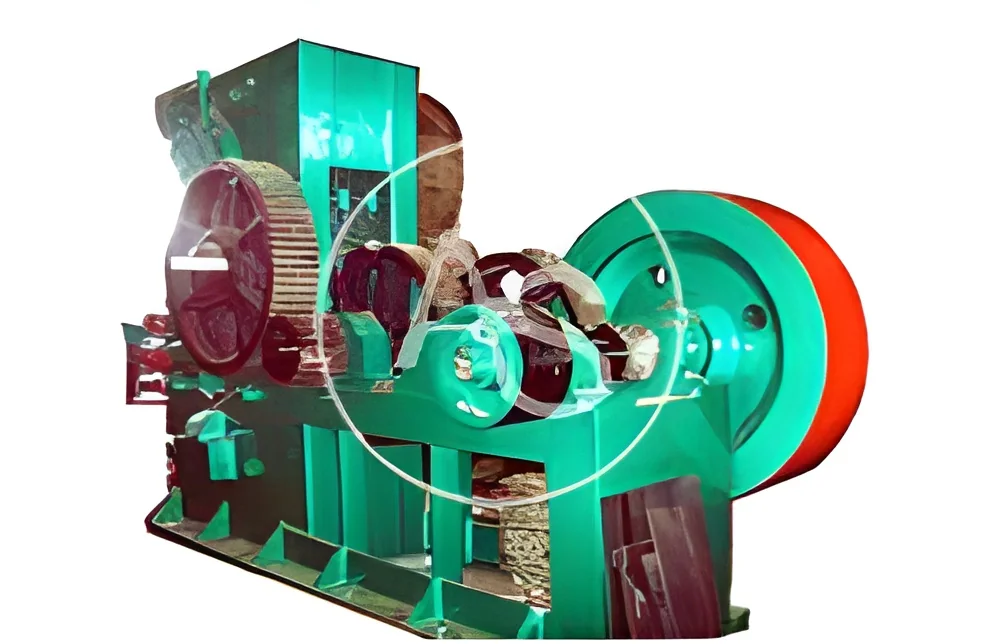
What are Steel Scrap Shearing Machines?
Steel scrap shearing machines are heavy-duty industrial machines designed to cut and shear metal scrap into manageable sizes for recycling or further processing. These machines operate using hydraulic or mechanical power to deliver high forces that can easily slice through various types of steel and other metals. The shearing process is crucial in scrap metal recycling, as it helps reduce the volume of scrap, making it easier to transport and process.
These machines are primarily used in recycling facilities, metal processing plants, and manufacturing industries. They play a vital role in the metal recycling supply chain, enabling businesses to efficiently handle large volumes of scrap metal. By transforming scrap into smaller, uniform pieces, companies can streamline their operations and enhance the efficiency of downstream processing. As global demand for recycled metals continues to rise, the importance of steel scrap shearing machines in the industry becomes increasingly relevant.
Key Features and Specifications
Steel scrap shearing machines come with a range of features designed to optimize performance and ensure user safety. These machines are engineered to handle various types of scrap metal, providing flexibility for businesses in different sectors. Understanding their specifications is essential for selecting the right equipment for specific applications.
Key specifications include:
1. Cutting Capacity
- The maximum thickness and type of steel that can be sheared.
- Typically ranges from 1/8 inch to several inches depending on the model.
2. Shear Force
- The amount of force exerted by the machine to cut steel.
- Can range from 100 tons to over 1,000 tons.
3. Power Source
- Machines may be powered by hydraulic, mechanical, or electric systems.
- Hydraulic systems are most common for their efficiency and force output.
4. Cycle Time
- The time taken to complete one shearing operation.
- Average cycle times can vary from a few seconds to over a minute.
5. Machine Weight
- The total weight of the machine, affecting its stability during operation.
- Ranges from several tons to over 20 tons based on capacity.
6. Dimensions
- Overall size of the machine, which can impact installation and operation space.
- Varies significantly based on design and capacity.
7. Safety Features
- Includes emergency stops, safety guards, and operator controls.
- Essential for protecting operators during operation.
8. Control Mechanism
- The interface used to operate the machine, which can be manual or automated.
- Advanced models may include digital control systems for precision.
These features collectively enhance the functionality and safety of steel scrap shearing machines, making them essential tools in the metal recycling industry.
Common Applications and Use Cases
Steel scrap shearing machines find applications across a variety of industries where metal recycling is critical. Their versatility allows them to serve different sectors effectively.
1. Recycling Industry: Steel scrap shearing machines are foundational in recycling facilities, allowing operators to efficiently process large quantities of scrap metal. They help in preparing scrap for melting and remanufacturing.
2. Manufacturing Industry: Manufacturers utilize these machines to manage production waste, ensuring that leftover metal scraps are recycled. This contributes to sustainability efforts and reduces operational costs.
3. Automotive Industry: In automotive recycling, these machines are essential for processing end-of-life vehicles. They help in extracting valuable metals, which can be reused in new vehicle production.
4. Construction Industry: Steel scrap shearing machines are employed to cut and recycle metal from demolished structures. This practice supports sustainable construction and waste management initiatives.
5. Shipbreaking Industry: In shipbreaking yards, these machines are crucial for dismantling ships, allowing for the recovery of valuable metals while ensuring environmental compliance.
6. Fabrication Shops: Small fabrication shops use shearing machines to manage scrap generated during metalworking processes. This helps in optimizing material usage and reducing waste.
7. Metal Processing Plants: These facilities utilize shearing machines to prepare scrap for further processing, such as melting or casting, thereby enhancing operational efficiency.
Product Variants and Subcategories
Steel scrap shearing machines come in various types and configurations to meet different industrial needs. This diversity allows businesses to select machines best suited for their specific applications.
Hydraulic Shearing Machines
These machines utilize hydraulic power to deliver high cutting force, making them ideal for handling thick steel scrap. They are known for their efficiency and ability to process large volumes of material quickly.
Mechanical Shearing Machines
Mechanical models use mechanical power to shear materials, typically offering faster cycle times. They are well-suited for lighter scrap and are often favored for their simplicity and lower maintenance needs.
Portable Shearing Machines
Designed for mobility, portable shearing machines can be transported easily to various job sites. They are perfect for on-site scrap processing in construction or demolition projects.
Automatic Shearing Machines
These machines are equipped with automated controls, allowing for precision cutting and reducing the need for manual intervention. They are ideal for high-volume operations where consistency and speed are critical.
Benefits and Advantages
Investing in steel scrap shearing machines brings numerous advantages to businesses involved in metal recycling and processing.
1. Increased Efficiency: These machines streamline the shearing process, allowing businesses to handle more scrap in less time, thereby improving overall productivity.
2. Cost Savings: By reducing the volume of scrap, companies can save on transportation costs and maximize the value of recyclable materials.
3. Enhanced Safety: Modern shearing machines come equipped with safety features that protect operators, reducing the risk of workplace accidents.
4. Customization Options: Many manufacturers offer customizable machines that can be tailored to specific needs, ensuring optimal performance for unique applications.
5. Environmental Compliance: Utilizing shearing machines supports eco-friendly practices by promoting recycling and responsible waste management, aligning with global sustainability goals.
6. Versatility: These machines can handle various types of metals, making them suitable for diverse industries and applications.
Buying Guide for B2B Buyers
When sourcing steel scrap shearing machines, businesses should consider several critical factors to ensure they select the right equipment for their needs.
1. Quality Assessment: It is essential to evaluate the quality of the machines, focusing on the materials used in construction and the reliability of the brand. High-quality machines often come with better warranties and support.
2. Supplier Verification: Vetting suppliers is crucial to ensure they are reputable and provide reliable products. Checking reviews, certifications, and past performance can help establish credibility.
3. Pricing and MOQ: Understanding the price range for different models and the minimum order quantities (MOQ) is essential for budgeting. Consideration of total cost of ownership, including maintenance, should also factor into pricing.
4. Delivery and Lead Times: Assess the supplier's ability to meet delivery deadlines and their logistics capabilities. Timely delivery is critical to avoid disruptions in operations.
5. Compliance Requirements: Ensure that the machines comply with relevant regulations and standards. This may include safety certifications and environmental compliance, which are crucial for operational legitimacy.
Compliance and Certifications
Steel scrap shearing machines must adhere to various quality standards and certifications to ensure safety and operational efficiency. One relevant standard is ISO 9001, which outlines requirements for a quality management system. Compliance with this standard indicates that the manufacturer maintains high-quality production processes.
Additionally, machines may carry industry certifications such as CE, which signifies conformity with health, safety, and environmental protection standards within the European Economic Area. These certifications provide buyers with assurance regarding the safety and reliability of the equipment.
Safety testing is crucial for these machines, as they are often used in environments where operators are exposed to potential hazards. Manufacturers should conduct rigorous testing to ensure machines meet safety regulations. Buyers should also be aware of regional compliance considerations, which may vary based on local laws and regulations.
Why Source Steel Scrap Shearing Machines from Pepagora?
Pepagora offers a comprehensive platform for sourcing steel scrap shearing machines, providing numerous advantages for B2B buyers.
Verified Supplier Network: Pepagora has established a network of verified suppliers, ensuring that buyers can connect with reputable manufacturers and suppliers. This verification process helps mitigate risks associated with sourcing equipment.
Streamlined RFQ Process: The platform features a streamlined request for quotation (RFQ) process, allowing buyers to easily obtain quotes from multiple suppliers. This system facilitates competitive pricing and better decision-making.
Trade Assurance and Support: Pepagora offers trade assurance and buyer support, providing additional protection for transactions. This feature gives buyers peace of mind when investing in significant equipment purchases.
Regional Coverage: With a focus on regions such as India, the GCC, and Southeast Asia, Pepagora ensures that buyers can access a wide range of suppliers and products tailored to their local markets. This regional expertise enhances the buying experience and ensures better service delivery.

 IN
IN