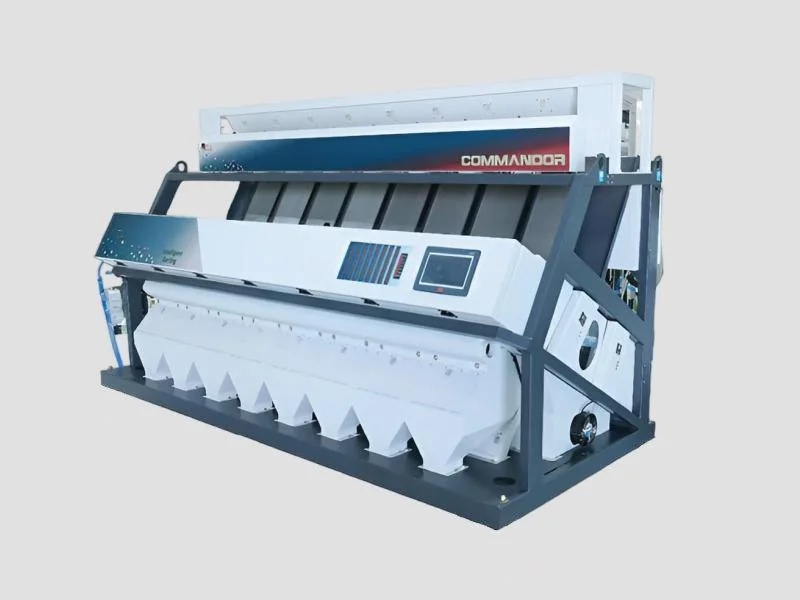
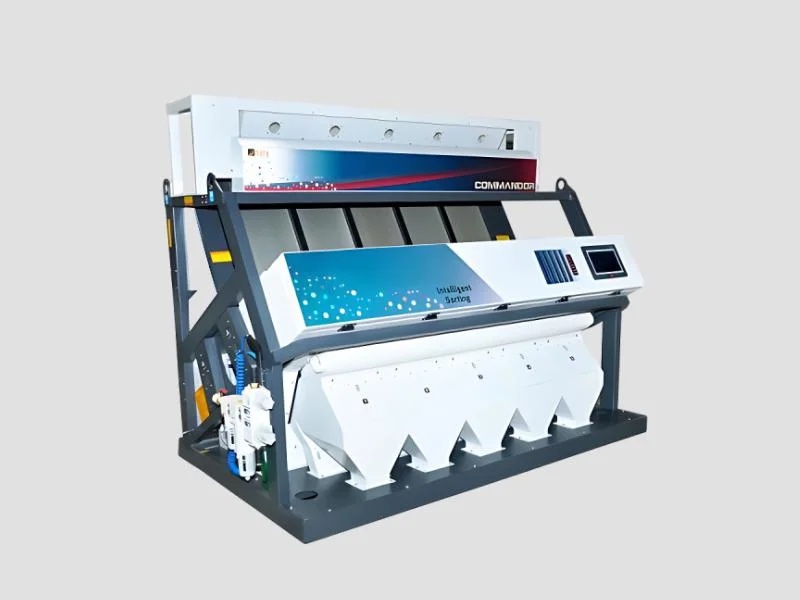
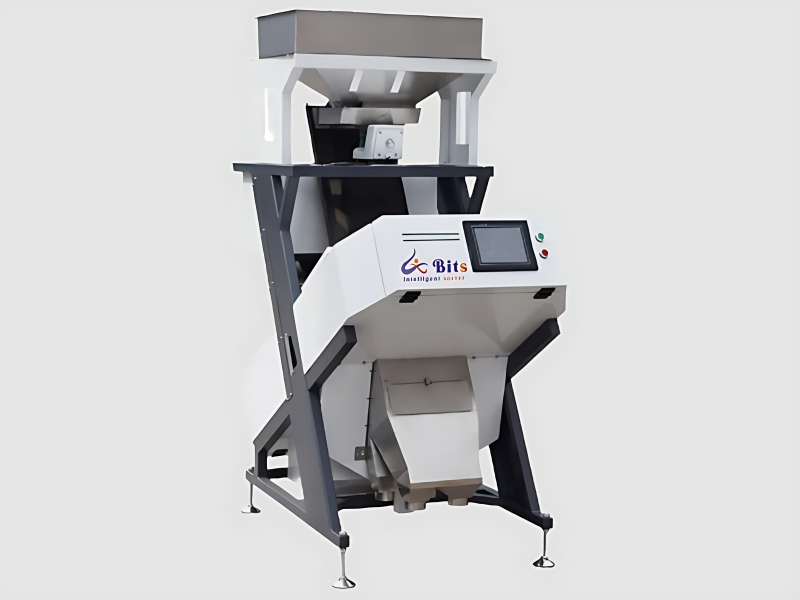
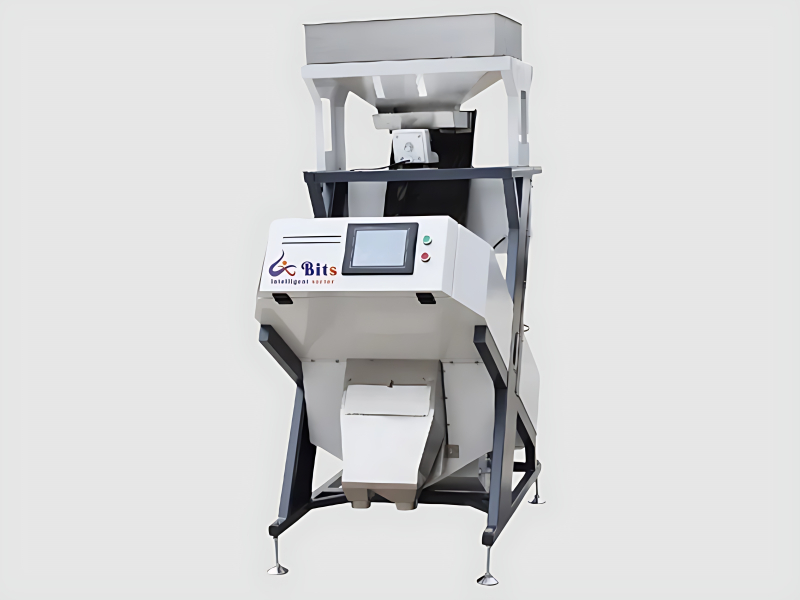
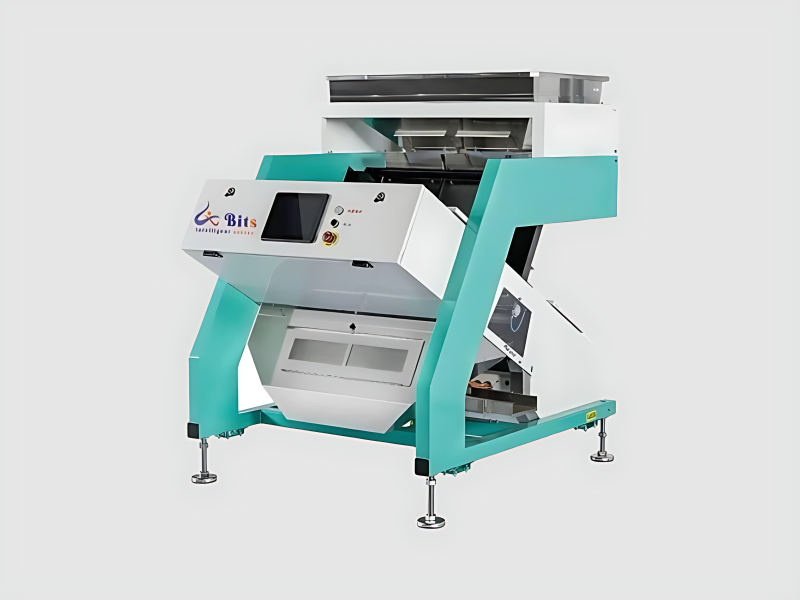
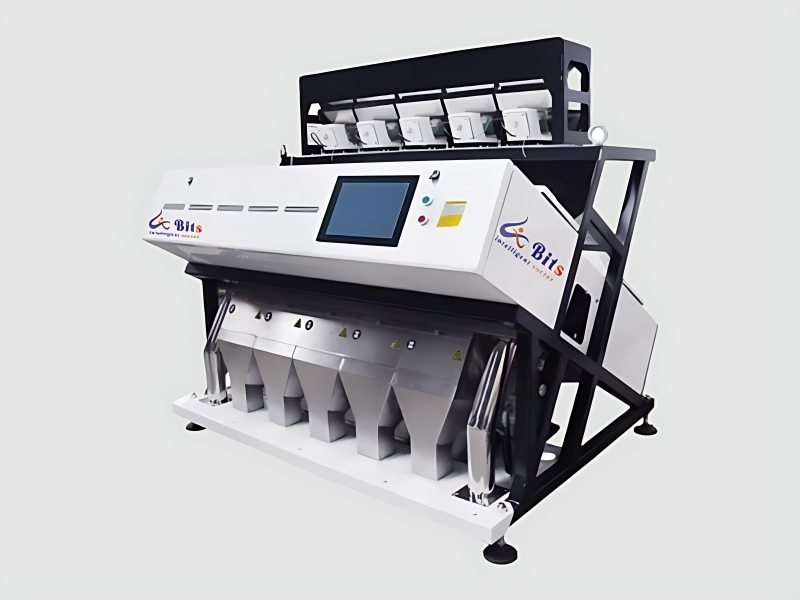
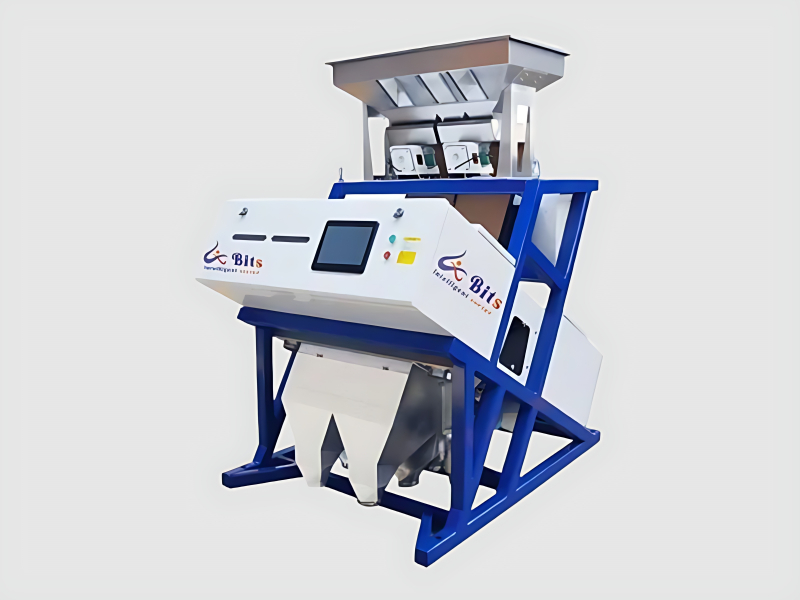
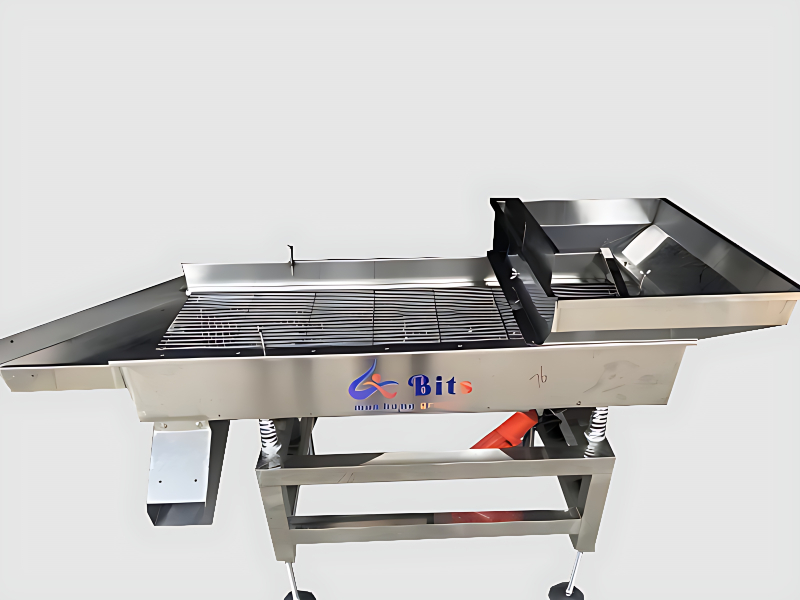
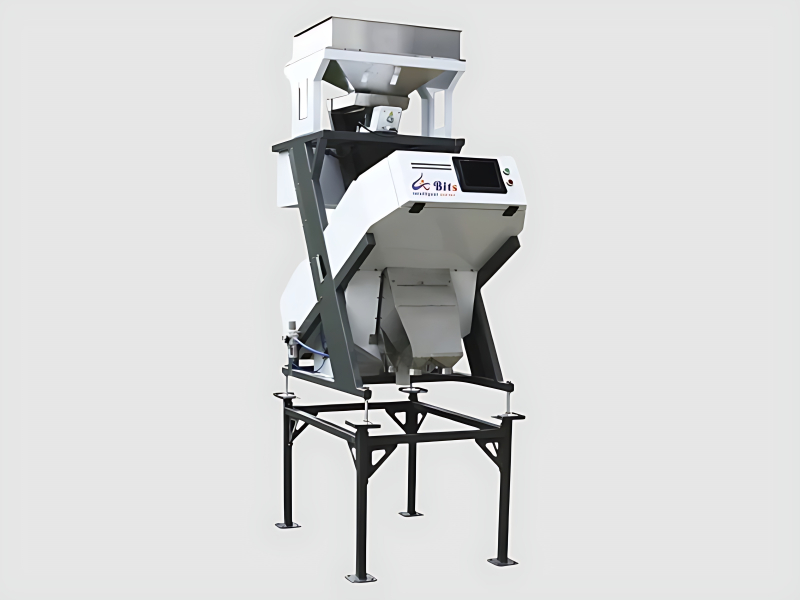
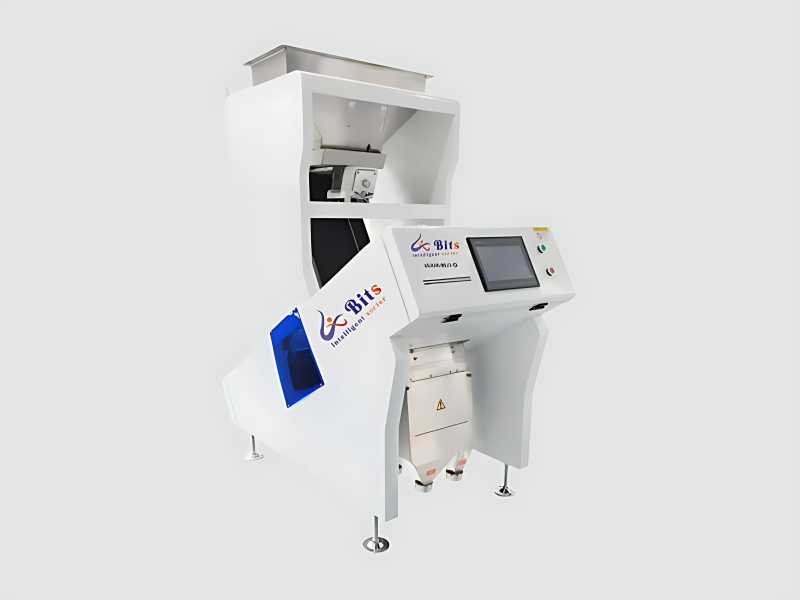
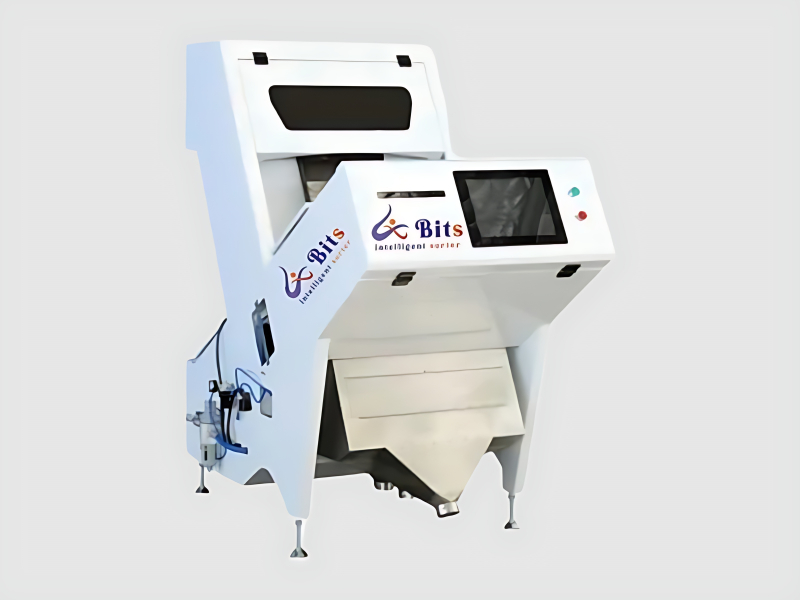
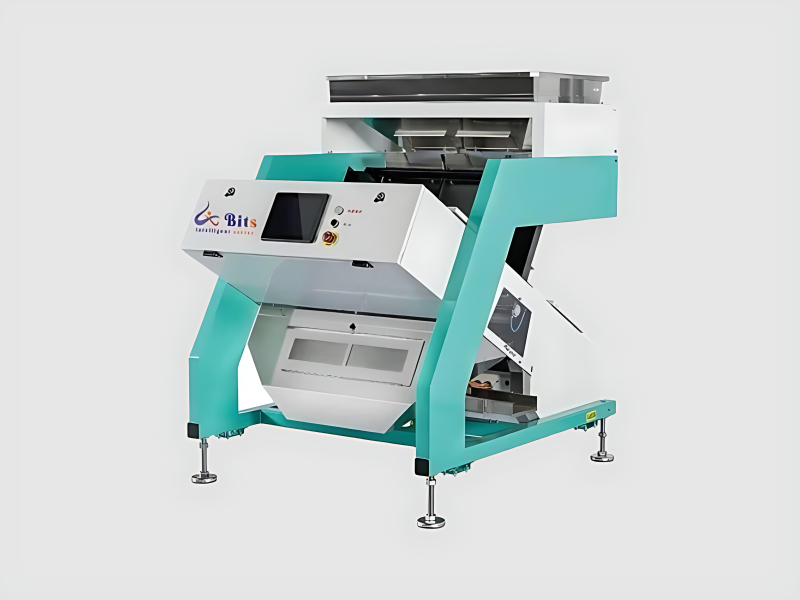
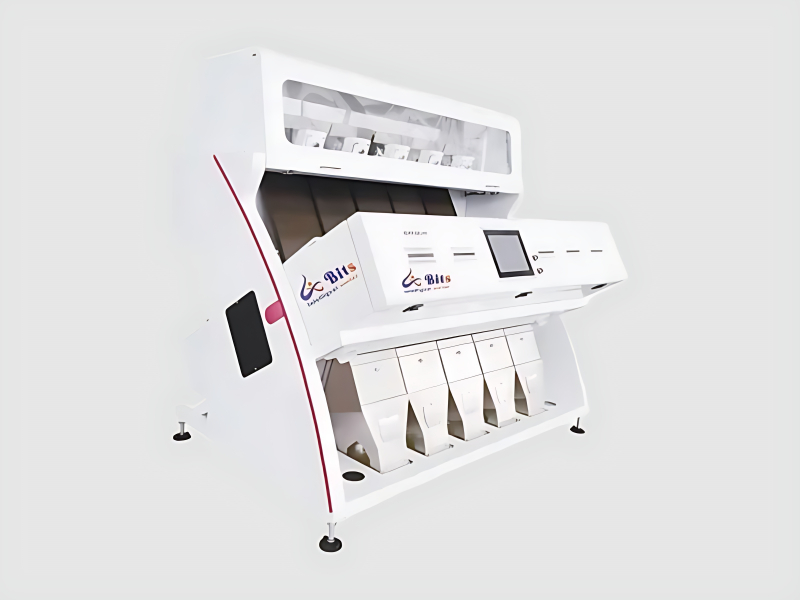
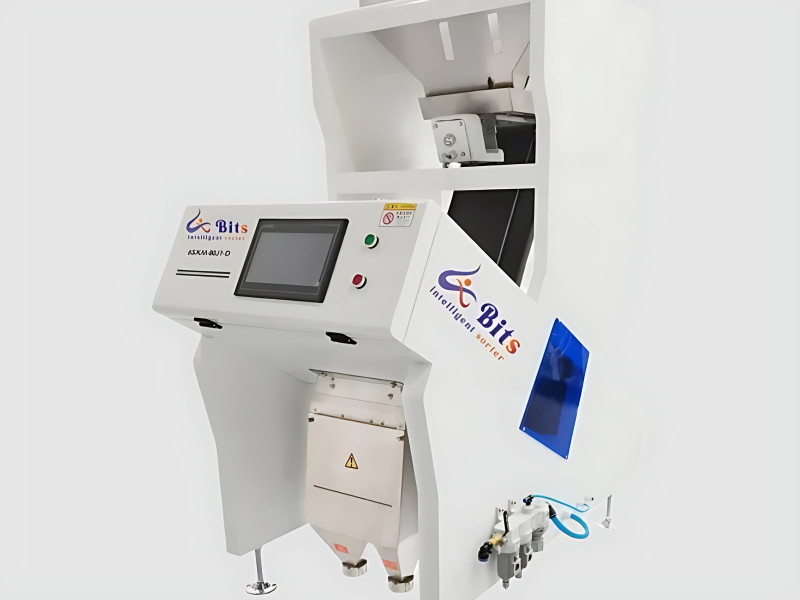
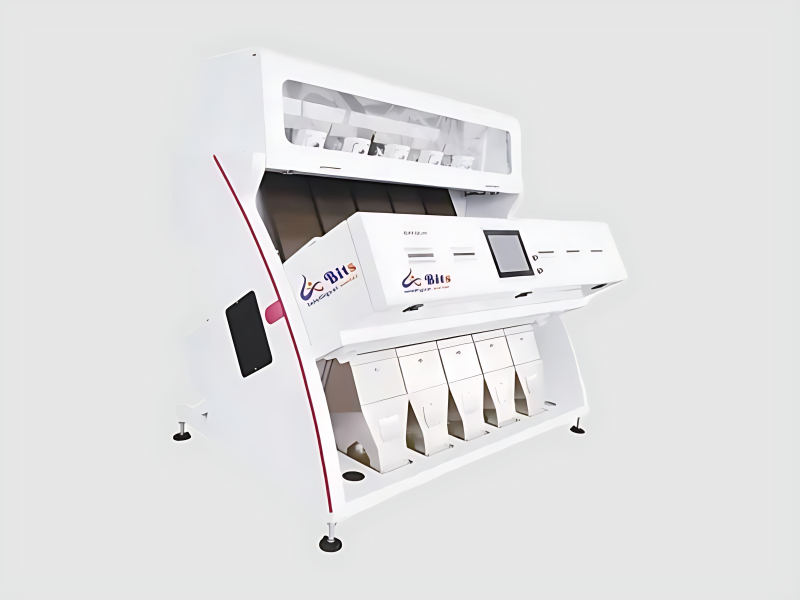
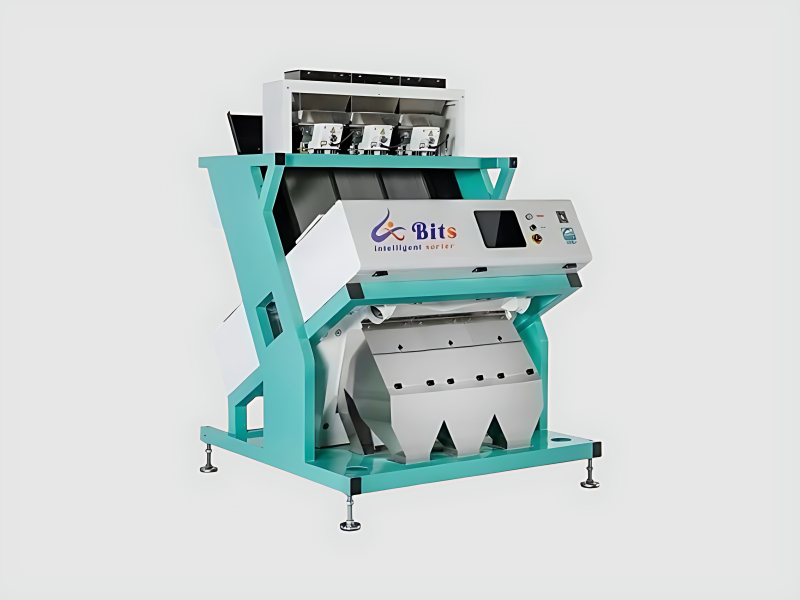
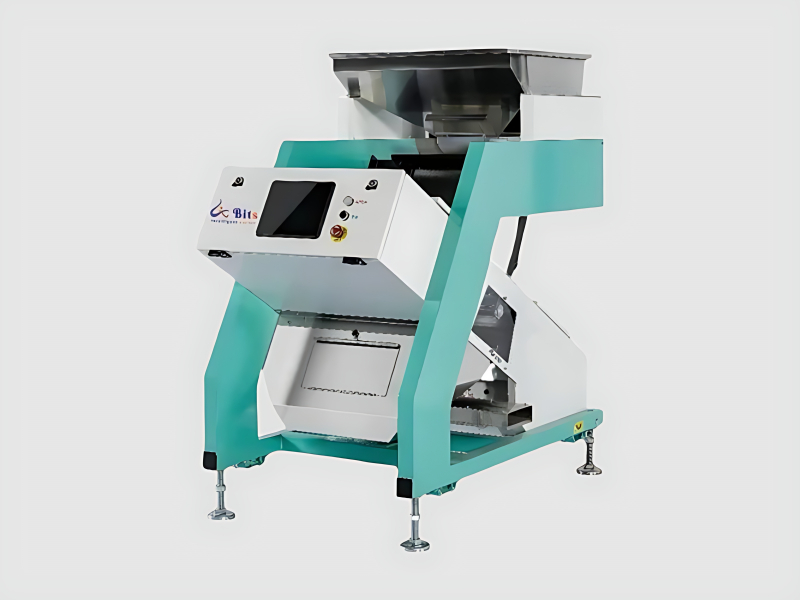
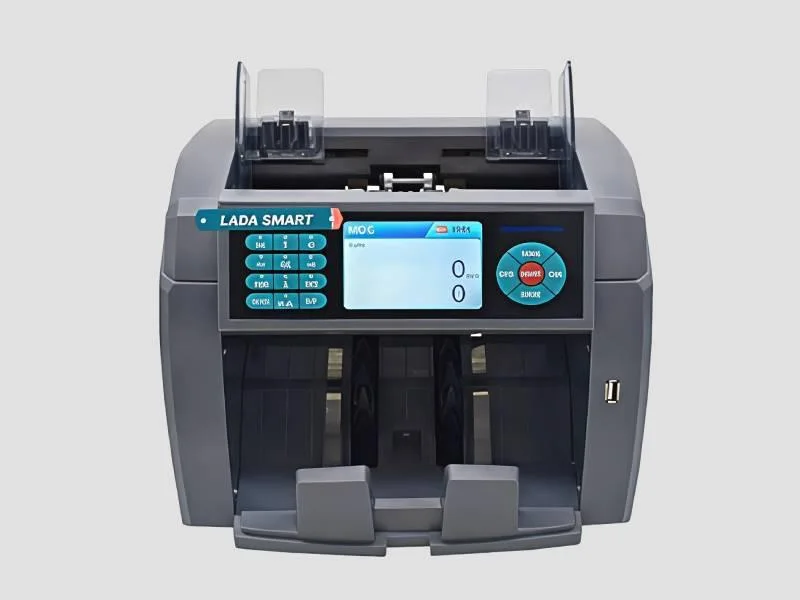
What are Used Clothes Sorting Lines?
Used clothes sorting lines are specialized systems designed to efficiently separate and categorize various types of used clothing. These lines are essential in the textile recycling and second-hand clothing industries, where sorting by quality, type, and condition is crucial. The sorting process typically involves multiple stages, including manual and automated methods to ensure accuracy and efficiency.
The primary applications of used clothes sorting lines include processing clothing donations, recycling textiles, and preparing items for resale. Businesses that operate in the second-hand clothing market, charitable organizations, and recycling facilities utilize these sorting systems to maximize their operational efficiency and minimize waste. As the demand for sustainable practices increases, the relevance of used clothes sorting lines continues to grow within the textile industry, highlighting the need for effective sorting solutions.
Key Features and Specifications
When considering used clothes sorting lines, it is important to understand their key features and specifications to select the right model for your business needs. These lines are built with varying capacities and technologies to accommodate different sorting requirements, ensuring versatility and effectiveness in processing used textiles.
Key specifications include:
1. Capacity
- Sorting lines can handle varying volumes of clothing, typically ranging from 500 to 5000 kilograms per hour, depending on the model.
2. Sorting Method
- These lines may utilize manual sorting, automated sorting technologies, or a combination of both to enhance efficiency.
3. Modular Design
- Many sorting lines feature a modular design that allows for easy expansion or customization based on business needs.
4. Durability
- Constructed from high-quality materials to withstand continuous use, ensuring longevity and reliability.
5. Safety Features
- Equipped with emergency stops and safety guards to protect operators during the sorting process.
6. Ease of Maintenance
- Designed for easy access to components for routine maintenance, reducing downtime.
7. Energy Efficiency
- Many models incorporate energy-saving technologies to minimize operational costs.
8. Compliance Standards
- Sorting lines often meet industry standards, such as CE certification, ensuring they adhere to safety and quality regulations.
These specifications highlight the importance of selecting a sorting line that aligns with your operational requirements and business goals.
Common Applications and Use Cases
Used clothes sorting lines are utilized across a wide range of industries due to their versatility and efficiency in processing textiles.
1. Textile Recycling: Sorting lines play a critical role in recycling facilities, where they help separate usable materials from non-recyclable textiles, promoting sustainability.
2. Second-Hand Clothing Retail: Retailers of second-hand clothing rely on these systems to ensure that items are sorted by quality and style, enhancing the shopping experience for customers.
3. Charitable Organizations: Nonprofits often use sorting lines to organize donations, ensuring that items are suitable for resale or distribution to those in need.
4. Exporting Used Textiles: Businesses involved in exporting used clothing can utilize sorting lines to categorize items based on market demand, maximizing profit potential.
5. Waste Management: Sorting lines assist waste management companies in efficiently processing textiles, reducing landfill contributions and improving recycling rates.
6. Fashion Industry: Brands focusing on circular fashion may employ sorting lines to reclaim and recycle materials from used garments, supporting sustainable practices.
7. Online Resale Platforms: E-commerce businesses that specialize in second-hand clothing can use sorting lines to streamline their inventory management processes.
Product Variants and Subcategories
Used clothes sorting lines come in various forms to cater to different operational needs.
Manual Sorting Line
This variant is designed for businesses that prioritize human oversight in the sorting process. It allows workers to manually assess and categorize items, providing quality control and flexibility.
Automated Sorting Line
Automated sorting lines utilize advanced technology to facilitate the sorting process. These lines can handle large volumes of clothing with minimal human intervention, increasing efficiency and reducing labor costs.
Semi-Automated Sorting Line
Combining both manual and automated processes, this variant offers the advantages of technology while allowing for human inspection. It is ideal for businesses looking for a balance between efficiency and quality control.
Benefits and Advantages
Investing in used clothes sorting lines offers numerous benefits for businesses involved in textile processing and recycling.
1. Increased Efficiency: Sorting lines streamline the categorization process, allowing businesses to handle larger volumes of textiles in less time.
2. Improved Quality Control: With specialized sorting processes, businesses can ensure higher standards for the quality of items being processed.
3. Cost Savings: By automating parts of the sorting process, companies can reduce labor costs and enhance overall profitability.
4. Environmental Impact: Efficient sorting helps minimize waste and promotes recycling, contributing to sustainable business practices.
5. Flexibility: Various models and configurations allow businesses to customize sorting lines according to their specific needs and space constraints.
6. Enhanced Marketability: Properly sorted items can attract more buyers, whether in retail or online platforms, leading to increased sales opportunities.
Buying Guide for B2B Buyers
When sourcing used clothes sorting lines, it is essential to consider several factors to ensure a successful purchase.
1. Quality Assessment: Evaluate the materials and construction quality of the sorting lines. Look for reputable manufacturers who adhere to industry standards.
2. Supplier Verification: Conduct thorough research on suppliers to verify their credibility and track record in the industry. Request references and previous client testimonials.
3. Pricing and MOQ: Compare pricing structures among different suppliers and be aware of minimum order quantities. This will help you make informed decisions based on your budget and needs.
4. Delivery and Lead Times: Discuss logistics and expected lead times for delivery. Timely delivery is critical to maintaining operational efficiency.
5. Compliance Requirements: Ensure that the sorting line meets all necessary compliance and safety regulations applicable in your region.
Compliance and Certifications
When considering used clothes sorting lines, compliance with industry standards is crucial for ensuring quality and safety. Key quality standards may include ISO 9001, which focuses on quality management systems, and other relevant certifications that ensure adherence to best practices.
CE certification is also significant, as it indicates that the equipment meets EU safety, health, and environmental protection standards. This certification is essential for businesses operating within European markets or exporting to regions that require CE compliance.
Additionally, safety and testing requirements should be thoroughly reviewed to ensure that the sorting lines operate safely and efficiently. Businesses must also consider regional compliance, as different areas may have unique regulations governing textile processing and recycling operations.
Why Source Used Clothes Sorting Lines from Pepagora?
Pepagora offers a reliable platform for sourcing used clothes sorting lines, providing multiple advantages for B2B buyers.
Verified Supplier Network: Pepagora ensures that all suppliers within its network are thoroughly vetted. This guarantees that buyers can trust the quality and reliability of the products they source.
Streamlined RFQ Process: The platform simplifies the request for quotation process, allowing buyers to easily compare options and receive competitive pricing from multiple suppliers.
Trade Assurance and Support: Pepagora provides trade assurance, protecting buyers during transactions. This support ensures that buyers have recourse in case of disputes or issues with suppliers.
Regional Coverage: With a strong presence in India, the GCC, and Southeast Asia, Pepagora facilitates access to a wide range of suppliers, making it easier for businesses to find the right solutions tailored to their specific needs.

 IN
IN