What are Battery Recycling Plants?
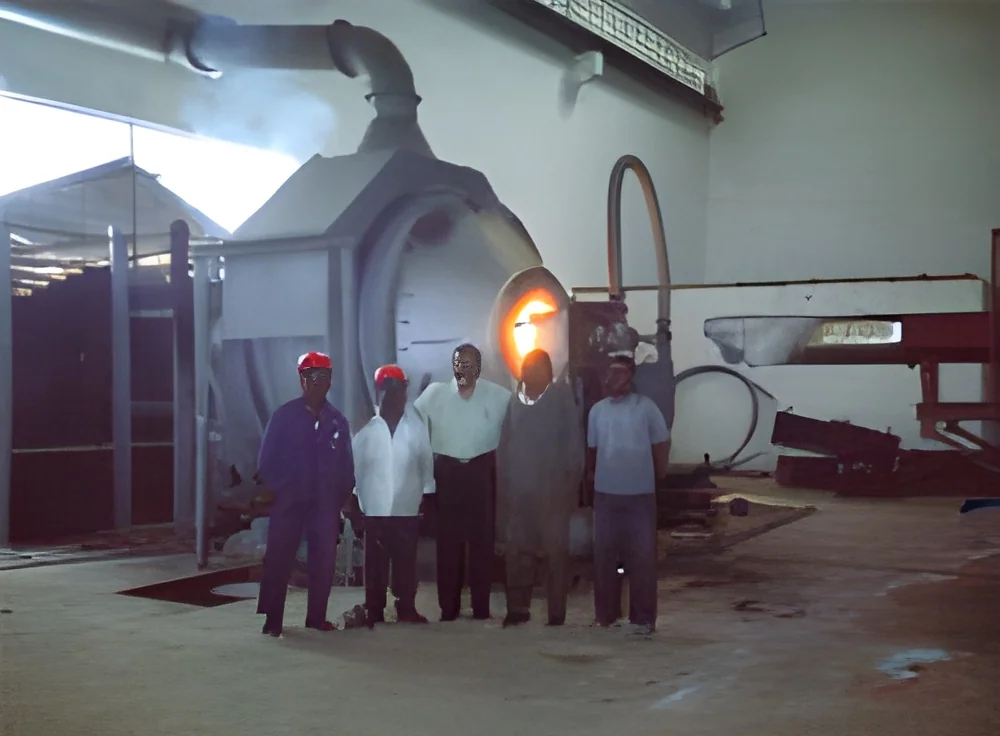
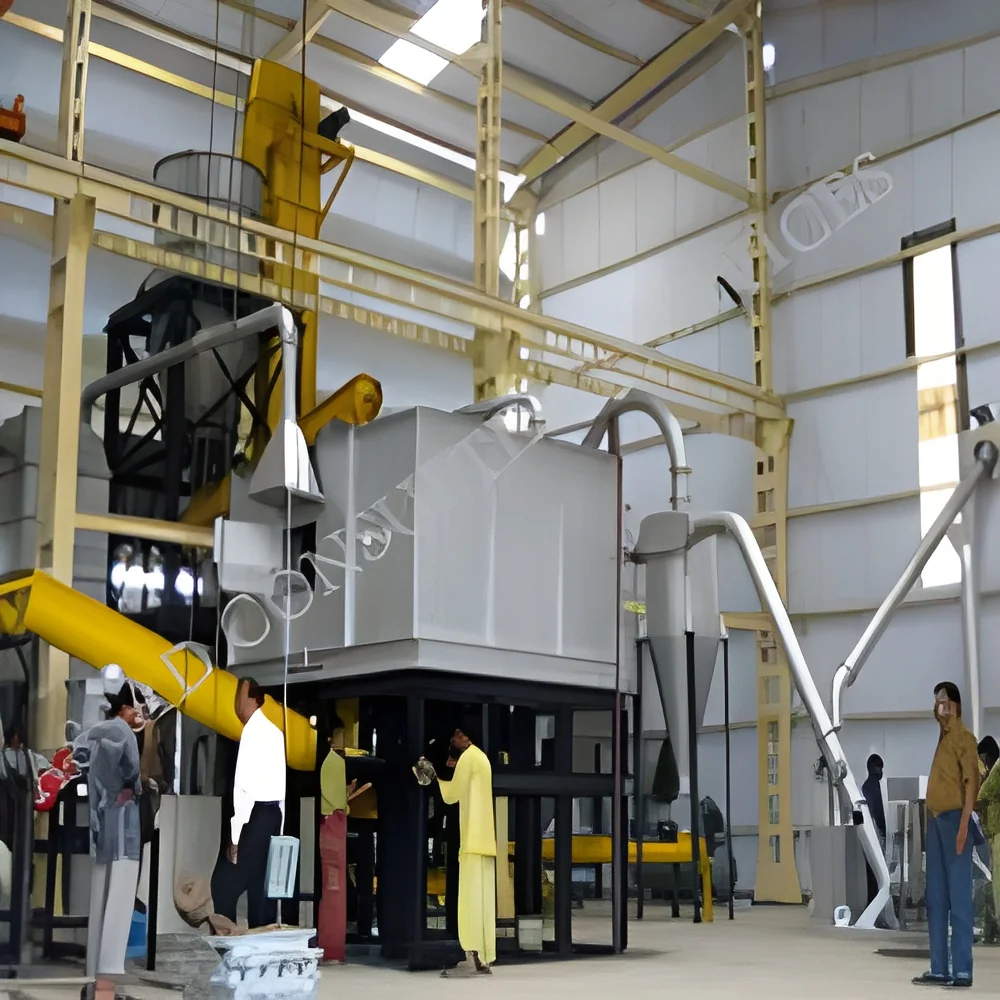
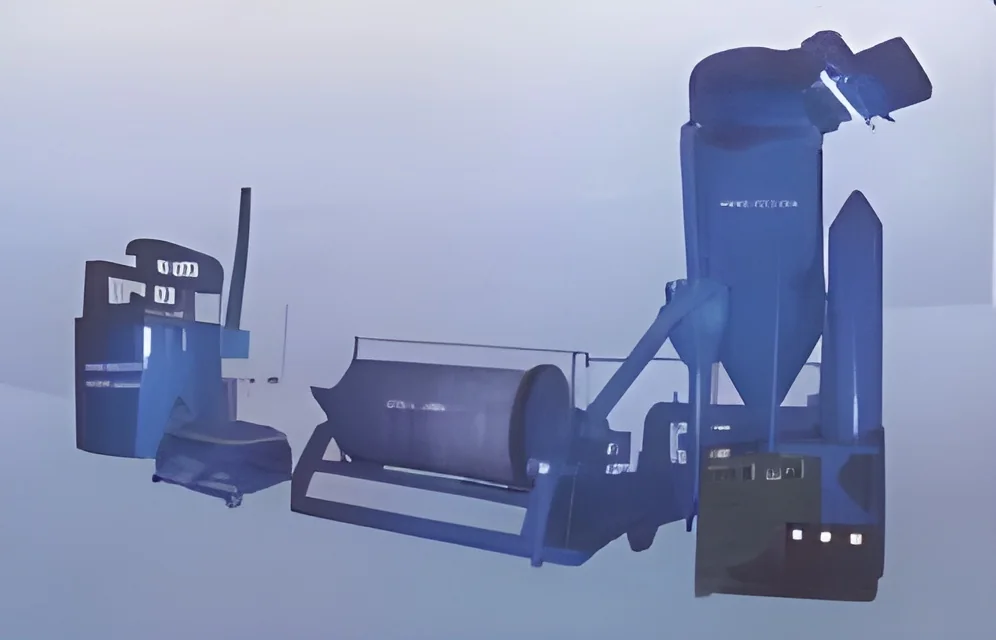
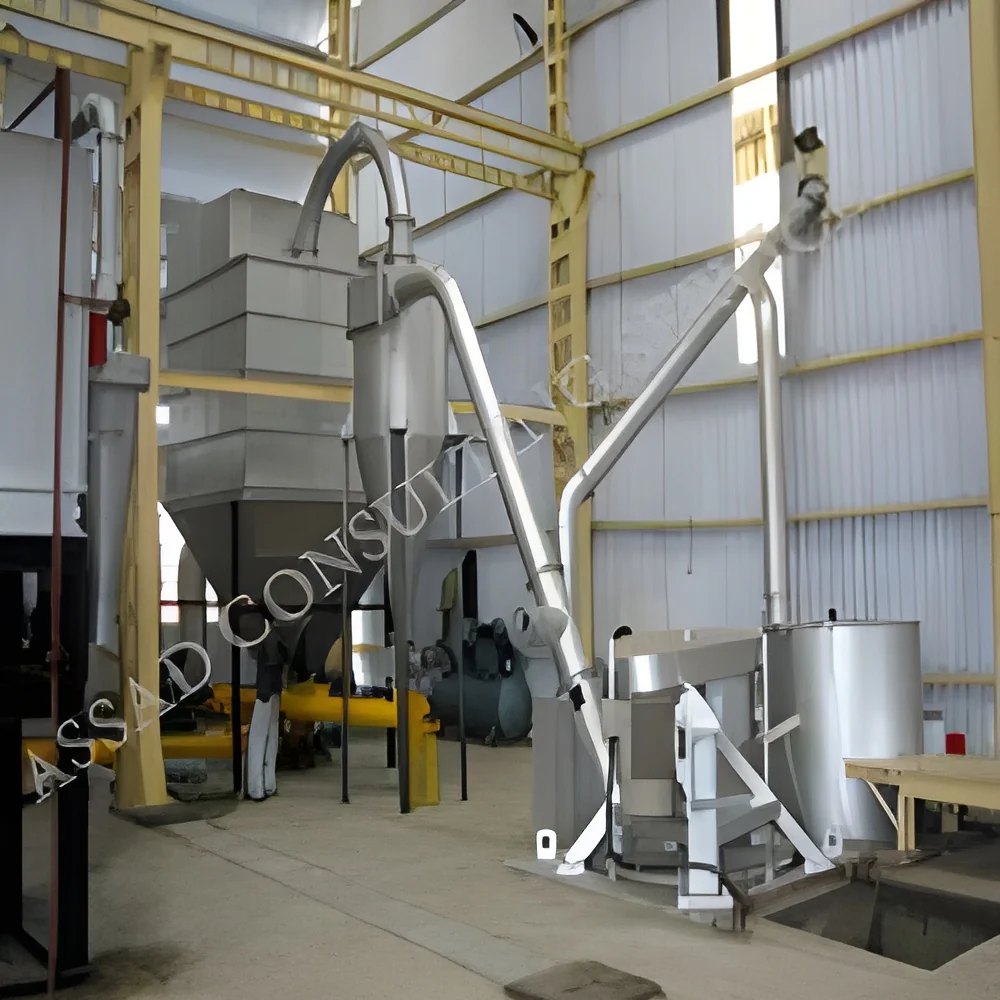
Battery recycling plants are specialized facilities designed to process and recover valuable materials from used batteries. These plants utilize advanced technologies to safely dismantle, sort, and recycle components such as lead, lithium, cobalt, and nickel. The recycling process not only conserves natural resources but also minimizes environmental harm associated with improper battery disposal.
The primary uses of battery recycling plants span various industries, including automotive, electronics, and renewable energy. Businesses in these sectors rely on these facilities to manage battery waste responsibly while recovering essential materials for reuse. Battery recycling is increasingly crucial in the context of sustainability, as the demand for electric vehicles and renewable energy storage continues to rise.
In terms of industry relevance, battery recycling plants are becoming vital as countries legislate stricter waste management regulations. The global push for a circular economy emphasizes the importance of recycling as a means to reduce landfill waste and promote resource efficiency. As a result, the market for battery recycling is expected to grow significantly, driven by both regulatory pressures and increasing consumer awareness.
Key Features and Specifications
Battery recycling plants come equipped with various features and specifications that ensure efficient and safe processing of batteries. These specifications are critical for businesses looking to invest in reliable recycling solutions.
Key specifications include:
1. Processing Capacity
- This specification indicates the volume of batteries the plant can handle.
- Typical capacities range from several tons per day to hundreds of tons, depending on plant size.
2. Recovery Rate
- The recovery rate measures the percentage of materials successfully extracted from batteries.
- Advanced plants can achieve recovery rates of up to 95% for specific battery types.
3. Safety Measures
- Safety features include fire suppression systems and proper ventilation.
- Facilities often comply with international safety standards to protect workers and the environment.
4. Automation Level
- Many modern plants feature automated sorting and processing systems.
- Automation enhances efficiency and reduces the risk of human error.
5. Environmental Compliance
- Plants must adhere to environmental regulations concerning emissions and waste disposal.
- Compliance with ISO 14001 standards is often required.
6. Energy Efficiency
- Energy-efficient designs minimize operational costs and environmental impact.
- Many plants utilize renewable energy sources to power their operations.
7. Technology Used
- Various technologies such as hydrometallurgical and pyrometallurgical processes are employed.
- The choice of technology affects recovery rates and environmental impact.
8. Maintenance Requirements
- Regular maintenance is essential to ensure optimal operation.
- Maintenance schedules and requirements should be clearly defined by the manufacturer.
In summary, understanding the key features and specifications of battery recycling plants is crucial for businesses aiming to make informed purchasing decisions and ensure compliance with industry standards.
Common Applications and Use Cases
Battery recycling plants serve a wide array of industries, each with specific applications for recycled materials.
1. Automotive Industry: Used batteries from electric vehicles and hybrids are processed to recover metals like lithium and cobalt, which are essential for manufacturing new batteries.
2. Electronics Manufacturing: Discarded batteries from consumer electronics are recycled to extract valuable materials, reducing the need for virgin resources in new production.
3. Renewable Energy Sector: Batteries from solar energy storage systems are recycled to recover components, which supports the sustainable lifecycle of energy solutions.
4. Industrial Equipment: Batteries from forklifts and other industrial machinery are processed to reclaim lead and other metals, which can be reused in the manufacturing of new batteries.
5. Telecommunications: Batteries used in backup power systems for telecommunications are recycled to recover materials, ensuring minimal waste and environmental impact.
6. Aerospace: Aircraft batteries are recycled for their valuable components, contributing to the industry's sustainability goals.
7. Research and Development: Universities and research institutions utilize recycled battery materials in various studies, promoting innovation in battery technology and sustainability.
Product Variants and Subcategories
Battery recycling plants come in diverse configurations to meet varying operational needs. While specific subcategories are not available, plants can be tailored for different battery types and processing capacities.
Compact Battery Recycling Plant: This variant is ideal for smaller operations or businesses with limited space. It processes a moderate volume of batteries and is designed for easy installation and operation in urban areas.
Large-Scale Battery Recycling Facility: Designed for high-capacity operations, this variant can handle large volumes of batteries. It features advanced automation and technology to maximize efficiency and recovery rates.
Mobile Battery Recycling Unit: This portable option allows for on-site recycling, making it suitable for remote locations or temporary setups. It is particularly useful for businesses looking to manage battery waste directly at the source.
Benefits and Advantages
Investing in battery recycling plants offers numerous benefits for businesses and the environment alike.
Key benefits include:
1. Environmental Protection: Recycling reduces landfill waste and minimizes harmful emissions, contributing to a healthier planet.
2. Resource Conservation: By recovering valuable materials, businesses can reduce their dependence on mining and lower their environmental footprint.
3. Cost Savings: Recycling can lead to significant cost reductions in raw material procurement and waste management.
4. Compliance Assurance: Utilizing recycling plants helps companies meet regulatory requirements for battery disposal and waste management.
5. Enhanced Brand Image: Businesses that prioritize sustainability can enhance their brand reputation and attract environmentally conscious consumers.
6. Innovation Promotion: Access to recycled materials can drive innovation in product development, particularly in industries like electronics and automotive.
Buying Guide for B2B Buyers
When sourcing battery recycling plants, it is essential for B2B buyers to consider several key factors to ensure they make informed decisions.
1. Quality Assessment: Evaluate the quality of the plants by reviewing certifications and the manufacturer's reputation. Look for compliance with international standards such as ISO 9001 and CE.
2. Supplier Verification: Conduct thorough background checks on potential suppliers to verify their reliability and track record. Ensure they have experience in the industry and positive customer feedback.
3. Pricing and MOQ: Understand the pricing structure and minimum order quantities (MOQ) required by suppliers. Compare costs across different manufacturers to find the best value.
4. Delivery and Lead Times: Factor in logistics when making a decision. Inquire about delivery timelines and the supplier's ability to meet urgent needs.
5. Compliance Requirements: Ensure that the chosen plant meets all regulatory compliance requirements specific to your region. This includes environmental regulations and safety standards.
Compliance and Certifications
Battery recycling plants must adhere to various compliance and certification standards to operate legally and efficiently.
Relevant quality standards include ISO 9001, which ensures consistent quality management systems, and ISO 14001, which focuses on environmental management. These standards demonstrate a commitment to quality and sustainability.
Industry certifications such as CE mark indicate that the equipment meets European safety and environmental requirements, ensuring that the plants operate safely and effectively.
Safety and testing requirements are critical in the design and operation of battery recycling plants. Regular safety audits and adherence to testing protocols are essential to protect workers and the environment.
Regional compliance considerations vary by location, with specific regulations governing battery disposal and recycling. Companies must stay informed about the relevant laws in their operating regions to ensure full compliance.
Why Source Battery Recycling Plants from Pepagora?
Pepagora provides a trusted platform for sourcing battery recycling plants, offering several key advantages for businesses in need of reliable solutions.
Verified Supplier Network: Pepagora ensures that all suppliers in its network are thoroughly vetted for credibility and operational excellence. This verification process helps businesses find trustworthy partners.
Streamlined RFQ Process: The request for quotation (RFQ) process on Pepagora is designed to be efficient and user-friendly. Buyers can easily submit their requirements and receive competitive quotes from multiple suppliers.
Trade Assurance and Support: Pepagora offers trade assurance to protect buyers against potential risks. This support enhances the purchasing experience and builds confidence in supplier transactions.
Regional Coverage: Pepagora operates across a diverse geographic area, including India, the GCC, and Southeast Asia. This broad reach allows businesses to find suppliers that meet their specific regional needs while ensuring access to the latest technologies in battery recycling.

 IN
IN