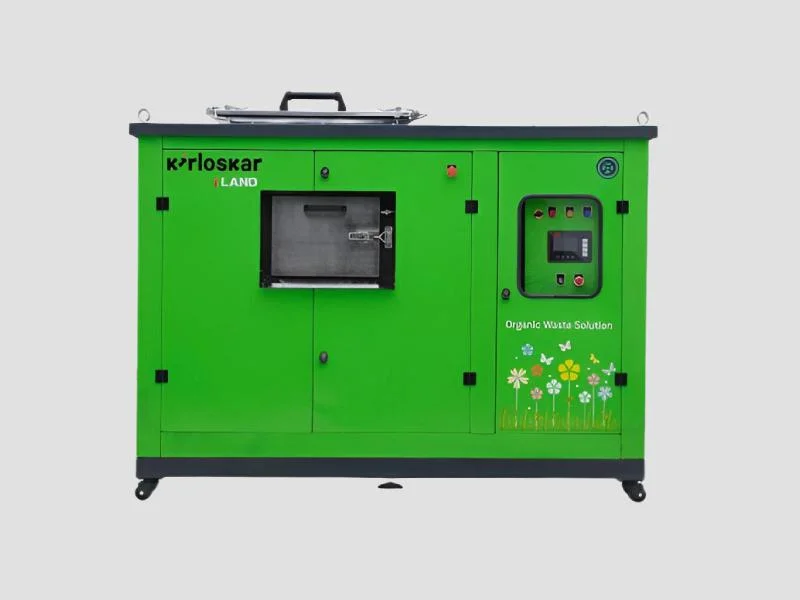
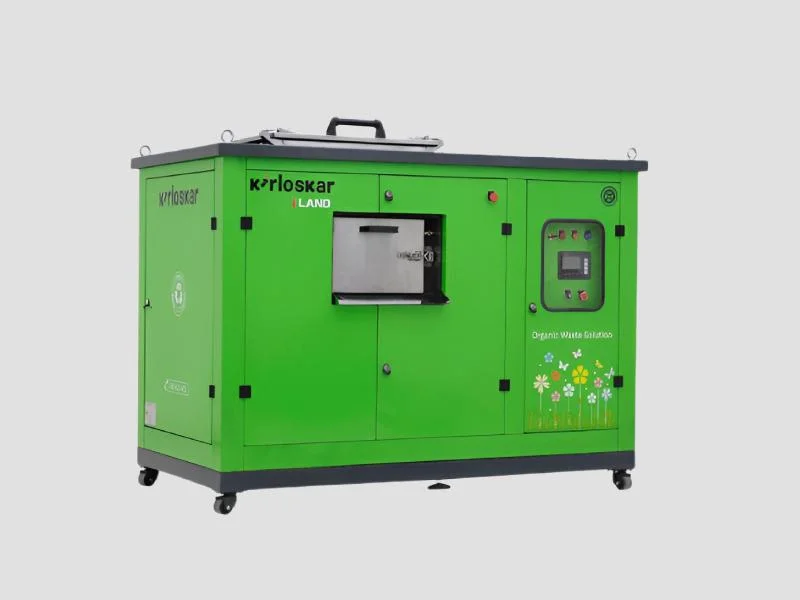
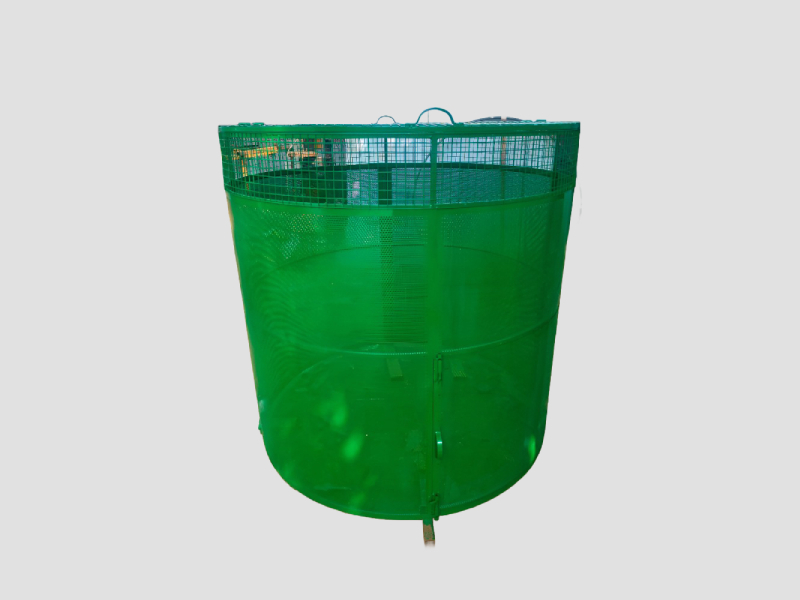
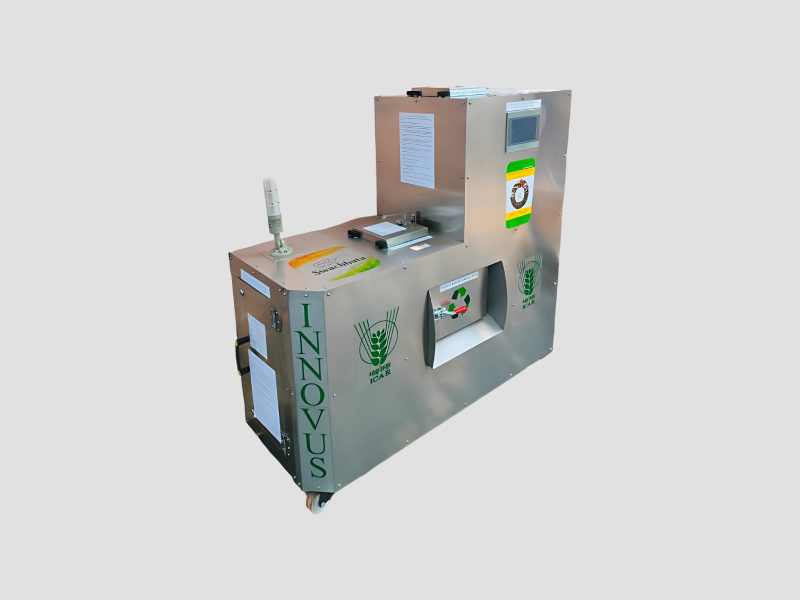
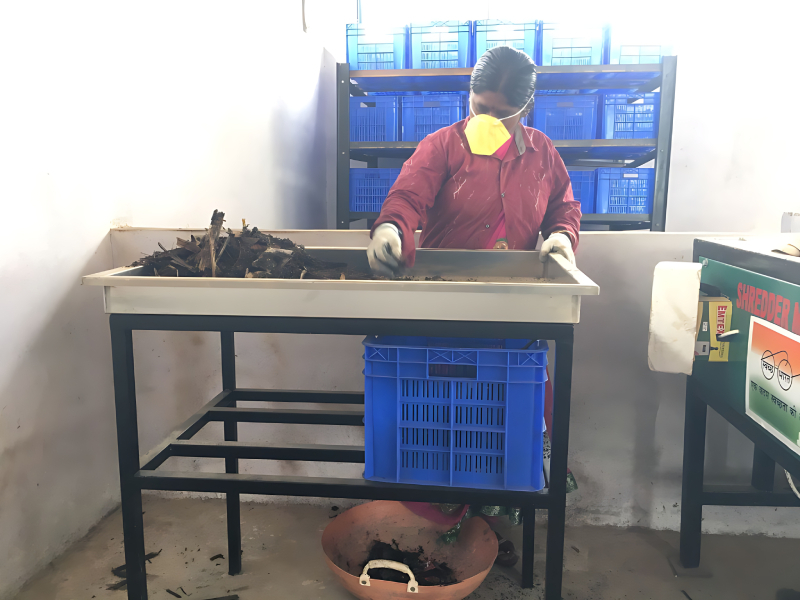
What are Food Waste Composting Machines?
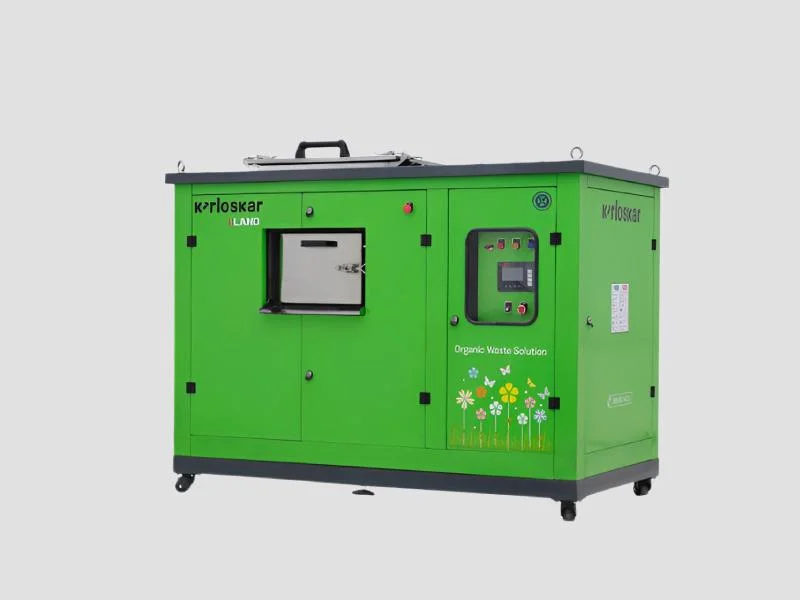
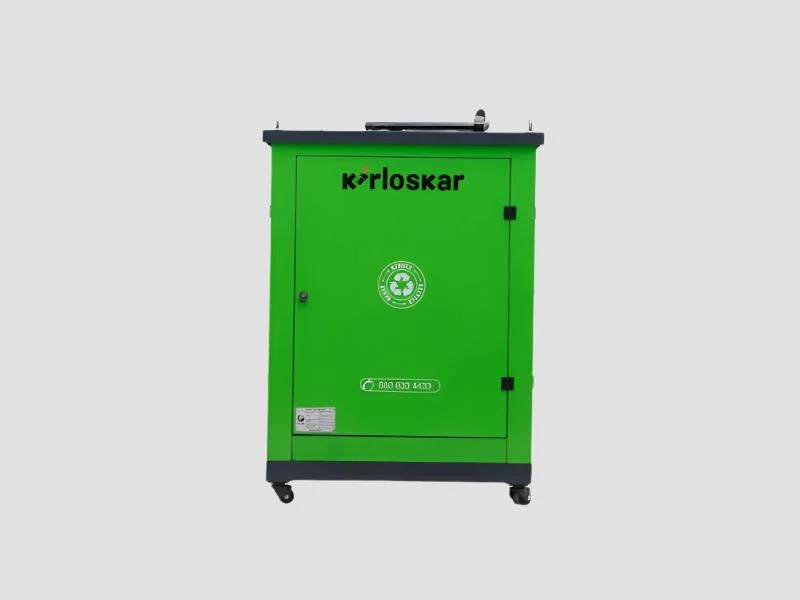
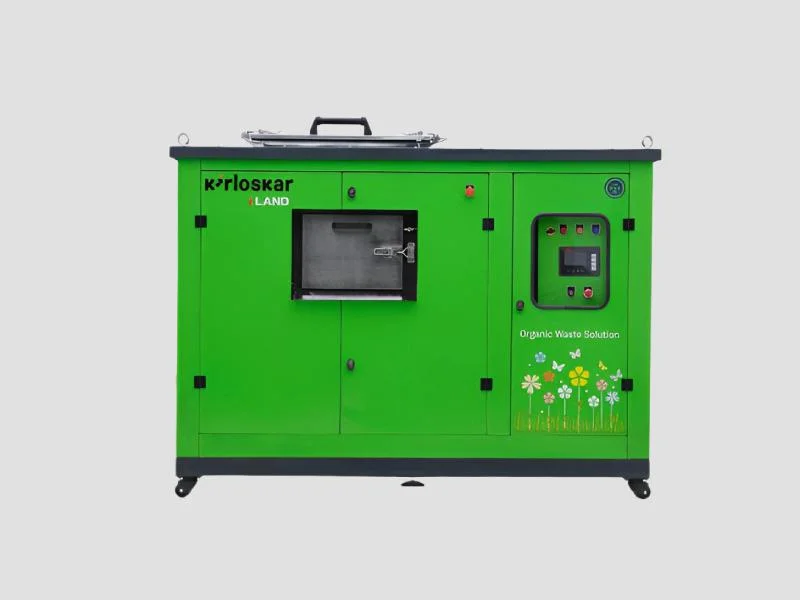
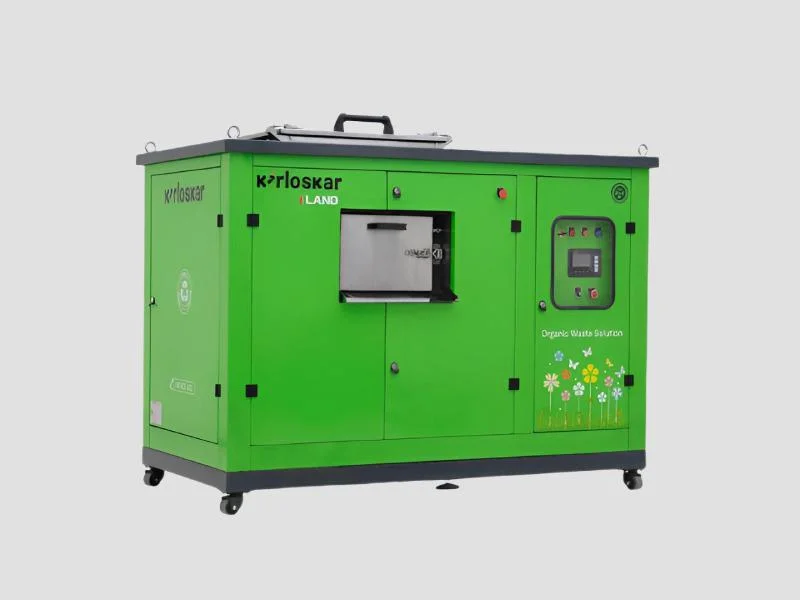
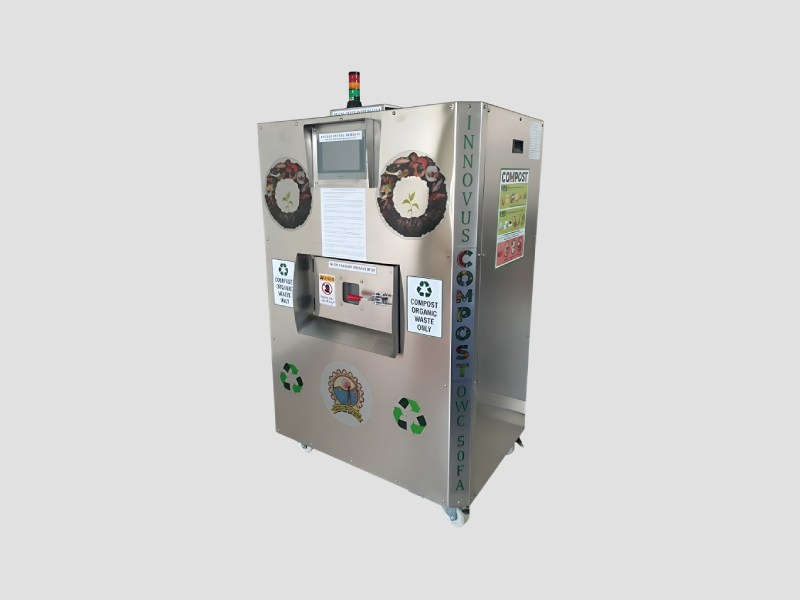
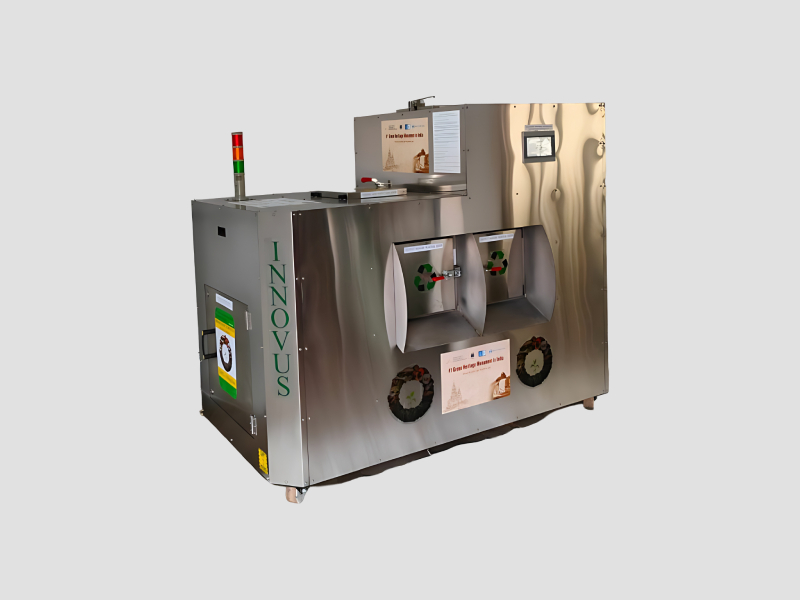
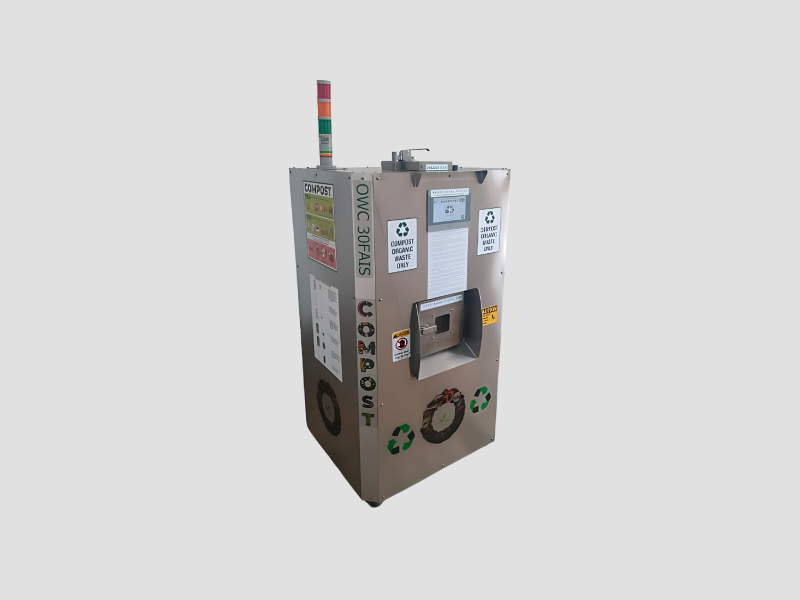
Food waste composting machines are specialized equipment designed to convert organic waste generated by food processing operations into valuable compost. These machines facilitate the decomposition of food scraps, kitchen waste, and other biodegradable materials through controlled aerobic and anaerobic processes. By effectively breaking down these materials, composting machines help reduce the volume of waste sent to landfills, while also producing a nutrient-rich product that can be used to enrich soil.
Businesses across various sectors, including restaurants, hotels, food manufacturers, and supermarkets, utilize food waste composting machines as part of their waste management strategies. The machines not only address environmental concerns but also support sustainability initiatives by promoting the circular economy. As regulations around waste management become stricter, the adoption of composting technology is increasingly relevant across the food service and agricultural industries.
The market for food waste composting machines is growing, driven by the need for efficient waste management solutions and the increasing awareness of environmental sustainability. As businesses seek to minimize their carbon footprints, composting machines play a crucial role in transforming food waste into a resource, thereby aligning with global trends towards waste reduction and renewable resources.
Key Features and Specifications
Food waste composting machines come equipped with various features designed to enhance efficiency and usability. These specifications make them suitable for different applications in the food industry.
Key specifications include:
1. Capacity
- Machines are available in various sizes, accommodating different volumes of food waste.
- Typical capacities range from 100 kg to several tons per day.
2. Processing Time
- The duration required for composting can vary based on the machine type.
- Processing times can range from 24 hours to several weeks.
3. Energy Consumption
- Energy efficiency is a key consideration, with machines designed to minimize power usage.
- Typical energy consumption rates are between 0.5 to 2 kWh per processed ton.
4. Temperature Control
- Effective temperature management is essential for optimal composting.
- Machines may operate within specific temperature ranges, often above 55 degrees Celsius.
5. User Interface
- Many machines feature intuitive control panels for easy operation.
- Digital displays provide real-time monitoring and alerts.
6. Odor Control
- Advanced systems often include filtration mechanisms to mitigate odors during composting.
- This feature is vital for indoor installations.
7. Durability
- Machines are typically constructed from high-quality materials for long-lasting performance.
- Resistance to corrosion and wear is a common characteristic.
8. Safety Features
- Safety mechanisms such as emergency shut-off and overload protection are standard.
- Compliance with safety regulations is essential for operational integrity.
These specifications collectively ensure that food waste composting machines are effective, reliable, and suitable for a range of industrial applications.
Common Applications and Use Cases
Food waste composting machines are utilized across numerous industries, highlighting their versatility and relevance in waste management.
1. Restaurants: These establishments generate significant food waste daily. Composting machines help them convert this waste into compost, minimizing landfill contributions.
2. Hotels: Hotels often produce large quantities of organic waste from kitchens and dining areas. Composting machines support sustainability goals while enhancing soil quality for landscaping.
3. Food Processing Plants: These facilities can compost byproducts and scraps generated during food production, thereby reducing waste disposal costs and creating a valuable soil amendment.
4. Supermarkets: With substantial food waste from unsold and expired items, supermarkets can utilize composting machines to manage waste sustainably and promote green practices.
5. Educational Institutions: Schools and universities increasingly adopt composting machines as part of their sustainability programs, teaching students about waste reduction and environmental responsibility.
6. Agriculture: Farms can use composting machines to recycle organic waste, producing compost that improves soil health and crop yields.
7. Community Gardens: Local gardens benefit from composting machines by recycling organic waste from the community, creating a sustainable source of compost for gardening.
Product Variants and Subcategories
Food waste composting machines come in various designs, catering to different needs and settings.
Small-Scale Composting Units: These compact machines are ideal for restaurants and small food businesses, allowing them to process food waste on-site efficiently. They are user-friendly and require minimal space.
Medium-Sized Composting Systems: Suitable for hotels and larger restaurants, these machines can handle a higher volume of waste and often include advanced monitoring features for improved efficiency.
Industrial Composting Machines: Designed for large-scale operations such as food processing plants, these robust systems can process tons of waste daily and feature extensive automation for streamlined operations.
Benefits and Advantages
Investing in food waste composting machines offers multiple benefits for businesses and the environment.
1. Waste Reduction: These machines significantly decrease the volume of organic waste sent to landfills, promoting a more sustainable waste management approach.
2. Cost Savings: By converting waste into compost, businesses can reduce disposal costs and potentially generate revenue through the sale of compost.
3. Environmental Compliance: Utilizing composting machines helps companies meet environmental regulations and sustainability goals.
4. Soil Enrichment: The compost produced enriches soil health, providing essential nutrients for plants and crops.
5. Improved Brand Image: Companies adopting composting practices can enhance their reputation as environmentally responsible businesses, appealing to eco-conscious consumers.
6. Resource Optimization: Composting machines foster a circular economy, turning waste into a valuable resource and minimizing resource depletion.
Buying Guide for B2B Buyers
When sourcing food waste composting machines, businesses should consider several critical factors to ensure they select the right equipment.
1. Quality Assessment: Evaluate the machine's construction, materials used, and overall durability. Check for compliance with relevant industry standards to ensure long-lasting performance.
2. Supplier Verification: Vet suppliers by checking their reputation, customer reviews, and previous projects. A verified supplier can provide assurance of quality and support.
3. Pricing and MOQ: Understand the pricing structure and minimum order quantities. Be aware of the total cost of ownership, including installation and maintenance.
4. Delivery and Lead Times: Confirm delivery schedules and lead times to ensure timely availability of the machine, especially if it is needed for a specific project.
5. Compliance Requirements: Ensure that the machine meets all regulatory and compliance standards applicable to waste management in your industry.
Compliance and Certifications
Food waste composting machines must adhere to various quality standards and certifications to ensure safety and efficiency.
ISO 9001 certification is a recognized standard that guarantees quality management systems in manufacturing processes, ensuring that the machines are produced to high standards.
HACCP compliance is essential for food safety, particularly for machines used in the food industry. This certification demonstrates that the equipment meets strict safety and hygiene requirements.
CE marking indicates that the machines comply with European health, safety, and environmental protection standards. This certification is crucial for businesses operating within or exporting to Europe.
Regional compliance considerations may vary, so it is important for businesses to understand local regulations regarding waste management and composting practices.
Why Source Food Waste Composting Machines from Pepagora?
Pepagora serves as a trusted platform for sourcing food waste composting machines, offering numerous advantages for B2B buyers.
Verified Supplier Network: Pepagora connects buyers with a network of verified suppliers, ensuring that businesses can find reputable sources of high-quality composting machines.
Streamlined RFQ Process: The platform simplifies the request for quotation (RFQ) process, allowing buyers to easily compare options and make informed decisions based on their specific needs.
Trade Assurance and Support: Pepagora provides trade assurance, offering protection for buyers throughout the purchasing process. This support enhances buyer confidence and security.
Regional Coverage: With a strong presence in India, the GCC region, and Southeast Asia, Pepagora facilitates access to suppliers across these areas, catering to the diverse needs of businesses in different markets.

 IN
IN