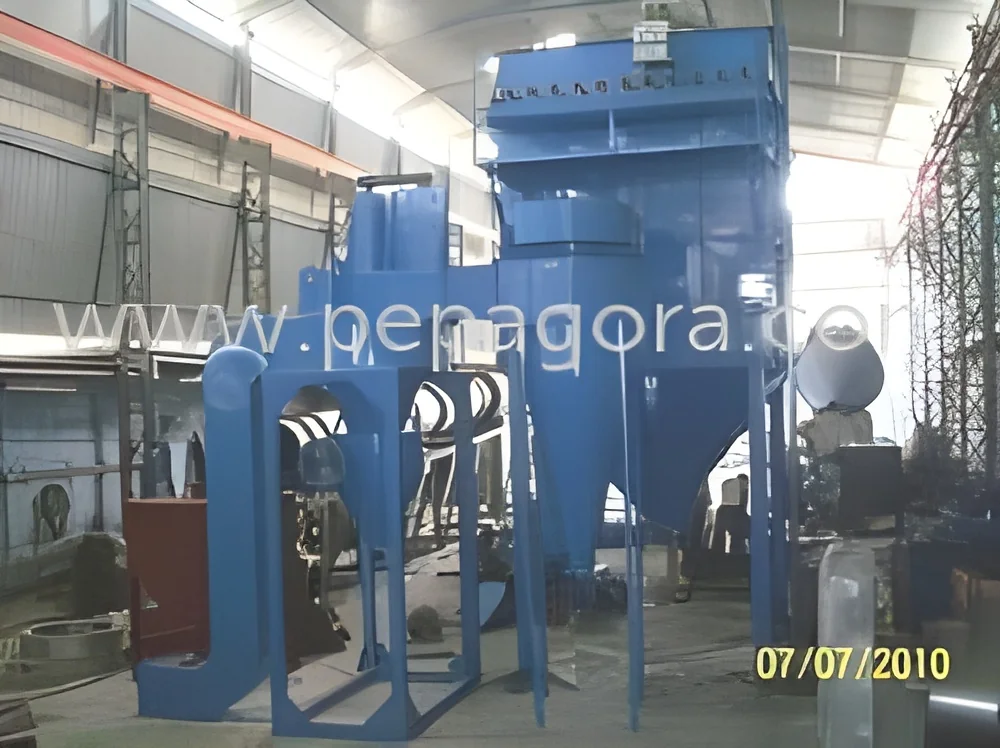
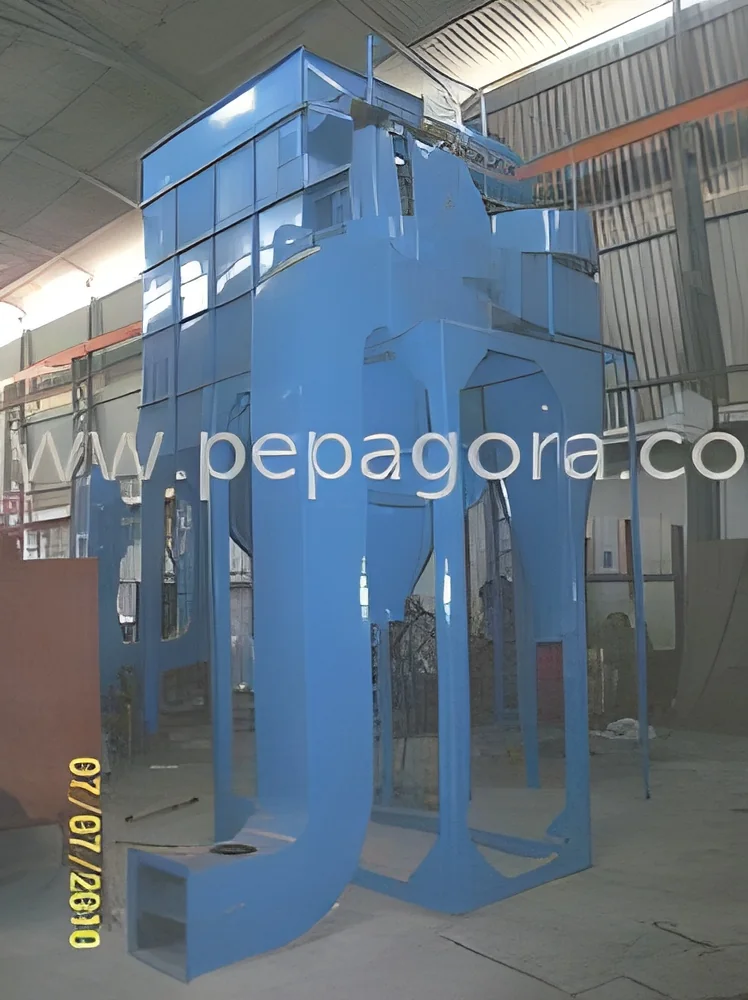
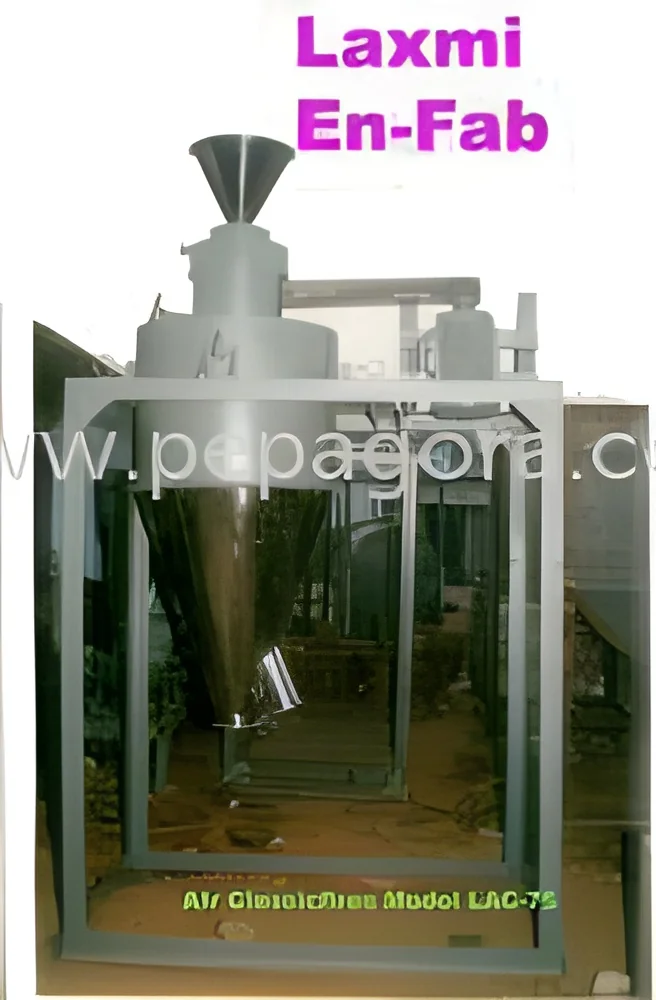
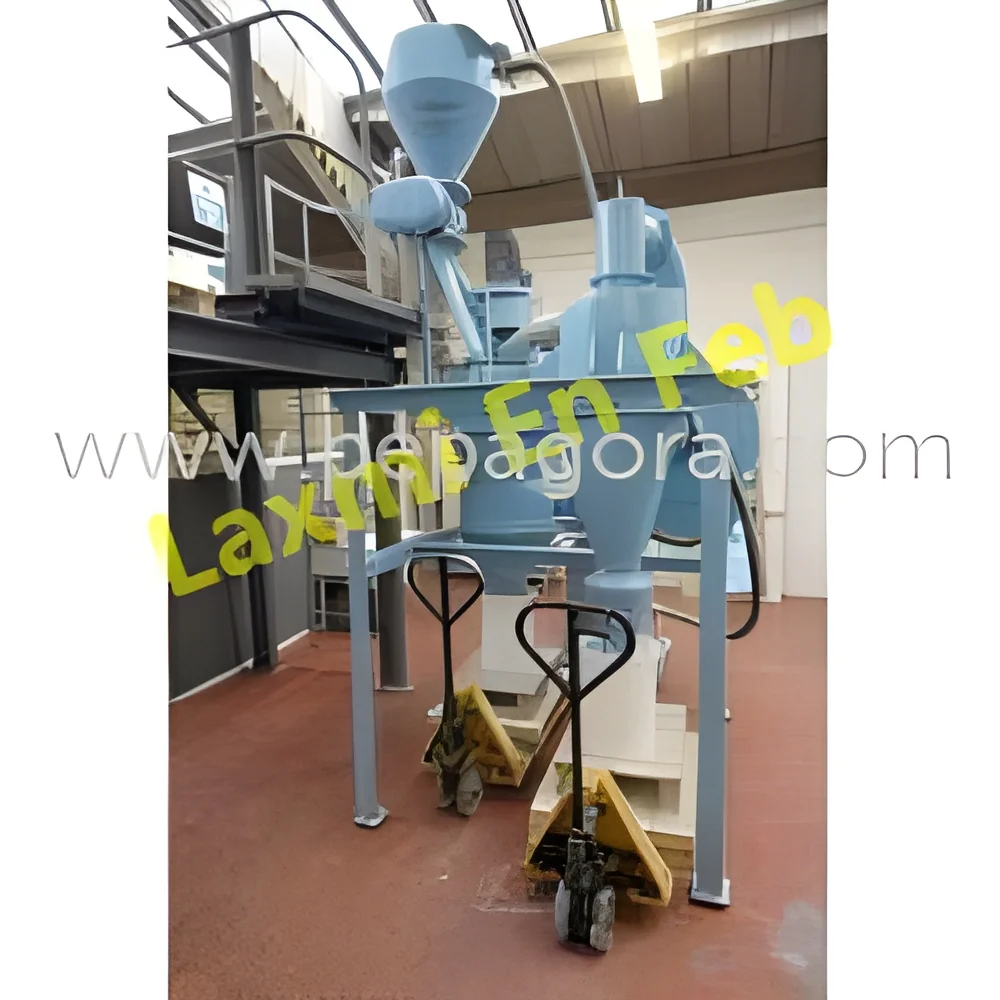
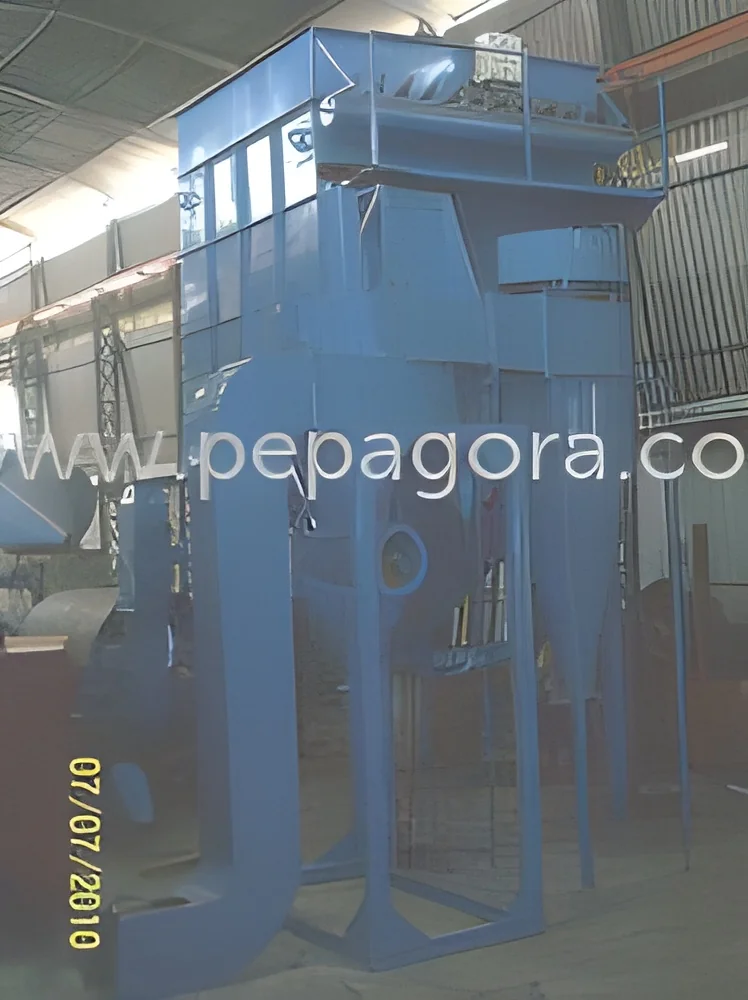
What are Air Classifiers?
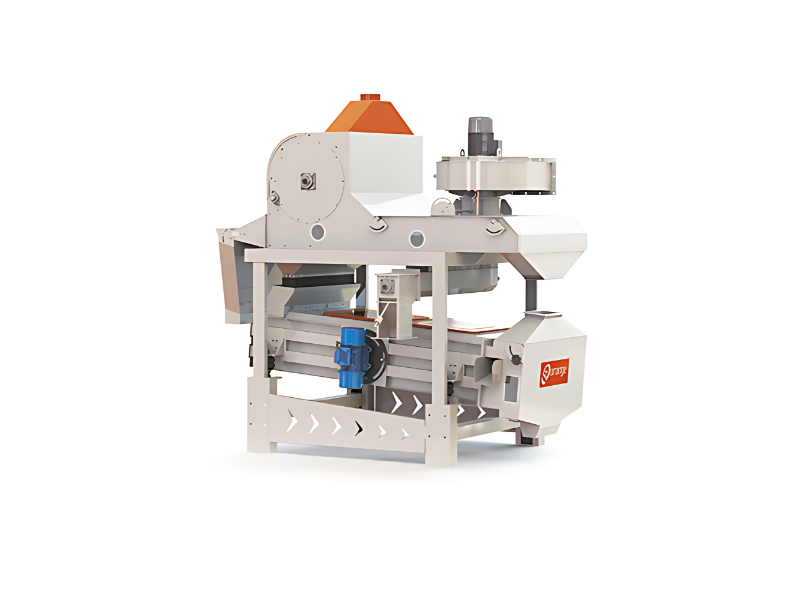
Air classifiers are industrial devices designed to separate particles based on size, density, and shape using a combination of air flow and centrifugal force. They operate by introducing a mixture of particles into a stream of air, which then helps to classify the particles according to their physical properties. The lighter particles are carried away with the air while the heavier ones fall through a discharge outlet.
These devices are primarily used in various industries, including mining, pharmaceuticals, food processing, and recycling. By ensuring the classification of materials, air classifiers enhance product quality and process efficiency. They help companies achieve precise particle size distribution, which is critical for applications requiring specific material characteristics, such as in powder coatings or cement manufacturing.
The relevance of air classifiers in the market cannot be overstated. As industries increasingly focus on efficiency and product quality, the demand for precise material separation technologies has grown. Air classifiers play a vital role in achieving these objectives, making them essential tools in modern industrial processes.
Key Features and Specifications
Air classifiers come equipped with several key features that enhance their functionality and performance. These specifications are crucial for buyers to understand how the equipment will fit into their operational needs.
Key specifications include:
1. Airflow Rate
- Measures the volume of air processed per unit time.
- Typical ranges can vary based on the model and application.
2. Particle Size Range
- Specifies the range of particle sizes that the classifier can separate.
- Ranges vary widely depending on the application and design.
3. Efficiency Rate
- Indicates the percentage of material accurately classified.
- Higher efficiency rates improve product quality.
4. Material Construction
- Refers to the materials used in the classifier's construction.
- Common materials include stainless steel for durability.
5. Operating Pressure
- The pressure at which the classifier operates.
- Typically specified in psi or bar.
6. Dimensions
- Physical dimensions of the classifier, impacting space requirements.
- Size varies based on design and capacity.
7. Energy Consumption
- Amount of energy required for operation.
- Efficiency in energy use is a key consideration for cost management.
8. Control Features
- Includes automated systems for monitoring and adjusting operations as needed.
- Advanced models may offer digital controls for precise management.
In summary, understanding these specifications helps businesses select air classifiers that meet their specific operational needs while optimizing performance and efficiency.
Common Applications and Use Cases
Air classifiers are utilized across a diverse range of industries, each with specific requirements for material processing.
1. Mining: In the mining sector, air classifiers are used to separate valuable minerals from waste material, enhancing recovery rates and minimizing costs.
2. Pharmaceuticals: These devices are crucial for producing powders with uniform particle sizes, which is essential for accurate dosing and product effectiveness.
3. Food Processing: Air classifiers help in the separation of various food ingredients based on size, ensuring consistency in product quality.
4. Recycling: In recycling operations, air classifiers are employed to sort materials like plastics and metals, improving the efficiency of the recycling process.
5. Cement Manufacturing: They are used to classify and control the particle size of cement, which affects the quality and performance of the final product.
6. Chemical Production: Air classifiers help in the production of fine chemicals by ensuring precise size distribution of the chemical powders.
7. Powder Coatings: They are integral to achieving the desired particle size and distribution in powder coatings, impacting the application and finish quality.
Product Variants and Subcategories
Air classifiers come in various designs to meet different industrial needs. Each variant offers unique features suited for specific applications.
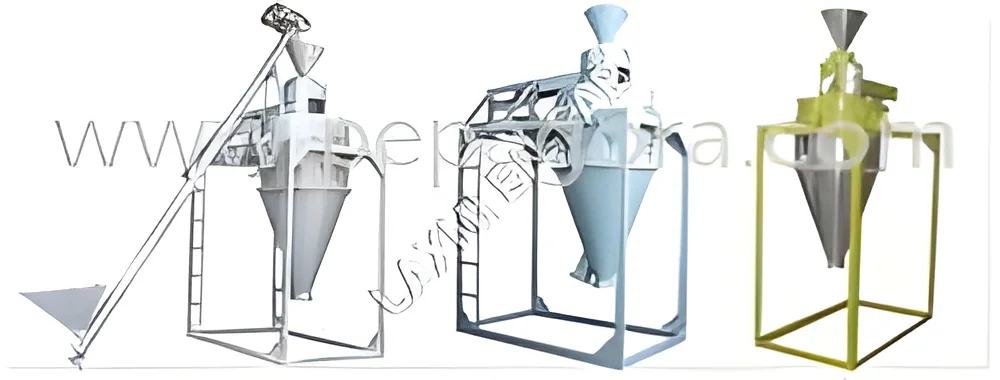
Cyclone Classifiers: These classifiers utilize centrifugal force to separate particles from air. They are efficient for handling large volumes of materials and are commonly used in mining and mineral processing.
Spiral Classifiers: Designed with a spiral mechanism, these classifiers effectively separate fine particles from coarse ones. They are often used in the processing of minerals and aggregates.
Horizontal Classifiers: These models operate in a horizontal configuration, allowing for continuous processing. They are particularly useful in applications requiring consistent material flow.
Benefits and Advantages
Air classifiers provide numerous advantages that enhance operational efficiency and product quality.
1. Improved Product Quality: By ensuring precise particle size distribution, air classifiers help achieve higher quality standards in the final products.
2. Increased Process Efficiency: These devices optimize material separation, leading to reduced waste and improved overall productivity.
3. Versatility: Air classifiers can be used in various industries, making them adaptable to different applications and operational requirements.
4. Cost Savings: Enhanced efficiency and reduced waste translate to lower operational costs, offering significant savings over time.
5. Reduced Environmental Impact: By improving material recovery and minimizing waste, air classifiers contribute to more sustainable industrial practices.
6. Customization Options: Many air classifiers can be tailored to meet specific operational needs, providing flexibility for different applications.
Buying Guide for B2B Buyers
When sourcing air classifiers, it is essential to consider several key factors to ensure successful procurement.
1. Quality Assessment: Evaluate the quality of the classifier based on industry standards and customer reviews. Look for certifications that indicate compliance with quality benchmarks.
2. Supplier Verification: Vet suppliers for reliability and reputation. Check their history, customer feedback, and any certifications they hold.
3. Pricing and MOQ: Understand pricing structures and minimum order quantities. This helps in budgeting and ensures that you meet your operational needs without overspending.
4. Delivery and Lead Times: Confirm delivery schedules and lead times to ensure that the air classifiers arrive when needed for your operations.
5. Compliance Requirements: Ensure that the classifiers meet relevant regulatory and industry standards, which can vary by region and application.
Compliance and Certifications
Air classifiers must adhere to various compliance and certification standards to ensure safety and efficiency in operation.
Relevant quality standards such as ISO 9001 ensure that manufacturers maintain high-quality management practices. Adherence to these standards is critical for ensuring the reliability and performance of air classifiers.
Industry certifications, such as CE, indicate that the equipment meets European safety, health, and environmental requirements. This certification is essential for companies operating in or exporting to European markets.
Safety and testing requirements are paramount in the design and operation of air classifiers. Manufacturers must ensure that their products undergo rigorous testing procedures to guarantee safety and functionality.
Additionally, regional compliance considerations are crucial for businesses operating in different countries. Understanding local regulations can help avoid legal issues and ensure smooth operation.
Why Source Air Classifiers from Pepagora?
Pepagora provides a trusted platform for sourcing air classifiers with several key advantages that appeal to B2B buyers.
Verified Supplier Network: Pepagora features a network of verified suppliers, ensuring that buyers engage with reputable manufacturers. This verification process helps mitigate risks associated with procurement.
Streamlined RFQ Process: The platform offers a streamlined Request for Quotation (RFQ) system that simplifies the process of obtaining quotes from multiple suppliers. This efficiency saves time and helps buyers make informed decisions.
Trade Assurance and Support: Pepagora provides trade assurance, protecting buyers against potential issues such as product quality and delivery delays. This support builds confidence in the sourcing process.
Regional Coverage: With a strong presence in India, the GCC, and Southeast Asia, Pepagora offers geographic reach that connects buyers with suppliers across diverse markets, facilitating easier access to needed products.

 IN
IN