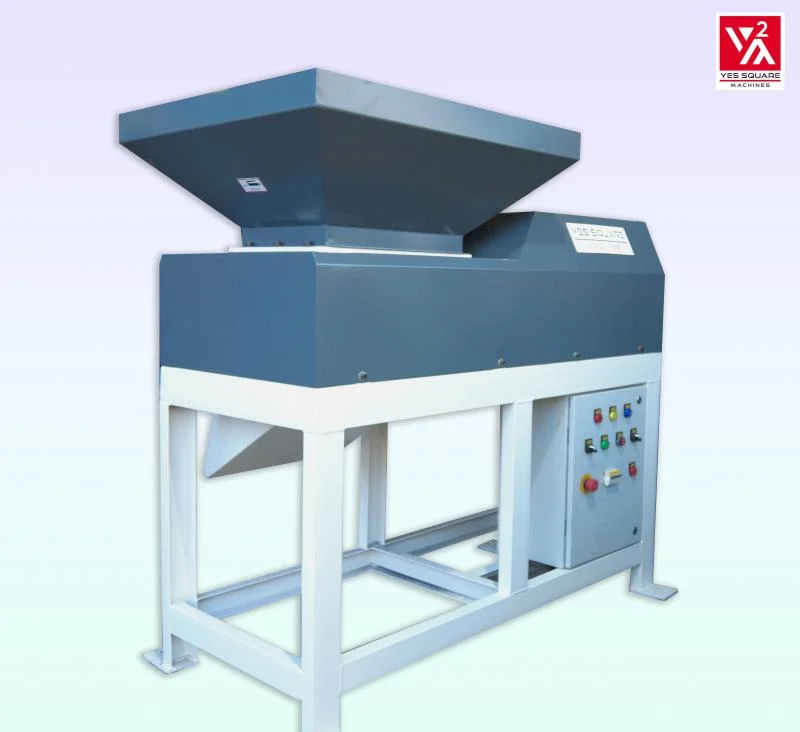
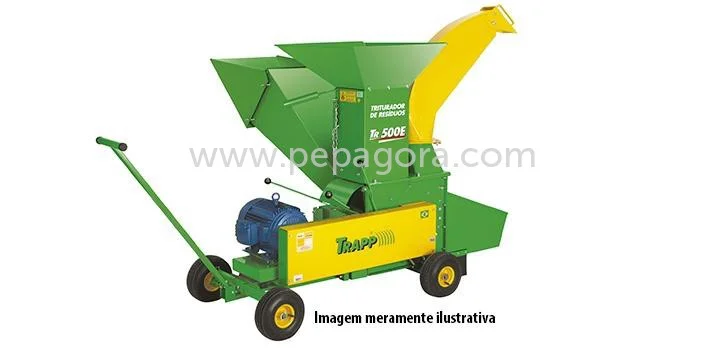
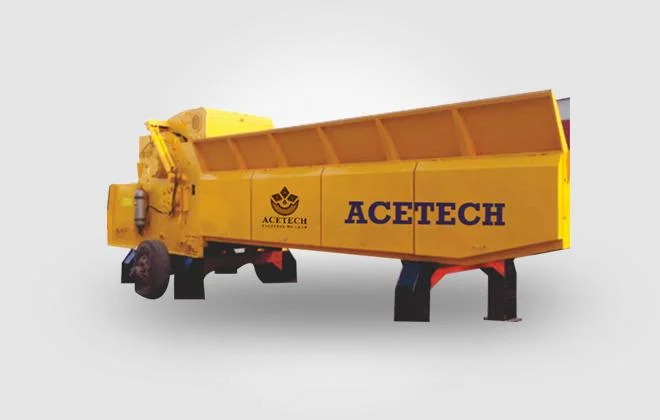
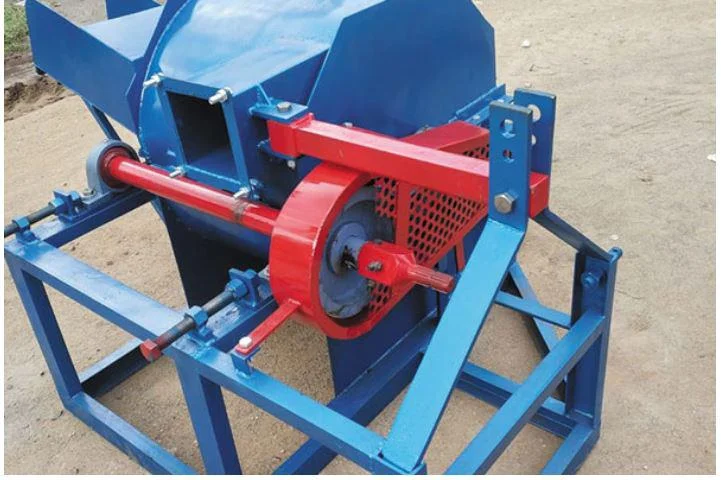
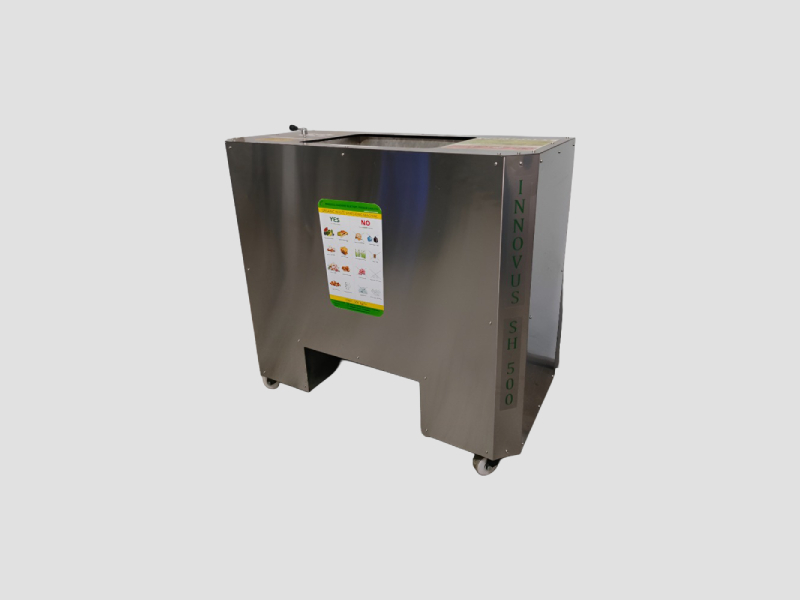
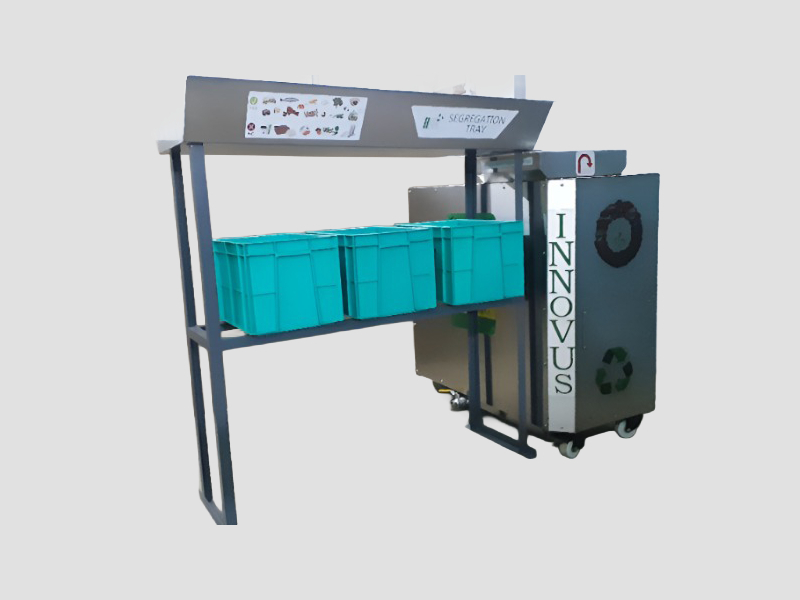
What are Organic Waste Shredders?
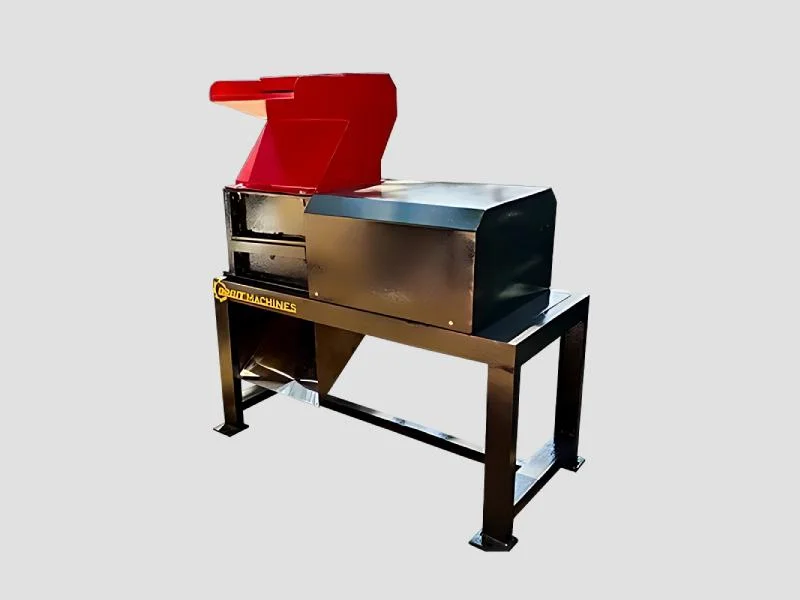
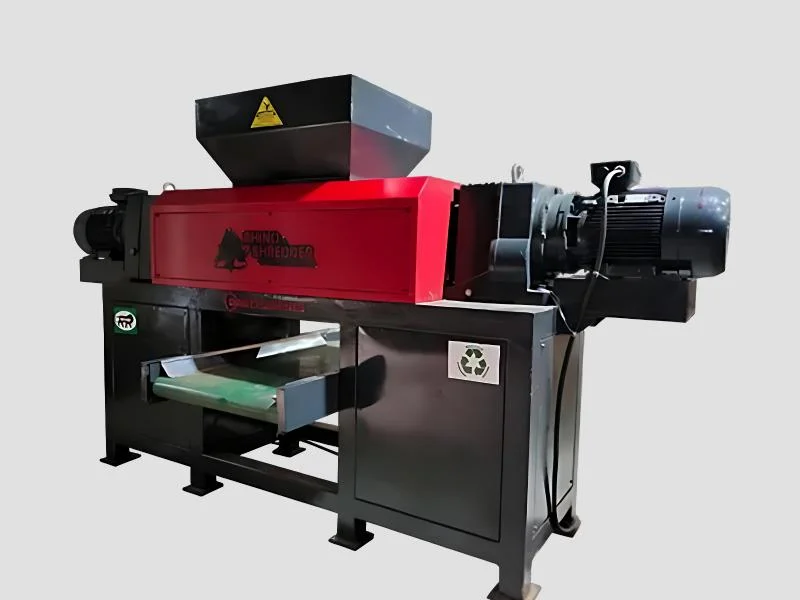
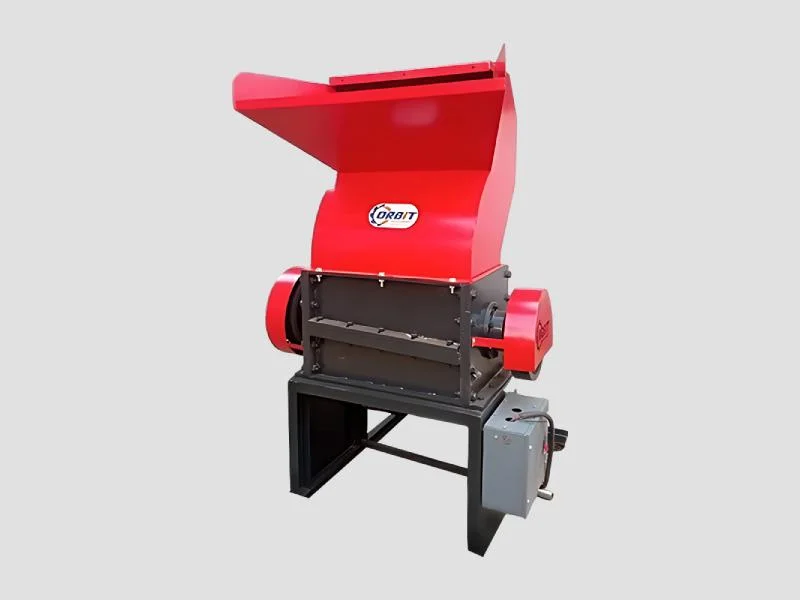
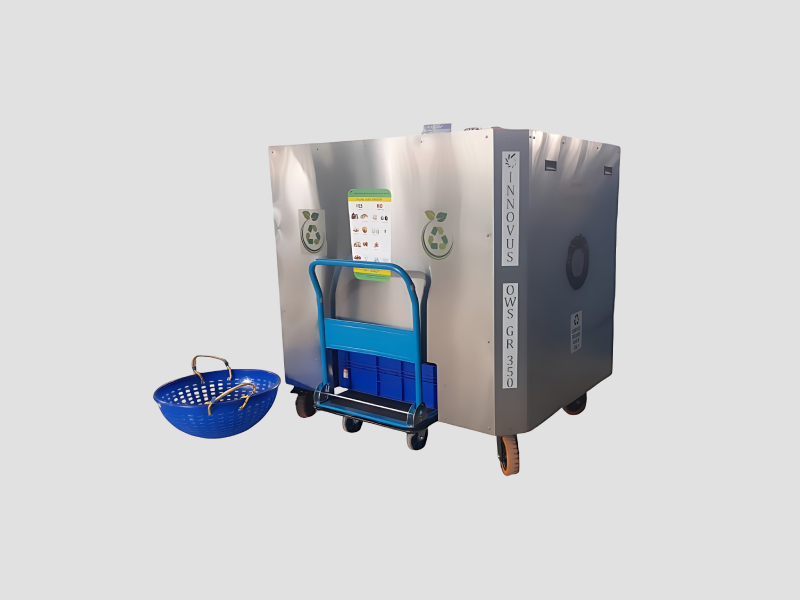
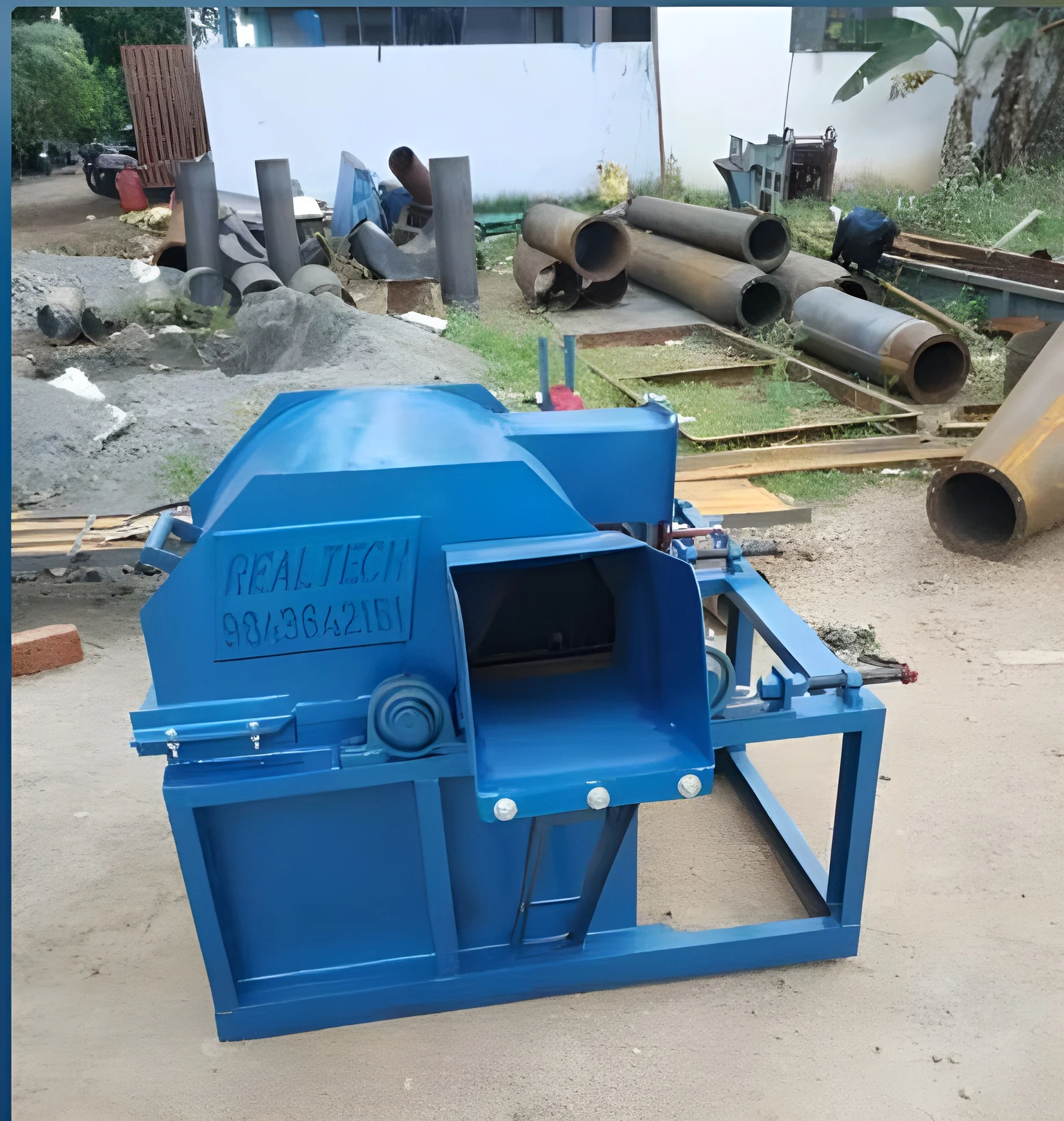
Organic waste shredders are specialized machines designed to process organic materials such as food scraps, garden waste, and agricultural residues. They reduce the size of these materials, making them easier to manage, transport, and recycle. By shredding organic waste, these machines facilitate composting and other waste management practices, contributing to environmental sustainability and resource recovery.
These shredders find primary use in various sectors, including agriculture, horticulture, food processing, and municipal waste management. Businesses utilize these machines to convert organic waste into valuable compost or bioenergy, thus minimizing landfill contributions. The growing emphasis on waste reduction and sustainable practices has increased the demand for organic waste shredders across many industries, making them an essential tool for modern waste management.
The market for organic waste shredders is expanding as companies seek to enhance their waste management practices and meet regulatory requirements. With increasing awareness of environmental issues, many organizations are investing in technologies that support sustainability. This trend positions organic waste shredders as a crucial component in the broader context of industrial waste management solutions.
Key Features and Specifications
Organic waste shredders come equipped with various features tailored to optimize performance and efficiency. These specifications ensure that the shredders can handle different types of organic waste effectively.
Key specifications include:
1. Cutting Mechanism
- This specification refers to the design of the blades or knives used for shredding.
- Options may include single-shaft or multi-shaft designs for different shredding needs.
2. Capacity
- The capacity indicates the volume of organic waste the shredder can process in a given timeframe.
- Typical capacities range from small units that process 200 kg per hour to industrial models that handle several tons per hour.
3. Power Source
- Organic waste shredders can be powered by electric, diesel, or hybrid systems.
- The power rating often ranges from 5 kW for smaller models to over 100 kW for larger, industrial units.
4. Shredding Size
- This refers to the size of the output material post-shredding.
- Shredders can produce sizes ranging from 10 mm to 50 mm, depending on application requirements.
5. Safety Features
- Safety is critical in industrial machinery.
- Key features may include emergency stop buttons, overload protection, and safety guards.
6. Mobility Options
- Some models may feature wheels or tracks for easy movement on-site.
- This enhances their versatility in different operational environments.
7. Maintenance Requirements
- Regular maintenance is necessary for optimal operation.
- Specifications often detail the frequency and type of maintenance needed.
8. Noise Levels
- Noise output can vary significantly among models.
- Many units are designed to operate within acceptable noise limits for industrial settings.
In summary, understanding the key features and specifications of organic waste shredders helps businesses choose the right equipment for their specific needs.
Common Applications and Use Cases
Organic waste shredders are utilized in several industries, enhancing waste management practices.
1. Agriculture: Farmers use shredders to process crop residues and animal waste, turning them into compost that enriches soil quality and reduces chemical fertilizer dependency.
2. Food Processing: Companies in the food industry employ shredders to manage food scraps and by-products, aiding in the production of bioenergy or animal feed.
3. Municipal Waste Management: Local governments utilize these machines to handle organic waste collected from households, promoting composting initiatives and reducing landfill contributions.
4. Landscaping: Landscape companies use shredders to process yard waste, such as branches and leaves, which can then be recycled into mulch or compost.
5. Restaurants and Cafés: These establishments can manage food waste more efficiently, converting it into compost instead of sending it to landfills.
6. Waste Management Facilities: Facilities dedicated to recycling and waste processing make use of shredders to optimize the handling of organic materials.
7. Biogas Production: Shredders are used in biogas plants to prepare organic waste for anaerobic digestion, increasing gas yield and efficiency.
Product Variants and Subcategories
Organic waste shredders are available in various configurations to meet specific processing needs.
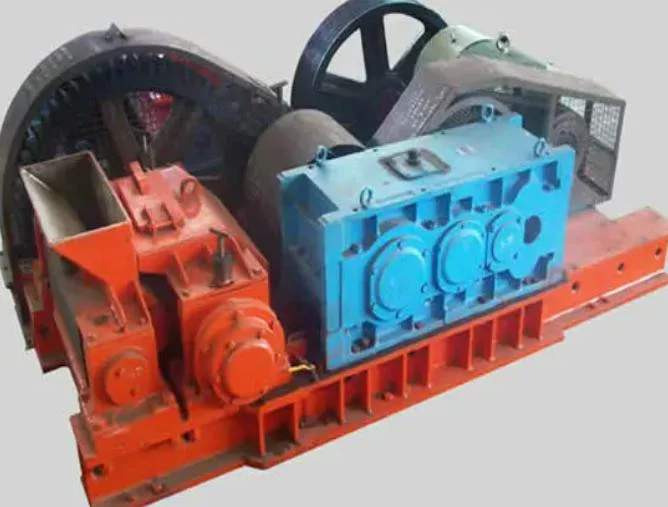
Heavy-Duty Shredders
These models are designed for industrial applications, capable of handling large volumes of organic waste. They often feature robust cutting mechanisms and high-capacity processing capabilities.
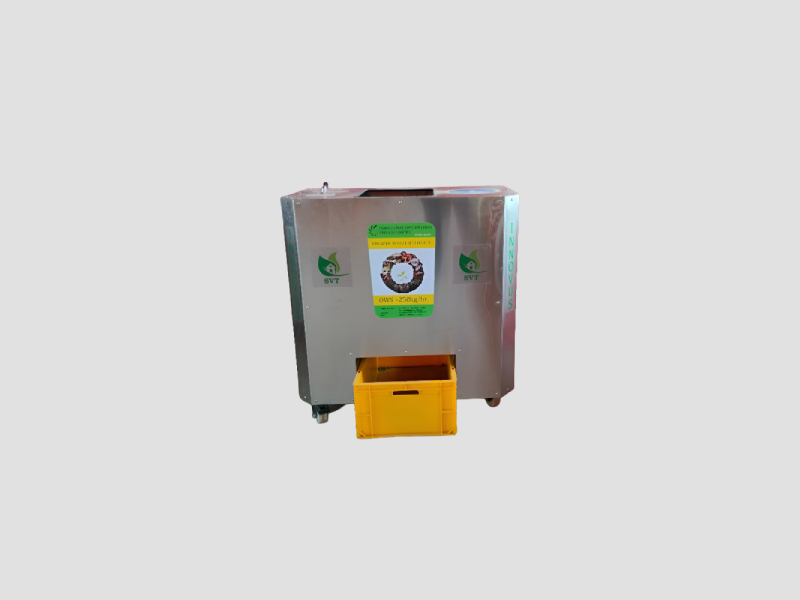
Compact Shredders
Ideal for smaller operations, compact shredders are easy to use and maintain. They are suitable for restaurants and small farms that generate limited organic waste.
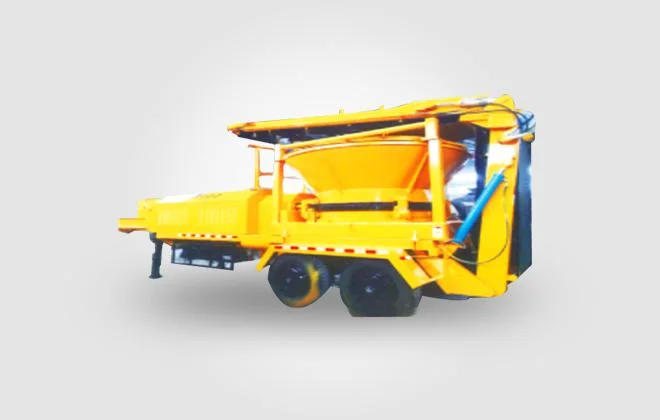
Mobile Shredders
These shredders come equipped with mobility features, allowing for on-site processing of organic waste. They are particularly valuable for landscaping and municipal applications.
Stationary Shredders
Designed for fixed installations, stationary shredders are often used in waste management facilities. They are built for high throughput and continuous operation.
Benefits and Advantages
Investing in organic waste shredders offers numerous advantages for businesses.
1. Waste Reduction: Shredders significantly reduce the volume of organic waste, making it easier to manage and transport.
2. Environmental Impact: By facilitating composting and recycling, these machines contribute to sustainability efforts and help reduce landfill waste.
3. Cost Savings: Businesses can save on disposal costs and potentially generate revenue through the sale of compost or bioenergy.
4. Enhanced Efficiency: Shredders streamline waste processing, allowing for quicker turnaround times in waste management operations.
5. Compliance with Regulations: Utilizing shredders helps businesses meet environmental regulations related to waste disposal and management.
6. Improved Soil Health: The compost produced from shredded organic waste enriches soil, promoting healthier crops and sustainable agricultural practices.
Buying Guide for B2B Buyers
When sourcing organic waste shredders, various factors should be considered to ensure a suitable purchase.
1. Quality Assessment: Evaluate the build quality and materials used in the shredder. Look for reputable brands that adhere to industry standards for durability and performance.
2. Supplier Verification: It is essential to vet suppliers thoroughly. Check for customer reviews, certifications, and industry experience to ensure reliability.
3. Pricing and MOQ: Understand the pricing structure and minimum order quantities (MOQ). Compare quotes from multiple suppliers to get the best deal.
4. Delivery and Lead Times: Consider the delivery timelines and logistics involved in shipping the equipment. Ensure that suppliers can meet your project deadlines.
5. Compliance Requirements: Verify that the shredders comply with relevant regulations and safety standards in your region. This ensures legal and operational safety.
Compliance and Certifications
Compliance with quality standards is crucial for organic waste shredders. Many manufacturers strive to meet standards such as ISO 9001, which emphasizes quality management systems. Adhering to HACCP (Hazard Analysis Critical Control Point) principles is also vital, particularly for machines used in food processing environments.
Additionally, organic waste shredders may carry industry certifications like CE, indicating compliance with European safety, health, and environmental protection standards. Safety features in the design are essential, as they ensure the protection of operators and maintenance personnel.
Testing requirements vary by region, and businesses should be aware of local compliance standards that apply to industrial machinery. Understanding these factors helps ensure the safe and effective operation of organic waste shredders.
Why Source Organic Waste Shredders from Pepagora?
Pepagora provides a trusted platform for sourcing organic waste shredders, offering several key advantages that benefit B2B buyers.
Verified Supplier Network: Pepagora connects buyers with a network of verified suppliers, ensuring that all listed products meet high-quality standards. This network helps buyers find reliable manufacturers with proven track records.
Streamlined RFQ Process: The request for quotation process is designed to be straightforward and efficient. Buyers can easily submit inquiries to multiple suppliers, facilitating quick comparisons and informed decision making.
Trade Assurance and Support: Pepagora offers trade assurance, providing buyers with protection against fraud and ensuring that transactions are handled securely. Customer support is also available to assist with any queries throughout the purchasing process.
Regional Coverage: With a focus on markets in India, GCC, and Southeast Asia, Pepagora ensures that buyers have access to local suppliers and products tailored to regional needs. This geographic reach enhances convenience and reduces shipping costs.
By leveraging Pepagora's platform, businesses can efficiently source high-quality organic waste shredders while benefiting from a supportive and secure purchasing environment.

 IN
IN