
 IN
Boiler Efficiency Monitoring Systems
5 products available
What are Boiler Efficiency Monitoring Systems?
Boiler Efficiency Monitoring Systems are advanced solutions designed to assess and enhance the performance of industrial boilers. These systems collect and analyze data related to boiler operation, providing insight into efficiency levels, fuel consumption, and emissions. By utilizing sensors and monitoring technology, these systems enable operators to make informed decisions that can lead to improved energy usage and reduced operational costs.
The primary applications of Boiler Efficiency Monitoring Systems span various industries, including manufacturing, power generation, and food processing. Businesses use these systems to ensure compliance with environmental regulations, optimize fuel usage, and maintain reliable boiler operations. In an increasingly competitive market where sustainability and cost-efficiency are paramount, these systems have become essential tools for organizations aiming to enhance their operational efficiency.
Given the rising emphasis on energy conservation and emission reduction, the relevance of Boiler Efficiency Monitoring Systems in today's market cannot be overstated. Companies are investing in these technologies to not only comply with industry standards but also to achieve significant cost savings while promoting eco-friendly practices.
Key Features and Specifications
Boiler Efficiency Monitoring Systems incorporate several critical features and specifications that contribute to their effectiveness. These systems are designed to provide real-time data analysis, enabling operators to monitor performance continuously.
Key specifications include:
1. Monitoring Features
- Continuous assessment of boiler efficiency
- Real-time data on fuel consumption and emissions
2. Data Logging
- Historical data storage for trend analysis
- User-friendly interfaces for easy access to reports
3. Alarm Systems
- Alerts for performance deviations
- Notifications for maintenance needs
4. Communication Protocols
- Compatibility with existing control systems
- Remote monitoring capabilities
5. User Interfaces
- Intuitive dashboards for visualizing data
- Customizable settings for user preferences
6. Installation Requirements
- Compatibility with different boiler types
- Minimal installation downtime
7. Energy Savings Features
- Recommendations for optimizing fuel usage
- Integration with energy management systems
8. Compliance Tracking
- Tools for ensuring regulatory compliance
- Reporting features for environmental standards
In summary, Boiler Efficiency Monitoring Systems are equipped with advanced features that support optimal boiler performance and compliance, making them a valuable investment for industries relying on boiler operations.
Common Applications and Use Cases
Boiler Efficiency Monitoring Systems find applications across a wide variety of industries, each benefiting from enhanced operational efficiency.
1. Manufacturing: In manufacturing, these systems help monitor steam generation and energy consumption, ensuring that production processes remain efficient and cost-effective.
2. Power Generation: Power plants utilize these systems to optimize boiler performance, reduce emissions, and comply with stringent environmental regulations.
3. Food Processing: In the food industry, Boiler Efficiency Monitoring Systems help maintain consistent steam supply while minimizing energy costs and ensuring food safety standards.
4. Chemical Processing: These systems assist in monitoring the steam needs of chemical reactors, ensuring efficient energy usage and minimizing waste.
5. Textile Industry: In textiles, these systems help manage steam usage during fabric processing, leading to lower energy costs and improved product quality.
6. Pharmaceutical: Pharmaceutical manufacturers use these systems to ensure tight control over steam generation, essential for maintaining hygiene and operational efficiency.
7. District Heating: In district heating applications, monitoring systems optimize the performance of centralized boilers, ensuring efficient heat distribution to multiple buildings.
Product Variants and Subcategories
Boiler Efficiency Monitoring Systems come in various configurations to meet the diverse needs of different industries. Each variant is designed with specific features tailored to its application.
Smart Monitoring System
This variant includes advanced analytics capabilities that provide predictive maintenance alerts. It is ideal for industries needing real-time insights for improved operational efficiency.
Compact Monitoring System
Designed for smaller facilities, this system offers essential monitoring features in a space-saving format, making it suitable for businesses with limited installation space.
Cloud-Based Monitoring System
This variant utilizes cloud technology for data storage and analysis, allowing remote access to performance metrics. It is perfect for organizations with multiple locations that require centralized monitoring.
Traditional Monitoring System
With a focus on basic efficiency metrics, this system is suited for industries looking for straightforward solutions without advanced features.
Benefits and Advantages
Investing in Boiler Efficiency Monitoring Systems offers numerous advantages that can significantly impact operational performance.
Key benefits include:
1. Enhanced Efficiency: These systems provide real-time insights that help optimize boiler performance, leading to increased energy efficiency.
2. Cost Savings: By reducing fuel consumption and maintenance costs, businesses can achieve significant savings over time.
3. Compliance Assurance: Monitoring systems help organizations maintain compliance with environmental regulations, avoiding potential fines.
4. Predictive Maintenance: Advanced analytics can predict when maintenance is required, reducing downtime and extending boiler lifespan.
5. Data-Driven Decisions: Access to accurate data allows operators to make informed decisions regarding boiler operation and energy usage.
6. Environmental Impact: By optimizing efficiency, these systems contribute to reduced emissions, supporting corporate sustainability goals.
Buying Guide for B2B Buyers
When considering the purchase of Boiler Efficiency Monitoring Systems, several key factors should be evaluated to ensure a successful acquisition.
1. Quality Assessment: It is crucial to assess the quality of the monitoring systems. Look for certifications and customer reviews that demonstrate the reliability and effectiveness of the system.
2. Supplier Verification: Vet potential suppliers by checking their industry reputation, customer references, and track record in providing similar solutions.
3. Pricing and MOQ: Analyze pricing structures and minimum order quantities to ensure they fit within your budget and operational needs.
4. Delivery and Lead Times: Understand the logistics involved in sourcing the systems, including delivery schedules and lead times that could impact operational continuity.
5. Compliance Requirements: Ensure that the monitoring system meets all necessary regulatory compliance requirements relevant to your industry.
Compliance and Certifications
Boiler Efficiency Monitoring Systems must adhere to various compliance and certification standards to ensure safety and reliability. Key relevant quality standards include ISO 9001, which focuses on quality management systems, ensuring that products meet customer and regulatory requirements.
Additionally, compliance with HACCP (Hazard Analysis Critical Control Point) is essential in industries like food processing, where safety is paramount. CE certification indicates that the product meets European safety standards, providing assurance of its reliability and performance.
Testing requirements may vary based on the application and region. It is critical to understand local compliance needs, as regulations can differ significantly between countries and regions.
Why Source Boiler Efficiency Monitoring Systems from Pepagora?
Pepagora provides a trusted platform for sourcing Boiler Efficiency Monitoring Systems, offering several key advantages to B2B buyers.
Verified Supplier Network: Pepagora ensures that all suppliers are thoroughly vetted, providing buyers with confidence in the quality and reliability of the products offered.
Streamlined RFQ Process: The platform simplifies the request for quotation process, allowing buyers to receive competitive pricing and options tailored to their specific needs.
Trade Assurance and Support: Pepagora offers buyer protection through trade assurance, ensuring that transactions are secure and that support is available throughout the purchasing process.
Regional Coverage: With a presence in India, the GCC, and Southeast Asia, Pepagora provides a broad geographic reach, making it easier for businesses in these regions to access high-quality Boiler Efficiency Monitoring Systems.


 India
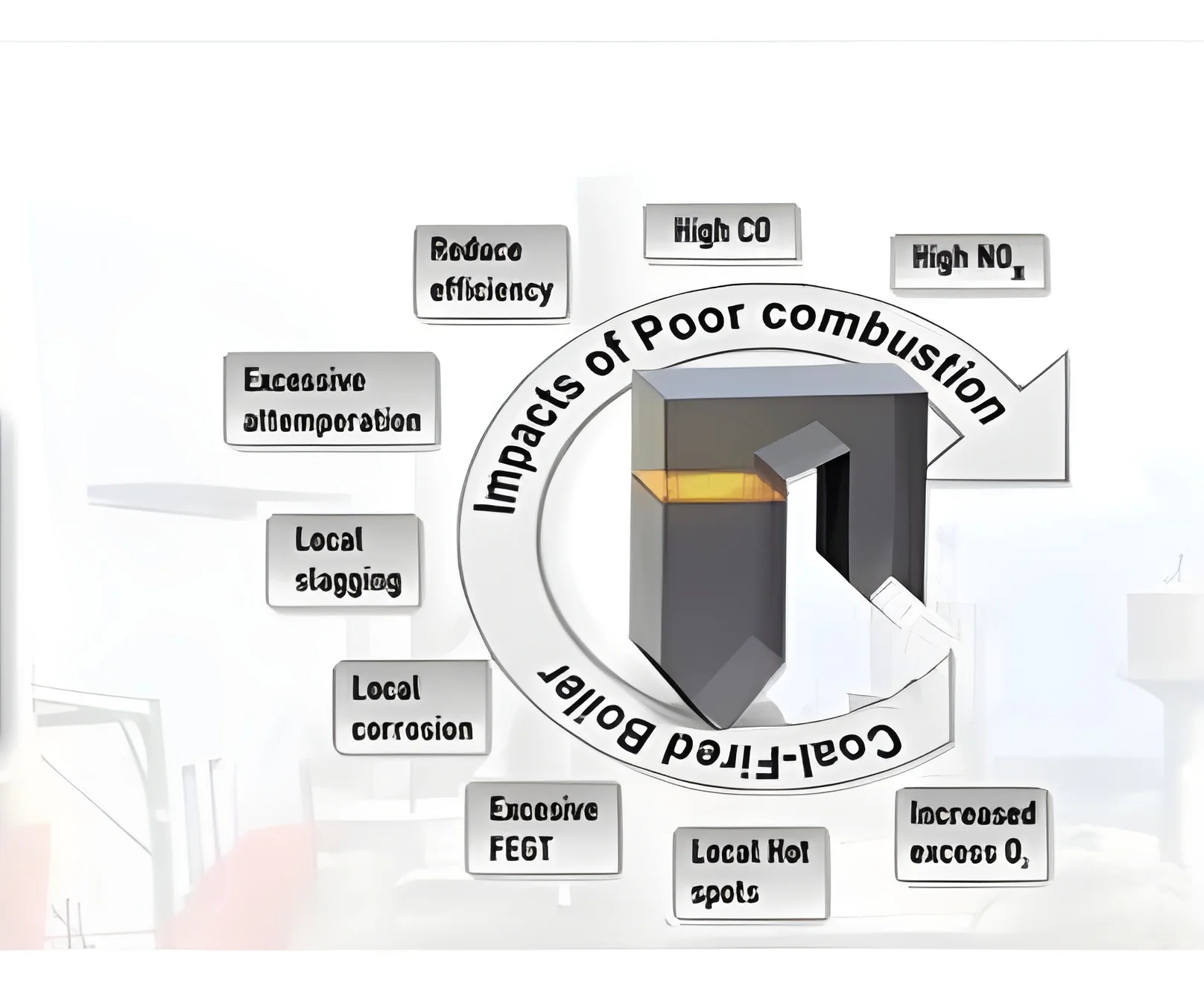 India
 India
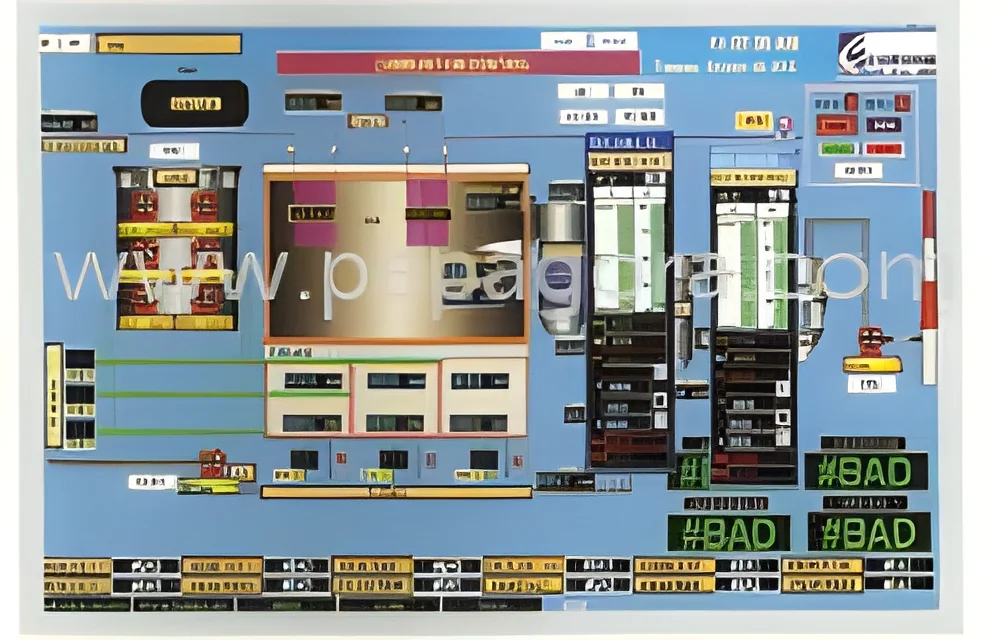
 India
 India
Frequently Asked Questions
What are Boiler Efficiency Monitoring Systems?
<p>Boiler Efficiency Monitoring Systems are specialized tools designed to assess and optimize the performance of industrial boilers. These systems measure various parameters such as fuel consumption, heat output, and emissions, enabling operators to ensure that boilers operate at peak efficiency.</p>
What are the different types of Boiler Efficiency Monitoring Systems?
<p>There are several types of Boiler Efficiency Monitoring Systems, including continuous monitoring systems, portable efficiency analyzers, and integrated control systems. Each type serves different needs, from real-time monitoring to periodic assessments, allowing users to select the best option for their specific requirements.</p>
How do I choose the right Boiler Efficiency Monitoring Systems?
<p>Choosing the right Boiler Efficiency Monitoring System involves evaluating factors such as the size and type of boiler, specific monitoring needs, and budget constraints. It's essential to consider the system's features, accuracy, and ease of integration with existing equipment.</p>
What are the standard specifications for Boiler Efficiency Monitoring Systems?
<p>Standard specifications for Boiler Efficiency Monitoring Systems typically include parameters such as measurement accuracy, operating temperature range, response time, and data logging capabilities. Systems may also offer connectivity options for remote monitoring and control.</p>
What is the price range for Boiler Efficiency Monitoring Systems?
<p>The price range for Boiler Efficiency Monitoring Systems can vary significantly based on features, capabilities, and manufacturer. Generally, prices can start from a few thousand rupees for basic models and can go up to several lakhs for advanced systems with extensive monitoring capabilities.</p>
What quality standards apply to Boiler Efficiency Monitoring Systems?
<p>Boiler Efficiency Monitoring Systems are subject to various quality standards, including ISO certifications and industry-specific guidelines. Compliance with these standards ensures reliability, safety, and accuracy in monitoring and reporting.</p>
Where can I find Boiler Efficiency Monitoring Systems suppliers in India?
<p>Boiler Efficiency Monitoring Systems suppliers in India can be found through various platforms, including B2B marketplaces like Pepagora.com, industry trade shows, and directories. Researching online and reaching out to manufacturers directly can also yield good results.</p>
Can Boiler Efficiency Monitoring Systems be customized?
<p>Many manufacturers offer customization options for Boiler Efficiency Monitoring Systems to meet specific operational needs. Customization may include tailoring software interfaces, measurement parameters, and integration with existing systems.</p>
What is the typical minimum order quantity for Boiler Efficiency Monitoring Systems?
<p>The typical minimum order quantity (MOQ) for Boiler Efficiency Monitoring Systems varies by manufacturer and product type. Generally, MOQs can range from one unit for standard systems to larger quantities for customized solutions.</p>
What is the typical lead time for Boiler Efficiency Monitoring Systems?
<p>The typical lead time for Boiler Efficiency Monitoring Systems can vary based on the complexity of the order and the manufacturer's production schedule. Generally, lead times can range from a few weeks to several months for customized systems.</p>
Why Businesses Trust Pepagora
Thousands of companies trust Pepagora to source smarter and sell faster
Expand Your Sales Globally

Source Smarter,Grow Faster
