IN
IN₹
Apparel & Fashion
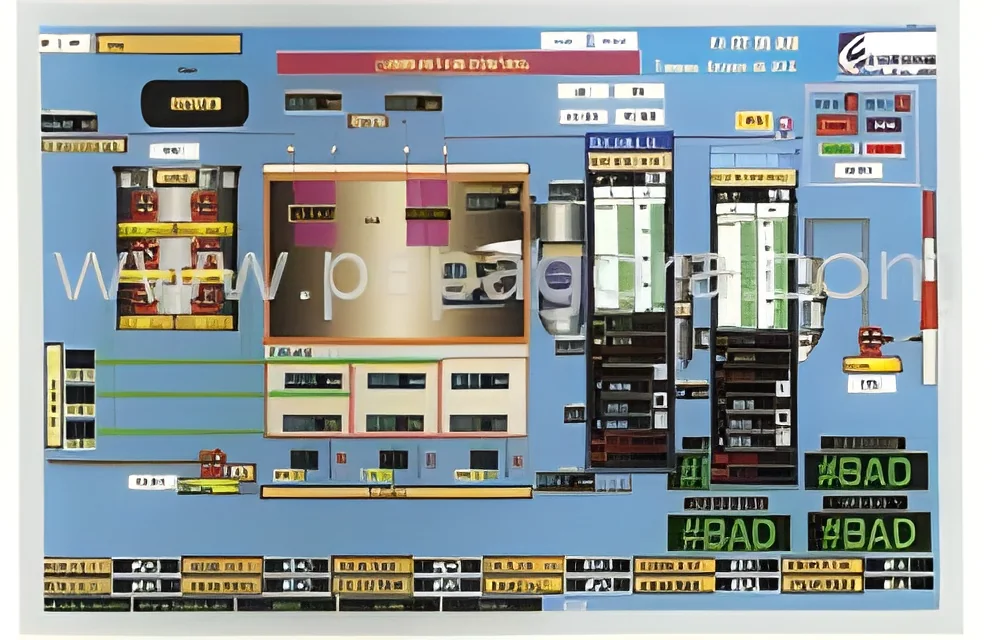
Description
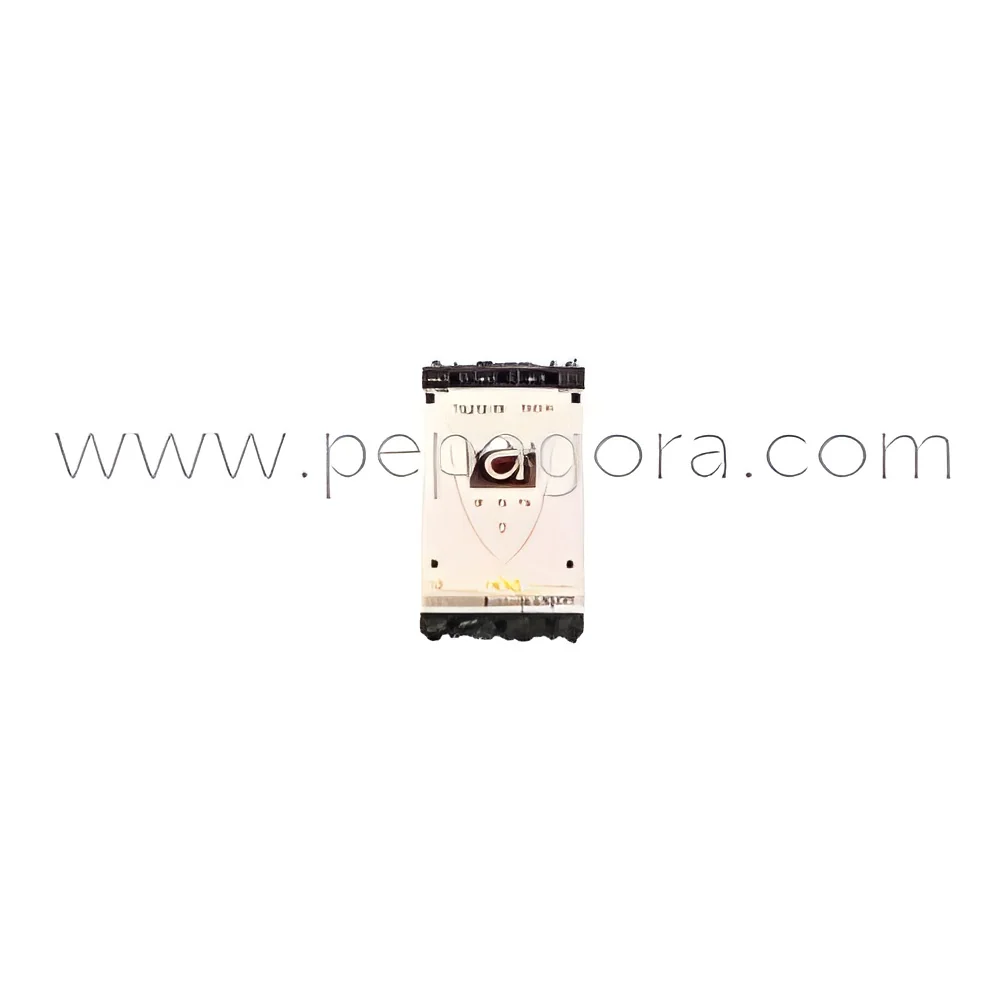
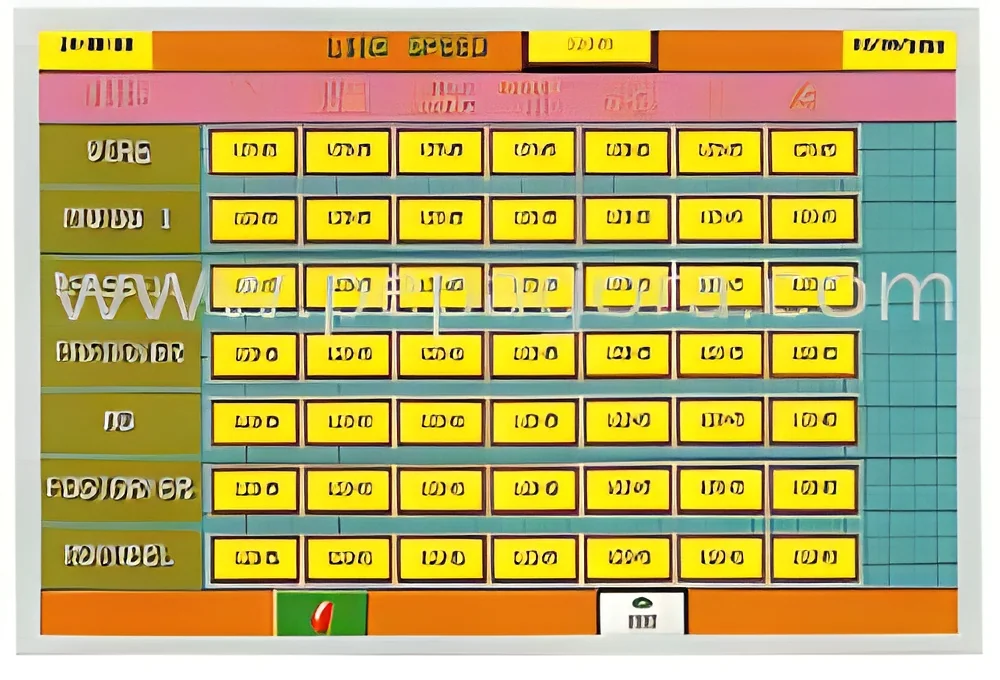
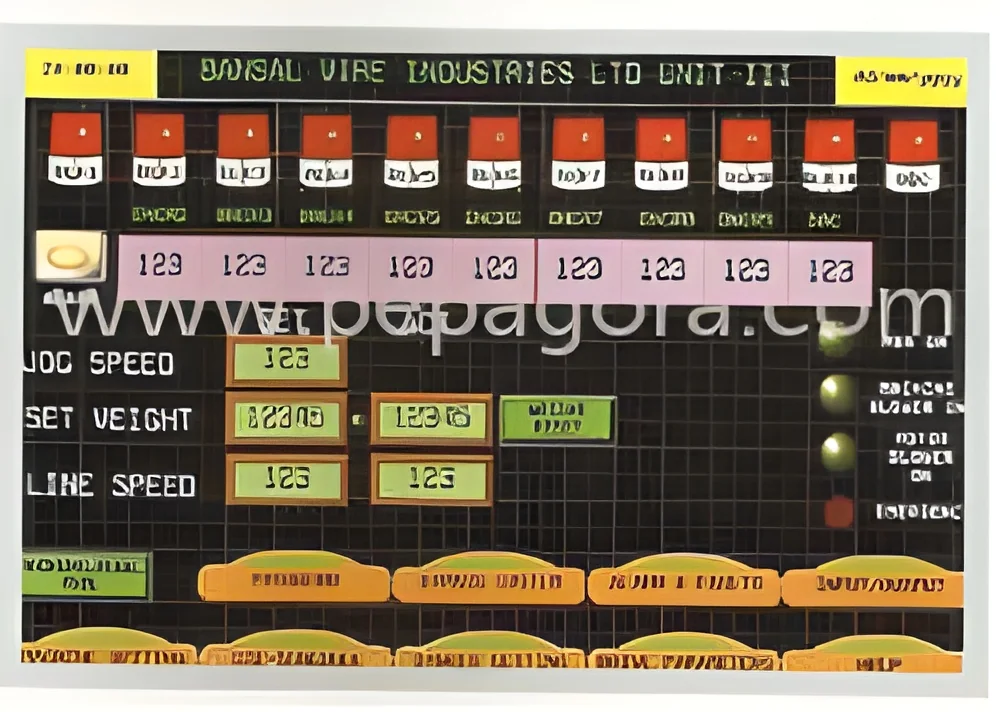
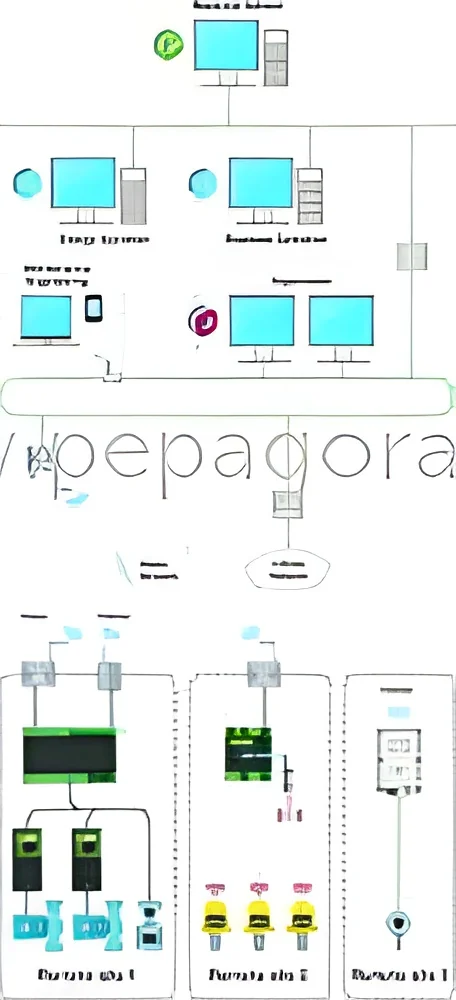
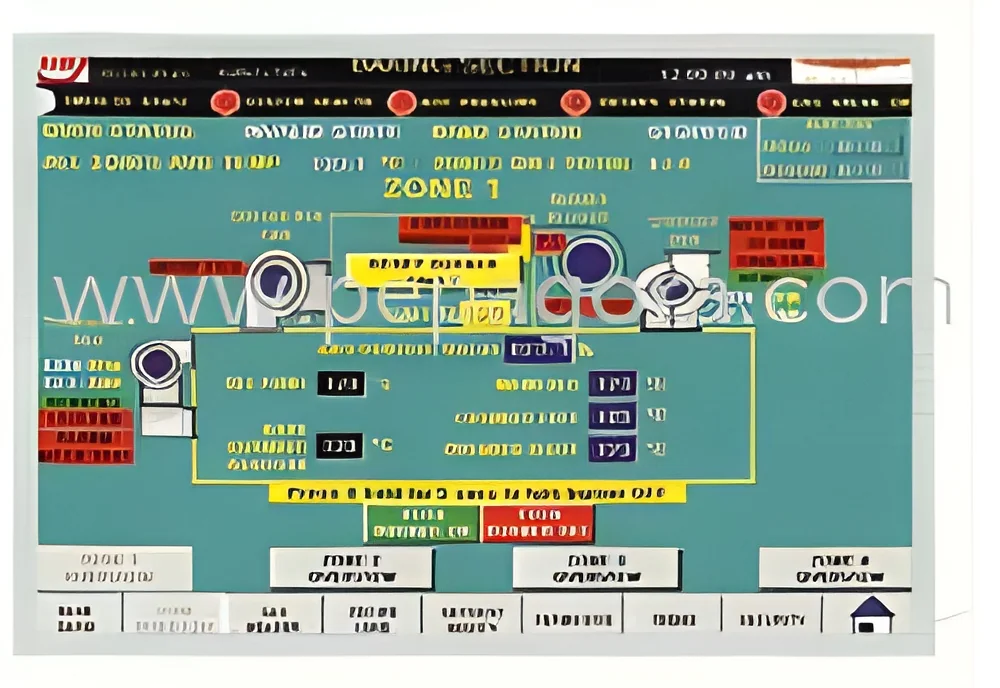
CORONET PLC boiler automation systems represent advanced industrial control technology designed to optimize thermal energy production and consumption. These sophisticated systems utilize programmable logic controllers to continuously monitor boiler performance and adjust heat output according to real-time demand patterns. By maintaining precise temperature control while responding dynamically to operational requirements, the automation ensures fuel consumption is minimized without compromising process efficiency. The user-configurable programming interface allows operators to set specific temperature parameters, time schedules, and response curves tailored to their unique operational needs, making it an ideal solution for businesses seeking to reduce energy costs while maintaining production quality and reliability.

This boiler automation technology serves critical functions across multiple industries where thermal processes are fundamental to operations. In textile manufacturing, it ...
CORONET PLC boiler automation systems represent advanced industrial control technology designed to optimize thermal energy production and consumption. These sophisticated systems utilize programmable logic controllers to continuously monitor boiler performance and adjust heat output according to real-time demand patterns. By maintaining precise temperature control while responding dynamically to operational requirements, the automation ensures fuel consumption is minimized without compromising process efficiency. The user-configurable programming interface allows operators to set specific temperature parameters, time schedules, and response curves tailored to their unique operational needs, making it an ideal solution for businesses seeking to reduce energy costs while maintaining production quality and reliability.

This boiler automation technology serves critical functions across multiple industries where thermal processes are fundamental to operations. In textile manufacturing, it maintains consistent steam pressure for dyeing and finishing processes while reducing fuel consumption. Food processing facilities rely on these systems for precise temperature control during sterilization, pasteurization, and cooking operations, ensuring product safety and quality. Chemical plants utilize the automation for maintaining exact thermal conditions in reactors and distillation columns, improving process consistency. Pharmaceutical manufacturing requires the reliability of automated temperature control for compliance with strict production standards and regulatory requirements. Commercial buildings and large facilities benefit from optimized heating systems that reduce energy costs while ensuring consistent environmental conditions.

The business value of implementing CORONET boiler automation extends beyond immediate fuel savings to encompass operational reliability and long-term cost management. Companies typically achieve 15-25% reduction in fuel consumption, translating to substantial annual savings that quickly justify the investment. The system's reliability ensures consistent process temperatures, reducing product quality variations and minimizing production delays caused by temperature fluctuations. With minimal maintenance requirements and robust construction designed for industrial environments, these automation solutions provide years of trouble-free operation. The system's adaptability allows businesses to optimize performance according to their specific operational patterns, ensuring maximum efficiency regardless of industry or application requirements while providing comprehensive monitoring and control capabilities.

Key Features:
- Advanced PLC-based control system for intelligent heat management
- Real-time demand monitoring and temperature adjustment
- User-configurable programming for time and temperature settings
- External environmental condition compensation capability
- Seamless integration with existing industrial boiler systems

Benefits:
- Significant reduction in fuel consumption and operational costs
- Consistent process temperatures ensuring product quality
- Reduced maintenance requirements and extended equipment life
- Improved operational efficiency and energy utilization
- Enhanced monitoring capabilities for better process control
Specifications
| Additional Information | |
|---|---|
| Country of Origin | 106 |
Application
CORONET boiler automation systems deliver precise thermal management for industrial facilities requiring optimized energy consumption. These PLC-based controllers dynamically adjust boiler heat output according to real-time operational demands, eliminating energy waste while maintaining consistent process temperatures. The programmable logic enables customized temperature profiles and automated adjustments based on production requirements and external conditions.
Manufacturing plants, textile mills, food processing facilities, and chemical production units achieve substantial fuel savings while ensuring consistent production quality. The system integrates seamlessly with existing boiler setups, providing immediate efficiency improvements without requiring complete equipment replacement. This makes it an ideal solution for industries seeking to reduce operational costs while maintaining reliable thermal processes.
- Textile manufacturing for consistent steam supply in dyeing and finishing operations
- Food processing facilities maintaining precise temperatures for sterilization processes
- Chemical plants requiring reliable steam generation for reactions and distillation
- Pharmaceutical manufacturing ensuring strict thermal conditions for production compliance
- Large commercial buildings optimizing heating systems for energy efficiency
Trade Details
| Available Stock | In Stock |
| Sample Availability | No |
Payment Terms
| Payment Terms |
|
Company Profile

Coronet Engineers (P) Ltd, New Delhi
 New Delhi, India
New Delhi, IndiaElectronics & Electrical•Manufacturer•Distributor / Wholesaler•Retailer
Factory Details
Factory SizeBelow 1000 sqm
Annual Production Capacity0
Industrial Boiler Automation Systems PLC Energy Optimization
CORONET PLC boiler automation systems optimize industrial heat output using real-time demand monitoring for maximum fuel efficiency and cost savings across manufacturing and processing applications.
Min. Order Quantity: 1 unit
Shipping
Shipping fee and delivery date to be negotiated. Contact supplier now for more details.
Coronet Engineers (P) Ltd
 New Delhi, India
New Delhi, IndiaElectronics & ElectricalManufacturer