IN
IN₹
Description
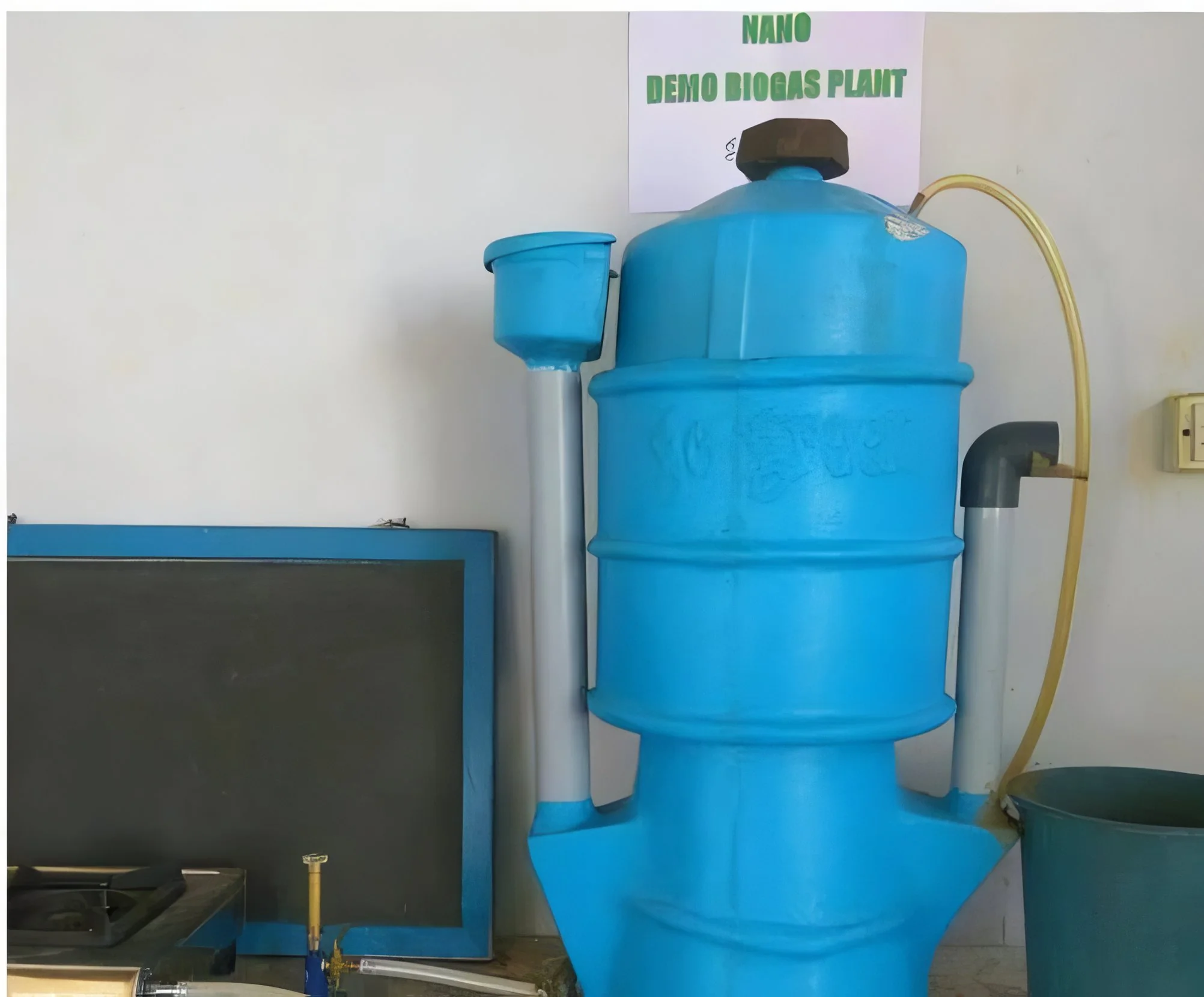
The Compact Nano Biogas Plant offers an innovative solution for sustainable energy generation tailored for modern urban households and small-scale agricultural operations. This efficient system employs advanced anaerobic digestion technology to transform everyday organic materials—including kitchen waste, food scraps, and farm residues—into clean-burning biogas suitable for cooking applications. Specifically engineered for space-limited environments, these plants require minimal installation area while delivering optimal energy output through natural microbial processes that systematically break down organic matter. The system operates reliably without complex mechanical components, making it accessible for users across technical skill levels while maintaining consistent biogas production throughout its operational lifetime.

Multiple sectors benefit from the practical applications of Nano Biogas Plants. Agricultural enterprises and dairy farms utilize these systems to manage organic w...
The Compact Nano Biogas Plant offers an innovative solution for sustainable energy generation tailored for modern urban households and small-scale agricultural operations. This efficient system employs advanced anaerobic digestion technology to transform everyday organic materials—including kitchen waste, food scraps, and farm residues—into clean-burning biogas suitable for cooking applications. Specifically engineered for space-limited environments, these plants require minimal installation area while delivering optimal energy output through natural microbial processes that systematically break down organic matter. The system operates reliably without complex mechanical components, making it accessible for users across technical skill levels while maintaining consistent biogas production throughout its operational lifetime.

Multiple sectors benefit from the practical applications of Nano Biogas Plants. Agricultural enterprises and dairy farms utilize these systems to manage organic waste streams effectively while generating renewable energy for daily operations. The food service industry, including small restaurants and catering businesses, implements these plants to handle food waste sustainably while reducing cooking fuel expenditures. Educational institutions incorporate them into environmental curriculum and campus sustainability programs. Urban residential communities and housing projects adopt these systems for collective waste management and shared energy benefits, while rural development initiatives distribute them to enhance living standards and reduce environmental impact from traditional fuel sources.

The value proposition of Nano Biogas Plants extends beyond immediate cost reductions to include long-term operational dependability and environmental compliance. These systems provide predictable energy costs unaffected by conventional fuel market fluctuations, with most users achieving investment recovery within 12-24 months through eliminated LPG purchases and reduced waste management expenses. Constructed with durable, corrosion-resistant materials and featuring minimal mechanical components, these plants require little maintenance while delivering consistent performance across diverse climatic conditions. The technology's straightforward design ensures operational reliability, with most systems functioning effectively for 15-20 years with basic upkeep, representing a sound long-term investment for operations committed to sustainable practices and resource efficiency.

Key Features:
- Space-efficient design optimized for urban and small-scale installations
- Processes multiple organic waste types including kitchen and agricultural waste
- Integrated monitoring systems for optimal biogas production conditions
- Durable construction materials ensuring extended operational life
- Scalable configuration options to meet evolving energy needs

Benefits:
- Substantial reduction in monthly fuel costs and waste disposal expenses
- Production of nutrient-rich organic fertilizer as valuable byproduct
- Lower carbon emissions through renewable energy generation
- Enhanced indoor air quality compared to traditional solid fuel burning
- Energy security and independence from conventional fuel price changes
Specifications
| Additional Information | |
|---|---|
| Country of Origin | India |
Application
Urban households and small-scale food establishments efficiently transform daily organic waste into reliable cooking fuel with this compact biogas system. It significantly reduces traditional fuel dependency while providing substantial energy cost savings and promoting sustainable waste management practices in space-constrained environments.
Agricultural operations including small farms and dairy businesses effectively manage livestock waste while generating both energy and high-quality organic fertilizer. Educational institutions, community centers, and small commercial kitchens benefit from decentralized energy production, turning waste management challenges into valuable operational resources and environmental solutions.
- Urban homes converting kitchen scraps into daily cooking fuel
- Small farms processing agricultural waste into biogas and fertilizer
- Restaurants and food establishments managing waste while generating cooking gas
- Educational institutions teaching sustainable energy practices
- Community centers implementing shared biogas systems for multiple families
Trade Details
| Available Stock | In Stock |
| Sample Availability | No |
Payment Terms
| Payment Terms |
|
Company Profile

MSM ENERGY ENTERPRISES, Tamil Nadu
 Tamil Nadu, India
Tamil Nadu, IndiaElectronics & Electrical•Manufacturer•Trading Company•Distributor / Wholesaler
Factory Details
Factory SizeBelow 1000 sqm
Annual Production Capacity0
Compact Nano Biogas Plant For Urban Homes And Small Farms
Compact Nano Biogas Plant converts kitchen and organic waste into clean cooking fuel for urban homes and small farms, offering eco-friendly energy solutions with minimal space requirements and reliable performance.
Min. Order Quantity: 1 piece
Shipping
Shipping fee and delivery date to be negotiated. Contact supplier now for more details.
MSM ENERGY ENTERPRISES
 Tamil Nadu, India
Tamil Nadu, IndiaElectronics & ElectricalManufacturer