IN
IN₹
Apparel & Fashion
Description
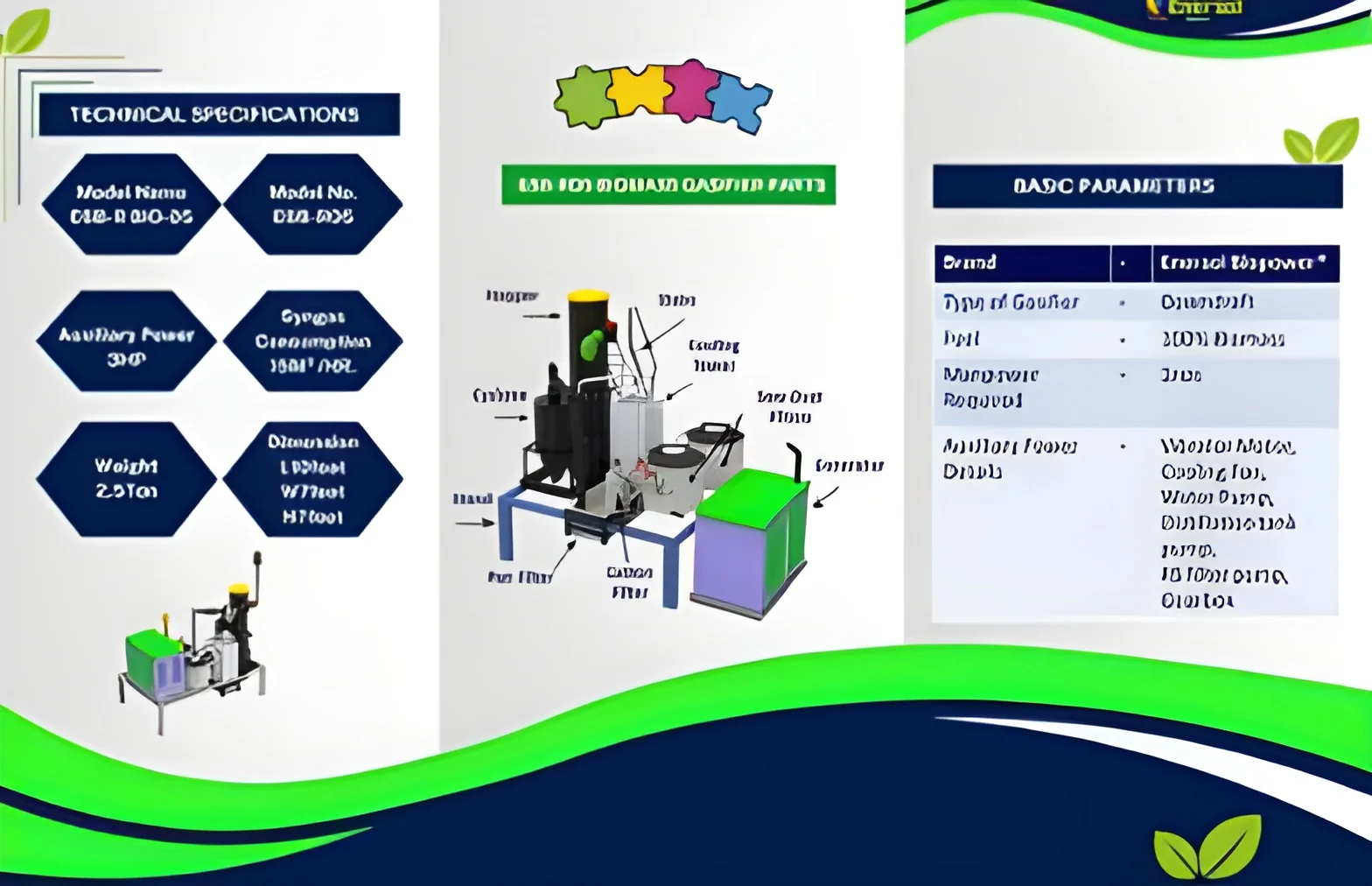
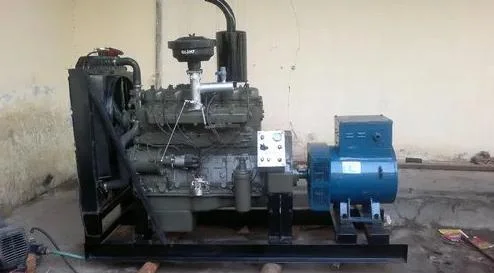
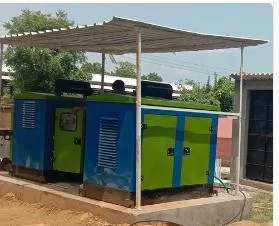
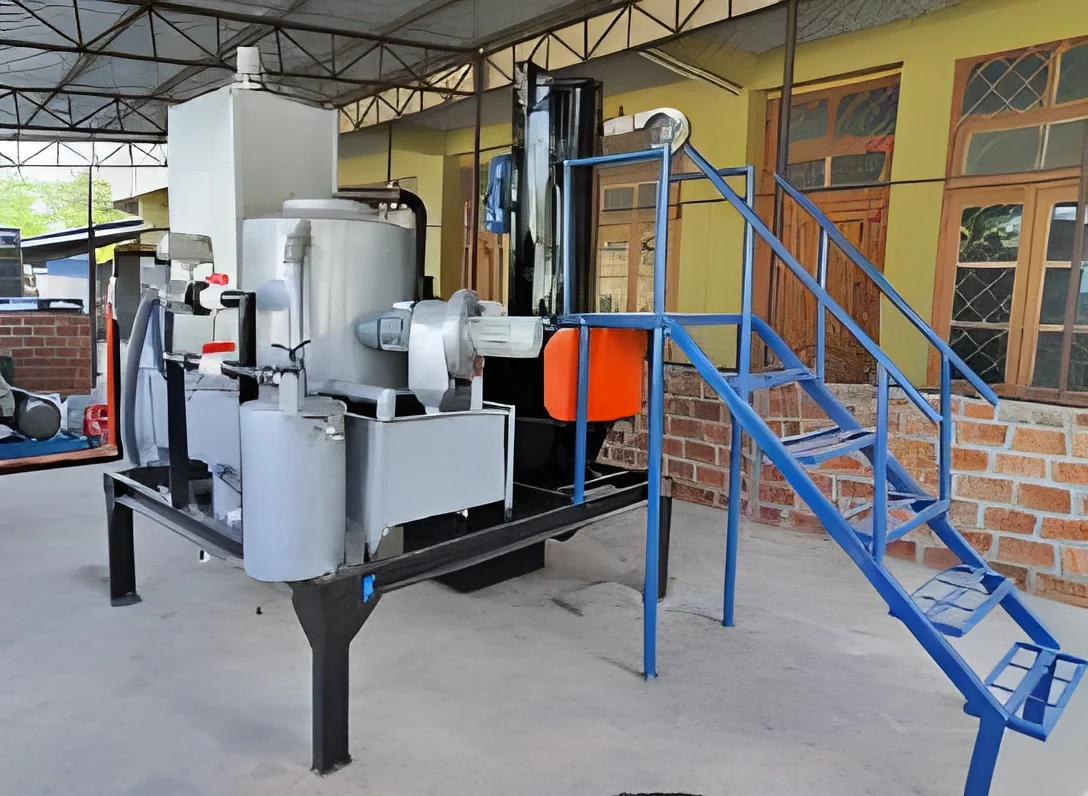
The Biomass Gasification Plant is an advanced renewable energy system designed to convert various biomass materials—including wood chips, coconut shells, rice husk, and agricultural residues—into clean producer gas through efficient thermochemical processes. This reliable technology delivers a sustainable alternative to fossil fuels, enabling businesses to generate power and heat while managing organic waste responsibly. Built with robust components and a modular design, the plant ensures high conversion efficiency, low emissions, and easy integration into existing industrial setups. It is engineered for continuous operation with minimal maintenance, making it a practical and eco-friendly energy solution for diverse commercial and industrial needs.

Industries such as textiles, food processing, chemicals, and agriculture benefit significantly from this gasification technology. Manufacturing plants use it for on-site electricity and thermal energy, reducing grid dependency and energy co...
The Biomass Gasification Plant is an advanced renewable energy system designed to convert various biomass materials—including wood chips, coconut shells, rice husk, and agricultural residues—into clean producer gas through efficient thermochemical processes. This reliable technology delivers a sustainable alternative to fossil fuels, enabling businesses to generate power and heat while managing organic waste responsibly. Built with robust components and a modular design, the plant ensures high conversion efficiency, low emissions, and easy integration into existing industrial setups. It is engineered for continuous operation with minimal maintenance, making it a practical and eco-friendly energy solution for diverse commercial and industrial needs.

Industries such as textiles, food processing, chemicals, and agriculture benefit significantly from this gasification technology. Manufacturing plants use it for on-site electricity and thermal energy, reducing grid dependency and energy costs. Agro-based industries utilize crop waste like sugarcane bagasse and rice husk to fuel the system, turning residue into value. Rural electrification projects and decentralized energy schemes also deploy these plants to provide reliable power in remote locations. Additionally, businesses engaged in waste management and sustainability programs adopt this system to achieve carbon reduction goals and comply with green regulations.

The Biomass Gasification Plant delivers clear business value by cutting energy expenses, enhancing operational reliability, and supporting environmental stewardship. Its high efficiency and customizable design allow it to meet specific fuel and output requirements, ensuring optimal performance across different applications. With durable construction and automated controls, the system offers long-term reliability and low operational costs. By converting low-cost biomass into clean energy, it provides energy security, reduces waste disposal issues, and improves profitability. This makes it a smart investment for forward-thinking businesses committed to sustainable and cost-effective energy solutions.

Key Features:
- High-efficiency gasification process converting biomass into clean producer gas.
- Robust and modular design for easy installation and scalability.
- Compatible with diverse biomass inputs like wood chips, agro-waste, and rice husk.
- Automated control system for safe and continuous operation.
- Low emission levels meeting environmental standards.

Benefits:
- Significant reduction in energy costs by using waste biomass as fuel.
- Enhanced energy independence with reliable on-site power and heat.
- Sustainable waste management by converting organic residues into energy.
- Lower carbon footprint supporting green initiatives and compliance.
- Customizable configurations to suit specific industrial needs and space constraints.
Specifications
| Additional Information | |
|---|---|
| Country of Origin | 106 |
Application
This biomass gasification system transforms agricultural residues and organic waste into clean producer gas, which serves as a versatile energy source for multiple industrial applications. It supports both thermal and electrical energy needs while helping businesses manage waste sustainably and reduce carbon emissions.
The plant is ideal for industries seeking reliable on-site power and heat generation from renewable sources. It enables businesses to lower operational costs, achieve energy independence, and comply with environmental regulations through efficient waste-to-energy conversion. Real-world applications:
Real-world applications:
- Power generation for manufacturing units using biomass like wood chips and rice husk.
- Industrial heating and steam generation for textile, food, and chemical processing.
- Rural electrification projects providing decentralized power in off-grid areas.
- Cogeneration systems in agro-industries for combined heat and power (CHP) output.
- Waste-to-energy initiatives converting farm and municipal organic waste into usable energy.
Trade Details
| Available Stock | In Stock |
| Sample Availability | No |
Payment Terms
| Payment Terms |
|
Shipping & Logistics
| Port of Dispatch | Chennai |
Company Profile

Enersol Biopower Private Limited, Rajasthan
 Rajasthan, India
Rajasthan, IndiaIndustrial Equipment & Machinery•Manufacturer•Distributor / Wholesaler•Importer / Exporter
Factory Details
Factory SizeBelow 1000 sqm
Biomass Gasification Plant For Renewable Energy Power Generation
Our Biomass Gasification Plant efficiently converts agricultural and organic waste into clean energy for power generation and industrial heating, offering a sustainable and cost-effective renewable energy solution for businesses.
Min. Order Quantity: 1 Unit
Shipping
Shipping fee and delivery date to be negotiated. Contact supplier now for more details.
Enersol Biopower Private Limited
 Rajasthan, India
Rajasthan, IndiaIndustrial Equipment & MachineryManufacturer