IN
IN₹
Apparel & Fashion
Description
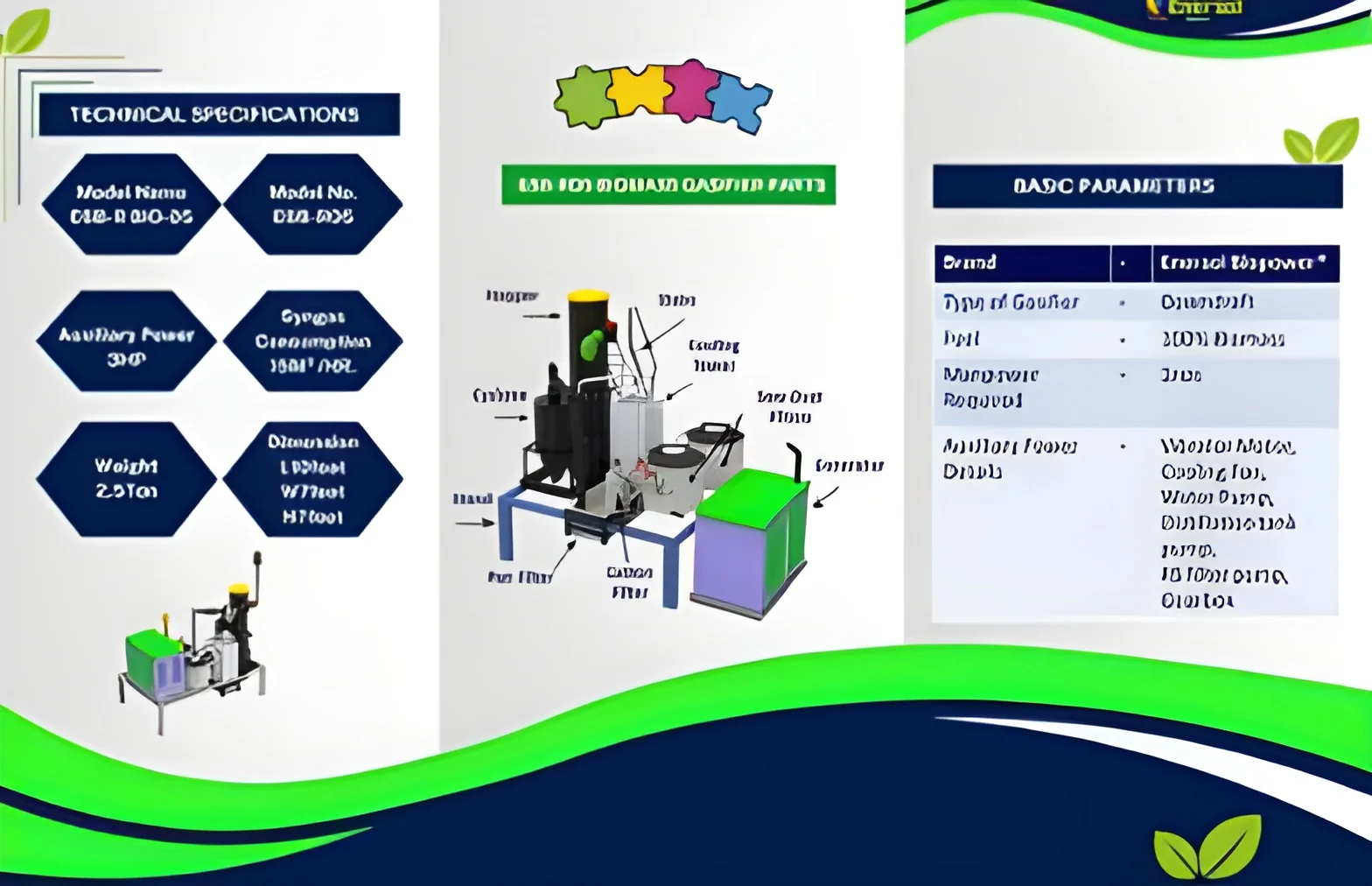
Biomass gasifier systems are advanced renewable energy solutions that transform agro-waste, wood chips, and agricultural residues into clean, usable producer gas through controlled gasification. This process breaks down biomass in a high-temperature, oxygen-limited environment, yielding a combustible syngas rich in hydrogen and carbon monoxide. The resulting gas is filtered to remove impurities, ensuring low tar content and high thermal efficiency. Designed for robustness, these systems operate continuously under varying loads, providing a dependable energy source for power generation, heating, and mechanical drives. By leveraging locally sourced biomass, businesses achieve energy independence, lower operational costs, and contribute to sustainable waste-to-energy conversion, aligning with global carbon reduction goals.

These gasifiers are widely adopted in industries with significant thermal and electrical demands, such as textiles, food processing, ceramics, and pharmaceuticals. In ...
Biomass gasifier systems are advanced renewable energy solutions that transform agro-waste, wood chips, and agricultural residues into clean, usable producer gas through controlled gasification. This process breaks down biomass in a high-temperature, oxygen-limited environment, yielding a combustible syngas rich in hydrogen and carbon monoxide. The resulting gas is filtered to remove impurities, ensuring low tar content and high thermal efficiency. Designed for robustness, these systems operate continuously under varying loads, providing a dependable energy source for power generation, heating, and mechanical drives. By leveraging locally sourced biomass, businesses achieve energy independence, lower operational costs, and contribute to sustainable waste-to-energy conversion, aligning with global carbon reduction goals.

These gasifiers are widely adopted in industries with significant thermal and electrical demands, such as textiles, food processing, ceramics, and pharmaceuticals. In textile manufacturing, they supply heat for dyeing and drying processes, while food processors use them for steam generation and crop drying. Rural industries and micro-enterprises benefit from decentralized power solutions, enabling operations in areas with unreliable grid supply. Additionally, combined heat and power (CHP) configurations serve hospitals, educational campuses, and large commercial complexes, maximizing energy utilization. The systems' adaptability to diverse biomass inputs—from rice husk to coconut shells—makes them suitable for regional agricultural economies, supporting circular economic models.

Investing in biomass gasification delivers tangible business value through reduced energy expenses, enhanced operational reliability, and compliance with environmental regulations. These systems slash fuel costs by up to 40% compared to diesel or propane, with quick ROI in high-consumption settings. Built with durable components and automated controls, they require minimal maintenance and offer long service life, ensuring uninterrupted production. Customization options allow tailoring to specific fuel types and output needs, providing flexibility across applications. By converting waste into wealth, companies not only cut carbon footprints but also build resilience against energy price volatility, strengthening their market competitiveness and sustainability credentials.

Key Features:
- High thermal efficiency gasification with low tar producer gas output.
- Robust construction using corrosion-resistant materials for longevity.
- Automated control systems for stable operation and easy monitoring.
- Customizable designs to match specific biomass types and energy demands.
- Integrated cleaning and filtration units ensuring clean, safe gas quality.

Benefits:
- Significant reduction in energy costs by replacing fossil fuels with biomass.
- Lower carbon emissions and support for sustainability certifications.
- Reliable power and heat supply, minimizing production downtime.
- Utilization of local agro-waste, reducing disposal issues and costs.
- Energy independence and security in remote or off-grid locations.
Specifications
| Additional Information | |
|---|---|
| Country of Origin | 106 |
Application
Biomass gasifier systems serve diverse industrial energy needs by converting agricultural residues, wood chips, and organic waste into clean producer gas. This versatile energy source powers generators, heaters, and mechanical drives, offering a sustainable alternative to costly diesel or grid electricity. Ideal for off-grid or remote operations, these systems support continuous, high-demand applications while managing waste effectively.
Industries such as textiles, food processing, ceramics, and pharmaceuticals utilize biomass gasifiers for thermal and electrical requirements. These systems provide process heat for drying, curing, and steam generation, ensuring stable operations without power interruptions. By using locally available biomass, businesses cut energy costs, reduce carbon emissions, and enhance energy security across manufacturing and commercial sectors. Real-world applications:
Real-world applications:
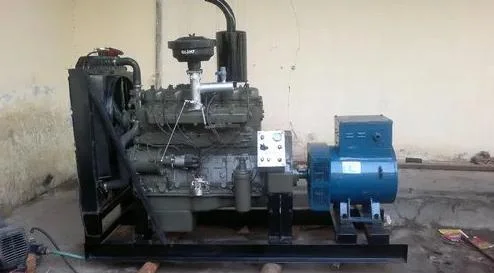
- Power generation for factories and rural microgrids using syngas-driven generators.
- Thermal energy for industrial dryers, kilns, and boilers in food and textile processing.
- Combined heat and power (CHP) systems for hospitals, campuses, and large facilities.
- Agricultural processing units, such as rice mills, using husk waste for self-powering.
- Renewable energy projects and R&D initiatives testing biomass-based electrification.
Trade Details
| Available Stock | In Stock |
| Sample Availability | No |
Payment Terms
| Payment Terms |
|
Shipping & Logistics
| Port of Dispatch | Chennai |
Company Profile

Enersol Biopower Private Limited, Rajasthan
 Rajasthan, India
Rajasthan, IndiaIndustrial Equipment & Machinery•Manufacturer•Distributor / Wholesaler•Importer / Exporter
Factory Details
Factory SizeBelow 1000 sqm
Industrial Biomass Gasifier Systems For Clean Renewable Energy
Efficient biomass gasifier systems convert agro-waste into clean renewable energy for industrial power, thermal applications, and rural electrification. Reliable, customizable solutions reduce fossil fuel dependency.
Min. Order Quantity: 1 Unit
Shipping
Shipping fee and delivery date to be negotiated. Contact supplier now for more details.
Enersol Biopower Private Limited
 Rajasthan, India
Rajasthan, IndiaIndustrial Equipment & MachineryManufacturer