IN
IN₹
Apparel & Fashion
Description
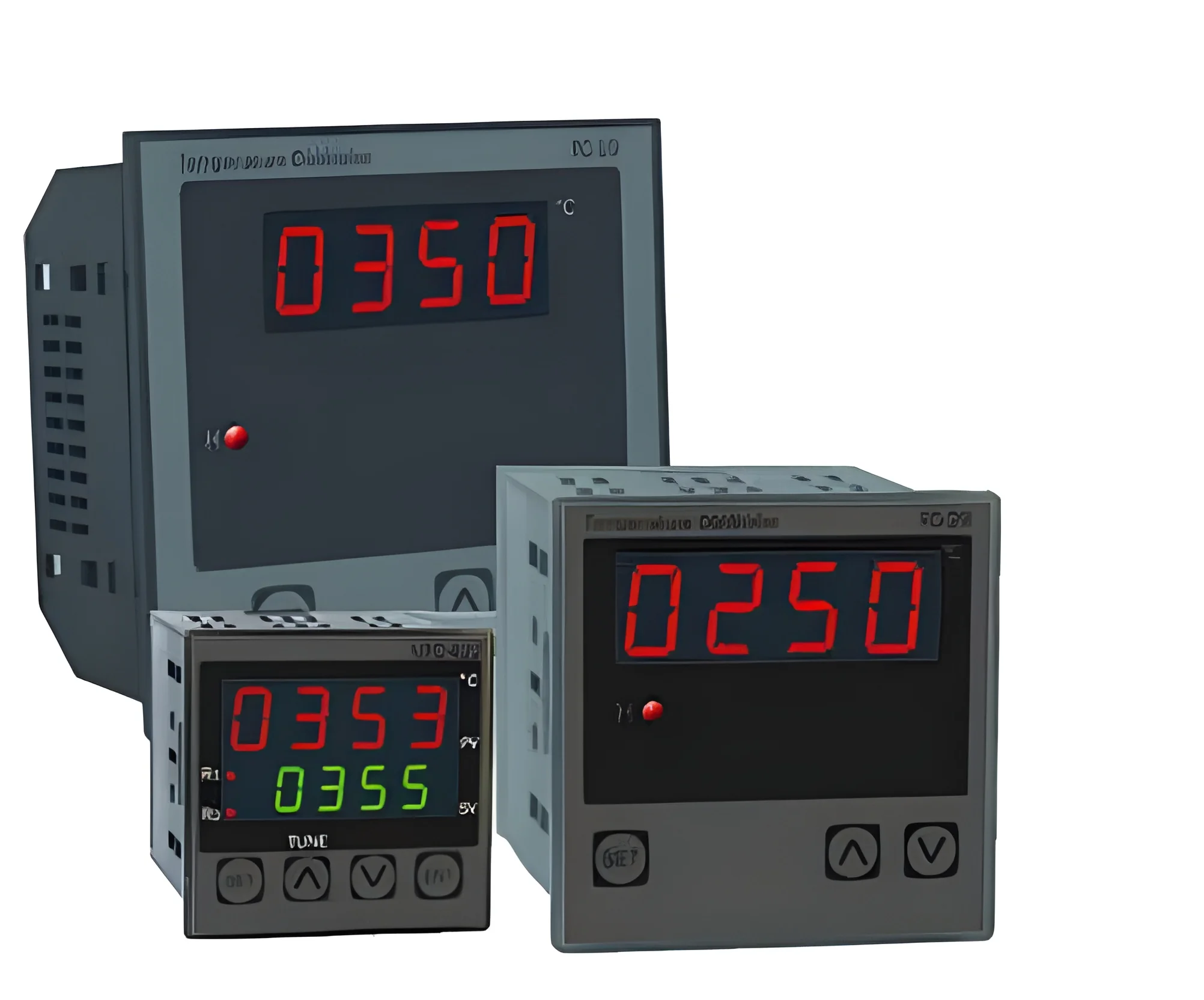
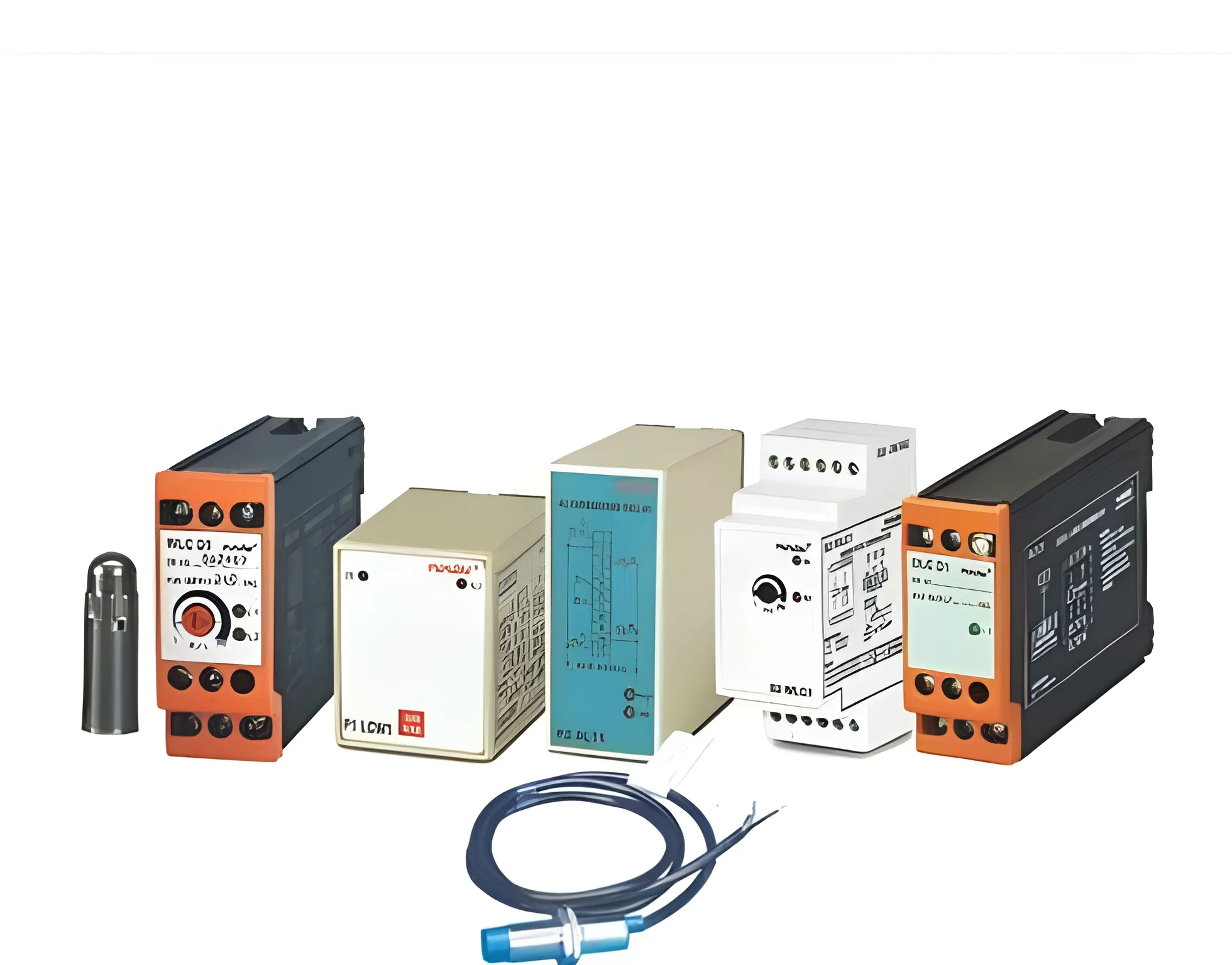
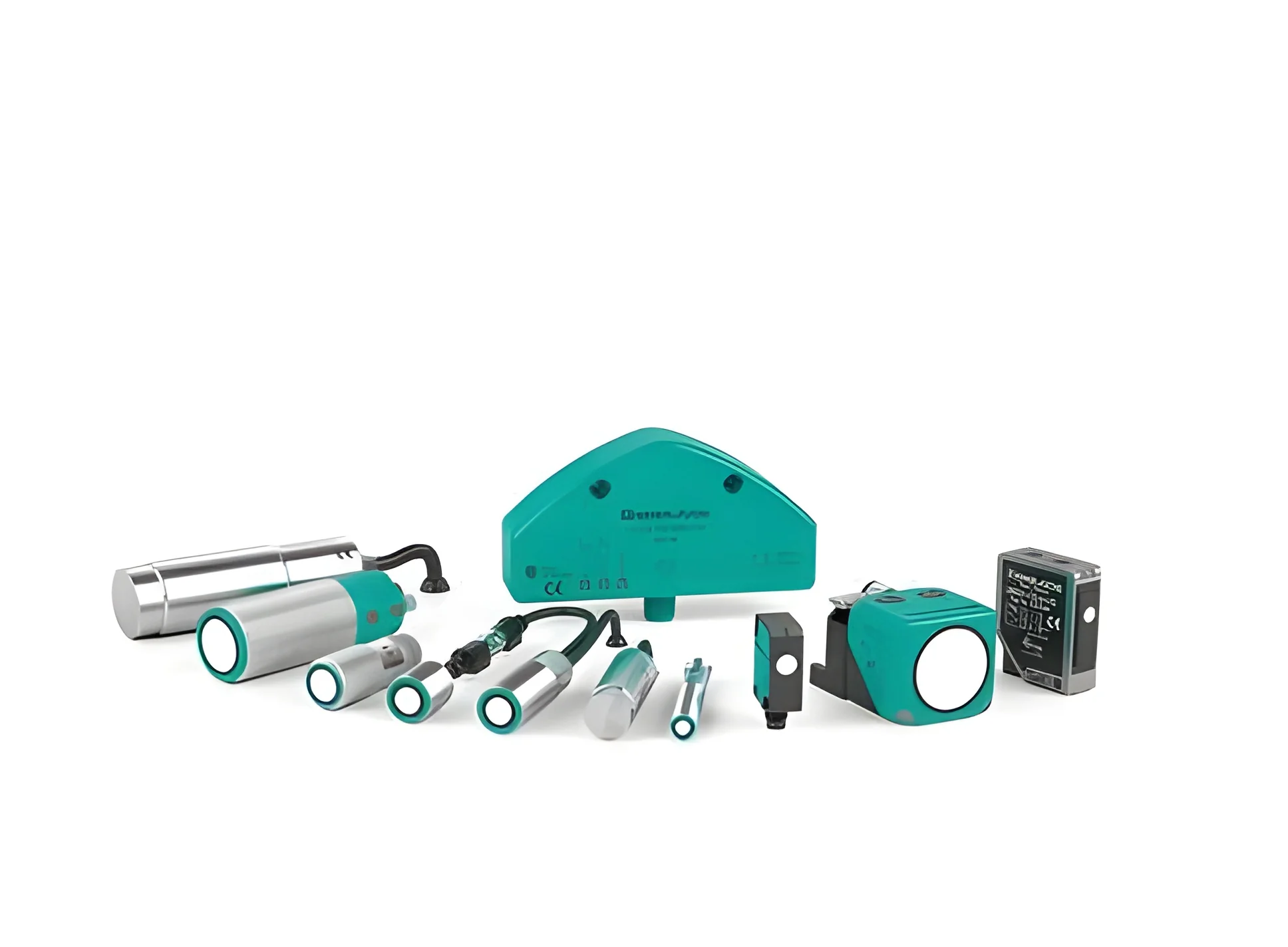
Ultrasonic sensors represent advanced sensing technology that emits high-frequency sound waves beyond human hearing range to detect objects and measure distances with millimeter precision. These devices operate by calculating the time interval between transmitting ultrasonic pulses and receiving their echoes, enabling accurate non-contact measurement regardless of target material, color, or surface characteristics. Unlike optical sensors that can be affected by ambient light or target transparency, ultrasonic sensors provide reliable performance in challenging industrial environments including those with dust, moisture, or temperature variations. Their robust construction ensures long-term operation in demanding applications while maintaining consistent accuracy.

Across industrial sectors, ultrasonic sensors have become essential components in automation systems. Manufacturing facilities deploy them for production line monitoring, object counting, and quality verification processes. T...
Ultrasonic sensors represent advanced sensing technology that emits high-frequency sound waves beyond human hearing range to detect objects and measure distances with millimeter precision. These devices operate by calculating the time interval between transmitting ultrasonic pulses and receiving their echoes, enabling accurate non-contact measurement regardless of target material, color, or surface characteristics. Unlike optical sensors that can be affected by ambient light or target transparency, ultrasonic sensors provide reliable performance in challenging industrial environments including those with dust, moisture, or temperature variations. Their robust construction ensures long-term operation in demanding applications while maintaining consistent accuracy.

Across industrial sectors, ultrasonic sensors have become essential components in automation systems. Manufacturing facilities deploy them for production line monitoring, object counting, and quality verification processes. The automotive industry integrates these sensors into assembly line robotics and vehicle parking assistance systems. Logistics and warehousing operations utilize ultrasonic technology for pallet detection, conveyor control, and automated guided vehicle navigation. Additionally, these sensors provide critical level monitoring in chemical processing, water treatment, and food production facilities where contactless measurement prevents contamination and ensures process safety.

Businesses choosing ultrasonic sensors gain significant operational advantages through reduced maintenance requirements and increased system reliability. The non-contact nature eliminates mechanical wear while the technology's immunity to environmental factors minimizes false triggers and production stoppages. Companies benefit from customizable sensing ranges and output options that integrate seamlessly with existing control systems. The long operational lifespan and consistent performance translate to lower total cost of ownership compared to alternative sensing technologies. These reliability factors make ultrasonic sensors a smart investment for businesses prioritizing operational efficiency and minimal downtime in their automation infrastructure.

Key Features:
- High-frequency sound wave technology for precise non-contact detection
- Consistent performance regardless of object color, transparency, or surface texture
- Robust construction suitable for demanding industrial environments
- Customizable sensing ranges and output configurations
- Immunity to environmental factors like dust, moisture, and ambient light

Benefits:
- Eliminates mechanical wear through completely contactless operation
- Reduces maintenance requirements and associated downtime costs
- Provides reliable performance in challenging industrial conditions
- Enables flexible integration with existing automation systems
- Delivers long-term operational consistency and accuracy
Specifications
| Additional Information | |
|---|---|
| Country of Origin | India |
Application
Ultrasonic sensors deliver precise non-contact detection across diverse industrial environments. Their ability to function reliably regardless of object color, transparency, or surface texture makes them indispensable for automation systems where consistent performance is critical. These sensors maintain accuracy in challenging conditions including dust, moisture, and variable lighting that often disrupt optical alternatives.
Manufacturing facilities utilize ultrasonic technology for production line monitoring, material handling, and quality control processes. The sensors provide continuous level measurement in tanks and silos while detecting objects in robotic workcells and automated guided vehicles. Their versatility extends to packaging machinery, conveyor systems, and security applications where dependable operation ensures uninterrupted workflow. Real-world applications:
Real-world applications:
- Production line object detection and counting in manufacturing plants
- Liquid level monitoring in chemical processing and water treatment facilities
- Robotic navigation and obstacle avoidance in automated warehouses
- Parking assistance systems and vehicle detection in automotive applications
- Distance measurement and positioning in packaging and filling machinery
Trade Details
| Available Stock | In Stock |
| Sample Availability | No |
Payment Terms
| Payment Terms |
|
Company Profile

Advancve Power Controls, Gujarat
 Gujarat, India
Gujarat, IndiaElectronics & Electrical•Manufacturer•Retailer
Factory Details
Factory SizeBelow 1000 sqm
Industrial Automation Ultrasonic Sensors For Object Detection And Distance Measurement
High-precision ultrasonic sensors for contactless object detection and distance measurement in industrial automation, robotics, and liquid level monitoring applications. Reliable performance for B2B buyers seeking durable sensing solutions.
Min. Order Quantity: 1
Shipping
Shipping fee and delivery date to be negotiated. Contact supplier now for more details.
Advancve Power Controls
 Gujarat, India
Gujarat, IndiaElectronics & ElectricalManufacturer