IN
IN₹
Apparel & Fashion
Description
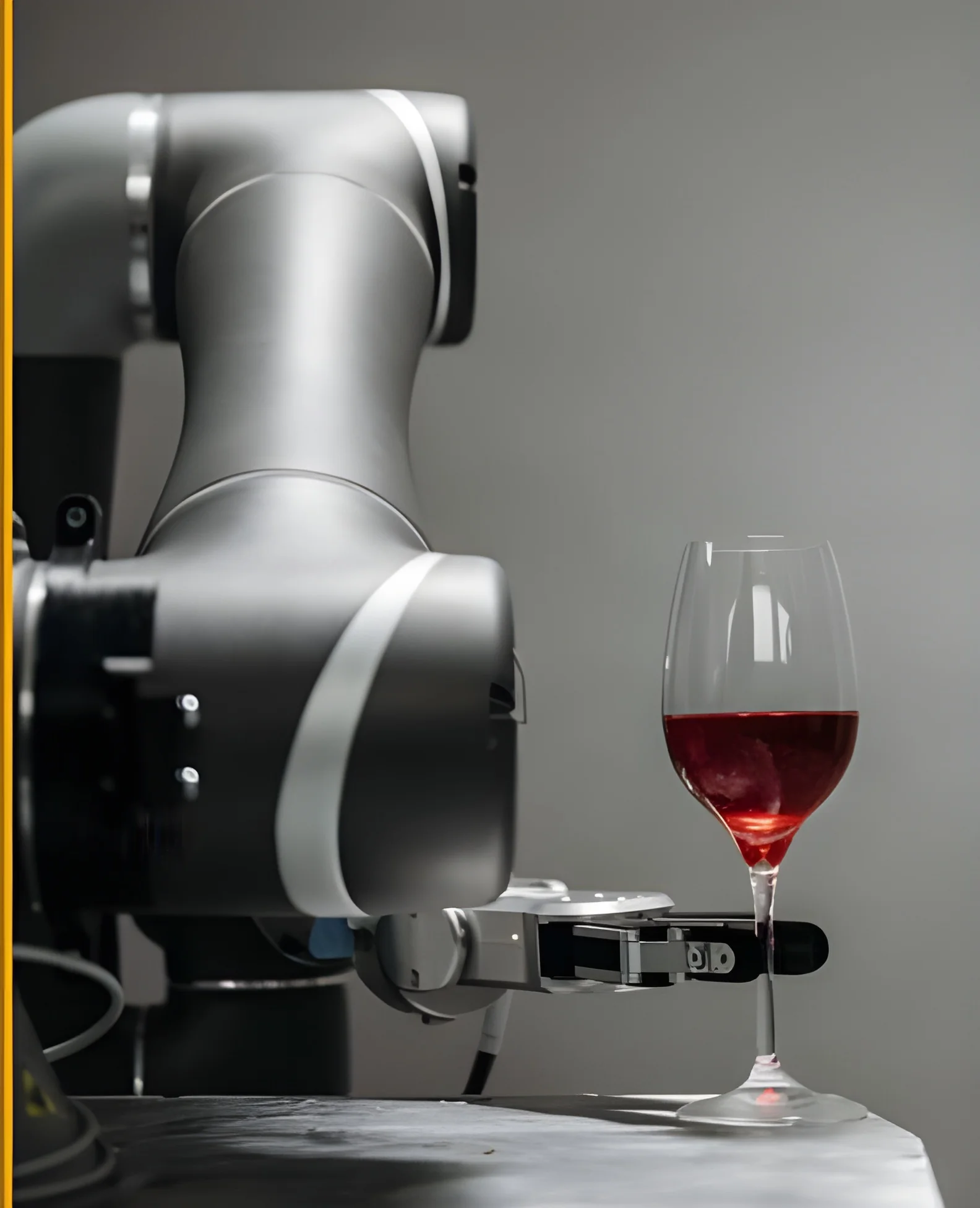
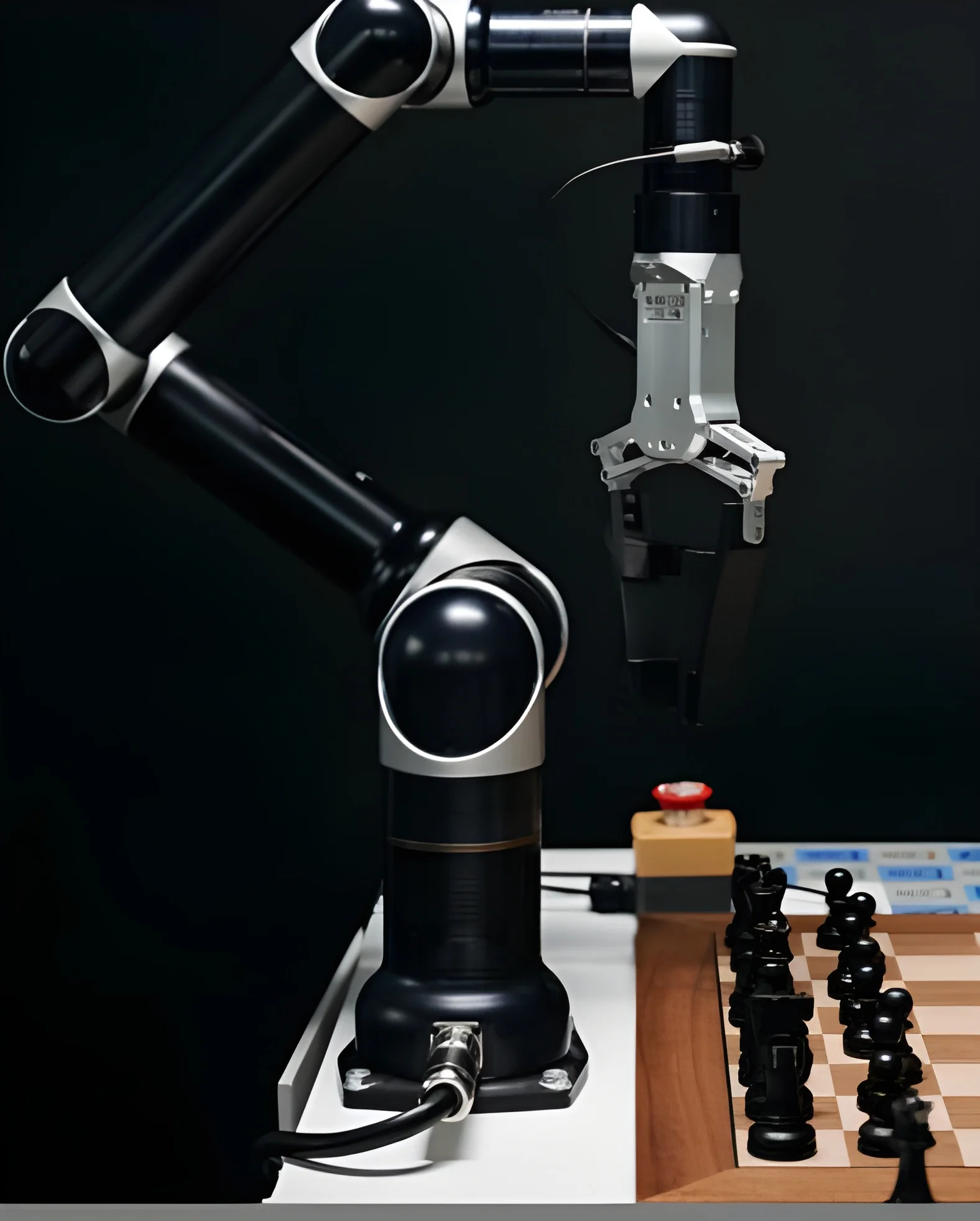
JVMachBots industrial robots represent a significant leap in manufacturing automation, designed to meet the rigorous demands of modern industry. These high-performance systems combine multi-axis articulation with advanced programmable controls and integrated sensor technology. This synergy enables precise, efficient, and reliable execution of complex tasks such as assembly, welding, and material handling. Built with industrial-grade components, they ensure durability and stable, vibration-free operation in continuous-use environments. Their design philosophy centers on seamless integration, allowing them to be incorporated into existing production layouts with minimal disruption, thereby future-proofing your operational capabilities.

These robots are indispensable across a spectrum of high-stakes industries. In the automotive sector, they are deployed for consistent spot welding and engine assembly. Electronics manufacturers rely on them for the accurate placement of micro-components ...
JVMachBots industrial robots represent a significant leap in manufacturing automation, designed to meet the rigorous demands of modern industry. These high-performance systems combine multi-axis articulation with advanced programmable controls and integrated sensor technology. This synergy enables precise, efficient, and reliable execution of complex tasks such as assembly, welding, and material handling. Built with industrial-grade components, they ensure durability and stable, vibration-free operation in continuous-use environments. Their design philosophy centers on seamless integration, allowing them to be incorporated into existing production layouts with minimal disruption, thereby future-proofing your operational capabilities.

These robots are indispensable across a spectrum of high-stakes industries. In the automotive sector, they are deployed for consistent spot welding and engine assembly. Electronics manufacturers rely on them for the accurate placement of micro-components on circuit boards. The aerospace industry utilizes their strength and precision for handling large fuselage sections and intricate part assembly. Furthermore, they are vital in pharmaceutical packaging and general engineering for tasks requiring sterile conditions or heavy lifting. This cross-industry applicability underscores their role as a versatile automation backbone.

The business value of integrating JVMachBots robots is clear: enhanced productivity, superior quality control, and a strong return on investment. By automating repetitive and precise tasks, they drastically reduce cycle times and minimize material waste caused by human error. Their reliability translates into higher equipment uptime and consistent output quality, which is crucial for maintaining supply chain commitments and customer trust. The reduction in manual labor for hazardous or ergonomically challenging tasks also improves workplace safety. Ultimately, these robots provide a competitive edge by enabling scalable, efficient, and cost-effective production.

Key Features:
- Multi-axis robotic arms for complex, dexterous movement and positioning.
- Advanced programmable logic controllers (PLC) for customizable operation sequences.
- Integrated high-precision sensors for real-time environmental feedback and adjustment.
- Industrial-grade construction ensuring durability and long-term reliability.
- Modular design allowing for easy integration into diverse existing production lines.

Benefits:
- Significantly increases production throughput and operational efficiency.
- Delivers consistent, high-precision output, reducing defects and rework.
- Lowers long-term operational costs by minimizing labor requirements and errors.
- Enhances workplace safety by automating hazardous or strenuous tasks.
- Provides scalability and flexibility to adapt to changing production needs.
Specifications
| Additional Information | |
|---|---|
| Country of Origin | 106 |
Application
Our industrial robots are engineered to tackle complex, repetitive tasks with unwavering consistency. They excel in environments demanding high precision and uptime, seamlessly integrating into production lines to handle everything from delicate component assembly to heavy-duty material transfer. This adaptability makes them a cornerstone for modern, automated facilities seeking to scale operations and maintain stringent quality standards.
From the automotive shop floor to clean-room electronics production, these programmable robots provide reliable automation. Their advanced sensor systems and multi-axis dexterity allow them to perform intricate operations like welding, precise placement, and packaging. This versatility supports a wide range of industrial processes, helping businesses optimize workflow, reduce operational costs, and minimize human error in critical applications.
- Automotive assembly lines for consistent welding and part fitting.
- Electronics manufacturing for the precise placement of sensitive components.
- Aerospace facilities for handling and assembling large, complex structures.
- Material handling and logistics for automated palletizing and sorting.
- General manufacturing for packaging, machine tending, and quality inspection.
Trade Details
| Available Stock | In Stock |
| Sample Availability | No |
Payment Terms
| Payment Terms |
|
Company Profile

 India
IndiaIndustrial Equipment & Machinery•Manufacturer
Factory Details
Factory SizeBelow 1000 sqm
Industrial Robots For Automotive Electronics Aerospace Manufacturing Assembly
JVMachBots high-performance industrial robots deliver multi-axis precision for manufacturing, assembly, and material handling tasks, enhancing automation in automotive, electronics, and aerospace sectors.
Min. Order Quantity: 1 Unit
Shipping
Shipping fee and delivery date to be negotiated. Contact supplier now for more details.
JV Machine Tools and Robotics
 , India
, IndiaIndustrial Equipment & MachineryManufacturer