What are Anesthesia Machines?
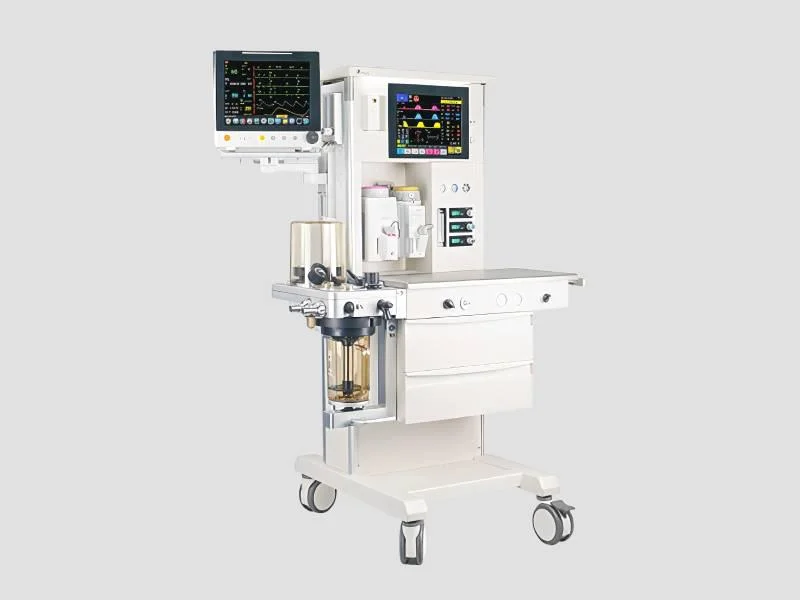
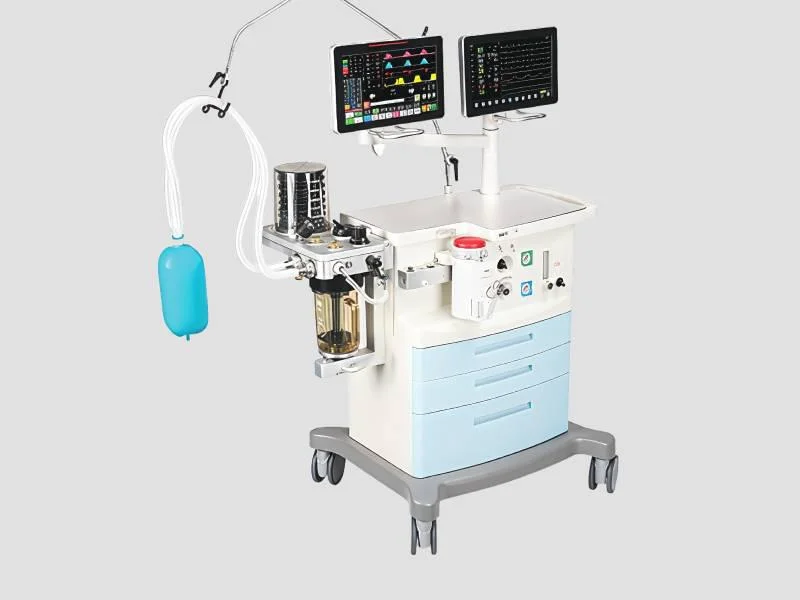
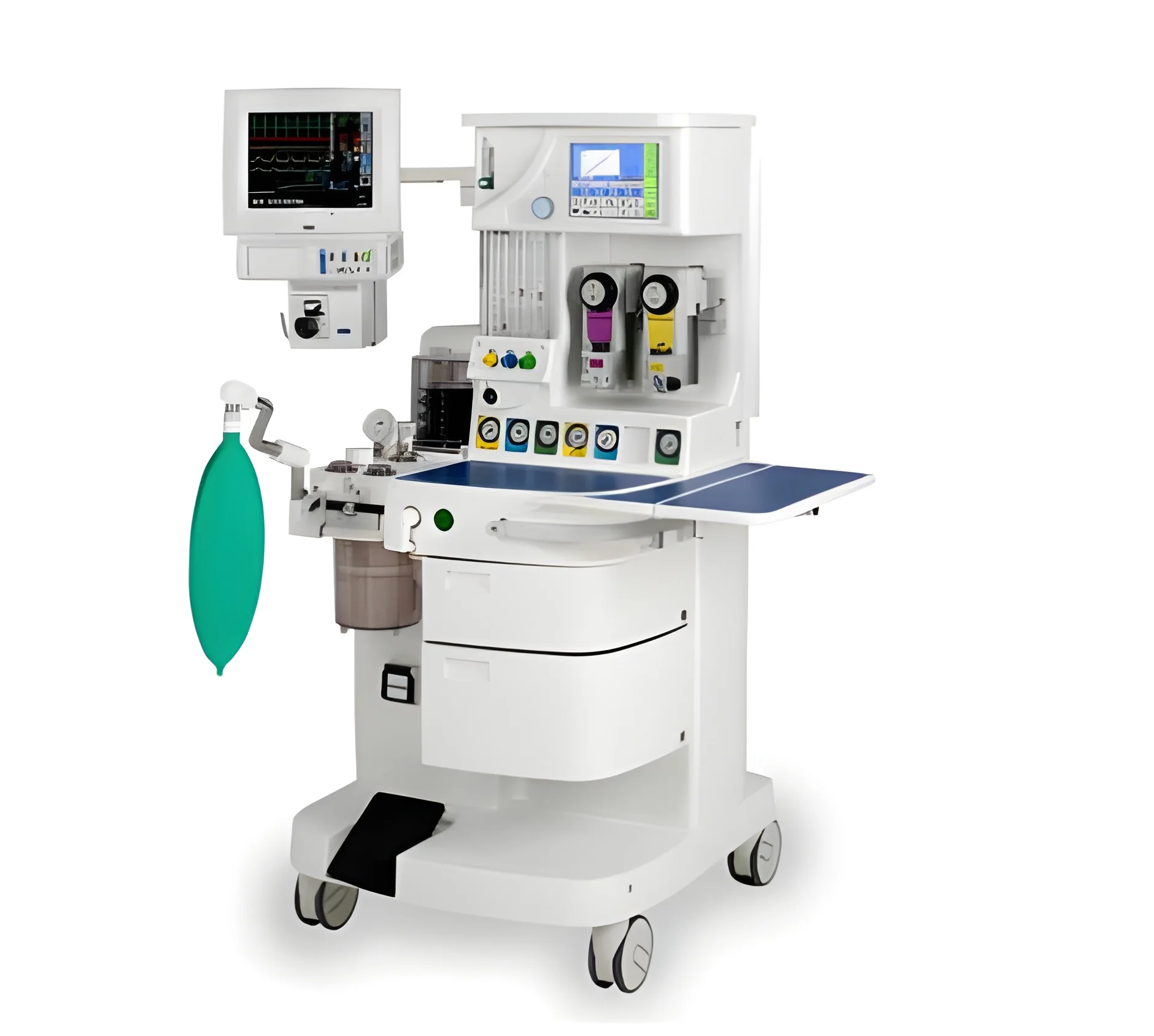
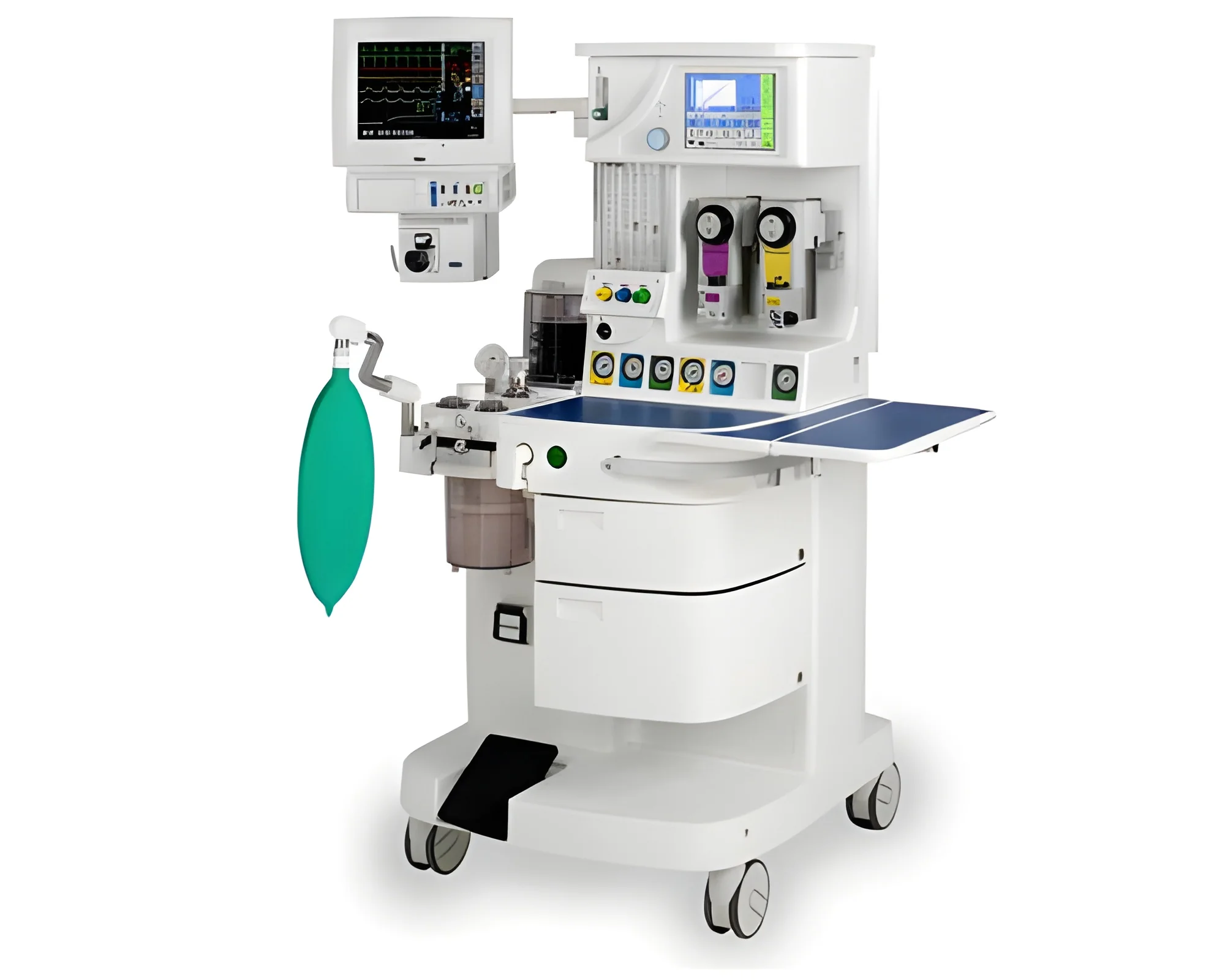
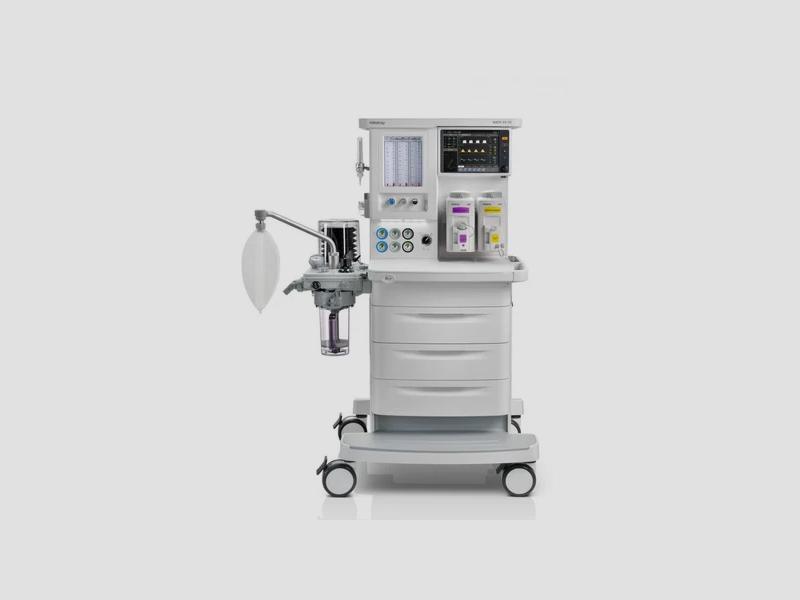
Anesthesia machines are vital medical devices designed to deliver anesthetic gases and monitor a patient’s vital parameters during surgical procedures. These machines facilitate the administration of anesthesia by controlling gas flow, ensuring the correct dosage, and maintaining patient safety through constant monitoring. They typically include components such as vaporizers, breathing systems, and monitors, which together ensure a seamless anesthetic experience.
Anesthesia machines are primarily used in hospitals and surgical centers across various medical specialties. They play a crucial role in surgeries, from minor outpatient procedures to complex operations requiring general anesthesia. The demand for these machines is driven by the growing number of surgical procedures worldwide and the increasing emphasis on patient safety and comfort. As the healthcare industry continues to evolve, the relevance of anesthesia machines remains significant, particularly with advancements in technology and patient care protocols.
Key Features and Specifications
Anesthesia machines come equipped with several key features that enhance their functionality and reliability in clinical settings. Understanding these specifications is essential for healthcare institutions looking to invest in these machines.
Key specifications include:
1. Gas Delivery System
- Provides precise control over the delivery of anesthetic gases.
- Typically supports a range of gases including oxygen, nitrous oxide, and various volatile anesthetics.
2. Ventilation Modes
- Offers multiple ventilation options such as controlled, assisted, and spontaneous ventilation.
- Allows for customization based on patient needs and surgical requirements.
3. Monitoring Capabilities
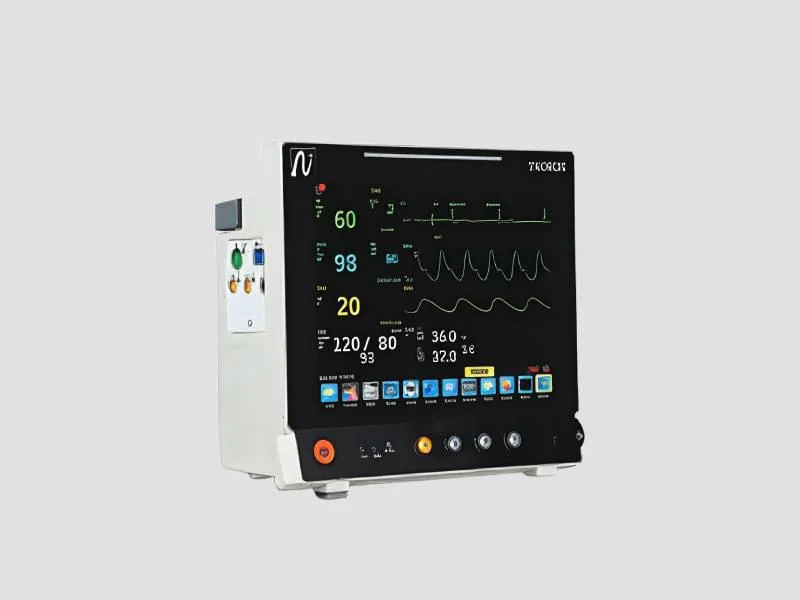
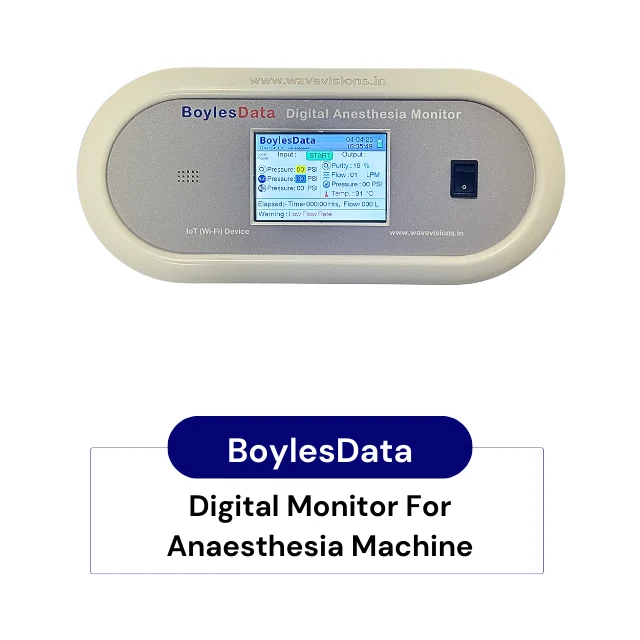
- Incorporates vital sign monitoring systems including ECG, blood pressure, and oxygen saturation levels.
- Ensures real-time tracking of patient parameters for enhanced safety.
4. Vaporizers
- Features calibrated vaporizers for accurate delivery of inhaled anesthetics.
- Provides settings compatible with various anesthetic agents.
5. User Interface
- Intuitive control panels for ease of operation.
- Includes visual displays and alarms for critical notifications.
6. Safety Features
- Equipped with fail-safe mechanisms to prevent accidental overdose.
- Often includes backup systems for contingency in case of power failure.
7. Portability
- Some models are designed for mobility, allowing for use in various locations within a healthcare facility.
- Lightweight and compact designs facilitate easy transport.
8. Compliance and Standards
- Designed to meet international safety and quality standards, including CE certification.
- Ensures adherence to regulatory requirements for medical devices.
In summary, the key features and specifications of anesthesia machines are designed to improve patient safety, enhance operational efficiency, and comply with industry standards.
Common Applications and Use Cases
Anesthesia machines are utilized across several industries and medical disciplines, ensuring effective anesthetic care.
1. Hospitals: In hospitals, anesthesia machines are essential for surgeries across all specialties, including orthopedic, cardiac, and neurological procedures. They help ensure that patients remain stable and comfortable during surgeries.
2. Outpatient Surgical Centers: These machines are critical in outpatient settings where minimally invasive procedures are performed under sedation or general anesthesia. Their portability allows for quick setup and patient monitoring.
3. Dental Clinics: In dental practices, anesthesia machines are used for patients undergoing procedures that require sedation, helping to manage pain and anxiety effectively.
4. Veterinary Clinics: Anesthesia machines are also employed in veterinary medicine, ensuring safe and effective anesthesia for animal surgeries and procedures.
5. Emergency Medical Services (EMS): Portable anesthesia machines are used in emergency settings to provide immediate anesthetic care during transport or in crisis situations.
6. Research Facilities: In clinical research, anesthesia machines are used for studies involving anesthetic drugs, helping researchers understand their effects and safety profiles.
7. Military Medicine: In military settings, anesthesia machines are vital for surgical operations in field hospitals, ensuring that service members receive appropriate care during injuries.
Product Variants and Subcategories
Anesthesia machines come in various models and configurations to meet diverse clinical needs. Each variant is tailored for specific applications and environments.
Standard Anesthesia Machine
This variant is designed for general surgical procedures in hospitals. It features advanced monitoring systems and a comprehensive gas delivery setup, suitable for a wide range of patients.
Portable Anesthesia Machine
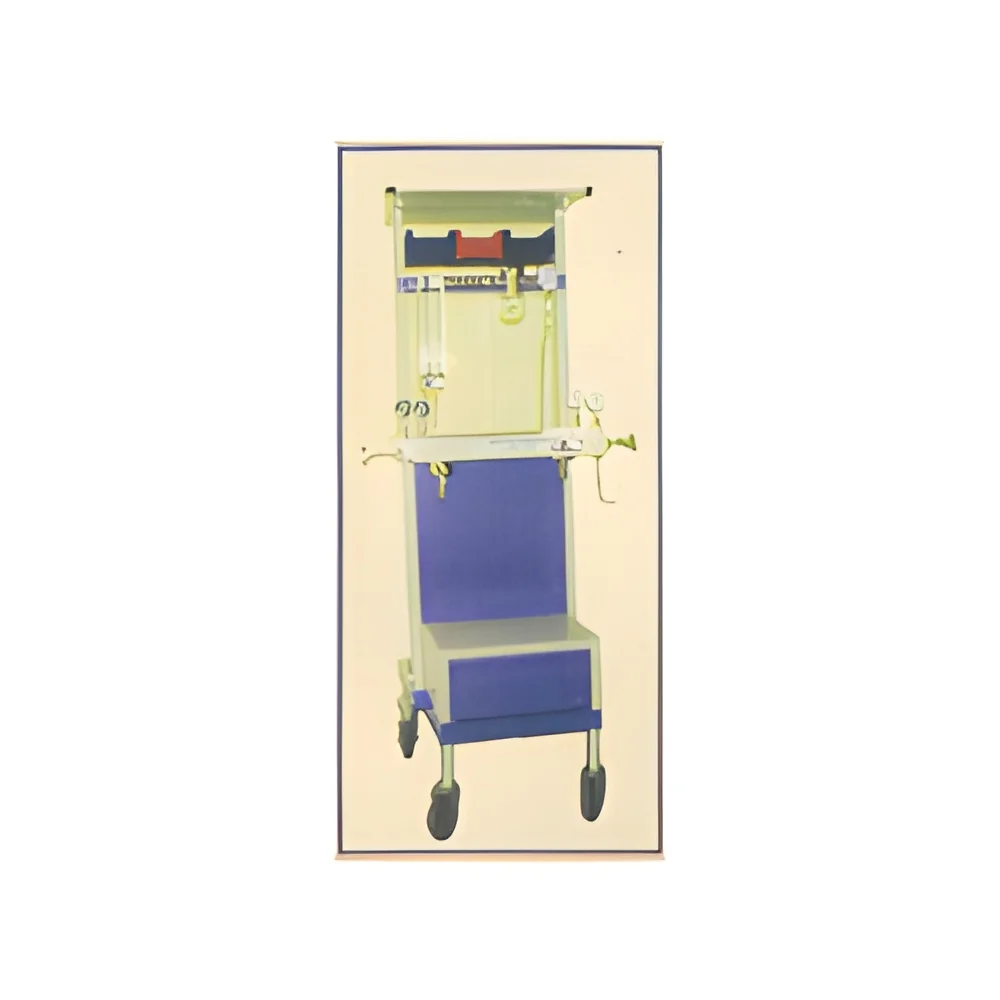
Ideal for outpatient centers or field use, this variant is lightweight and compact. It provides essential anesthetic capabilities while ensuring ease of transport and setup.
High-End Anesthesia Machine
Used in specialized surgical centers, this machine includes advanced monitoring features, multiple ventilation modes, and integrated data management systems for comprehensive patient care.
Benefits and Advantages
Investing in anesthesia machines provides numerous advantages to healthcare facilities.
1. Enhanced Patient Safety: Anesthesia machines are designed with advanced monitoring and safety features, reducing the risk of complications during surgery.
2. Improved Efficiency: With integrated systems for gas delivery and patient monitoring, these machines streamline the anesthetic process, allowing healthcare providers to focus on patient care.
3. Versatility: Different models cater to a variety of settings, from large hospitals to smaller clinics, making them adaptable to diverse clinical environments.
4. Accurate Dosage Delivery: The precise gas delivery systems ensure that the correct amounts of anesthetic agents are administered, enhancing patient outcomes.
5. Compliance with Standards: Anesthesia machines typically meet rigorous safety and quality standards, ensuring regulatory compliance and building trust in patient care.
6. Cost-Effectiveness: The durability and reliability of anesthesia machines reduce long-term operational costs, making them a worthwhile investment for healthcare providers.
Buying Guide for B2B Buyers
When sourcing anesthesia machines, it is essential to consider several critical factors to ensure a successful purchase.
1. Quality Assessment: Evaluate the quality of anesthesia machines by reviewing manufacturer credentials, customer testimonials, and product reviews. Look for machines that are CE certified and meet international standards.
2. Supplier Verification: Vet potential suppliers to ensure they are reputable and reliable. Check for certifications, experience in the industry, and customer support services.
3. Pricing and MOQ: Understand the pricing structure and minimum order quantities (MOQ) associated with different suppliers. Compare costs while considering the total value offered by each machine.
4. Delivery and Lead Times: Discuss logistics with suppliers to understand delivery schedules and lead times. Timely delivery is crucial for healthcare facilities to maintain uninterrupted operations.
5. Compliance Requirements: Ensure that the anesthesia machines meet all regional compliance and safety regulations. This includes understanding specific certifications required in your region.
Compliance and Certifications
Anesthesia machines must adhere to various quality standards and certifications to ensure their reliability and safety in medical environments. The ISO 9001 standard is relevant as it focuses on quality management systems, ensuring that manufacturers consistently provide products that meet customer and regulatory requirements.
Additionally, the CE certification indicates compliance with European health and safety standards, affirming that the machines have undergone rigorous testing and meet essential safety criteria.
Safety and testing requirements for anesthesia machines include rigorous evaluations of their components, including gas delivery systems and monitoring features. Manufacturers must also demonstrate that their devices can operate effectively under various conditions.
Regional compliance considerations may vary, so it is essential for buyers to familiarize themselves with local regulations governing medical devices to ensure that the machines they procure are compliant.
Why Source Anesthesia Machines from Pepagora?
Pepagora offers a trusted platform for sourcing anesthesia machines with numerous key advantages for buyers in the medical field.
Verified Supplier Network: Pepagora connects buyers with a carefully vetted network of suppliers. This ensures that healthcare providers can source high-quality anesthesia machines from reputable manufacturers.
Streamlined RFQ Process: The quotation system on Pepagora simplifies the process of obtaining multiple price quotes from various suppliers. This allows buyers to compare options easily and make informed purchasing decisions.
Trade Assurance and Support: Pepagora provides trade assurance to protect buyers during transactions. The platform offers buyer protection and support, ensuring that any issues encountered can be effectively resolved.
Regional Coverage: With a strong presence in India, the GCC, and Southeast Asia, Pepagora offers extensive regional coverage, allowing buyers to source anesthesia machines tailored to their local market needs. This geographic reach enhances accessibility for healthcare providers in these regions.

 IN
IN

 India
India