What are Air Cooled Heat Exchangers?
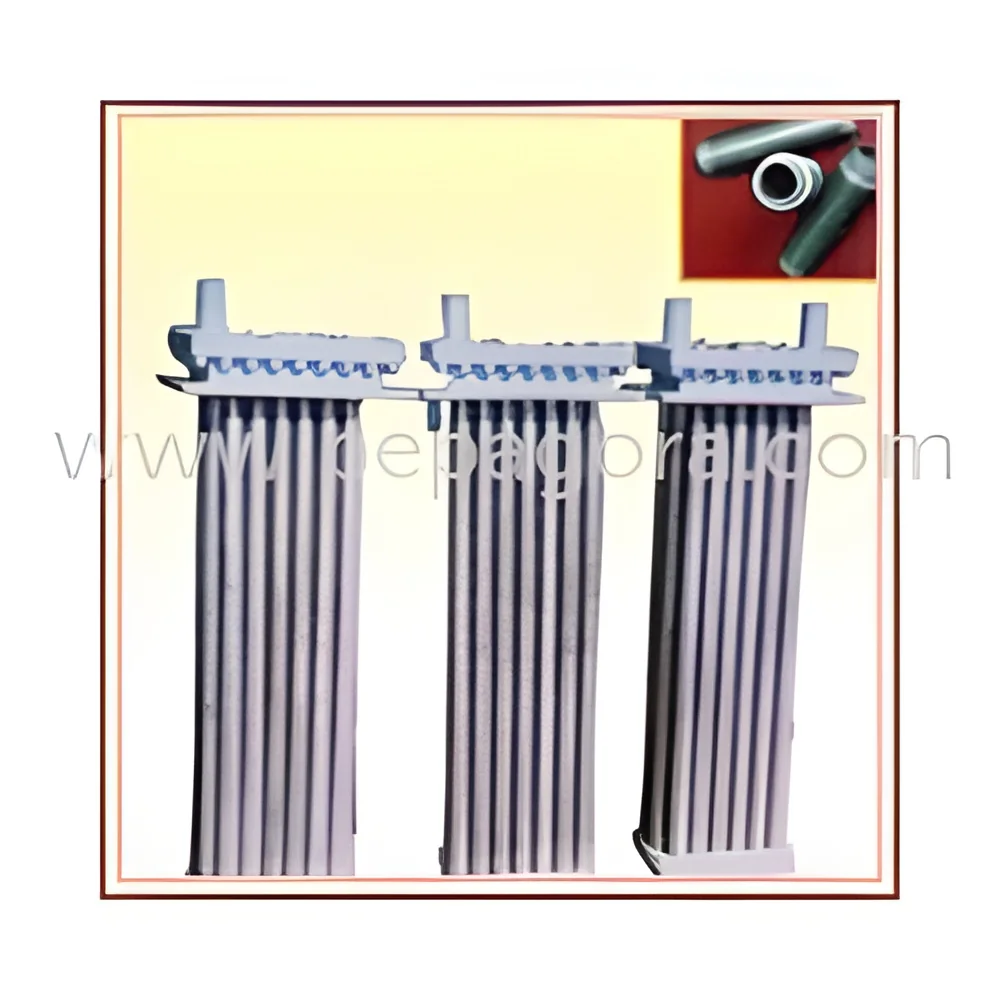
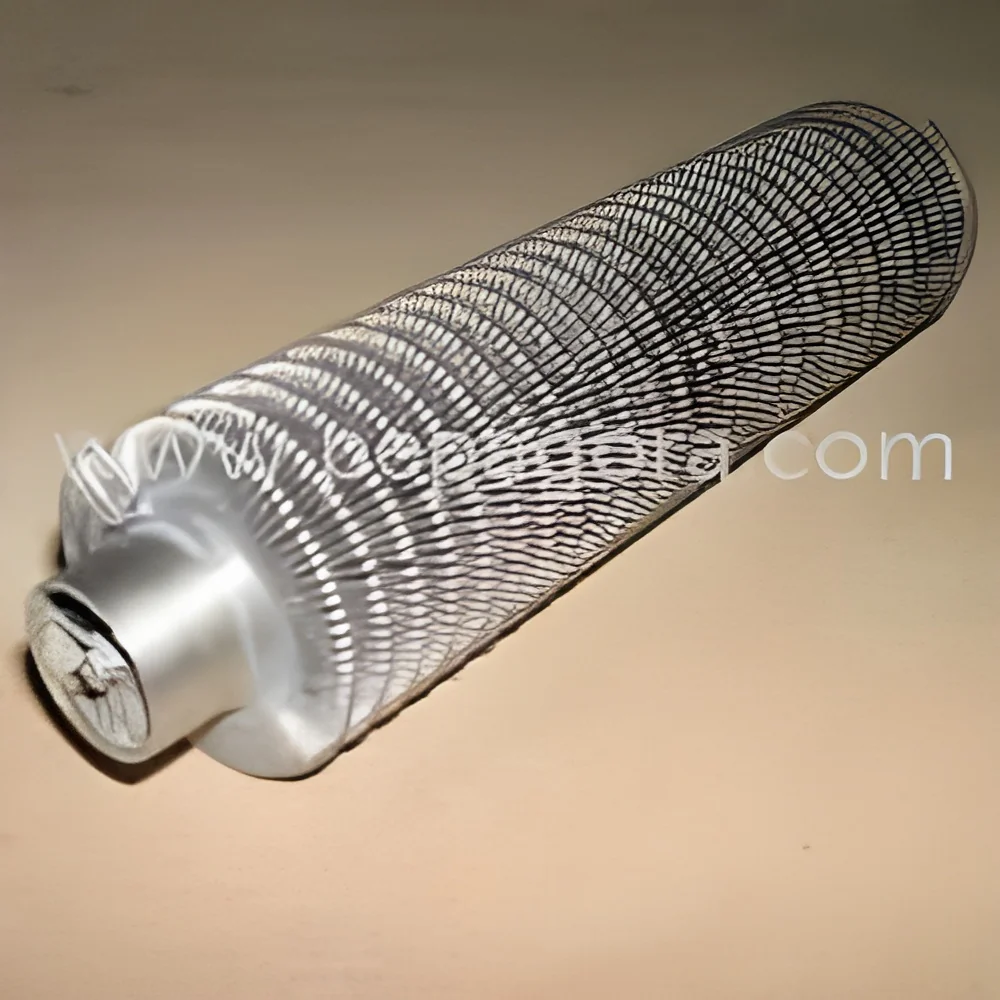
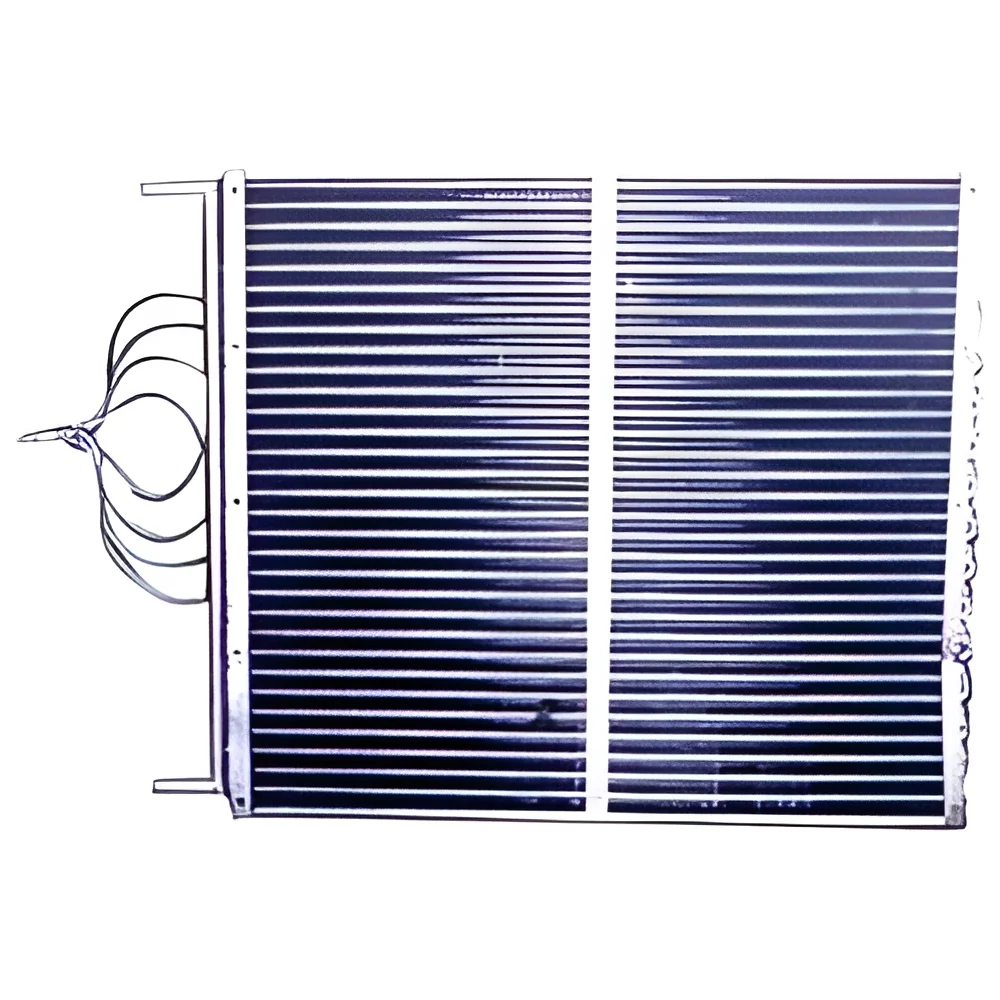
Air Cooled Heat Exchangers are critical components used to transfer heat between two fluids without the need for intermediate cooling water. They utilize ambient air as a cooling medium, making them ideal for applications where water is scarce or where water usage must be minimized. These devices are designed to efficiently dissipate heat generated in industrial processes, ensuring optimal operational temperatures for equipment.
These heat exchangers are widely used across various sectors, including oil and gas, chemical processing, and power generation. They are particularly beneficial in remote locations where water resources are limited. By leveraging ambient air for cooling, businesses can reduce operational costs and environmental impact. The growing demand for energy-efficient solutions further underscores the importance of Air Cooled Heat Exchangers in modern industrial applications.
In today's market, the relevance of Air Cooled Heat Exchangers continues to rise due to increasing environmental regulations and the push for sustainable practices. Industries are seeking advanced technologies that enhance performance while minimizing resource consumption. As such, Air Cooled Heat Exchangers are becoming a preferred choice in numerous applications, aligning with global trends toward energy efficiency and sustainability.
Key Features and Specifications
Air Cooled Heat Exchangers come with a variety of features that enhance their efficiency and performance. These features are essential for ensuring that they meet the demands of different industrial applications.
Key specifications include:
1. Heat Transfer Area
- This is the surface area available for heat exchange.
- Typically measured in square meters (m²) to facilitate efficient cooling.
2. Airflow Rate
- Refers to the volume of air passing through the heat exchanger.
- Usually measured in cubic meters per hour (m³/h), critical for determining cooling capacity.
3. Fan Type
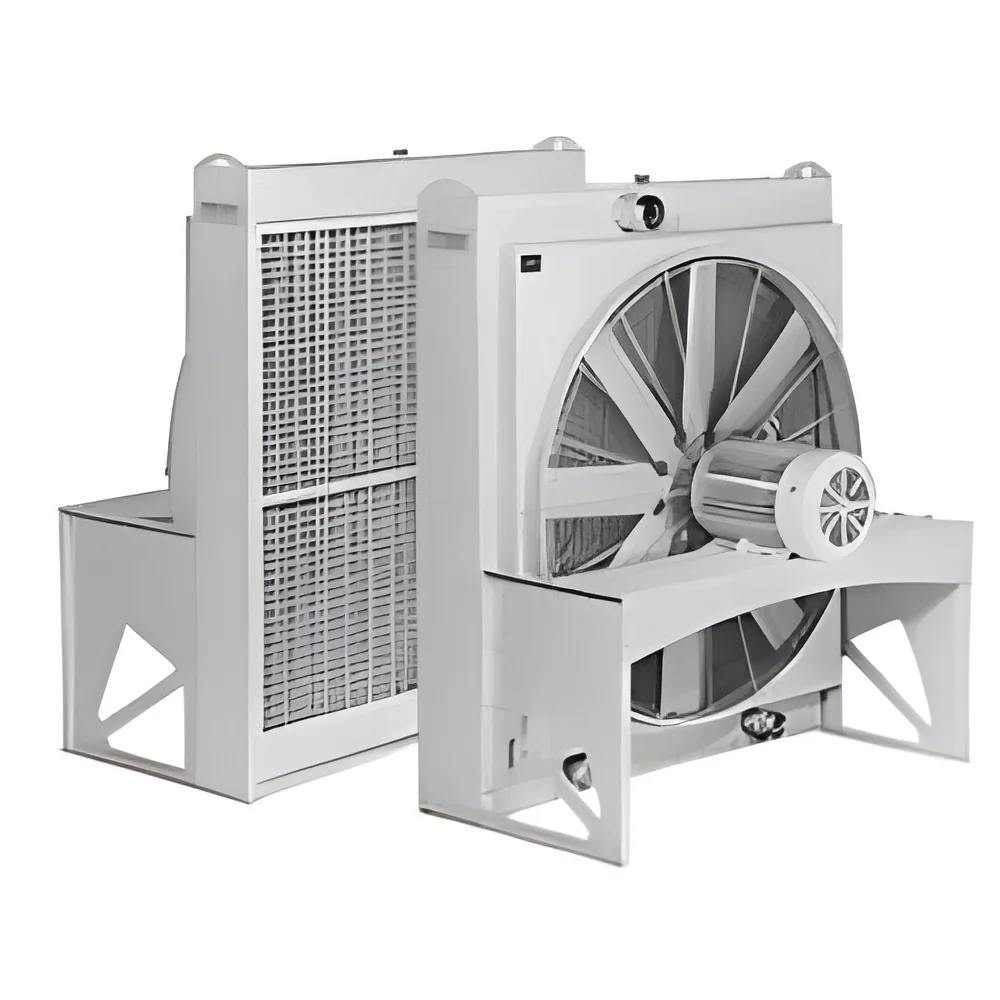
- Air Cooled Heat Exchangers may use axial or centrifugal fans.
- Choice of fan influences noise levels and efficiency of air movement.
4. Material Construction
- Common materials include carbon steel, stainless steel, and aluminum.
- Selection depends on the application and environmental conditions.
5. Operating Temperature Range
- These exchangers are designed to handle specific temperature ranges.
- Data not available for precise ranges; consult manufacturer for details.
6. Maintenance Requirements
- Low maintenance is necessary to ensure longevity and performance.
- Design should allow easy access for cleaning and inspection.
7. Certification Compliance
- Many models comply with industry standards like CE.
- Ensures safety and reliability in operation.
8. Dimensions
- Various dimensions are available to fit space constraints.
- Custom sizes can be manufactured based on customer requirements.
Air Cooled Heat Exchangers are engineered for optimal performance, ensuring they meet various operational demands while providing reliable heat transfer efficiency.
Common Applications and Use Cases
Air Cooled Heat Exchangers are utilized across many industries, showcasing their versatility and functionality.
1. Oil and Gas: In this sector, these heat exchangers are commonly used for cooling fluids in refineries and petrochemical plants, where efficient heat management is crucial.
2. Chemical Processing: They facilitate heat exchange processes in chemical reactors and distillation units, helping to maintain optimal reaction temperatures.
3. Power Generation: In power plants, Air Cooled Heat Exchangers are used to cool steam and other fluids, which is vital for the overall efficiency of energy production.
4. HVAC Systems: These heat exchangers are integrated into heating, ventilation, and air conditioning systems to improve thermal efficiency and reduce energy consumption.
5. Food and Beverage: They are employed in processes that require temperature control, such as pasteurization, ensuring product safety and quality.
6. Mining: In mining operations, these heat exchangers help manage heat in equipment and processes, enhancing operational reliability.
7. Data Centers: They are used for cooling IT equipment, ensuring optimal performance and preventing overheating in high-density environments.
Product Variants and Subcategories
Air Cooled Heat Exchangers are available in several variants, each tailored for different applications and specifications.
Standard Model
This model is designed for general industrial applications, featuring robust construction and reliable performance suitable for a range of processes.
High-Efficiency Model
Engineered for enhanced performance, this variant maximizes heat transfer while minimizing energy consumption, ideal for energy-conscious operations.
Compact Design Model
Designed for space-constrained environments, this variant offers a smaller footprint while maintaining effective cooling capabilities.
Custom Solutions
For specialized applications, custom Air Cooled Heat Exchangers can be designed to meet specific requirements, ensuring optimal performance in unique industrial settings.
Benefits and Advantages
Choosing Air Cooled Heat Exchangers comes with numerous benefits that can significantly enhance operational efficiency.
1. Water Conservation: These units eliminate the need for cooling water, making them ideal for water-scarce regions and reducing environmental impact.
2. Energy Efficiency: They are designed to optimize energy use, resulting in lower operational costs and reduced energy consumption.
3. Low Maintenance: The design of Air Cooled Heat Exchangers minimizes maintenance requirements, allowing for longer operational lifespans and reduced downtime.
4. Versatility: They can be utilized in a variety of industries and applications, making them a flexible solution for heat management.
5. Reduced Footprint: Many models are designed to occupy minimal space, allowing for easier installation in confined areas.
6. Compliance with Standards: Most Air Cooled Heat Exchangers meet industry certifications, ensuring safety and reliability in operation.
Buying Guide for B2B Buyers
When sourcing Air Cooled Heat Exchangers, buyers should consider several important factors to ensure they select the right product for their needs.
1. Quality Assessment: Evaluate the quality of materials and manufacturing processes. Look for models that comply with industry standards to ensure durability and performance.
2. Supplier Verification: Vet suppliers by checking their reputation and customer reviews. A reliable supplier will provide transparent information about their products and services.
3. Pricing and MOQ: Understand the pricing structure and minimum order quantities (MOQ) required by suppliers. This helps in budgeting and planning procurement.
4. Delivery and Lead Times: Discuss delivery schedules and lead times with suppliers to ensure timely availability of products.
5. Compliance Requirements: Ensure that the products meet all necessary regulatory and compliance standards relevant to your industry. This is critical for operational safety and legality.
Compliance and Certifications
Compliance and certifications play a vital role in ensuring the reliability and safety of Air Cooled Heat Exchangers.
Most manufacturers adhere to quality standards such as ISO 9001, which emphasizes consistent quality management systems. This standard ensures that products are manufactured to meet customer and regulatory requirements.
In addition to ISO standards, many Air Cooled Heat Exchangers bear the CE mark, indicating compliance with European safety, health, and environmental protection standards. This certification assures buyers of the product's quality and safety.
Safety and testing requirements are also critical, especially in high-stakes industries like oil and gas or chemicals. Regular testing ensures that heat exchangers perform effectively under various operational conditions.
Furthermore, companies must consider regional compliance, as different regions may have specific regulations regarding emissions and energy efficiency. It is crucial to verify that the selected heat exchangers meet local compliance requirements to avoid legal complications.
Why Source Air Cooled Heat Exchangers from Pepagora?
Pepagora provides a trusted platform for sourcing Air Cooled Heat Exchangers, offering several key advantages to B2B buyers.
Verified Supplier Network: Pepagora connects buyers with a network of verified suppliers, ensuring reliability and quality in sourcing. Each supplier is vetted to meet industry standards, providing peace of mind to buyers.
Streamlined RFQ Process: The platform features an easy-to-use Request for Quotation (RFQ) system that simplifies the procurement process. Buyers can quickly request quotes from multiple suppliers, fostering competitive pricing.
Trade Assurance and Support: Pepagora offers trade assurance, protecting buyers throughout the transaction process. This includes support for any disputes or issues that may arise, ensuring a smooth purchasing experience.
Regional Coverage: With a strong presence in regions such as India, the GCC, and Southeast Asia, Pepagora provides extensive geographic reach. This enables buyers to find local suppliers that can meet their specific needs while minimizing shipping costs and lead times.

 IN
IN
 India
India