IN
IN₹
Apparel & Fashion
Description
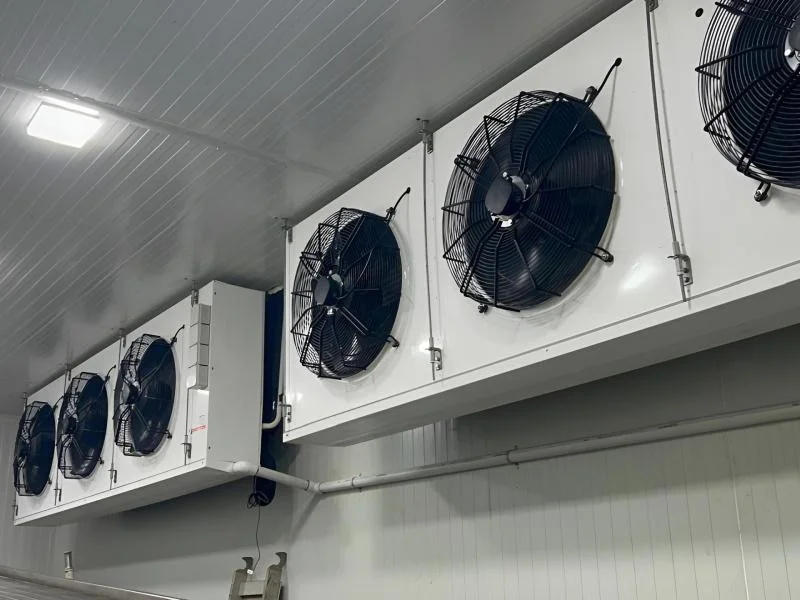
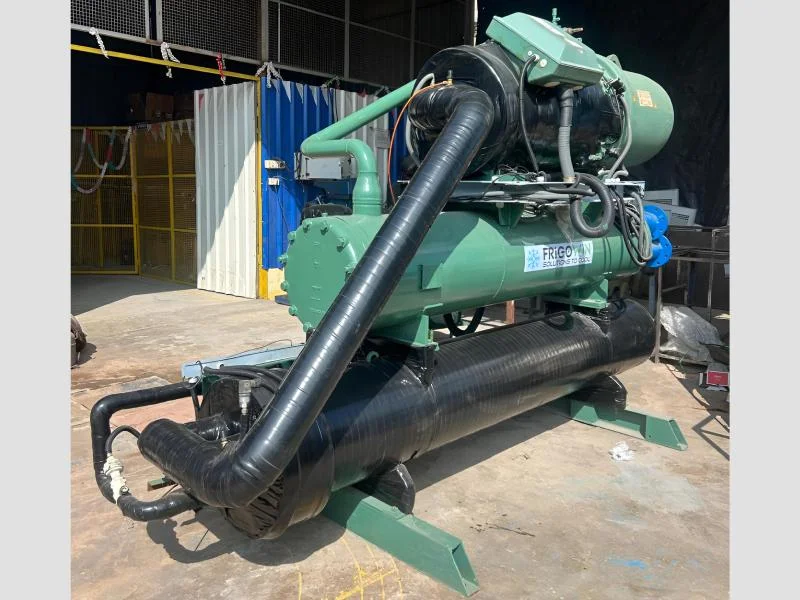
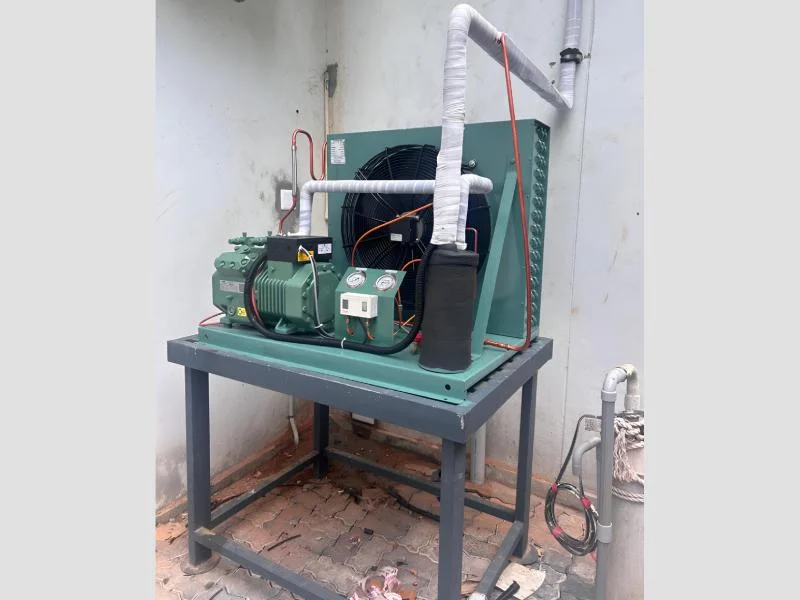
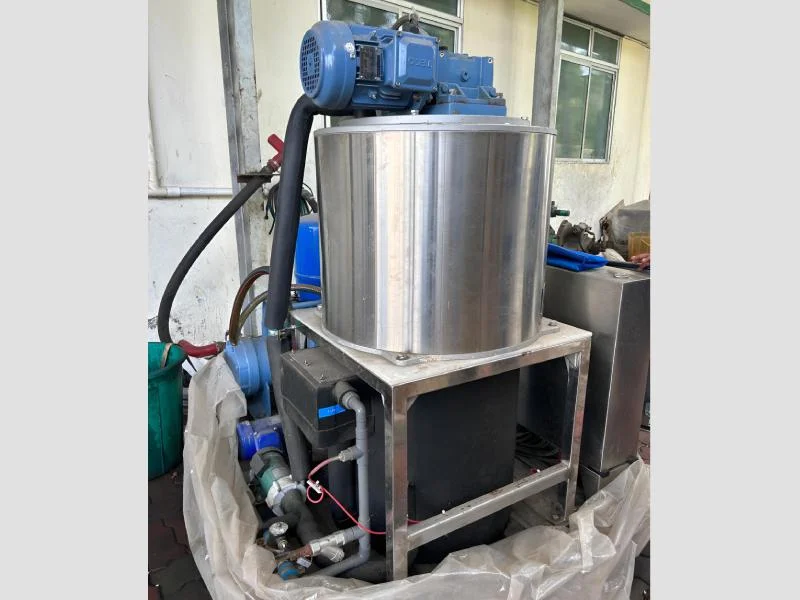
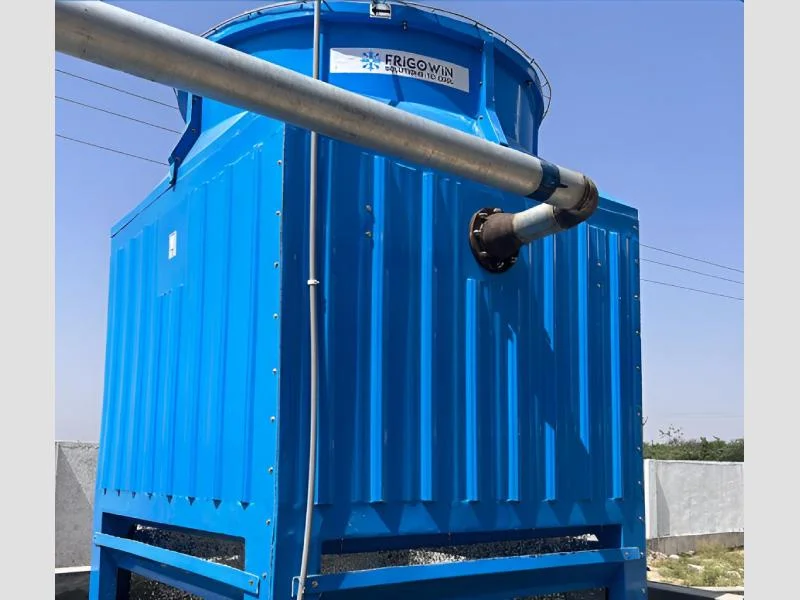
Industrial cooling towers represent essential infrastructure for managing thermal energy in demanding operational environments. These high-performance systems efficiently dissipate excess heat through advanced water circulation and evaporation principles, maintaining optimal temperature ranges that protect valuable equipment and ensure process continuity. Engineered for heavy-duty operation, they feature corrosion-resistant materials and robust construction that withstand harsh industrial conditions while delivering consistent performance. Their modular design approach allows for flexible configuration to match specific facility requirements, with energy-efficient components that minimize operational costs without compromising cooling capacity. These towers serve as reliable thermal management solutions that directly contribute to operational efficiency and equipment longevity across multiple industrial sectors.

Across various industries, these cooling towers provide critical temperat...
Industrial cooling towers represent essential infrastructure for managing thermal energy in demanding operational environments. These high-performance systems efficiently dissipate excess heat through advanced water circulation and evaporation principles, maintaining optimal temperature ranges that protect valuable equipment and ensure process continuity. Engineered for heavy-duty operation, they feature corrosion-resistant materials and robust construction that withstand harsh industrial conditions while delivering consistent performance. Their modular design approach allows for flexible configuration to match specific facility requirements, with energy-efficient components that minimize operational costs without compromising cooling capacity. These towers serve as reliable thermal management solutions that directly contribute to operational efficiency and equipment longevity across multiple industrial sectors.

Across various industries, these cooling towers provide critical temperature regulation that supports core manufacturing and processing functions. In chemical production facilities, they maintain precise thermal conditions for reaction control and safety compliance. Power generation plants rely on them for turbine cooling and heat exchange systems that ensure continuous electricity production. Manufacturing operations utilize these towers to cool heavy machinery, industrial ovens, and production lines, preventing overheating that could cause equipment failure or production delays. The pharmaceutical sector depends on them for maintaining controlled environments in both production and storage areas, while food processing facilities use them for temperature regulation during various stages of production and preservation processes.

The business value of these industrial cooling towers extends beyond basic heat dissipation to encompass comprehensive operational benefits. Their reliability translates to reduced downtime and maintenance costs, while their energy-efficient design lowers operational expenses through optimized power consumption. The durability of construction materials ensures long service life with minimal degradation, providing excellent return on investment over extended periods. These systems enhance overall plant safety by preventing equipment overheating that could lead to hazardous situations, while their consistent performance supports quality control by maintaining stable environmental conditions. The availability of monitoring systems enables proactive maintenance scheduling and performance optimization, further increasing their value proposition for industrial operators seeking dependable thermal management solutions.

Key Features:
- Advanced water circulation systems utilizing evaporation for efficient heat dissipation
- Corrosion-resistant construction materials ensuring durability in harsh environments
- Modular design allowing flexible configuration and scalability for different facility needs
- Energy-efficient fans and pumps minimizing operational power consumption
- Digital monitoring systems providing precise control over water flow and temperature parameters

Benefits:
- Protects valuable industrial equipment from heat-related damage and premature failure
- Maintains optimal process temperatures for consistent production quality and output
- Reduces operational costs through energy-efficient design and minimal maintenance requirements
- Ensures reliable performance in continuous heavy-duty industrial applications
- Supports safety compliance by preventing overheating in critical industrial processes
Specifications
| Additional Information | |
|---|---|
| Country of Origin | India |
Application
These industrial cooling towers serve as critical components in facilities where excess heat generation threatens operational stability and equipment longevity. Their robust design handles continuous thermal loads across diverse industrial settings, maintaining consistent performance even under extreme conditions.
Engineered for reliability, these cooling systems integrate seamlessly with existing industrial infrastructure while offering scalable solutions for varying heat dissipation requirements. Their versatile application extends from large manufacturing complexes to specialized processing plants where precise temperature management directly impacts productivity and safety.
Real-world applications:
- Chemical processing plants requiring precise temperature control for reaction vessels and distillation columns
- Power generation facilities managing heat from turbines, generators, and transformer cooling systems
- Pharmaceutical manufacturing maintaining strict temperature parameters for production and storage areas
- Large-scale manufacturing plants cooling injection molding machines, furnaces, and industrial ovens
- Food processing facilities regulating temperatures for pasteurization, refrigeration, and production lines
Trade Details
| Available Stock | In Stock |
| Sample Availability | No |
Payment Terms
| Payment Terms |
|
| Payment Methods |
|
Company Profile

Frigus Technologies, Tamil Nadu
 Tamil Nadu, India
Tamil Nadu, India8 yrs
Manufacturer
Turn Over
₹25 Lakhs – ₹1 Crore
Factory Details
Factory SizeBelow 1000 sqm
Industrial Cooling Towers For Heat Dissipation In Manufacturing Plants
High-performance cooling towers from reliable manufacturers efficiently dissipate industrial heat using advanced water circulation systems, ensuring optimal temperature control for equipment protection and process efficiency in demanding environments.
Min. Order Quantity: 1 piece
Shipping
Shipping fee and delivery date to be negotiated. Contact supplier now for more details.
Frigus Technologies Tamil Nadu, India
Tamil Nadu, IndiaManufacturer