
 IN
Vacuum Skin Packaging Equipment
9 products available
What are Vacuum Skin Packaging Equipment?
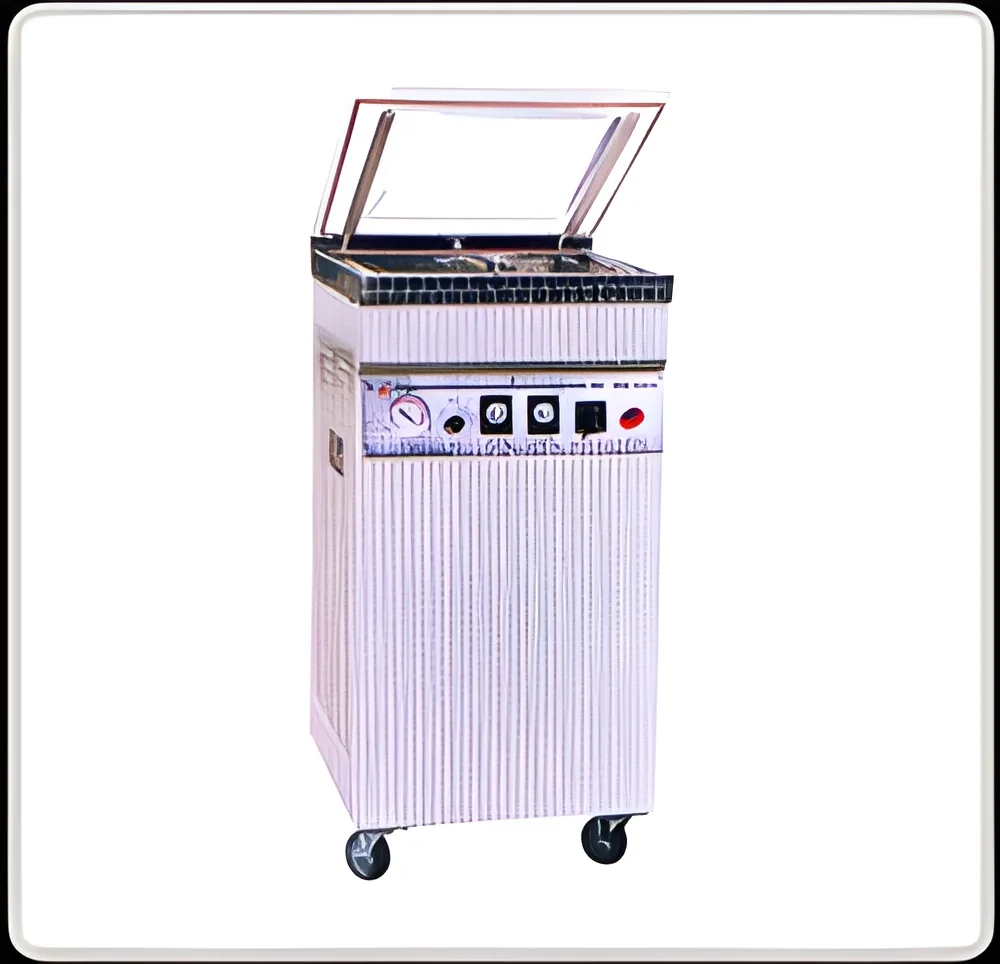
Vacuum skin packaging equipment is specialized machinery designed to package food products by removing air and sealing the contents in a tight film. This process enhances product shelf life, protects against contamination, and preserves the quality and freshness of the item. The vacuum skin packaging technique creates a tight seal around the product, making it more visually appealing and extending its marketability.
The primary uses of vacuum skin packaging equipment are found in the food processing and packaging industries. It is commonly utilized for meat, seafood, cheese, and ready-to-eat meals. By eliminating air from the package, this equipment minimizes oxidation and spoilage. Businesses benefit from reduced waste and increased product longevity, making vacuum skin packaging an essential part of modern food distribution.
In terms of market relevance, vacuum skin packaging is gaining traction due to the growing demand for efficient food preservation methods. As consumers become more health-conscious and prefer fresh products, industries are adapting packaging technologies to meet these expectations. The equipment is crucial for businesses aiming to maintain competitive advantages in the food sector.
Key Features and Specifications
Vacuum skin packaging equipment comes equipped with a range of features designed to optimize the packaging process. These specifications ensure that the equipment meets various business needs and industry standards.
Key specifications include:
1. Sealing Technology
- Advanced sealing mechanisms ensure tight and secure seals.
- Common types include heat sealing and ultrasonic sealing.
2. Vacuum Level Control
- Adjustable vacuum levels allow for various product types and requirements.
- Typical ranges vary from 90% to 99% vacuum levels.
3. Film Compatibility
- Designed to work with different types of packaging films including polyolefin and nylon.
- Ensures flexibility in packaging options.
4. Production Speed
- Equipment typically offers variable speeds to optimize throughput.
- Speed can range from 5 to 20 packages per minute depending on model.
5. Control System
- User-friendly interfaces with programmable settings for different products.
- May include touchscreen controls for ease of operation.
6. Size and Dimensions
- Equipment size varies to fit different production spaces.
- Models come in compact to industrial-scale dimensions.
7. Energy Efficiency
- Many models are designed to minimize energy consumption.
- Focus on reducing operational costs while maximizing output.
8. Maintenance Requirements
- Equipment is designed for easy cleaning and low maintenance demands.
- Regular maintenance schedules help prolong equipment life.
In summary, vacuum skin packaging equipment features advanced technologies that cater to diverse packaging needs while ensuring efficiency and quality in food preservation.
Common Applications and Use Cases
Vacuum skin packaging equipment serves a variety of industries, ensuring that products maintain their quality and shelf-life.
1. Food Industry: This is the primary sector utilizing vacuum skin packaging. It is ideal for packaging meats, seafood, and dairy products, helping to extend freshness and prevent spoilage.
2. Retail Packaging: Many retailers use vacuum skin packaging for ready-to-eat meals and convenience foods. This packaging enhances product visibility and appeal on store shelves.
3. Pharmaceutical Industry: Some companies apply vacuum skin packaging to preserve sensitive medical products, ensuring sterility and longevity.
4. Pet Food Industry: Vacuum packaging is used to keep pet food fresh and free from contaminants, catering to health-conscious pet owners.
5. Specialty Products: Gourmet products and artisanal foods often use vacuum skin packaging to maintain quality and enhance presentation.
6. Agricultural Products: Certain fruits and vegetables are vacuum packed for export to retain freshness during long transport times.
7. Electronics: Some electronic components are vacuum sealed to protect against moisture and dust, ensuring product integrity.
Product Variants and Subcategories
Vacuum skin packaging equipment offers a diverse range of variants to meet different needs within the packaging industry.
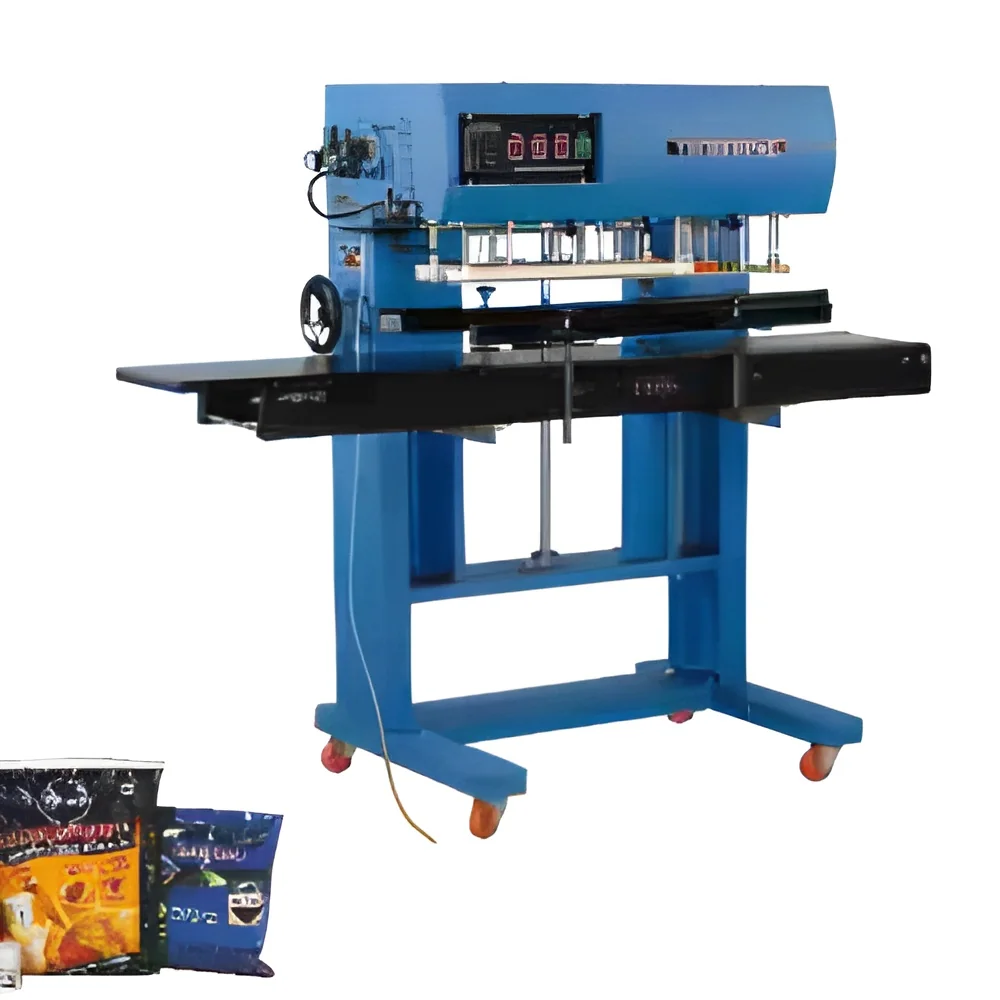
Compact Vacuum Skin Packaging Machines: These machines are ideal for small to medium businesses. They offer flexibility and efficiency, suitable for low to moderate production volumes.
Industrial Vacuum Skin Packaging Machines: Designed for high-volume production, these machines feature advanced automation and high output. They are suitable for large food processing plants.
Semi-Automatic Vacuum Skin Packaging Machines: These machines require manual intervention for loading and unloading but offer cost savings for businesses that do not need full automation.
Benefits and Advantages
Investing in vacuum skin packaging equipment provides numerous benefits to businesses.
1. Extended Shelf Life: Vacuum packing reduces oxidation and spoilage, significantly prolonging the freshness of products.
2. Enhanced Product Safety: The airtight seal protects products from contaminants, ensuring safety for consumers.
3. Cost Efficiency: By minimizing waste and spoilage, businesses can reduce costs associated with unsold products.
4. Improved Presentation: The sleek appearance of vacuum-packed products enhances shelf appeal, attracting consumers.
5. Flexibility in Packaging: The ability to use various film types allows businesses to customize packaging according to product needs.
6. Simplified Logistics: Vacuum packaging makes storage and transportation more efficient, reducing space requirements and potential damage.
Buying Guide for B2B Buyers
When sourcing vacuum skin packaging equipment, several factors must be considered to make an informed decision.
1. Quality Assessment: Evaluate the equipment's build quality and reliability. Look for manufacturers that adhere to industry standards to ensure longevity and performance.
2. Supplier Verification: Research potential suppliers thoroughly. Check for reviews, certifications, and their history in providing quality packaging solutions.
3. Pricing and MOQ: Understand the pricing structures and minimum order quantities. Compare costs with competitors to ensure you are getting value.
4. Delivery and Lead Times: Discuss lead times with suppliers to ensure your production schedule is not disrupted. Timely deliveries are crucial for maintaining business operations.
5. Compliance Requirements: Ensure that the equipment meets necessary regulatory standards for your industry. This may include safety certifications and quality standards relevant to your market.
Compliance and Certifications
Compliance with industry standards is essential for vacuum skin packaging equipment to ensure safety and quality.
Relevant quality standards such as ISO 9001 help maintain a high level of quality management across production processes. Businesses should seek equipment that meets these standards to ensure reliability.
Certifications, such as CE marking, indicate that the equipment complies with European health and safety regulations. This certification is vital for companies looking to market their products in Europe and other regions.
Safety and testing requirements must also be adhered to, ensuring that the packaging equipment operates without risk to users or products. Regular testing and compliance checks are necessary to maintain operational safety.
Additionally, companies should be aware of regional compliance considerations, as regulations may vary based on geographic location and industry norms.
Why Source Vacuum Skin Packaging Equipment from Pepagora?
Pepagora offers a trusted platform for sourcing vacuum skin packaging equipment with several key advantages for B2B buyers.
Verified Supplier Network: Pepagora has established a robust network of verified suppliers, ensuring that businesses can connect with reliable manufacturers. This reduces the risks associated with sourcing equipment.
Streamlined RFQ Process: The platform provides an efficient Request for Quotation process. Buyers can easily obtain quotes from multiple suppliers, facilitating informed decision-making.
Trade Assurance and Support: Pepagora offers trade assurance, providing buyers with protection and support throughout the purchasing process. This builds confidence and trust in transactions.
Regional Coverage: With a strong presence in India, the GCC, and Southeast Asia, Pepagora caters to a diverse range of businesses. This geographic reach allows for a wider selection of equipment and suppliers to meet various packaging needs.

 India
 India
 India
 India
 India
 India
 India
 India
 India
Frequently Asked Questions
What are Vacuum Skin Packaging Equipment?
Vacuum Skin Packaging Equipment refers to machines used to package products in a way that removes air from the package and forms a tight skin around the product. This type of packaging helps to extend the shelf life of perishable items and provides better protection against external factors.
What are the different types of Vacuum Skin Packaging Equipment?
The main types of Vacuum Skin Packaging Equipment include chamber vacuum sealers, external vacuum sealers, and automatic skin pack machines. Each type varies in functionality and is suited for different scales of production and packaging requirements.
How do I choose the right Vacuum Skin Packaging Equipment?
Choosing the right Vacuum Skin Packaging Equipment involves assessing your product type, packaging volume, and production speed requirements. Additionally, consider the machine's compatibility with the materials you intend to use and the space available in your facility.
What are the standard specifications for Vacuum Skin Packaging Equipment?
Standard specifications for Vacuum Skin Packaging Equipment typically include sealing width, chamber size, power consumption, and vacuum pump capacity. It is important to verify these specifications to ensure the equipment meets your production needs.
What is the price range for Vacuum Skin Packaging Equipment?
The price range for Vacuum Skin Packaging Equipment can vary significantly based on the type, brand, and features of the equipment. Generally, prices can start from a few thousand INR for basic models to several lakhs for high-end, automated systems.
What quality standards apply to Vacuum Skin Packaging Equipment?
Vacuum Skin Packaging Equipment must comply with various quality standards such as ISO and CE certifications, which ensure safety and effectiveness. Additionally, food-grade materials should be used to guarantee that the packaging is safe for food products.
Where can I find Vacuum Skin Packaging Equipment suppliers in India?
You can find Vacuum Skin Packaging Equipment suppliers in India through B2B marketplaces like Pepagora, trade shows, and industry directories. It is advisable to compare suppliers based on their product range, customer reviews, and service support.
Can Vacuum Skin Packaging Equipment be customized?
Yes, many manufacturers offer customization options for Vacuum Skin Packaging Equipment to meet specific production needs. Customization may include adjustments in size, sealing technology, and additional features tailored to the user's requirements.
What is the typical minimum order quantity for Vacuum Skin Packaging Equipment?
The typical minimum order quantity (MOQ) for Vacuum Skin Packaging Equipment can vary by supplier, but it often ranges from one unit for smaller suppliers to multiple units for larger manufacturers. It is best to check with the supplier for their specific MOQ.
What is the typical lead time for Vacuum Skin Packaging Equipment?
The typical lead time for Vacuum Skin Packaging Equipment can range from a few weeks to several months, depending on the manufacturer and the complexity of the order. Factors such as customization, production capacity, and shipping logistics can also affect the lead time.
Why Businesses Trust Pepagora
Thousands of companies trust Pepagora to source smarter and sell faster
Expand Your Sales Globally

Source Smarter,Grow Faster
