
 IN
Thermostats & Temperature Controllers
31 products available
What are Thermostats & Temperature Controllers?
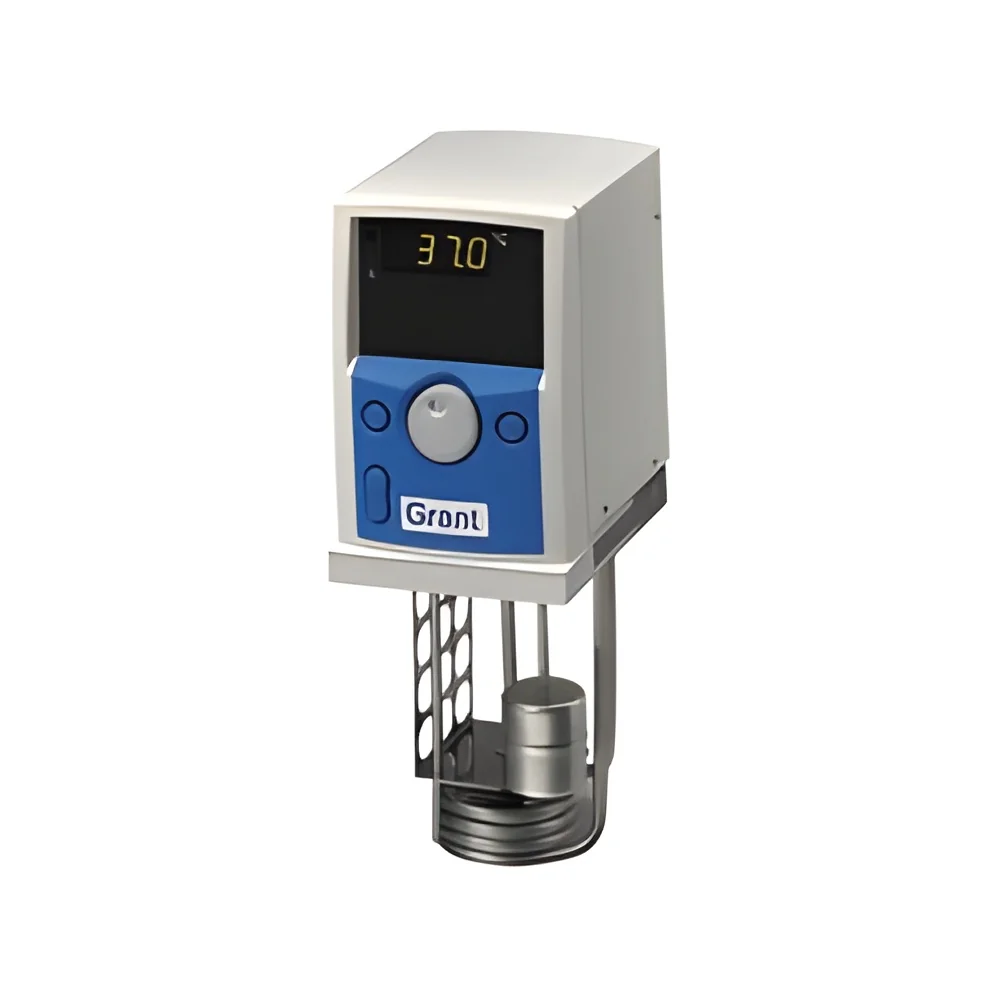
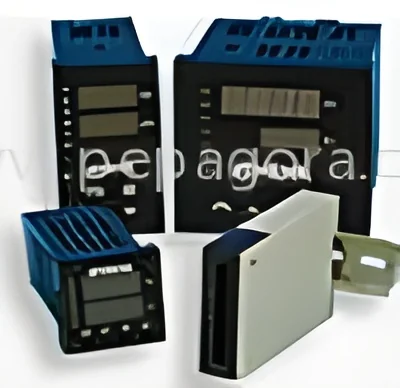
Thermostats and temperature controllers are essential devices used to regulate temperature in various environments. They function by sensing the ambient temperature and activating heating or cooling systems to maintain a desired set point. Thermostats are typically simpler devices that maintain temperature settings for HVAC systems, while temperature controllers offer more complex functionalities, allowing for precise control over temperature variations in industrial processes.
These devices find primary applications in commercial and industrial settings, including manufacturing, food processing, and pharmaceuticals. They ensure that production processes remain within specified temperature parameters, which is critical for product quality and safety. In addition, thermostats and temperature controllers are crucial in maintaining optimal conditions for equipment operation, preventing overheating or excessive cooling, which can lead to equipment failure or reduced efficiency.
In today's market, the relevance of thermostats and temperature controllers continues to grow as industries increasingly prioritize automation and energy efficiency. With advancements in technology, these devices now often feature digital displays, remote monitoring capabilities, and integration with building management systems. This evolution is driven by a need for precise control and monitoring in an increasingly competitive industrial landscape.
Key Features and Specifications
When evaluating thermostats and temperature controllers, it is important to consider a range of key features and specifications. These specifications ensure that the devices meet the specific needs of various applications and industries.
Key specifications include:
1. Temperature Control Range
- This specification defines the minimum and maximum temperature that the device can accurately control.
- Typical ranges may vary from -50°C to 150°C, depending on the application.
2. Accuracy
- This refers to how closely the device's temperature reading matches the actual temperature.
- Common accuracy levels are within ±0.5°C to ±2°C.
3. Control Method
- Thermostats and controllers can use different methods such as on/off control, proportional control, or PID (Proportional-Integral-Derivative) control.
- Each method has its advantages based on the application needs.
4. Display Type
- Devices may feature analog or digital displays, impacting ease of use and readability.
- Digital displays often provide additional information such as current temperature and set point.
5. Connectivity Options
- Some models offer connectivity features such as Wi-Fi, Bluetooth, or wired connections for remote monitoring and control.
- This feature enhances operational flexibility and data collection.
6. Power Supply
- Thermostats and controllers may operate on various power sources, including AC or DC voltage.
- Specifications typically specify the voltage range, such as 24V AC or 100-240V AC.
7. Installation Type
- Devices can be wall-mounted, panel-mounted, or portable, depending on the application.
- The choice of installation type affects the ease of access and maintenance.
8. Compliance and Certification
- Many devices comply with industry standards and certifications such as CE, which indicates adherence to safety and environmental guidelines.
- Compliance is essential for ensuring product reliability and safety.
In summary, understanding these specifications is critical for selecting the right thermostat or temperature controller for any industrial application.
Common Applications and Use Cases
Thermostats and temperature controllers have versatile applications across various industries, each requiring precise temperature management.
1. Food Processing: In the food industry, temperature control is crucial for ensuring product safety and quality. Thermostats help maintain refrigeration temperatures, preventing spoilage and ensuring compliance with health regulations.
2. Pharmaceuticals: Temperature-sensitive pharmaceuticals require strict monitoring and control to maintain efficacy. Temperature controllers are used in storage and transportation to ensure products remain within specified temperature ranges.
3. Manufacturing: In manufacturing processes, maintaining optimal temperature is vital for product consistency. Thermostats regulate the temperature in heating and cooling systems, enhancing production efficiency.
4. HVAC Systems: In heating, ventilation, and air conditioning systems, thermostats control indoor climates, ensuring comfort and energy efficiency in commercial buildings.
5. Greenhouses: In agriculture, temperature controllers manage the climate in greenhouses, optimizing conditions for plant growth and maximizing yield.
6. Laboratories: In research and testing environments, precise temperature control is essential for experiments. Temperature controllers ensure stability in incubators, freezers, and other laboratory equipment.
7. Data Centers: In data centers, maintaining optimal temperatures is critical to prevent overheating of sensitive equipment. Thermostats help regulate HVAC systems to ensure efficient cooling.
Product Variants and Subcategories
Thermostats and temperature controllers come in various forms to suit different applications and environments. This diversity allows businesses to select devices that best meet their specific needs.
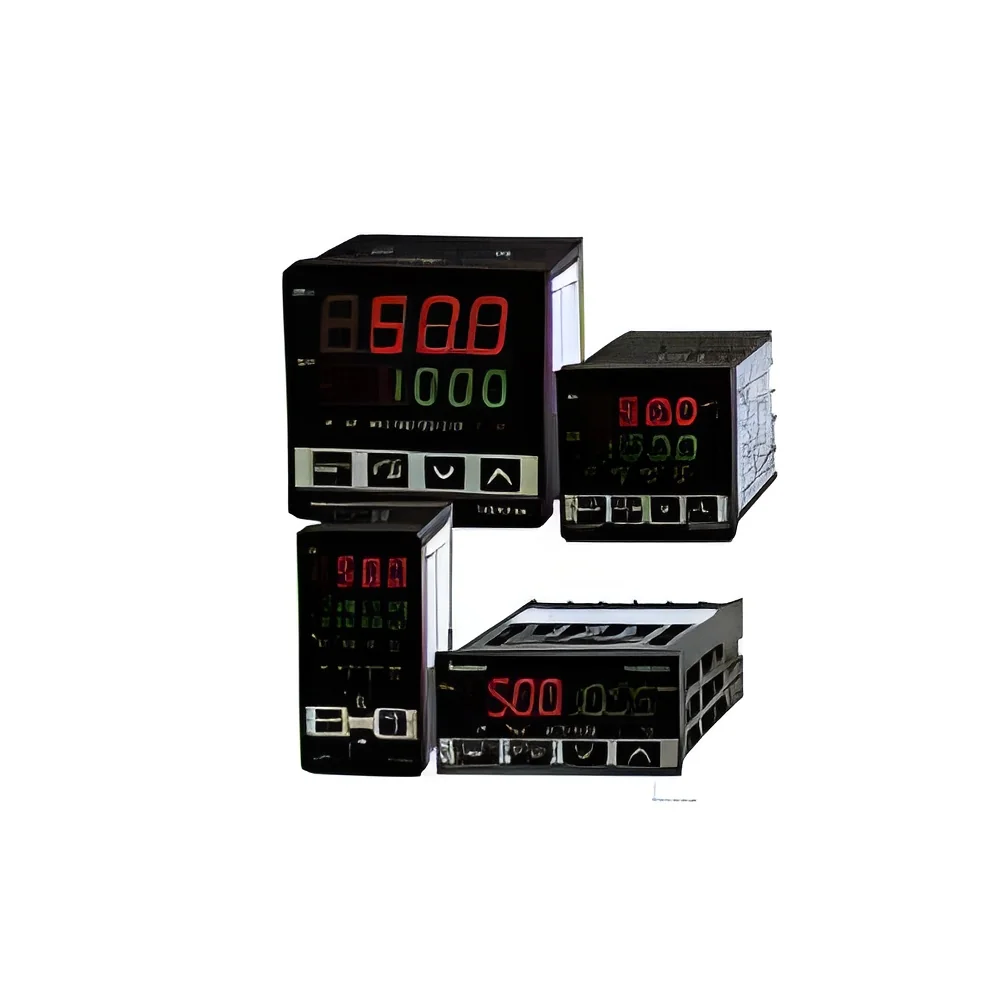
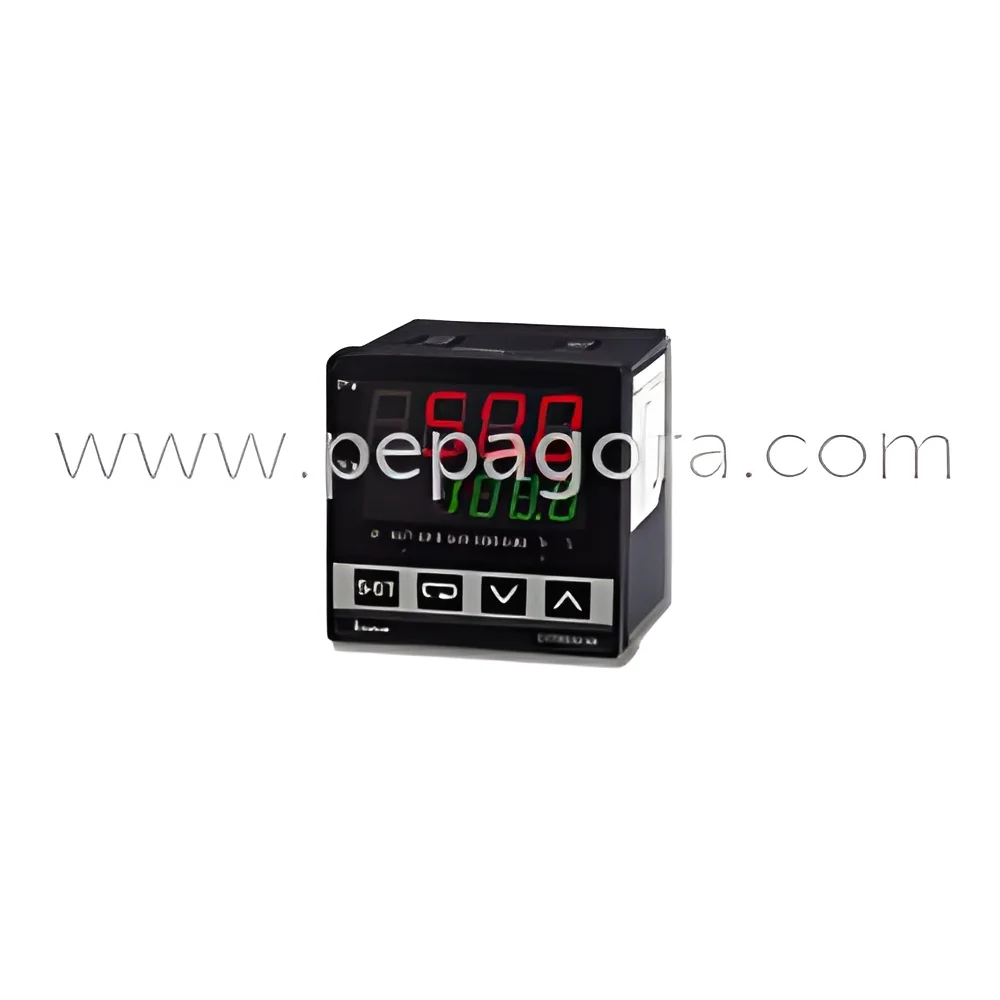
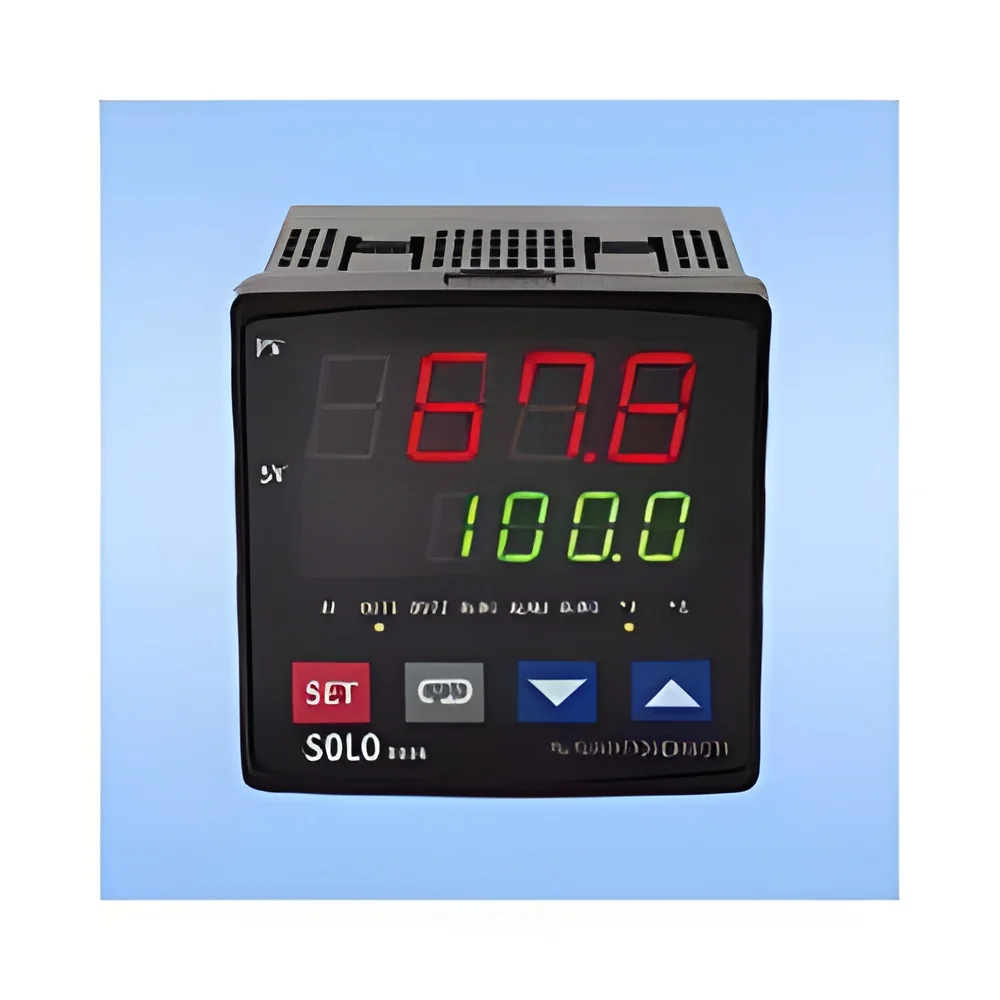
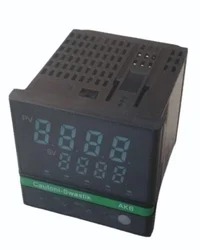
Digital Thermostats: These devices offer precise temperature control with easy-to-read digital displays. They often include programmable features, allowing users to set specific temperature schedules.
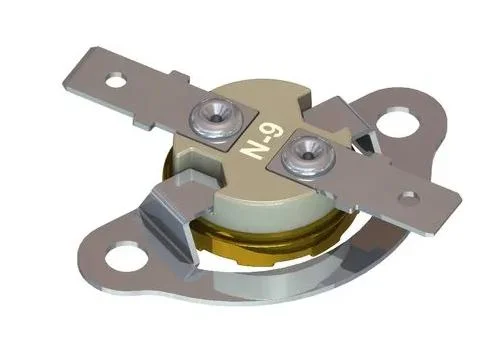
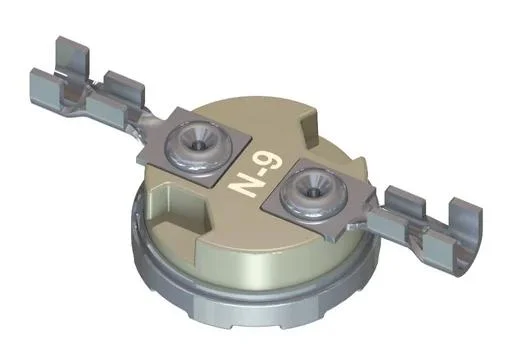
Mechanical Thermostats: Typically used in simpler applications, mechanical thermostats operate using physical mechanisms to detect temperature changes. They are known for their reliability and straightforward functionality.
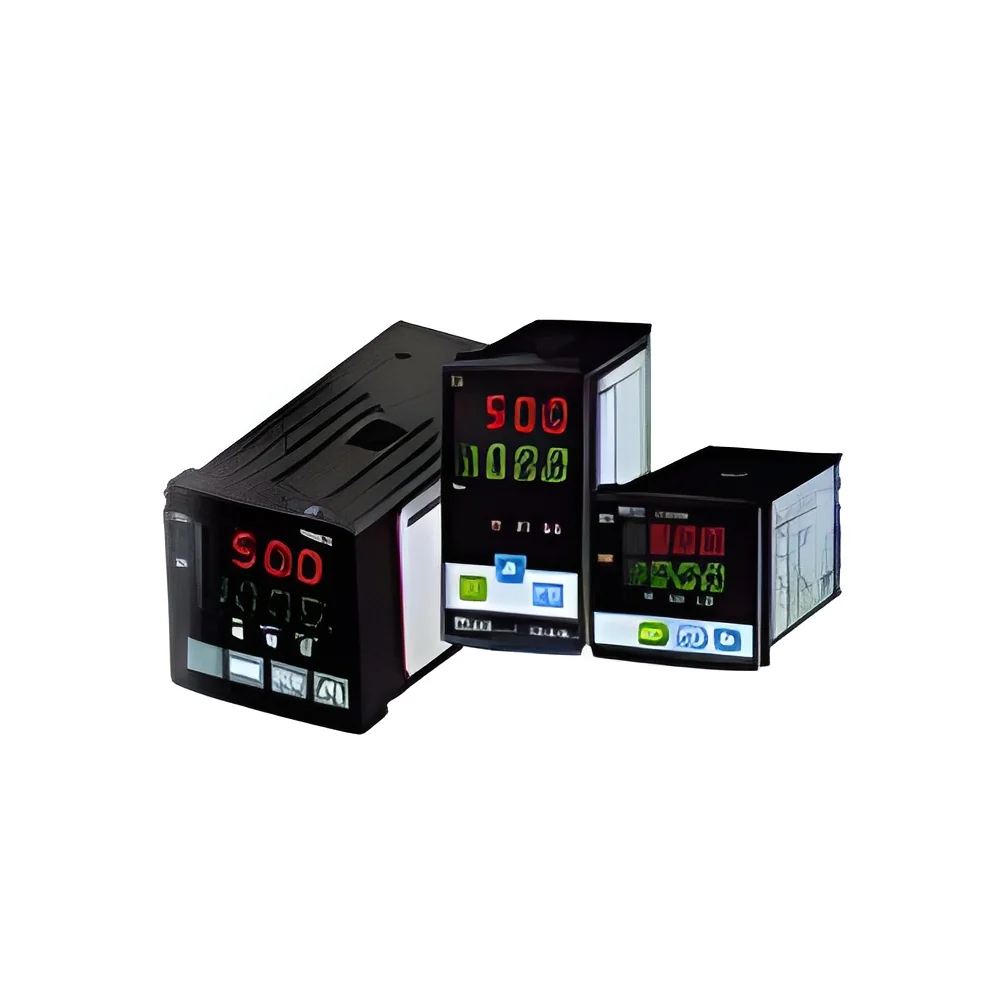
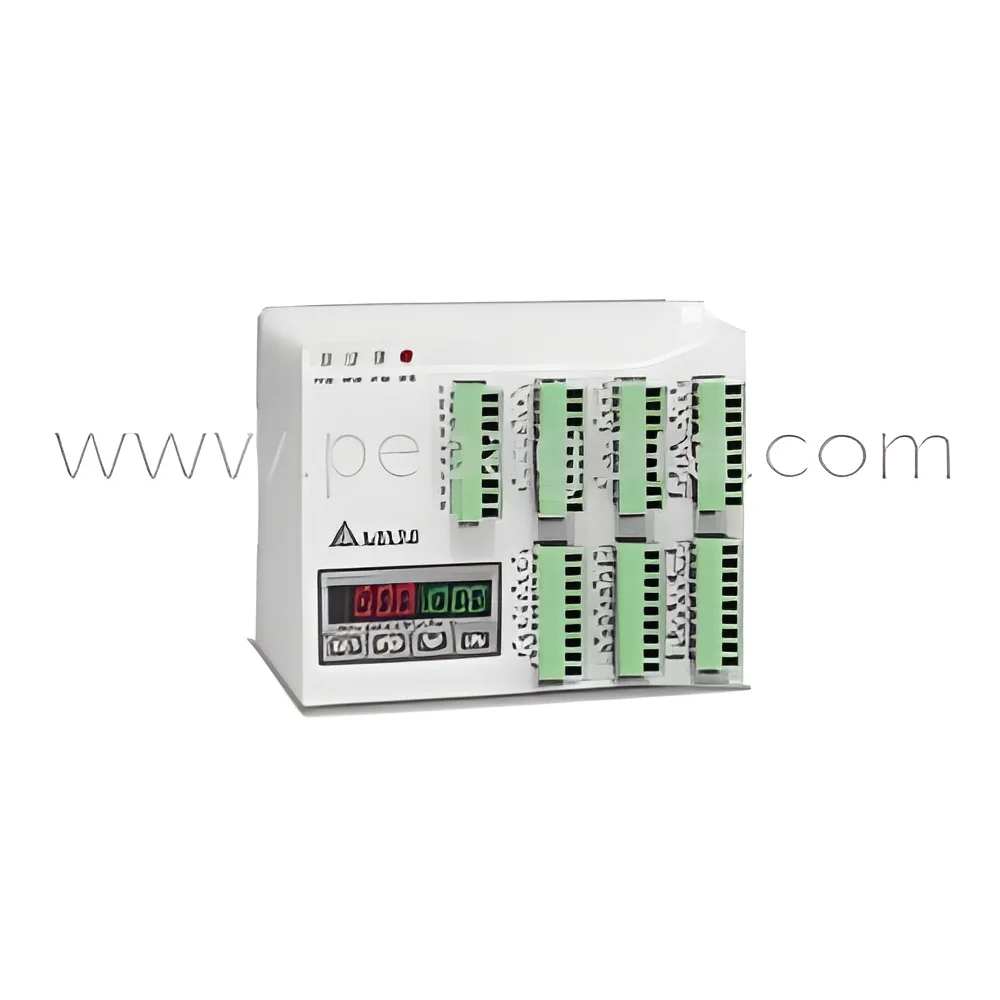
PID Temperature Controllers: These advanced controllers utilize a PID algorithm to provide accurate temperature management. They are ideal for processes requiring tight control over temperature fluctuations.
Smart Thermostats: Equipped with connectivity features, smart thermostats enable remote monitoring and control through mobile apps. This modern approach offers enhanced convenience and data logging capabilities.
Wireless Temperature Controllers: These devices eliminate the need for physical wiring, providing flexibility in installation. They often connect to a central system for monitoring and control.
Benefits and Advantages
Thermostats and temperature controllers offer numerous benefits that enhance operational efficiency and product quality across various industries.
1. Improved Energy Efficiency: These devices optimize heating and cooling operations, reducing energy consumption and lowering utility costs.
2. Enhanced Product Quality: By maintaining precise temperature control, businesses can produce higher-quality products, leading to improved customer satisfaction.
3. Increased Equipment Longevity: Proper temperature regulation prevents overheating and excessive wear on machinery, extending equipment life.
4. Regulatory Compliance: Many industries have strict temperature regulations. Using reliable thermostats and controllers helps ensure compliance with safety standards.
5. Simplified Operations: Modern devices often feature programmable settings and remote monitoring, streamlining operations for users.
6. Data Logging Capabilities: Advanced models provide data logging, allowing businesses to track temperature trends over time and make informed decisions.
Buying Guide for B2B Buyers
When sourcing thermostats and temperature controllers for business applications, it is important to consider several factors to ensure the right selection.
1. Quality Assessment: Evaluate the build quality and performance specifications of the devices. Look for products that have undergone rigorous testing and meet industry standards.
2. Supplier Verification: Conduct thorough research on potential suppliers. Verify their credentials, customer reviews, and track record in providing reliable products.
3. Pricing and MOQ: Consider the pricing structure and minimum order quantities. Ensure that the pricing aligns with your budget and that you can meet the supplier's minimum requirements.
4. Delivery and Lead Times: Understand the supplier's delivery capabilities. Assess lead times to ensure that the products will arrive when needed for your operations.
5. Compliance Requirements: Check for compliance with relevant regulations and certifications. Ensure that the products meet necessary safety and quality standards for your industry.
Compliance and Certifications
Compliance and certifications are crucial aspects of thermostats and temperature controllers. These devices must adhere to several important quality standards to ensure safety and reliability.
ISO 9001 is a widely recognized standard that outlines quality management principles. Manufacturers that comply with ISO 9001 demonstrate a commitment to continuous improvement and customer satisfaction.
CE certification indicates that a product meets European safety, health, and environmental protection standards. This certification is essential for products sold in the European market, ensuring compliance with regulatory requirements.
Safety testing requirements often include assessments for electrical safety, environmental impact, and operational reliability. These tests ensure that products are safe to use in various applications.
Regional compliance considerations may vary depending on local regulations. It is essential to understand the specific compliance requirements in the regions where the products will be used.
Why Source Thermostats & Temperature Controllers from Pepagora?
Pepagora provides a trusted platform for sourcing thermostats and temperature controllers, offering several key advantages to B2B buyers.
Verified Supplier Network: Pepagora ensures that all suppliers in its network are thoroughly vetted. This verification process helps buyers find reliable manufacturers who meet high-quality standards.
Streamlined RFQ Process: The Request for Quotation (RFQ) process at Pepagora simplifies sourcing. Buyers can easily submit their requirements and receive competitive quotes from multiple suppliers.
Trade Assurance and Support: Pepagora offers trade assurance programs that protect buyers throughout the purchasing process. This support ensures that transactions are secure and that buyers receive the products as promised.
Regional Coverage: With a presence in India, the GCC, and Southeast Asia, Pepagora facilitates sourcing across diverse markets. This regional coverage allows buyers to access a wide range of products and suppliers tailored to their needs.


 India
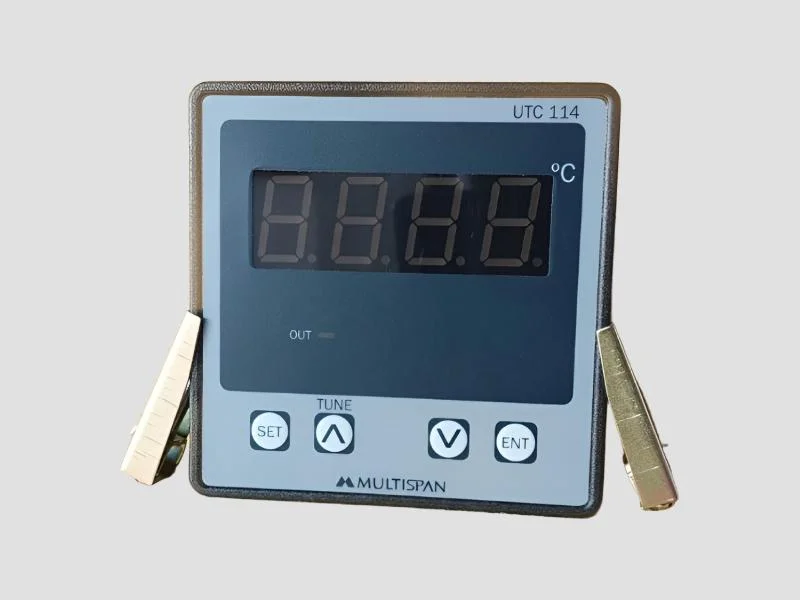
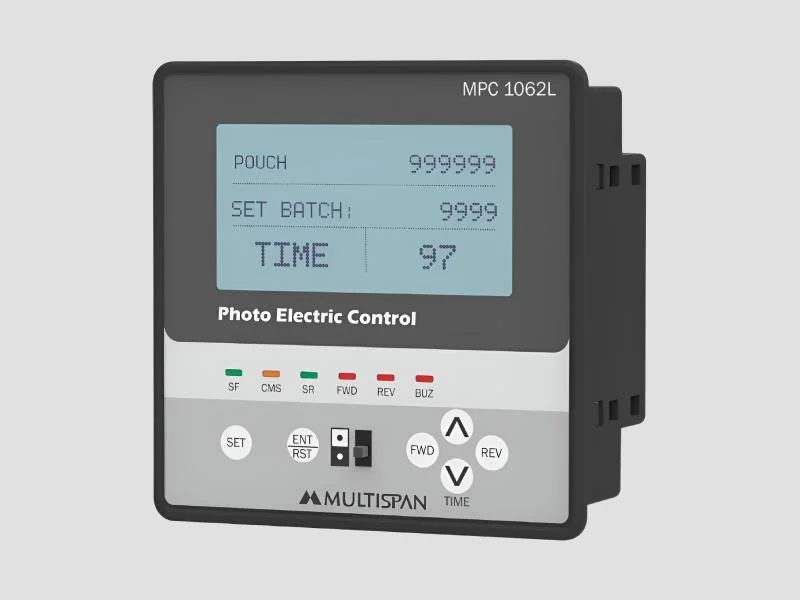
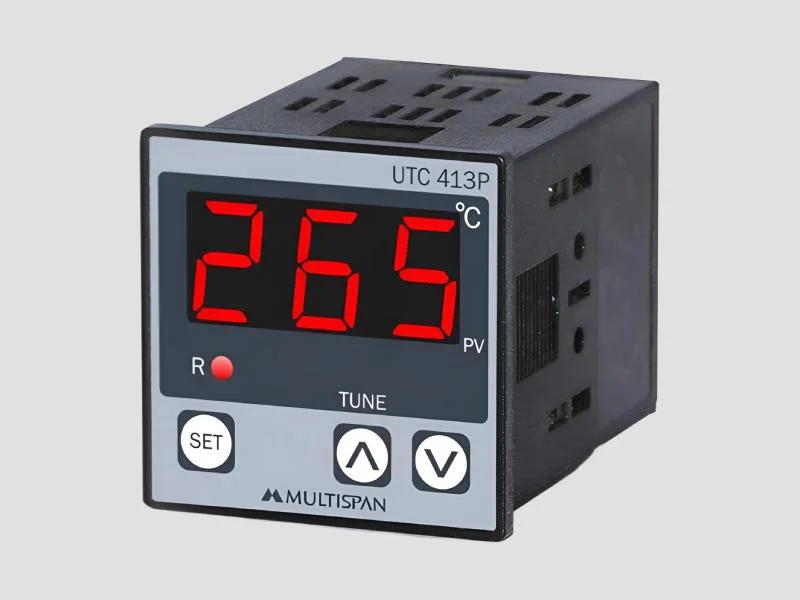
 India
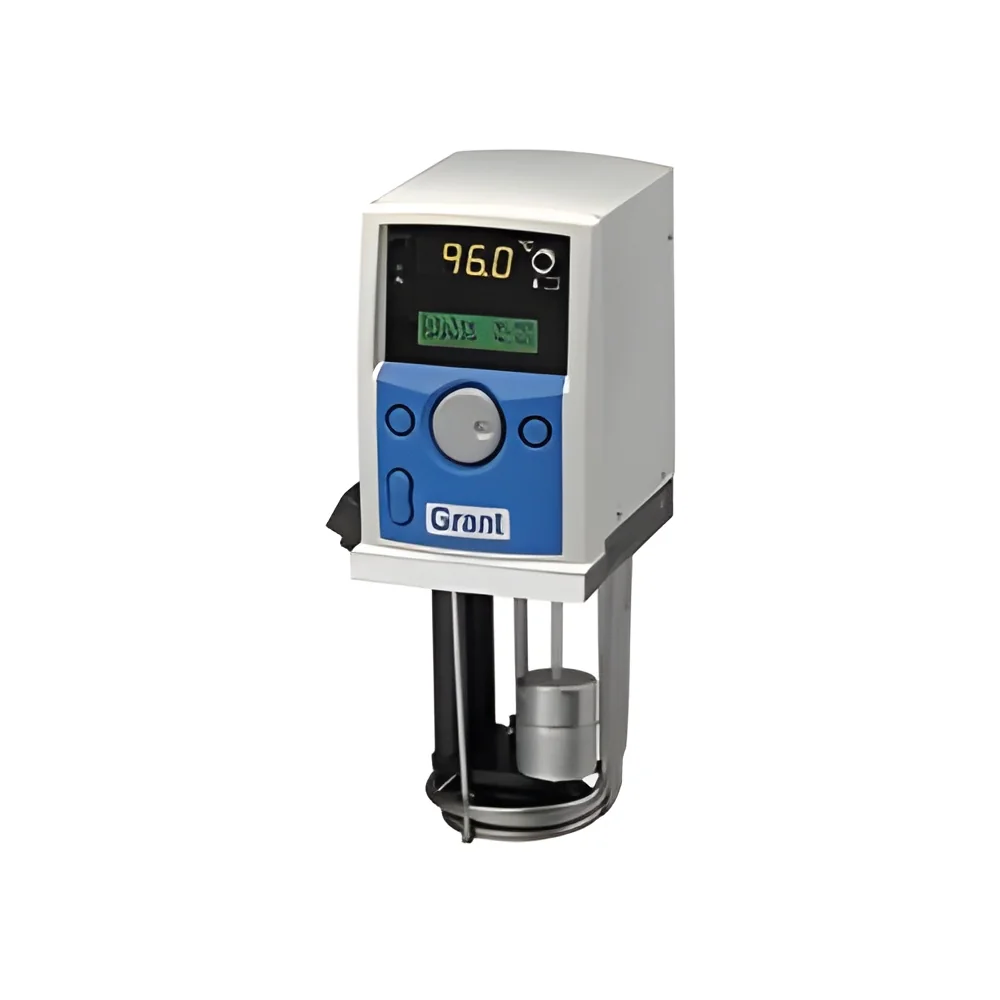
 India
 India
 India
 India
 India
 India
 India
 India
 India
 India
 India
 India
 India
 India
 India
Frequently Asked Questions
What are Thermostats & Temperature Controllers?
Thermostats & Temperature Controllers are devices used to regulate temperature within a specific environment. They monitor the temperature and activate heating or cooling systems to maintain a desired temperature level, ensuring optimal conditions for various applications.
What are the different types of Thermostats & Temperature Controllers?
There are several types of Thermostats & Temperature Controllers, including mechanical, digital, programmable, and smart thermostats. Each type varies in functionality and complexity, catering to different industrial and residential needs.
How do I choose the right Thermostats & Temperature Controllers?
Choosing the right Thermostats & Temperature Controllers involves considering factors such as the specific application, temperature range, required accuracy, and compatibility with existing systems. It is also important to assess features like programmability and remote access capabilities.
What are the standard specifications for Thermostats & Temperature Controllers?
Standard specifications for Thermostats & Temperature Controllers typically include temperature range, accuracy, response time, and power supply requirements. Additionally, they may feature output options for connecting to heating or cooling systems.
What is the price range for Thermostats & Temperature Controllers?
The price range for Thermostats & Temperature Controllers can vary widely based on type, features, and brand. Generally, basic models may start from a few hundred rupees, while advanced smart thermostats can cost several thousand rupees.
What quality standards apply to Thermostats & Temperature Controllers?
Thermostats & Temperature Controllers are often subject to quality standards such as ISO 9001 and relevant safety certifications. These standards ensure reliability, performance, and safety in various operational environments.
Where can I find Thermostats & Temperature Controllers suppliers in India?
You can find Thermostats & Temperature Controllers suppliers in India through online B2B marketplaces like Pepagora.com, trade shows, and industry directories. It is advisable to verify the credibility and reviews of suppliers before making a purchase.
Can Thermostats & Temperature Controllers be customized?
Yes, many manufacturers offer customization options for Thermostats & Temperature Controllers to meet specific requirements. Customization may include features such as size, temperature range, and connectivity options.
What is the typical minimum order quantity for Thermostats & Temperature Controllers?
The typical minimum order quantity (MOQ) for Thermostats & Temperature Controllers varies by supplier and product type. It can range from a small quantity for standard products to larger quantities for custom models.
What is the typical lead time for Thermostats & Temperature Controllers?
The typical lead time for Thermostats & Temperature Controllers depends on factors such as sourcing, customization, and supplier location. Generally, lead times can range from a few days for standard products to several weeks for customized orders.
Why Businesses Trust Pepagora
Thousands of companies trust Pepagora to source smarter and sell faster
Expand Your Sales Globally

Source Smarter,Grow Faster
