- Regulating temperature in industrial ovens and heat treatment equipment.
- Maintaining controlled conditions in refrigeration and cold storage units.
- Monitoring temperature in plastic processing machinery.
- Controlling heating elements in industrial furnaces and boilers.
- Managing temperature in food processing and packaging equipment.
- Supporting thermal regulation in laboratory and testing instruments.
- Maintaining operating temperatures in HVAC and air conditioning systems.

 IN
₹
Apparel & Fashion
Description
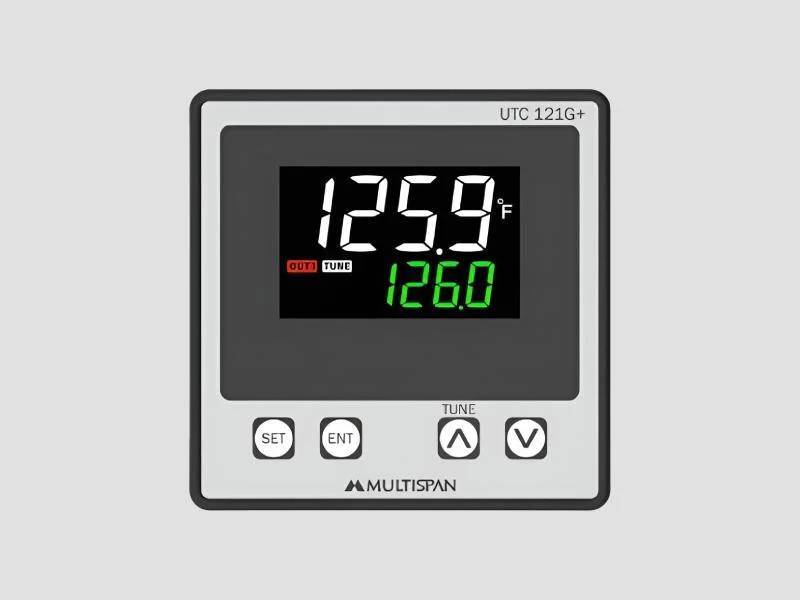
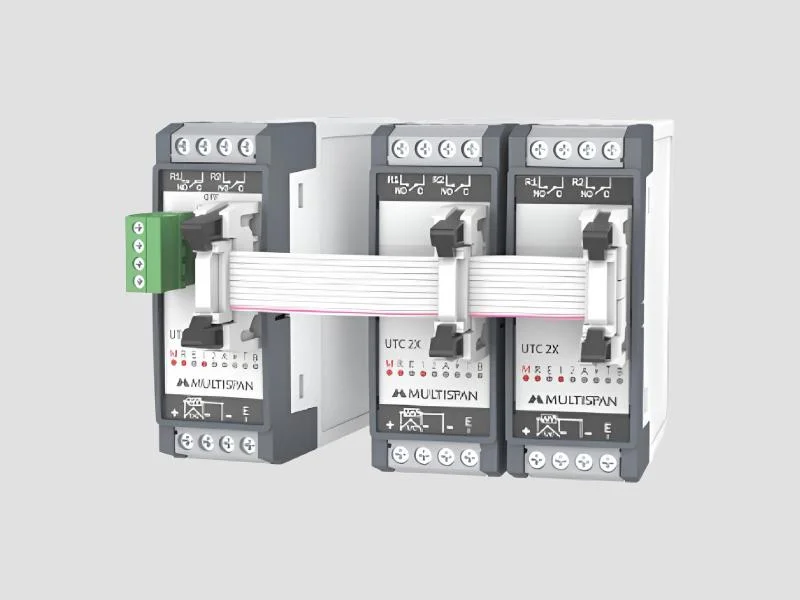
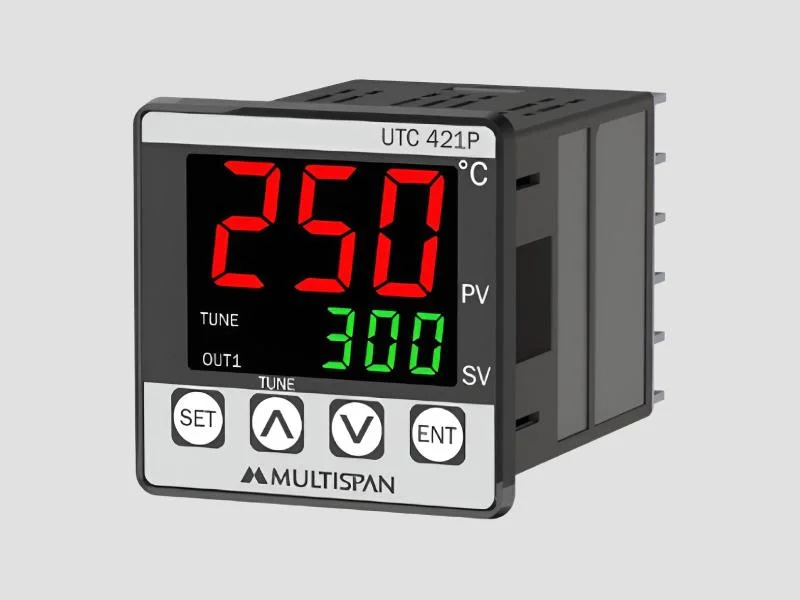
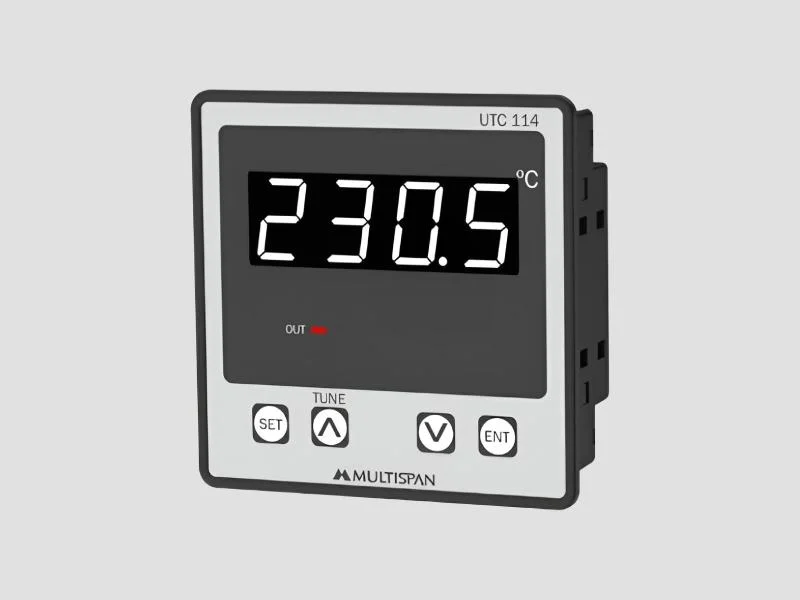
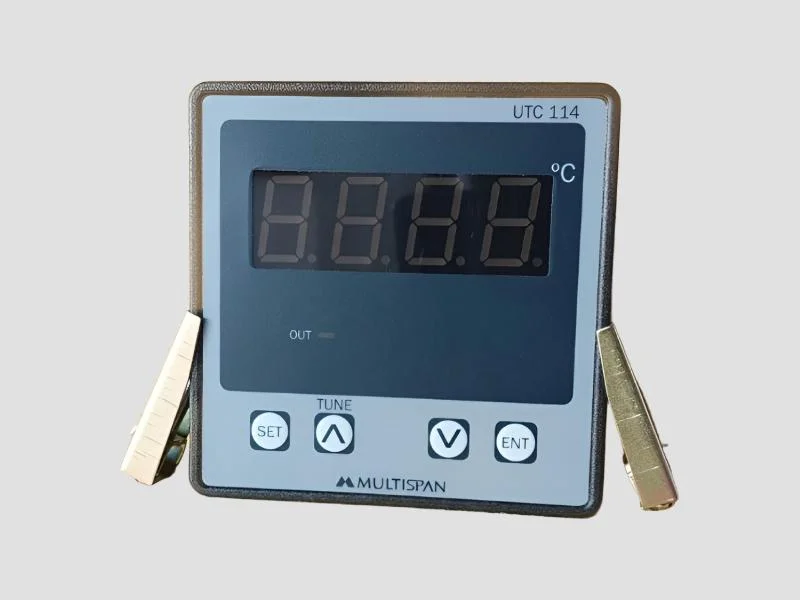
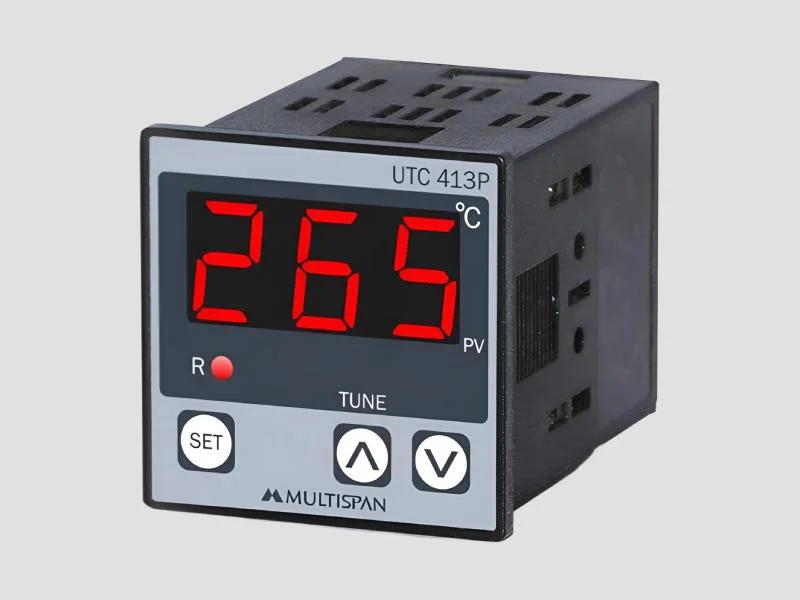
The Digital Temperature Controller helps maintain selected temperature levels in equipment and industrial operating environments. It typically works with sensors such as thermocouples or resistance temperature detectors, depending on the controller model. The measured temperature is processed electronically and displayed for monitoring and adjustment. Users can configure the desired temperature setpoint and control parameters through the available interface. When the measured temperature moves beyond the configured range, the controller activates or deactivates the connected heating or cooling device according to its control logic. Depending on the model, features may include programmable alarms, relay outputs, multiple sensor input options, heating and cooling modes, and automatic control functions. These controllers are used in standalone equipment as well as integrated industrial automation systems. Sensor compatibility, input range, output rating, supply voltage and mounting dimens...
The Digital Temperature Controller helps maintain selected temperature levels in equipment and industrial operating environments. It typically works with sensors such as thermocouples or resistance temperature detectors, depending on the controller model. The measured temperature is processed electronically and displayed for monitoring and adjustment. Users can configure the desired temperature setpoint and control parameters through the available interface. When the measured temperature moves beyond the configured range, the controller activates or deactivates the connected heating or cooling device according to its control logic. Depending on the model, features may include programmable alarms, relay outputs, multiple sensor input options, heating and cooling modes, and automatic control functions. These controllers are used in standalone equipment as well as integrated industrial automation systems. Sensor compatibility, input range, output rating, supply voltage and mounting dimensions should be checked before installation.
Specifications
| Key Attributes | |
|---|---|
| Controller Type | Mechanical Thermostat |
| Sensor Type | NTC |
| Output Type | Relay (SPDT) |
| Supply Voltage | 24V AC |
| Communication Protocol | Modbus RTU |
| Display Type | LED |
| IP Rating | IP21 |
| Additional Information | |
|---|---|
| SKU | IT-DTC-01 |
| Country of Origin | India |
Application
Trade Details
| Available Stock | In Stock |
| Sample Availability | No |
Payment Terms
| Payment Terms |
|
| Payment Methods |
|
Company Profile

Ideal Technologies, Tamil Nadu
 Tamil Nadu, India
8 yrs
Manufacturer•Distributor / Wholesaler•Retailer
Factory Details
Factory SizeBelow 1000 sqm
Frequently Asked Questions
1
What is a digital temperature controller?
A digital temperature controller is an electronic device that automatically manages the temperature of a system by adjusting the heating or cooling equipment based on set parameters.
2
How do I install the digital temperature controller?
Installation typically involves connecting the unit to your heating or cooling systems as per the provided manual. Ensure all connections are secure and correctly configured for optimal performance.
3
Can this device be used in different industrial applications?
Yes, our digital temperature controller can be utilized in various industrial applications including HVAC systems, refrigeration, food processing, and more.
4
What payment methods do you accept for this product?
We accept cash and cheque payments for purchasing the digital temperature controller.
5
Is there customer support available if I have issues with my purchase?
Yes, we offer customer support to assist you with any questions or issues related to your digital temperature controller after purchase.
SKU: IT-DTC-01
Digital Temperature Controller
The Digital Temperature Controller is an electronic device used to monitor and regulate temperature in industrial equipment and temperature-sensitive processes. It receives input from compatible temperature sensors and compares the measured value with a preset target temperature. Based on the programmed settings, it controls connected heating or cooling equipment through its output mechanism. The digital display allows operators to view temperature readings and adjust operating parameters. It is suitable for applications requiring consistent temperature supervision, automated switching and process control.
Min. Order Quantity: 1 piece
Shipping
Shipping fee and delivery date to be negotiated. Contact supplier now for more details.
Ideal Technologies Tamil Nadu, India
Manufacturer