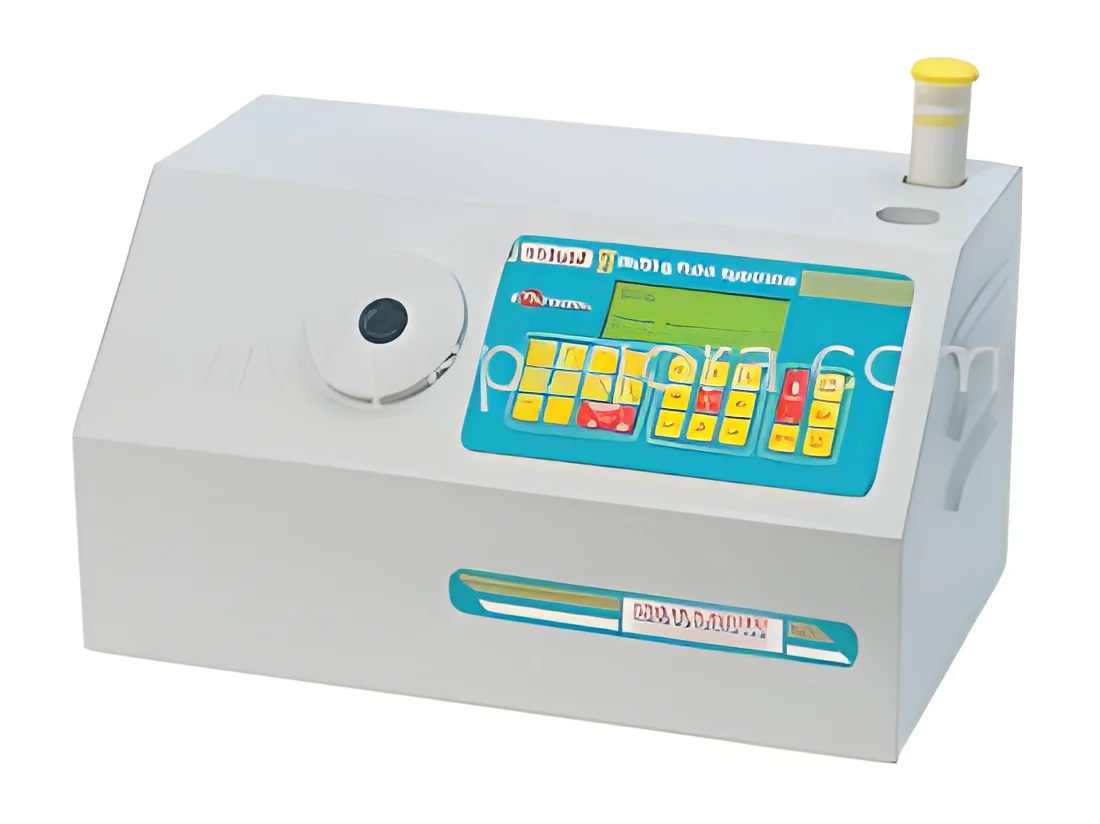
What are Thermoforming Packaging Machines?
Thermoforming packaging machines are specialized equipment designed to create packaging solutions from plastic materials. The process involves heating plastic sheets until they become pliable and then forming them into specific shapes using molds. This equipment is crucial for producing packaging items such as trays, clamshells, and blisters that are widely used across various industries.
These machines find primary applications in sectors like food packaging, pharmaceuticals, and consumer goods. They enable businesses to package products efficiently, ensuring protection and extending shelf life. By providing tailored packaging solutions, thermoforming machines help companies enhance their branding and meet the demands of their customers.
In the current market context, the demand for thermoforming packaging is increasing due to the growing emphasis on sustainable packaging solutions. Companies are seeking innovative ways to reduce waste while maintaining product integrity. This trend positions thermoforming machines as essential tools for businesses aiming to stay competitive and environmentally responsible.
Key Features and Specifications
Thermoforming packaging machines come equipped with various features that enhance their functionality and efficiency. Understanding these specifications can help businesses select the right machine for their needs.
Key specifications include:
1. Forming Area
- The size of the forming area determines the dimensions of the products that can be produced.
- Common ranges vary from small desktop models to large industrial machines suitable for high-volume production.
2. Cycle Time
- This specification indicates how quickly the machine can complete a thermoforming cycle.
- Typical cycle times can range from a few seconds to several minutes, depending on the complexity of the design.
3. Material Compatibility
- Thermoforming machines can work with various plastic materials, including PET, PVC, and polystyrene.
- Each material has specific processing temperatures and characteristics that must be considered.
4. Die Changeover
- The ease and speed with which a machine can switch between different molds or dies.
- Quick changeover capabilities can significantly reduce downtime and increase production flexibility.
5. Automation Level
- Machines can be fully automated, semi-automated, or manual, affecting labor requirements and production efficiency.
- Higher automation levels generally lead to increased output and reduced labor costs.
6. Energy Consumption
- Energy-efficient machines can lower operational costs and reduce environmental impact.
- Specifications often include energy ratings and expected kilowatt usage per cycle.
7. Safety Features
- Important safety features may include emergency stop buttons, safety guards, and automatic shut-off systems.
- Compliance with safety standards is crucial for protecting operators and minimizing risks.
8. Control System
- Modern machines often feature digital control systems for precise temperature and timing adjustments.
- User-friendly interfaces can enhance operator efficiency and reduce the learning curve.
In summary, selecting a thermoforming packaging machine requires careful consideration of these features and specifications to ensure it meets operational demands and quality standards.
Common Applications and Use Cases
Thermoforming packaging machines are versatile and used across various industries, making them vital for modern manufacturing processes.
1. Food Industry: In the food sector, these machines are commonly used to produce packaging for ready-to-eat meals, fresh produce, and snack foods. They help maintain product freshness and extend shelf life.
2. Pharmaceutical Industry: Thermoforming machines create blister packs and trays for tablets and capsules. This ensures product safety and compliance with strict regulatory standards.
3. Consumer Goods: Industries producing household items, electronics, and toys use thermoforming for packaging solutions that protect products during transport and display.
4. Automotive Sector: Thermoforming is employed to create packaging for automotive parts, ensuring they are securely packaged and protected from damage.
5. Medical Devices: The machines produce packaging for various medical devices, providing sterile and secure solutions that meet healthcare regulations.
6. Electronics: Thermoforming is used to create custom trays and packaging for electronic components, ensuring safe shipping and handling.
7. Cosmetics: The beauty industry utilizes thermoforming for packaging cosmetic products, allowing for attractive and functional designs that appeal to consumers.
Product Variants and Subcategories
Thermoforming packaging machines come in various designs to cater to different production needs. Each variant offers unique features suited for specific applications.
Automatic Thermoforming Machines: These machines are designed for high-volume production, integrating advanced automation features for efficiency. They typically offer fast cycle times and reduced labor costs.
Semi-Automatic Thermoforming Machines: Suitable for medium-scale operations, these machines require some manual intervention but offer flexibility in production. They are often used for smaller batches or custom jobs.
Custom Thermoforming Solutions: Some manufacturers provide machines tailored to specific client needs, allowing for unique designs and production capabilities. These custom solutions enhance operational efficiency and meet specialized demands.
Benefits and Advantages
Investing in thermoforming packaging machines yields several key benefits for businesses.
1. Cost Efficiency: These machines streamline the packaging process, reducing labor costs and material waste, leading to overall cost savings.
2. Customization: Businesses can create unique packaging designs that enhance product appeal and brand recognition, catering to specific market needs.
3. Speed and Efficiency: Thermoforming machines can produce large quantities of packaging in a short time, increasing productivity and meeting high demand.
4. Versatility: The ability to work with various materials allows companies to produce different types of packaging, accommodating a wide range of products.
5. Sustainability: Many thermoforming machines are designed to use recyclable materials, supporting companies' efforts to adopt eco-friendly practices.
6. Enhanced Product Protection: Thermoformed packaging provides a secure fit for products, reducing the risk of damage during transport and storage.
Buying Guide for B2B Buyers
When sourcing thermoforming packaging machines, it is essential for buyers to consider several critical factors to make informed purchasing decisions.
1. Quality Assessment: Evaluate the machine's build quality and reliability. Look for manufacturers that adhere to international quality standards to ensure durability and performance.
2. Supplier Verification: Vet suppliers by checking their reputation and customer feedback. A verified supplier network can provide assurance of quality and service.
3. Pricing and MOQ: Understand the price range for different models and the minimum order quantities. This helps in budgeting and ensuring the right fit for business needs.
4. Delivery and Lead Times: Discuss logistics with suppliers to understand delivery schedules and lead times. Timely delivery is crucial for maintaining production schedules.
5. Compliance Requirements: Ensure that the machines comply with relevant industry regulations and safety standards. This includes certifications like CE, which indicate adherence to safety and quality benchmarks.
Compliance and Certifications
Compliance and certifications are vital considerations when selecting thermoforming packaging machines. These machines should meet several quality standards to ensure safety and reliability.
ISO 9001 is a widely recognized standard that guarantees a consistent quality management system. This certification indicates that the manufacturer follows stringent quality assurance processes.
HACCP (Hazard Analysis Critical Control Point) is important for food packaging applications. Compliance with HACCP guidelines ensures that the packaging process minimizes risks related to food safety.
CE certification is essential for machines sold in European markets. It indicates that the equipment meets health, safety, and environmental protection standards.
Additionally, manufacturers should be aware of regional compliance considerations. This may include specific local regulations that govern packaging materials and processes.
Why Source Thermoforming Packaging Machines from Pepagora?
Pepagora offers a trusted platform for sourcing thermoforming packaging machines, providing numerous advantages for B2B buyers.
A verified supplier network ensures that all listed manufacturers meet high standards for quality and service. This allows buyers to make confident decisions based on supplier credibility.
The streamlined RFQ process simplifies the quotation experience. Buyers can quickly obtain competitive pricing from multiple suppliers, facilitating better purchasing decisions.
Trade assurance and support are integral to Pepagora's offerings. This ensures that buyers are protected throughout the transaction, providing peace of mind with each purchase.
Pepagora's regional coverage extends across India, the GCC, and Southeast Asia. This broad geographical reach connects buyers to suppliers that cater to their specific market needs, enhancing sourcing efficiency.

 IN
IN
 India
India