IN
IN₹
Apparel & Fashion
Description
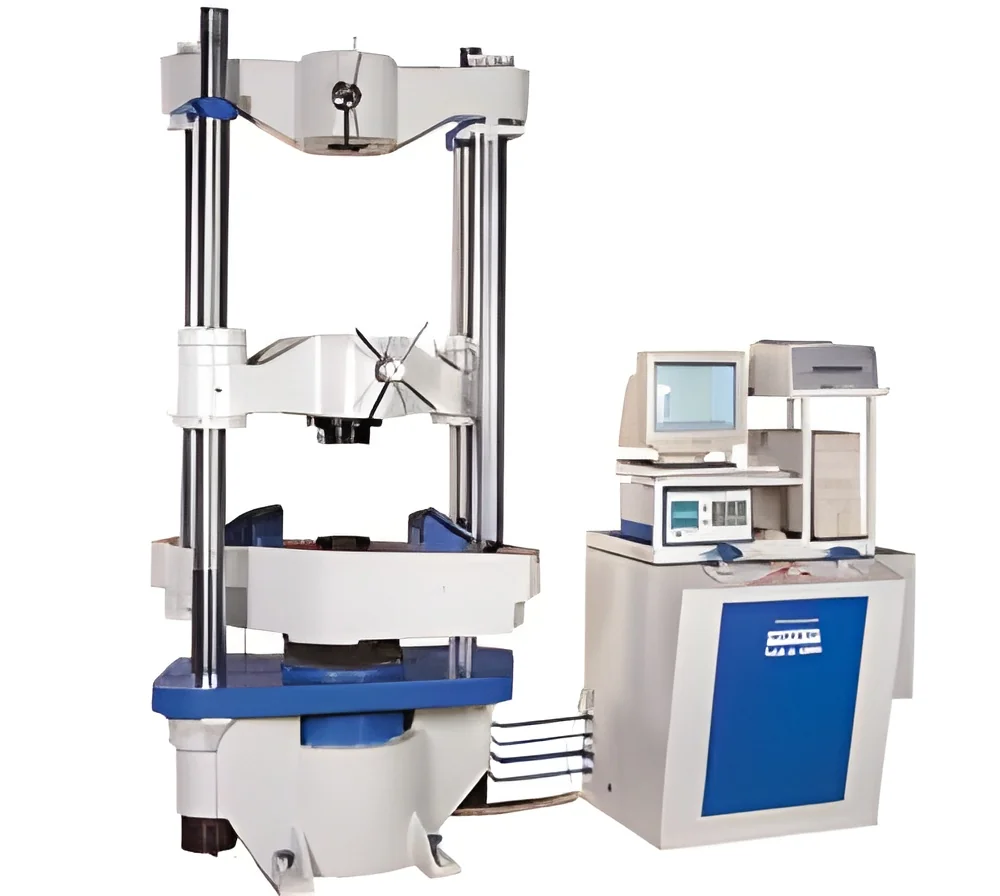
Bend testing is a critical quality control procedure used to determine the ductility, soundness, and toughness of metals, particularly those intended for forming processes like bending, stamping, or drawing. It involves bending a metal specimen—such as sheet, strip, plate, or wire—over a specified diameter mandrel to assess its ability to deform without cracking or breaking. This test is also vital for evaluating materials after welding or other treatments to ensure structural integrity and performance under stress. Common bend test types include free bend, guided bend, semi-guided bend, and wrap-around bend, each tailored to specific material requirements and industry standards. By simulating real-world bending conditions, this service helps manufacturers verify material properties, prevent failures, and ensure compliance with international quality benchmarks.

Bend testing is indispensable across numerous industries where metal reliability is paramount. In the automotive sector, it v...
Bend testing is a critical quality control procedure used to determine the ductility, soundness, and toughness of metals, particularly those intended for forming processes like bending, stamping, or drawing. It involves bending a metal specimen—such as sheet, strip, plate, or wire—over a specified diameter mandrel to assess its ability to deform without cracking or breaking. This test is also vital for evaluating materials after welding or other treatments to ensure structural integrity and performance under stress. Common bend test types include free bend, guided bend, semi-guided bend, and wrap-around bend, each tailored to specific material requirements and industry standards. By simulating real-world bending conditions, this service helps manufacturers verify material properties, prevent failures, and ensure compliance with international quality benchmarks.

Bend testing is indispensable across numerous industries where metal reliability is paramount. In the automotive sector, it validates components like chassis parts, brackets, and exhaust systems for durability and safety. Aerospace manufacturers use it to test materials for aircraft frames and engines, ensuring they meet rigorous toughness standards. The construction industry relies on bend testing for structural steel, rebar, and welded joints in buildings and bridges to guarantee integrity under load. Additionally, industries such as heavy machinery, appliance manufacturing, and electrical equipment production utilize this service to assess metals in products ranging from industrial machines to household appliances and wiring systems. This widespread application underscores its role in enhancing product quality, reducing risks, and supporting compliance with industry-specific regulations.

Investing in professional bend testing services delivers significant business value by minimizing production defects, reducing warranty claims, and enhancing customer trust. Our services stand out due to their reliability, accuracy, and adherence to global standards like ASTM and ISO, ensuring consistent and verifiable results. With a focus on precision and timely reporting, we help businesses make informed decisions, improve supply chain quality, and gain a competitive edge. By identifying material weaknesses early, companies can avoid costly recalls, optimize manufacturing processes, and demonstrate commitment to quality and safety, ultimately strengthening their market reputation and operational efficiency.

Key Features:
- Adherence to international standards including ASTM E190, E290, and ISO specifications.
- Testing for various bend types: free bend, guided bend, semi-guided bend, and wrap-around bend.
- Evaluation of multiple metal forms such as sheet, strip, plate, wire, and post-weld samples.
- Reliable testing parameters to suit specific material requirements and project needs.
- Detailed reporting with clear results on ductility, toughness, and soundness for compliance and quality assurance.

Benefits:
- Ensures material reliability and compliance with global quality standards.
- Helps prevent production defects and reduces the risk of material failures.
- Supports informed decision-making with accurate and timely test reports.
- Enhances product quality and safety across various industrial applications.
- Strengthens operational efficiency and customer trust through verified testing results.
Specifications
| Additional Information | |
|---|---|
| Country of Origin | India |
Application
Bend testing is crucial for assessing the ductility and structural integrity of metals before forming processes or after treatments like welding. It ensures materials meet required standards for flexibility and durability without cracking, which is vital for manufacturing safety and compliance. This service is widely used in quality control across metalworking industries to prevent failures and ensure product reliability.
Industries such as automotive, aerospace, construction, and heavy machinery rely on bend testing to validate material performance under stress. It helps manufacturers avoid costly defects, reduce waste, and maintain consistency in production. By identifying material weaknesses early, businesses can enhance product quality, meet regulatory requirements, and build trust with clients and end-users.
- Quality assurance in automotive component manufacturing to ensure parts like chassis and brackets withstand bending stresses.
- Verification of weld integrity in construction steelwork for buildings, bridges, and infrastructure projects.
- Testing aerospace materials for ductility and toughness to meet strict safety and performance standards.
- Evaluation of metal sheets and strips in appliance manufacturing to prevent failures during forming and assembly.
- Assessment of wire and cable products in electrical industries to ensure flexibility and durability during installation and use.
Trade Details
| Available Stock | In Stock |
| Sample Availability | No |
Payment Terms
| Payment Terms |
|
Company Profile
Chopde Engineering & Material Testing Services Pvt Ltd, Maharashtra
 Maharashtra, India
Maharashtra, IndiaConstruction
Factory Details
Factory SizeBelow 1000 sqm
Annual Production Capacity0
Main Markets
Domestic
Professional Metal Bend Testing Services For Ductility And Toughness
Professional metal bend testing services verify ductility, toughness, and soundness for sheet, strip, plate, wire, and welded materials, ensuring reliability and compliance with industry standards.
Min. Order Quantity: 1 unit
Shipping
Shipping fee and delivery date to be negotiated. Contact supplier now for more details.
Chopde Engineering & Material Testing Services Pvt Ltd
 Maharashtra, India
Maharashtra, IndiaConstruction