IN
₹
Apparel & Fashion
Description
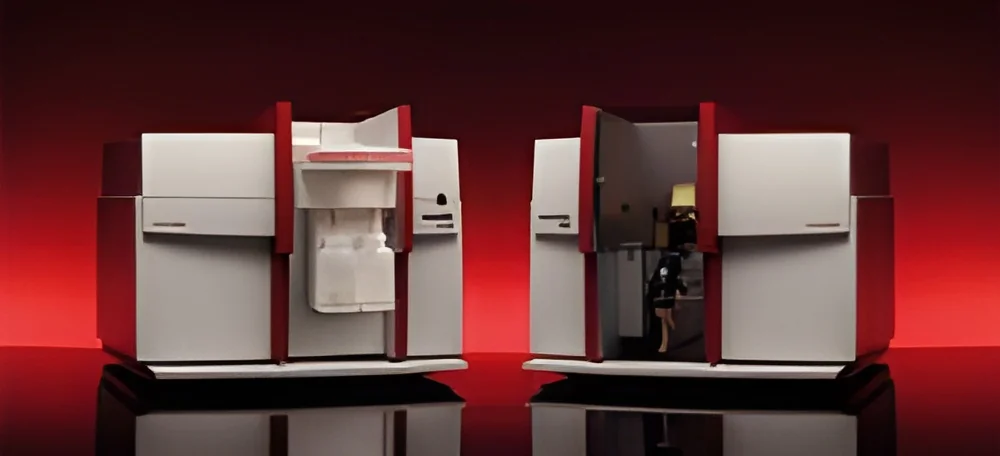
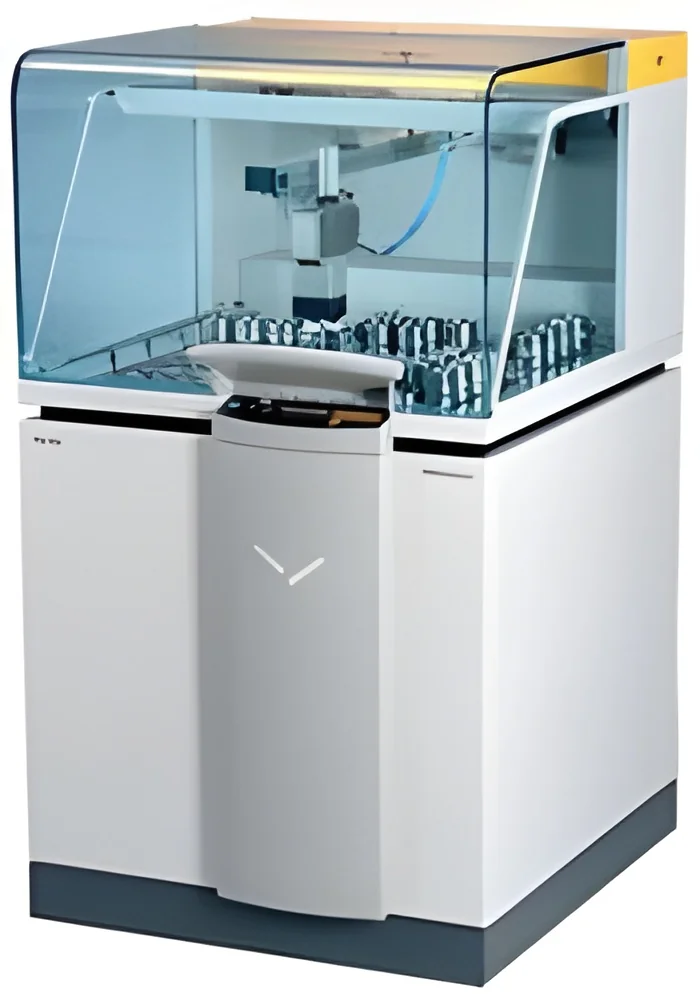
Industrial XRF Spectrometers utilize advanced X-ray fluorescence technology to deliver precise elemental analysis without damaging samples. When high-energy X-rays interact with materials, they generate unique fluorescent signatures that identify elements from magnesium to uranium. This sophisticated analytical method provides accurate composition data within seconds, making it invaluable for quality assurance, research, and compliance applications. The non-destructive nature of XRF testing preserves sample integrity while delivering reliable results that support critical industrial processes and decision-making.

These instruments serve essential roles across multiple industrial sectors, providing reliable elemental analysis where accuracy matters most. Mining and geological operations depend on XRF for rapid on-site ore grade analysis and mineral exploration. Metal manufacturing facilities utilize these spectrometers for alloy verification and quality control during production proces...
Industrial XRF Spectrometers utilize advanced X-ray fluorescence technology to deliver precise elemental analysis without damaging samples. When high-energy X-rays interact with materials, they generate unique fluorescent signatures that identify elements from magnesium to uranium. This sophisticated analytical method provides accurate composition data within seconds, making it invaluable for quality assurance, research, and compliance applications. The non-destructive nature of XRF testing preserves sample integrity while delivering reliable results that support critical industrial processes and decision-making.

These instruments serve essential roles across multiple industrial sectors, providing reliable elemental analysis where accuracy matters most. Mining and geological operations depend on XRF for rapid on-site ore grade analysis and mineral exploration. Metal manufacturing facilities utilize these spectrometers for alloy verification and quality control during production processes. The petroleum industry relies on XRF for sulfur content analysis in fuels to meet regulatory standards, while environmental agencies employ them for soil and water contamination testing. Electronics manufacturers use XRF technology for compliance verification, and recycling operations benefit from material sorting and identification capabilities.

The business value of Industrial XRF Spectrometers lies in their ability to deliver immediate, accurate results that enhance operational efficiency while reducing costs. These instruments eliminate the need for external laboratory testing, saving significant time and resources while providing real-time data for process optimization. Their non-destructive testing approach preserves valuable materials that would otherwise be consumed during analysis, reducing material waste and maintaining production continuity. With minimal sample preparation requirements and user-friendly operation, XRF systems offer rapid return on investment through improved quality control, enhanced regulatory compliance, and reduced operational expenses. Their proven reliability in both controlled laboratory environments and demanding field conditions ensures consistent performance across diverse industrial applications.

Key Features:
- Non-destructive testing preserves sample integrity
- Rapid analysis with results within seconds
- Wide elemental detection range
- Portable and benchtop configurations available
- Minimal sample preparation required

Benefits:
- Preserves valuable samples for reuse
- Enables quick decision-making with fast results
- Comprehensive elemental analysis capability
- Flexible deployment across various environments
- Reduces testing time and operational costs
Specifications
| Additional Information | |
|---|---|
| Country of Origin | India |
Application
Industrial XRF spectrometers provide fast, accurate elemental analysis without damaging samples, making them ideal for quality control and material verification in demanding environments. These instruments deliver immediate results for critical decision-making while maintaining sample integrity throughout the testing process.
These analytical tools serve multiple sectors including metal fabrication, mining operations, petroleum refining, environmental monitoring, and electronics manufacturing. Their robust design ensures reliable performance in both laboratory settings and challenging field conditions, providing consistent results wherever precise material analysis is required.
- Quality control and alloy verification in metal manufacturing facilities
- Mineral exploration and ore grade analysis for mining operations
- RoHS compliance testing for electronics production
- Petroleum and fuel analysis for contaminant detection
- Environmental soil testing for heavy metal contamination monitoring
Trade Details
| Available Stock | In Stock |
| Sample Availability | No |
Payment Terms
| Payment Terms |
|
Company Profile
Arihant Electroplaters, Maharashtra
 Maharashtra, India
Factory Details
Factory SizeBelow 1000 sqm
Annual Production Capacity0
Industrial XRF Spectrometer For Elemental Analysis And Material Verification
Industrial XRF Spectrometer delivers precise non-destructive elemental analysis for material verification and quality control across mining, manufacturing, and recycling industries with reliable performance.
Min. Order Quantity: 1 unit
Shipping
Shipping fee and delivery date to be negotiated. Contact supplier now for more details.
Arihant Electroplaters
 Maharashtra, India