
 IN
Servo Drives & Motors
34 products available
What are Servo Drives & Motors?
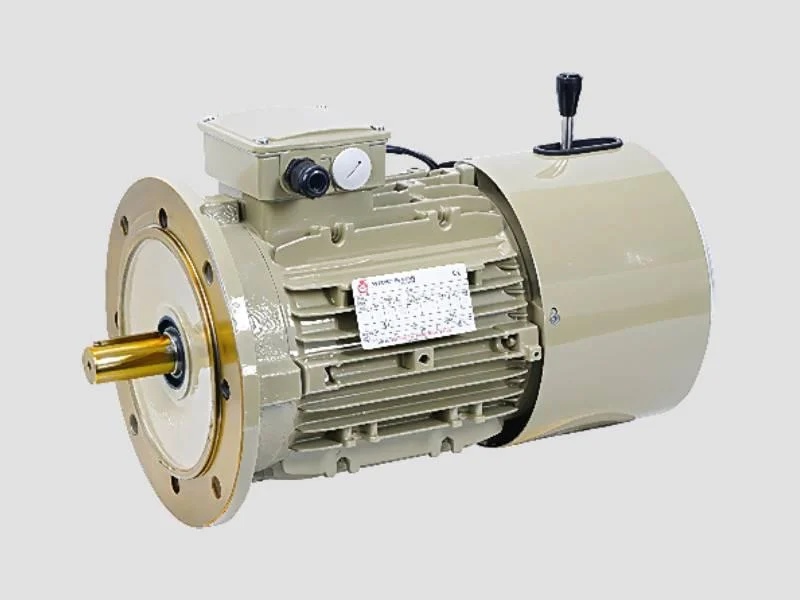
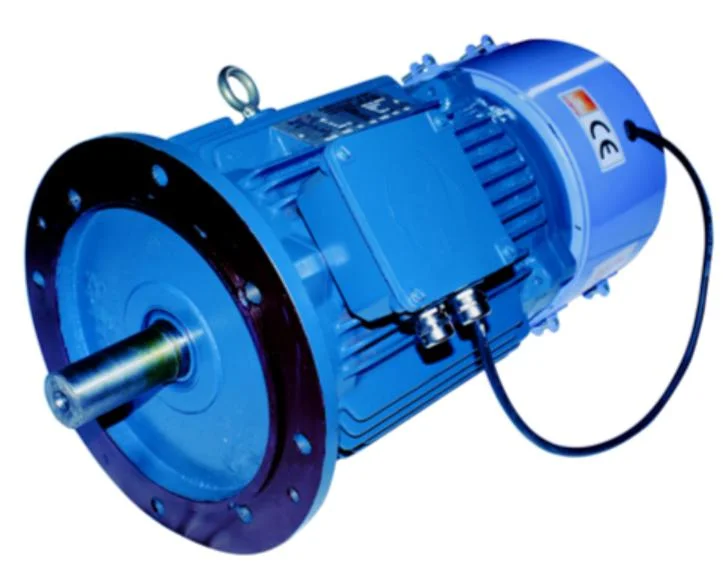
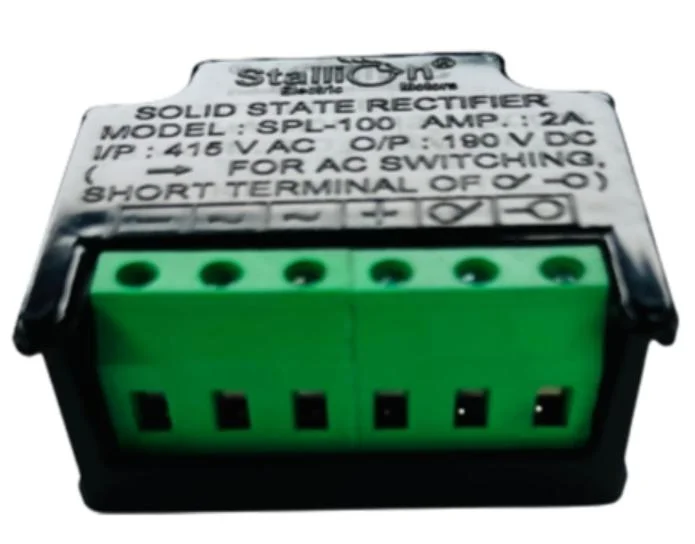
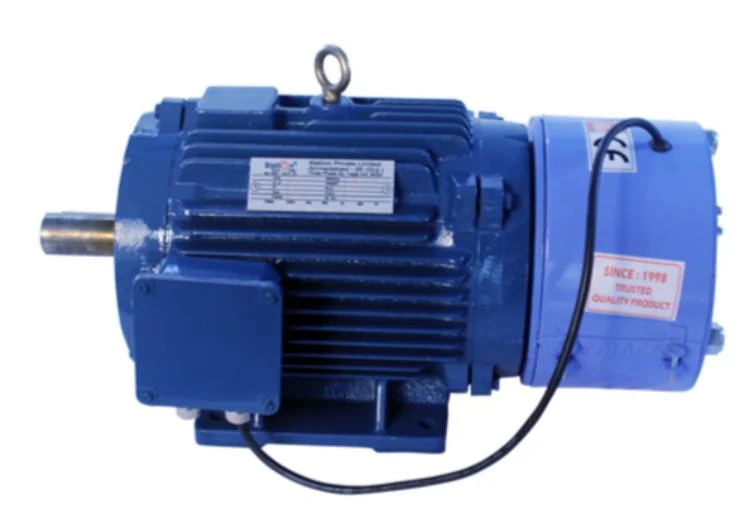
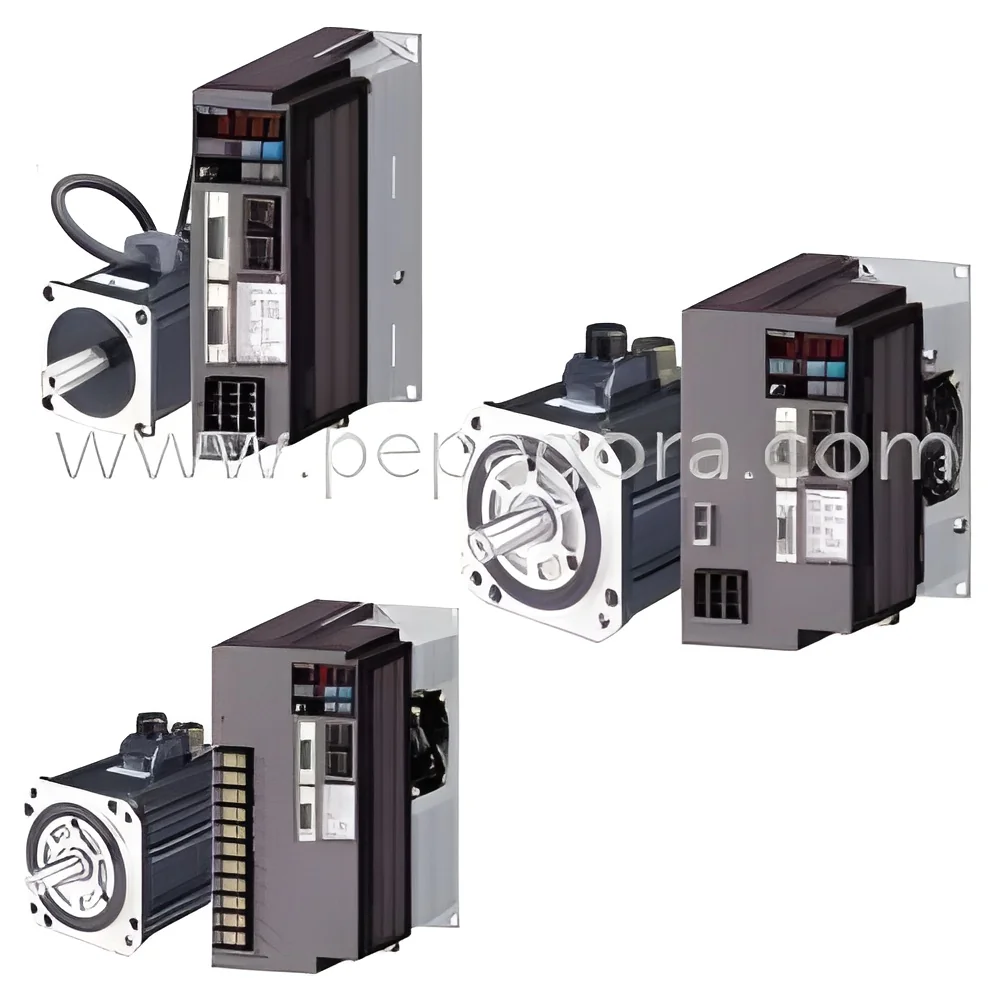
Servo drives and motors are essential components in modern automation systems. These devices are designed to control the motion of machinery with precision and efficiency. Servo drives receive commands from a controller and adjust the motor's position, speed, and torque accordingly. The synergy between servo drives and motors allows for smooth operation in various applications, ranging from simple to complex industrial tasks.
In business, servo drives and motors are primarily used in manufacturing, robotics, and process control. They play a critical role in applications that require high accuracy and repeatability, such as CNC machines, packaging equipment, and conveyor systems. As industries continue to evolve, the demand for servo technology is increasing. This is driven by the need for automation and improved productivity, making servo drives and motors a vital part of industrial operations.
Key Features and Specifications
Servo drives and motors come with a range of features that enhance their performance and suitability for different applications. Understanding these specifications is crucial when selecting the right components for your needs.
Key specifications include:
1. Torque Rating
- Indicates the maximum torque the motor can produce.
- Measured in Newton-meters (Nm) or pound-feet (lb-ft).
2. Speed Range
- Specifies the operational speed range of the motor.
- Typically measured in revolutions per minute (RPM).
3. Voltage Rating
- Indicates the voltage required for operation.
- Common ratings include 24V, 48V, and 400V.
4. Feedback Type
- Refers to the type of feedback device used (e.g., encoders, resolvers).
- Helps in providing precise position and speed control.
5. Control Method
- Describes how the motor is controlled (open-loop, closed-loop).
- Closed-loop systems provide better accuracy and performance.
6. Size and Weight
- Dimensions and weight of the motor affect installation and integration.
- Smaller motors are suitable for compact applications.
7. Operating Temperature Range
- Specifies the temperature range in which the motor can operate efficiently.
- Typical ranges are from -20°C to +60°C.
8. Protection Class
- Indicates the degree of protection against dust and water.
- Common classes include IP20, IP54, and IP67.
These specifications help businesses make informed decisions based on their specific operational requirements.
Common Applications and Use Cases
Servo drives and motors are utilized across various industries, each with unique applications that benefit from their precision and reliability.
1. Manufacturing: Servo motors are widely used in CNC machining and robotic arms for precise control and automation, improving production efficiency.
2. Packaging: In packaging lines, servo drives control the speed and position of conveyors and packaging machines, ensuring accurate filling and sealing.
3. Automotive: Servo technology is found in assembly lines for tasks like welding and painting, where precision and repeatability are critical.
4. Food and Beverage: Servo motors control mixers, fillers, and labelers, enhancing productivity and maintaining high hygiene standards.
5. Aerospace: In aerospace manufacturing, servo drives are used for testing equipment and in assembly processes that require high precision.
6. Medical Devices: Servo motors ensure accurate movements in medical equipment, such as robotic surgical systems and diagnostic machines.
7. Textile Industry: In textile manufacturing, servo drives are used in weaving and knitting machines for precise control of speed and tension.
Product Variants and Subcategories
Servo drives and motors come in various forms to cater to different industrial needs. Each variant offers unique features suitable for specific applications.
AC Servo Motors
These motors utilize alternating current and are known for their high efficiency and performance. They are ideal for applications requiring high-speed and high-torque capabilities.
DC Servo Motors
DC motors are generally simpler and easier to control, making them suitable for lower-speed applications. They are often used in small machinery and robotics.
Integrated Servo Motors
These motors combine the motor and drive into a single unit, simplifying installation and reducing space requirements. They are commonly used in compact machinery.
Stepper Motors
Although not traditional servo motors, stepper motors provide precise control of position and are often used in applications requiring incremental movement.
Benefits and Advantages
Choosing servo drives and motors offers numerous benefits that enhance operational efficiency and productivity.
1. Precision Control: Servo systems provide accurate position and speed control, ensuring high-quality output in manufacturing processes.
2. Energy Efficiency: Servo motors consume less energy compared to traditional motors, leading to lower operational costs.
3. High Performance: These motors can achieve high speeds and rapid acceleration, making them ideal for dynamic applications.
4. Versatility: Servo drives and motors can be used in a wide range of applications across various industries, providing flexibility for manufacturers.
5. Reduced Maintenance: The advanced technology in servo systems often leads to lower wear and tear, resulting in less frequent maintenance.
6. Feedback Mechanisms: The inclusion of feedback devices enhances control accuracy and helps in real-time adjustments during operation.
Buying Guide for B2B Buyers
When sourcing servo drives and motors, it is essential to consider several factors to ensure you make the right choice for your business needs.
1. Quality Assessment: Evaluate the quality of the servo drives and motors based on performance metrics, durability, and brand reputation. Look for products that meet industry standards.
2. Supplier Verification: Conduct thorough vetting of suppliers to ensure they are reliable and have a good track record. Check for certifications and customer reviews.
3. Pricing and MOQ: Understand the pricing structure and minimum order quantities (MOQ) that suppliers offer. This helps in budgeting and planning for your purchasing needs.
4. Delivery and Lead Times: Discuss delivery schedules and lead times with suppliers to ensure timely availability of products for your operations.
5. Compliance Requirements: Ensure that the products meet relevant regulatory and safety standards for your industry. This includes certifications such as CE and adherence to quality standards.
Compliance and Certifications
Compliance and certifications are critical aspects of servo drives and motors, ensuring they meet industry standards for quality and safety.
ISO 9001 is a quality management standard that ensures products are consistently produced to meet customer requirements. Adherence to this standard is crucial for manufacturers in ensuring the reliability of their servo systems.
CE certification indicates that the products comply with European health, safety, and environmental protection standards. This certification is essential for businesses looking to operate in European markets.
Safety and testing requirements must be met to ensure the safe operation of servo drives and motors. This includes rigorous testing for performance, durability, and compliance with electrical safety standards.
Regional compliance considerations may vary depending on the geographical market. It is essential for buyers to familiarize themselves with local regulations to ensure their products are compliant.
Why Source Servo Drives & Motors from Pepagora?
Pepagora offers a trusted platform for sourcing servo drives and motors, providing several key advantages for B2B buyers.
Verified Supplier Network: Pepagora connects buyers with a network of verified suppliers, ensuring that they access high-quality products from reputable manufacturers.
Streamlined RFQ Process: The platform features a streamlined Request For Quotation (RFQ) process, making it easy for buyers to obtain competitive quotes from multiple suppliers quickly.
Trade Assurance and Support: Pepagora provides trade assurance to protect buyers during transactions, ensuring that they receive their products as promised.
Regional Coverage: With a strong presence in India, GCC, and Southeast Asia, Pepagora offers broad geographic reach, making it easier for businesses in these regions to find suitable suppliers for their servo drive and motor needs.

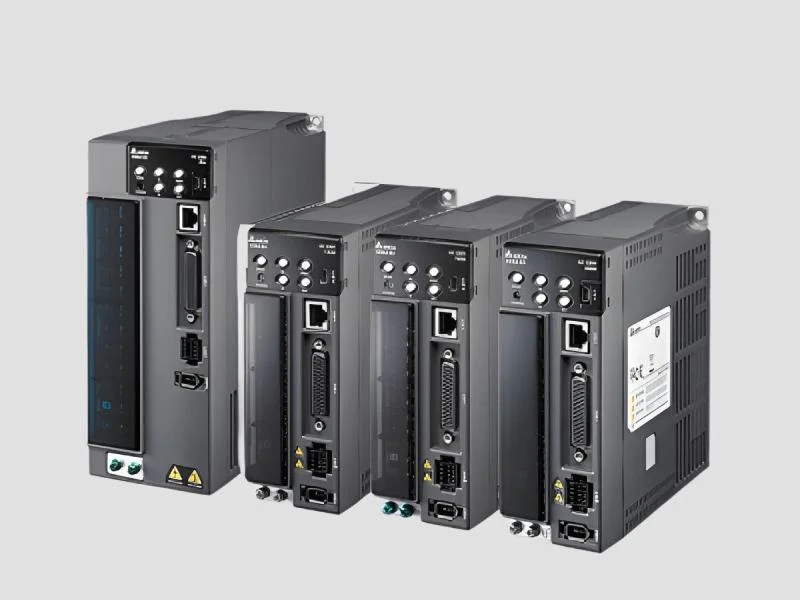
 India
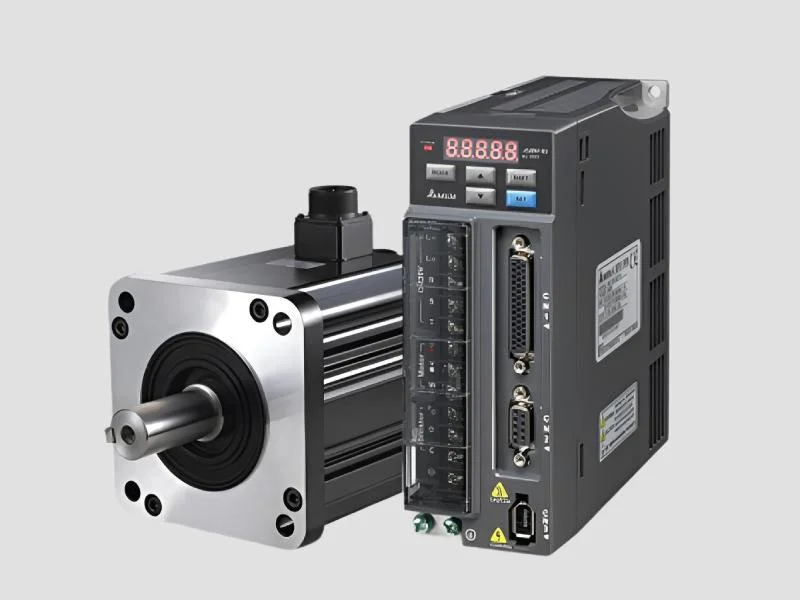
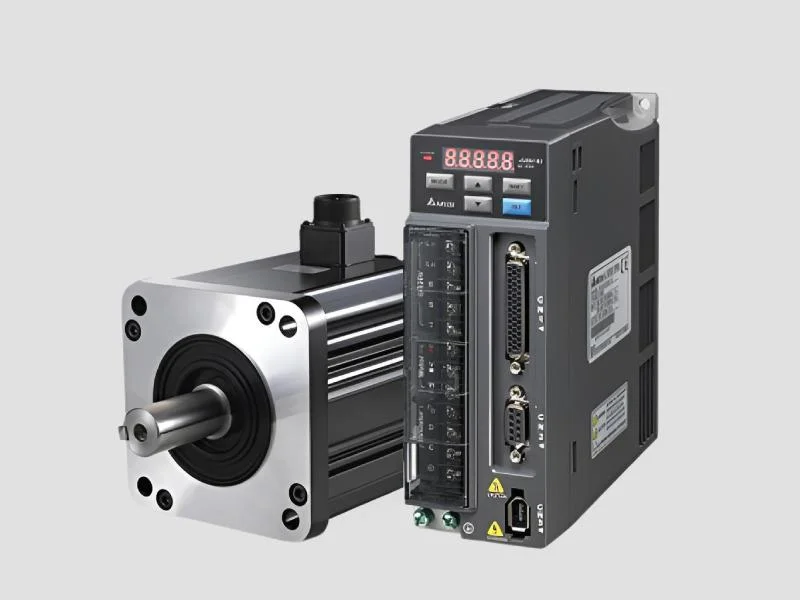

 India
 India

 India
 India
 India
 India

 India
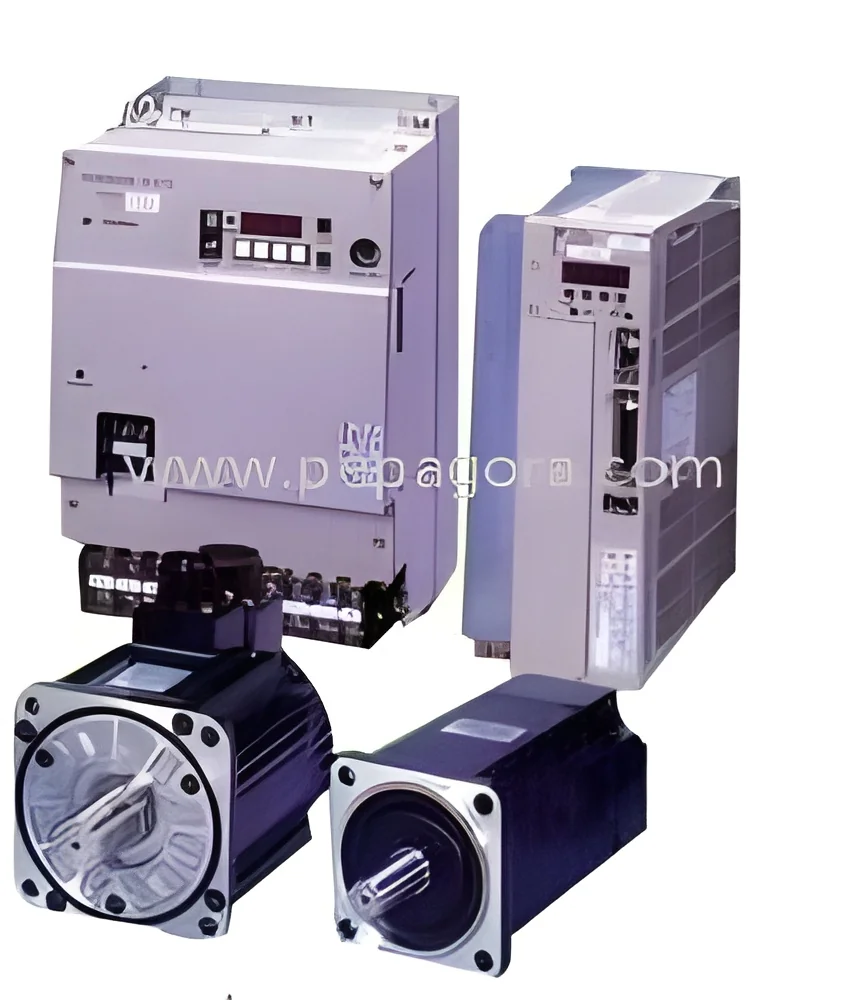
 India
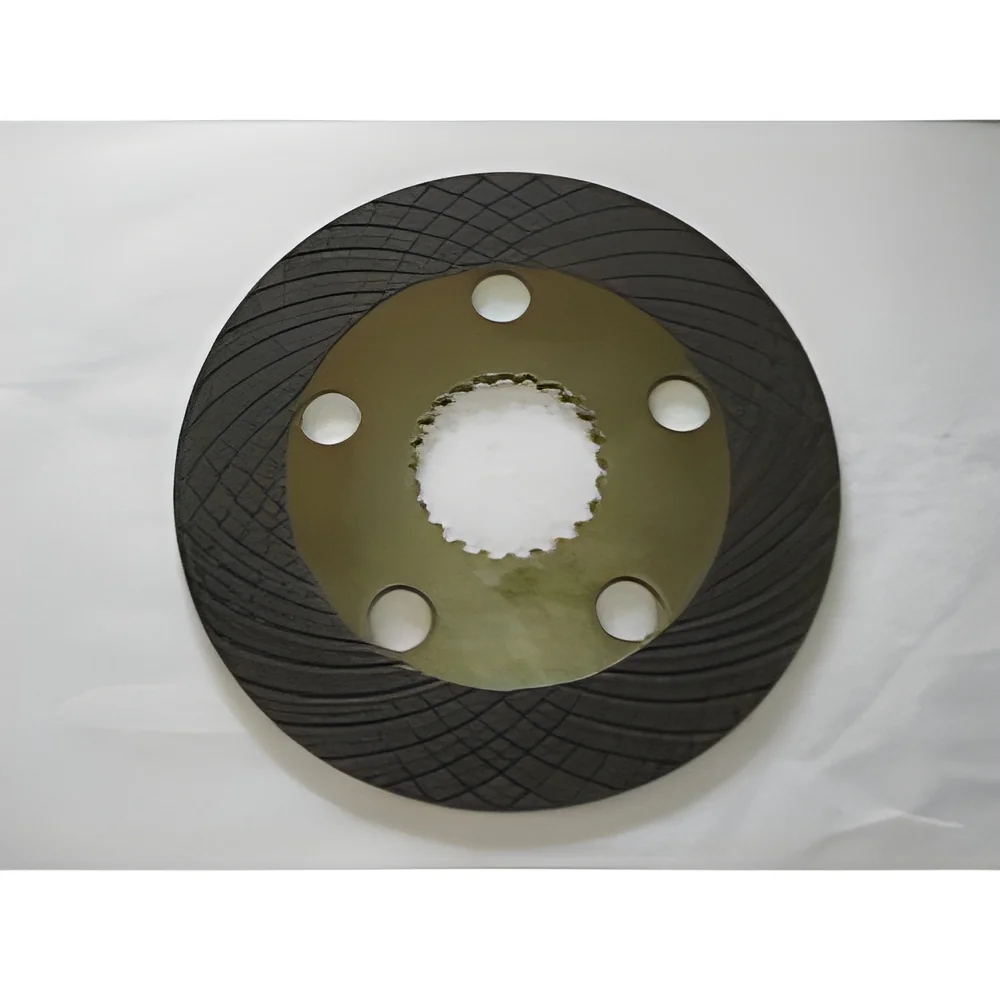
 India
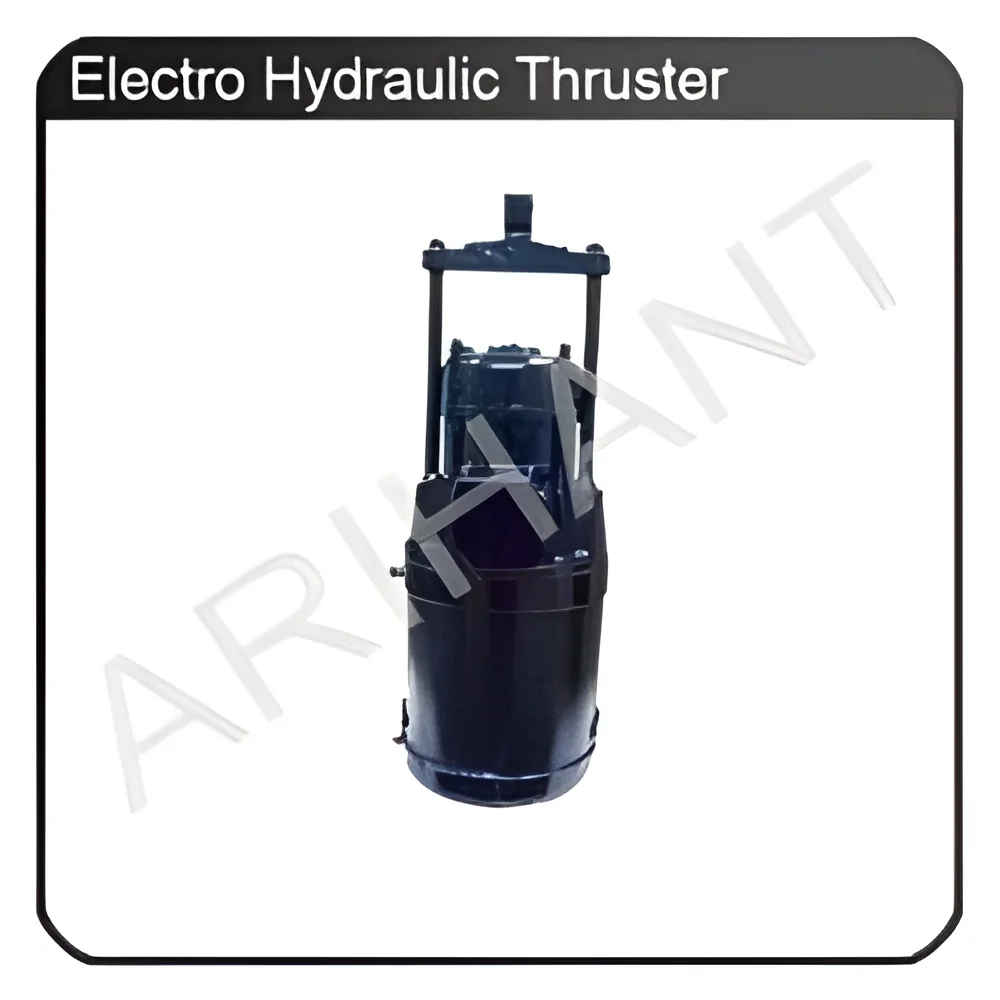
 India
 India
Frequently Asked Questions
What are Servo Drives & Motors?
Servo Drives & Motors are integral components in automation systems, used to control the movement and position of machinery with precision. They work by converting electrical signals into mechanical motion, enabling tasks such as speed control, torque regulation, and positioning.
What are the different types of Servo Drives & Motors?
There are mainly two types of Servo Motors: AC and DC Servo Motors. AC Servo Motors are commonly used for high-speed applications, while DC Servo Motors are preferred for applications requiring precise control and torque. Each type can be further classified into synchronous and asynchronous motors.
How do I choose the right Servo Drives & Motors?
Selecting the right Servo Drives & Motors depends on several factors, including the application requirements, load characteristics, and control systems. Consider aspects such as torque, speed, and efficiency, as well as compatibility with existing systems to ensure optimal performance.
What are the standard specifications for Servo Drives & Motors?
Standard specifications for Servo Drives & Motors include parameters such as voltage rating, current rating, power output, torque, speed, and feedback mechanisms. These specifications are critical for ensuring the motors will perform as expected in specific applications.
What is the price range for Servo Drives & Motors?
The price range for Servo Drives & Motors can vary significantly based on specifications and manufacturer. Generally, prices can start from around INR 5,000 and can go up to INR 1,00,000 or more for high-performance models, depending on the complexity and features required.
What quality standards apply to Servo Drives & Motors?
Servo Drives & Motors must comply with various quality standards such as ISO 9001 for quality management systems, and IEC standards for electrical equipment. These standards ensure reliability, safety, and performance consistency in industrial applications.
Where can I find Servo Drives & Motors suppliers in India?
You can find Servo Drives & Motors suppliers in India through online B2B marketplaces like Pepagora.com, industry trade shows, or directories of manufacturers. It's advisable to compare suppliers based on their product range, customer reviews, and certifications.
Can Servo Drives & Motors be customized?
Yes, many manufacturers offer customization options for Servo Drives & Motors to meet specific application needs. Customization may include adjustments in size, power output, or additional features like encoders and feedback systems.
What is the typical minimum order quantity for Servo Drives & Motors?
The typical minimum order quantity (MOQ) for Servo Drives & Motors varies by supplier and product specifications. Generally, MOQs can range from 1 unit for standard models to larger quantities for customized or bulk orders.
What is the typical lead time for Servo Drives & Motors?
The typical lead time for Servo Drives & Motors can range from 2 to 6 weeks, depending on the supplier, stock availability, and customization requirements. It's advisable to confirm lead times with suppliers during the ordering process to ensure timely delivery.
Why Businesses Trust Pepagora
Thousands of companies trust Pepagora to source smarter and sell faster
Expand Your Sales Globally

Source Smarter,Grow Faster
