IN
IN₹
Apparel & Fashion
Description
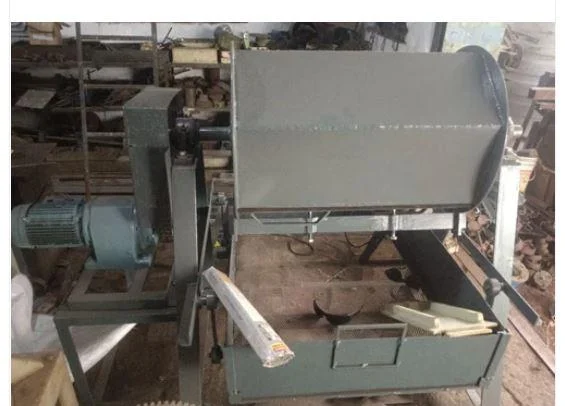
Industrial rolling machines represent essential equipment in metal fabrication, transforming raw materials into precisely shaped components through controlled deformation processes. These machines apply calculated pressure to metal workpieces as they pass between rotating rollers, gradually forming them into desired profiles, curves, or cylindrical shapes. The process maintains material integrity while achieving consistent dimensional accuracy across production batches. Modern rolling equipment incorporates advanced control systems that allow operators to fine-tune parameters for different metals and thicknesses, ensuring optimal results whether working with steel, aluminum, copper, or specialized alloys. The machinery's robust construction withstands continuous operation in demanding manufacturing environments while delivering reliable performance shift after shift.

Multiple industries depend on rolling technology for their core manufacturing processes. Metal fabrication shops utiliz...
Industrial rolling machines represent essential equipment in metal fabrication, transforming raw materials into precisely shaped components through controlled deformation processes. These machines apply calculated pressure to metal workpieces as they pass between rotating rollers, gradually forming them into desired profiles, curves, or cylindrical shapes. The process maintains material integrity while achieving consistent dimensional accuracy across production batches. Modern rolling equipment incorporates advanced control systems that allow operators to fine-tune parameters for different metals and thicknesses, ensuring optimal results whether working with steel, aluminum, copper, or specialized alloys. The machinery's robust construction withstands continuous operation in demanding manufacturing environments while delivering reliable performance shift after shift.

Multiple industries depend on rolling technology for their core manufacturing processes. Metal fabrication shops utilize these machines to create structural components for building construction, including beams, columns, and support frameworks. Automotive manufacturers employ rolling equipment to form chassis elements, suspension parts, and body reinforcements with precise curvature specifications. Industrial equipment producers rely on rolling machines to manufacture conveyor rollers, machinery housings, and processing system components. The construction sector sources rolled metal products for roofing systems, wall cladding, and structural elements that require specific profiles. Energy companies use rolled components in storage tank construction, pipeline systems, and pressure vessel manufacturing where consistent wall thickness is critical.

Businesses investing in quality rolling machinery gain significant operational advantages through improved production efficiency and reduced material waste. The precision engineering of these machines ensures consistent output that meets strict quality standards, minimizing rework and rejected components. Their durable construction translates to extended service life with minimal maintenance requirements, protecting your capital investment over years of operation. The equipment's versatility allows manufacturers to handle diverse projects without requiring multiple specialized machines, maximizing utilization rates. Reliability in heavy-duty applications means fewer production interruptions and consistent throughput to meet delivery schedules. These factors combine to deliver strong return on investment through enhanced productivity and reduced operational costs.

Key Features:
- Heavy-duty construction with reinforced frames for industrial durability
- Precision roller alignment systems ensuring consistent forming accuracy
- Adjustable pressure controls for different material types and thicknesses
- Smooth operation mechanisms reducing vibration and material stress
- Safety interlocks and emergency stop systems protecting operators

Benefits:
- Increases production efficiency through faster forming cycles
- Reduces material waste with precise control over deformation
- Lowers operational costs with minimal maintenance requirements
- Enhances product quality through consistent dimensional accuracy
- Improves workplace safety with integrated protection systems
Specifications
| Additional Information | |
|---|---|
| Country of Origin | India |
Application
This industrial rolling machine transforms metal sheets, bars, and plates into precise shapes and profiles through controlled pressure and rotation. Its robust construction handles various metals including steel, aluminum, and alloys with consistent accuracy across production runs. The machine's adjustable settings accommodate different material thicknesses and desired outcomes while maintaining operational safety.
Manufacturers rely on this equipment for creating uniform components that meet strict dimensional tolerances. The rolling process reduces material waste compared to alternative forming methods while increasing production throughput. Operators appreciate the intuitive controls that minimize training time and the low-maintenance design that maximizes uptime in demanding industrial environments.
Real-world applications:
- Forming structural steel beams and channels for construction frameworks
- Shaping automotive chassis components and reinforcement parts
- Creating cylindrical storage tanks and pressure vessel sections
- Producing metal roofing panels and architectural cladding profiles
- Manufacturing conveyor system rollers and industrial machinery parts
Trade Details
| Available Stock | In Stock |
| Sample Availability | No |
Payment Terms
| Payment Terms |
|
| Payment Methods |
|
Company Profile

Pearl Electroplating Equipments, Tamil Nadu
 Tamil Nadu, India
Tamil Nadu, IndiaIndustrial Equipment & Machinery•Manufacturer
Factory Details
Factory SizeBelow 1000 sqm
Industrial Rolling Machine For Metal Forming With Precision Shaping
Rolling Machine for industrial metal forming and manufacturing applications delivers precision shaping, durable construction, and reliable performance for efficient metal processing in heavy-duty operations.
Min. Order Quantity: 1 piece
Shipping
Shipping fee and delivery date to be negotiated. Contact supplier now for more details.
Pearl Electroplating Equipments
 Tamil Nadu, India
Tamil Nadu, IndiaIndustrial Equipment & MachineryManufacturer