IN
IN₹
Apparel & Fashion
Description
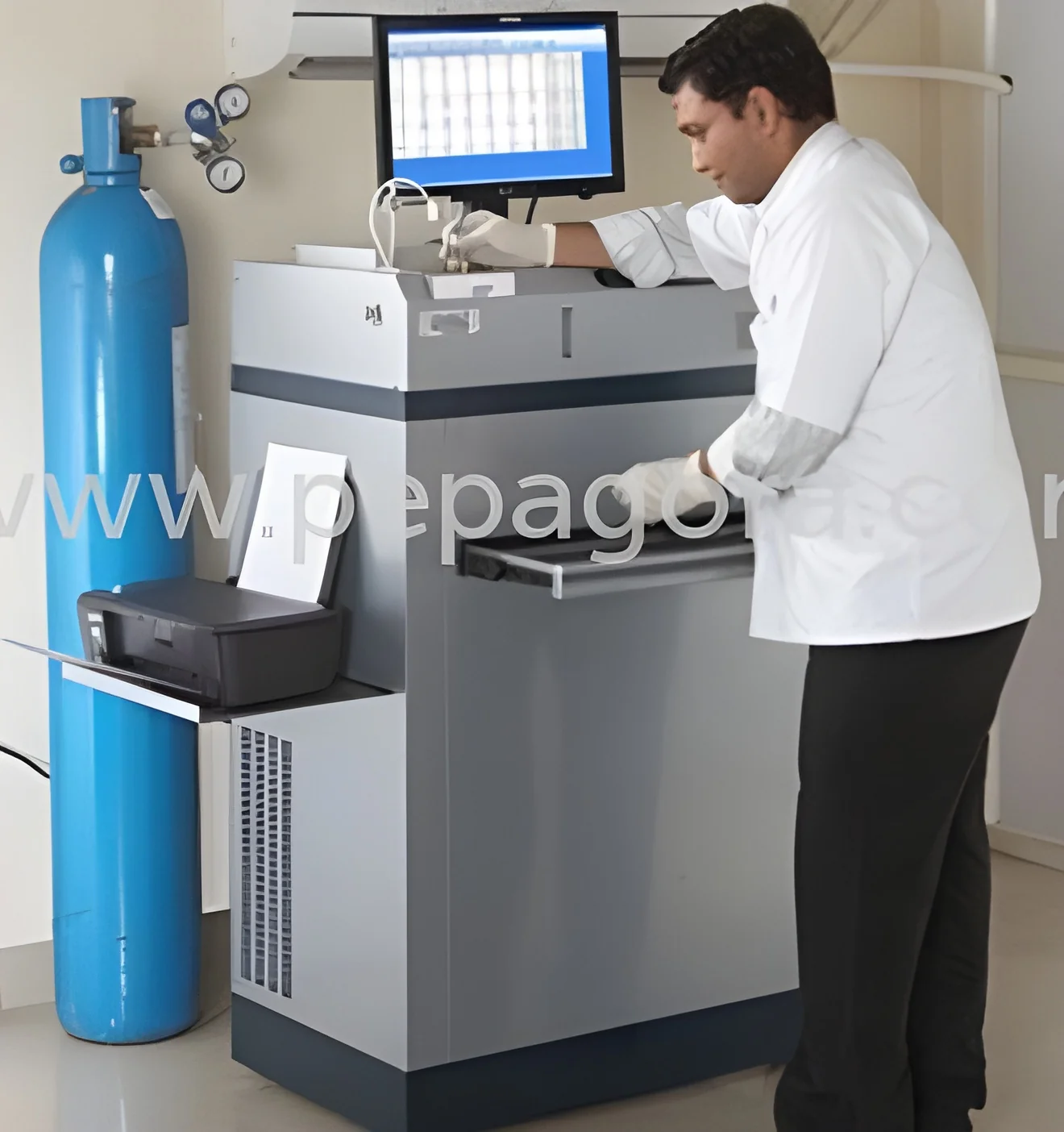
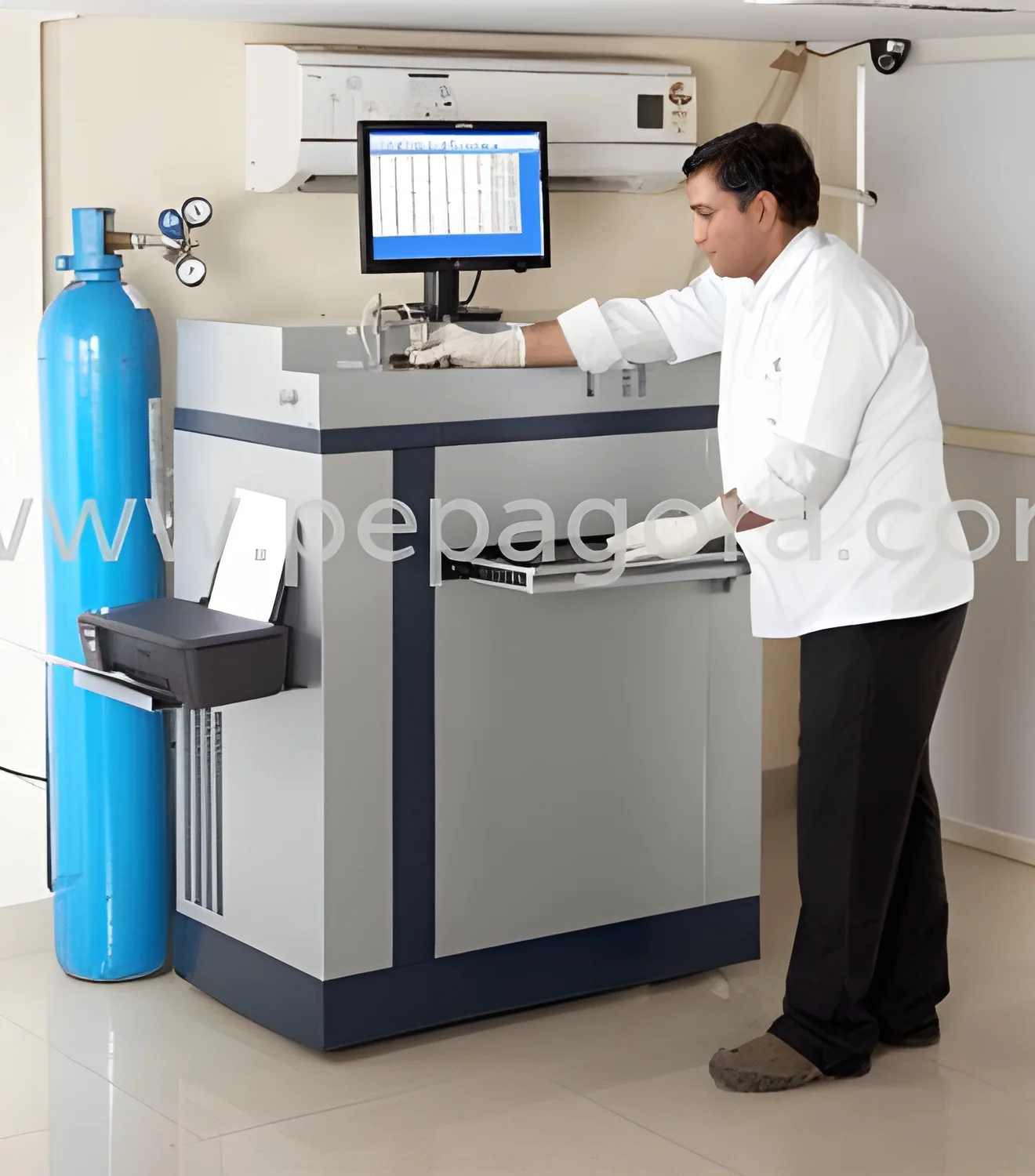
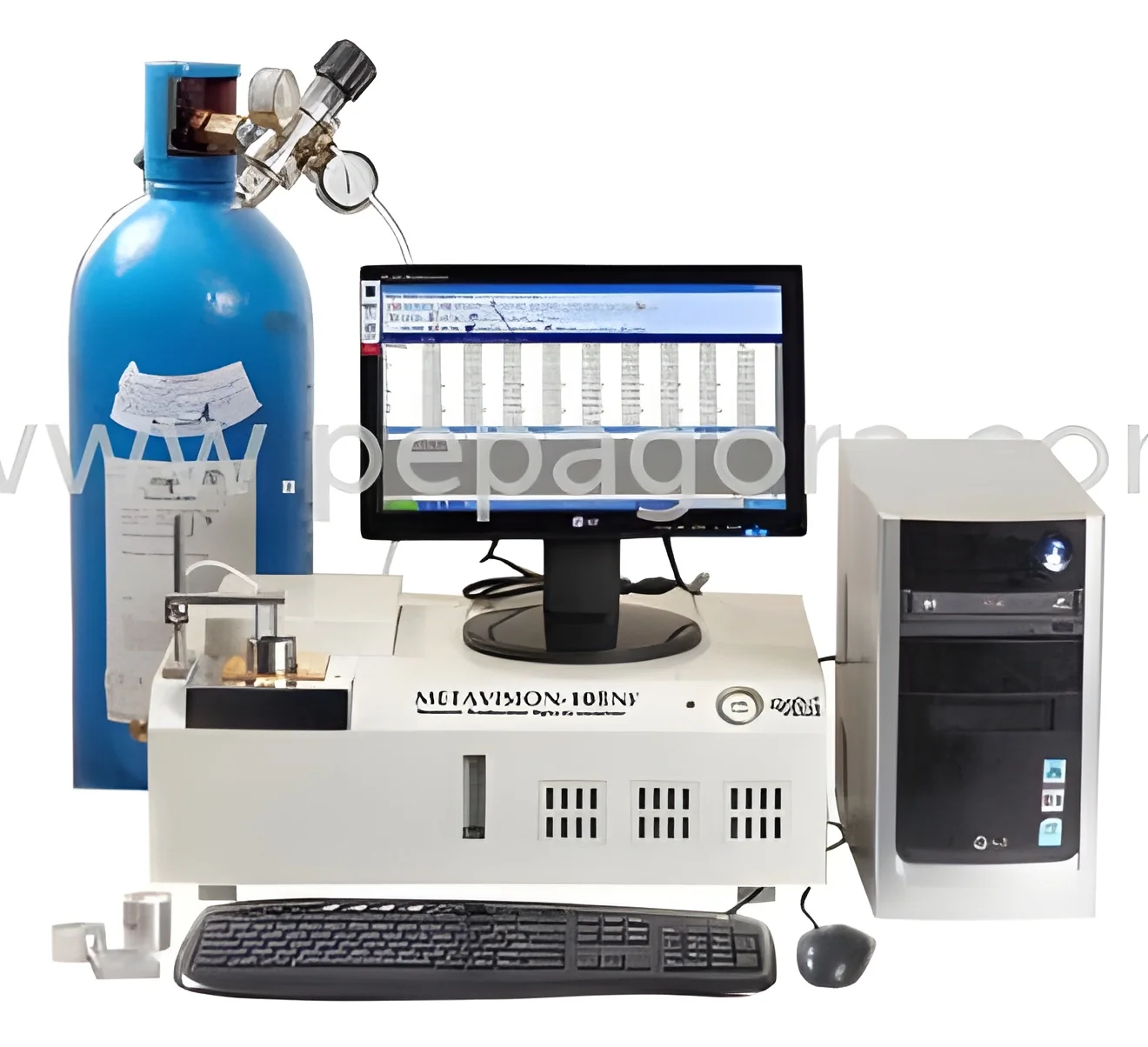
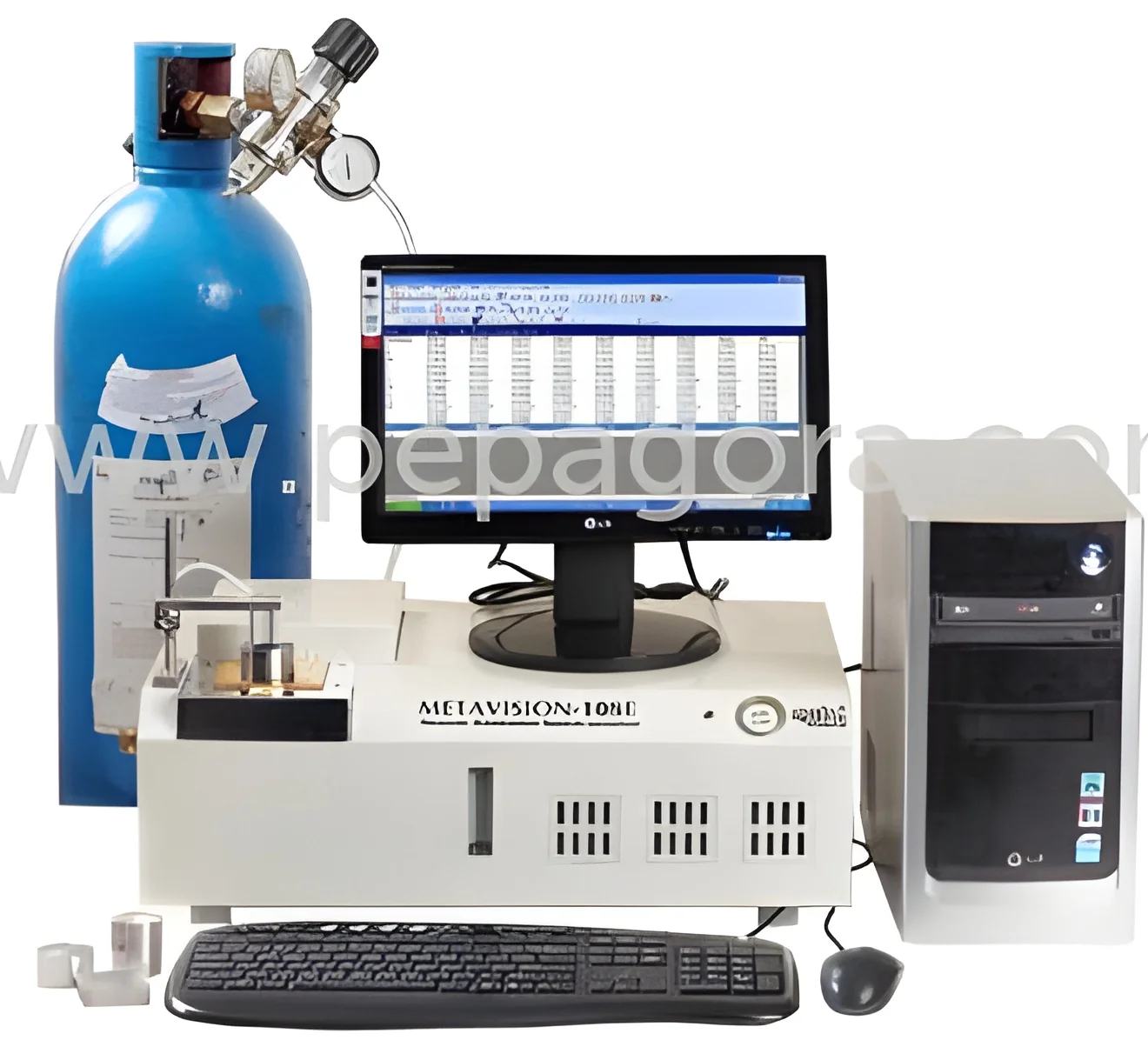
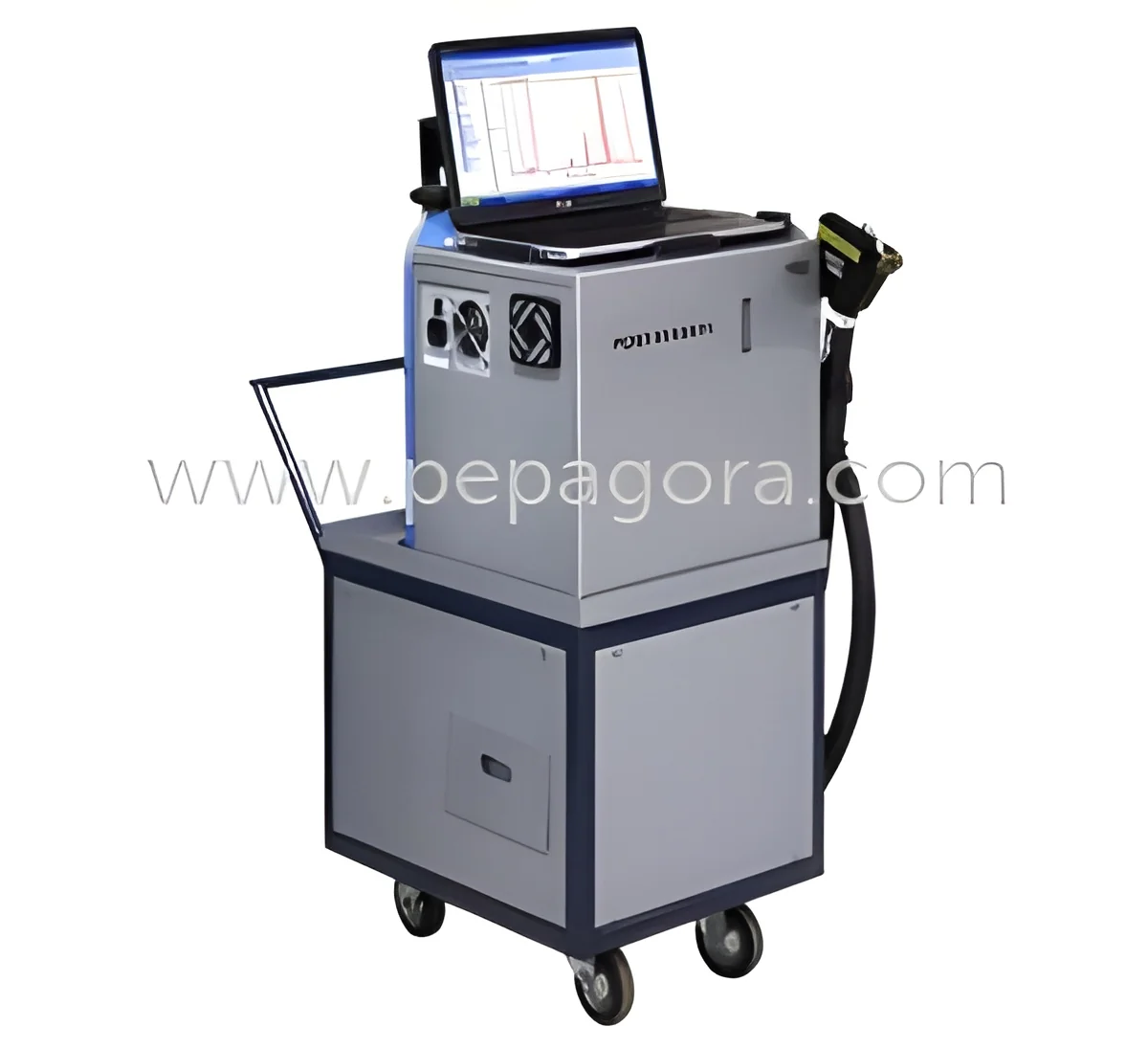
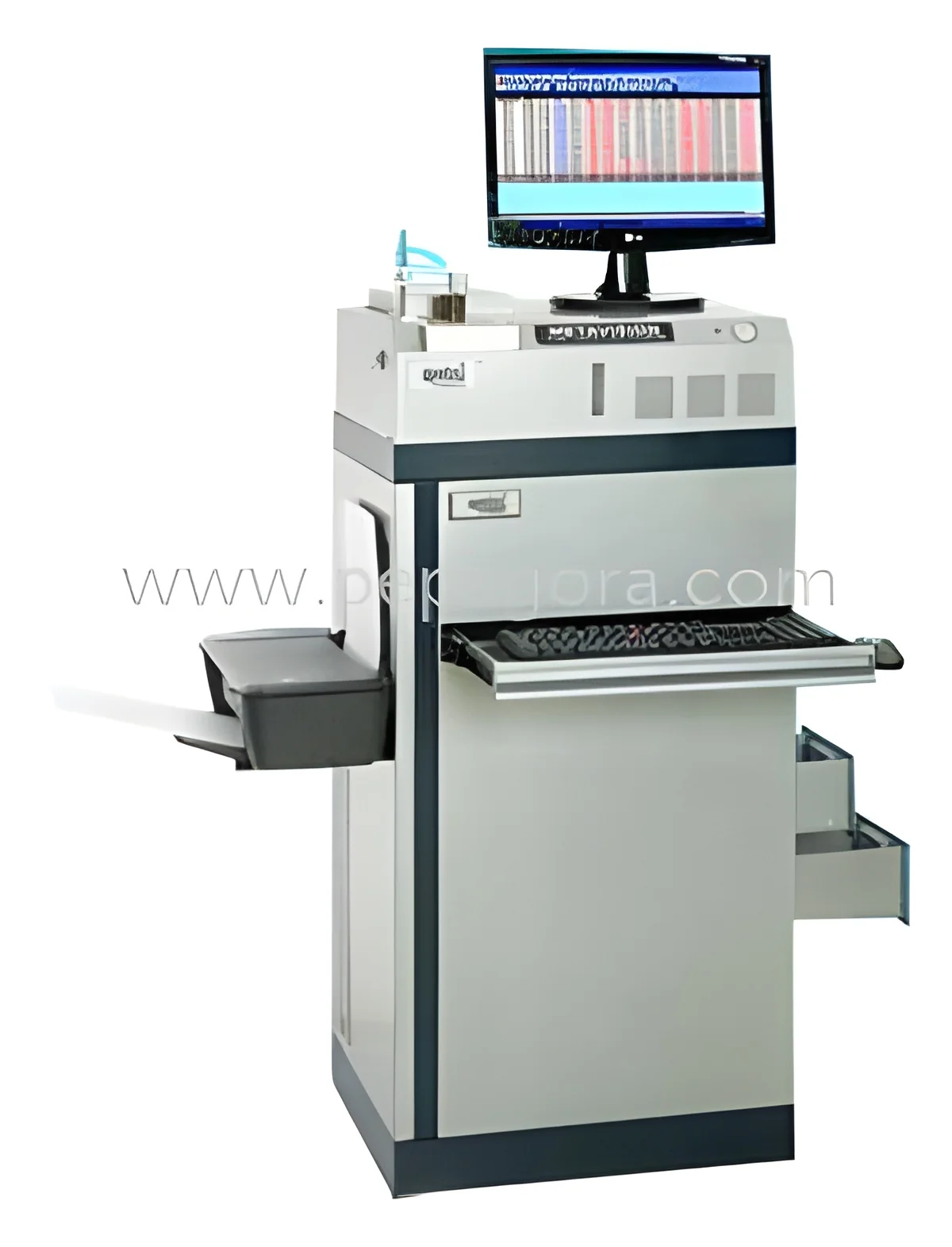
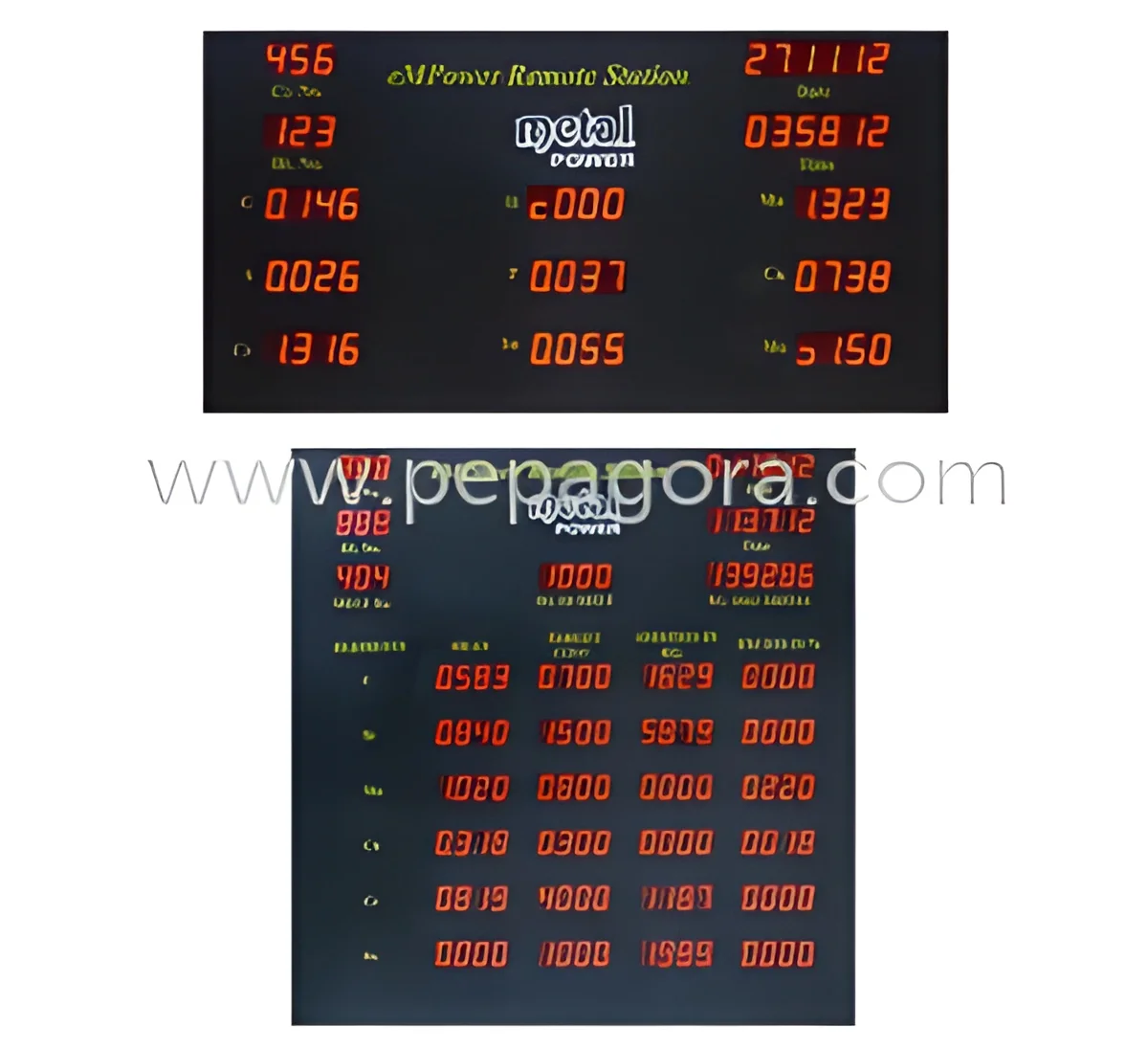
The Remote Transmission and Display Station solves a fundamental operational challenge in metal production facilities where melting platforms and quality control laboratories operate at significant distances from each other. This advanced system enables real-time data transmission from laboratory spectrometers directly to melting operators, displaying essential elemental analysis and precise alloy addition calculations instantly. By bridging this critical communication gap, the system eliminates delays in decision-making processes, allowing melt operators to make immediate adjustments to furnace chemistry without waiting for physical sample reports or manual data transfer. The technology supports both wired and wireless transmission options, with wireless capability extending up to 500 meters, making it ideal for large industrial layouts where cable installation proves impractical or cost-prohibitive while ensuring reliable data delivery.

This technology serves integrated steel plants...
The Remote Transmission and Display Station solves a fundamental operational challenge in metal production facilities where melting platforms and quality control laboratories operate at significant distances from each other. This advanced system enables real-time data transmission from laboratory spectrometers directly to melting operators, displaying essential elemental analysis and precise alloy addition calculations instantly. By bridging this critical communication gap, the system eliminates delays in decision-making processes, allowing melt operators to make immediate adjustments to furnace chemistry without waiting for physical sample reports or manual data transfer. The technology supports both wired and wireless transmission options, with wireless capability extending up to 500 meters, making it ideal for large industrial layouts where cable installation proves impractical or cost-prohibitive while ensuring reliable data delivery.

This technology serves integrated steel plants, foundries, and various metal manufacturing facilities where precise chemical composition control remains crucial for maintaining product quality standards. In steel production environments, the system ensures melt operators receive spectrometer analysis within seconds rather than minutes, enabling timely additions of alloying elements to meet exact grade specifications and customer requirements. Foundries benefit significantly, particularly those producing specialized alloys where composition tolerances are extremely tight and require immediate adjustment capabilities. The system also supports aluminum smelters, copper production facilities, and other non-ferrous metal operations where rapid chemical adjustment proves essential for maintaining production efficiency and meeting quality standards across continuous casting, rolling, and finishing processes in modern manufacturing setups.

The operational value of implementing this transmission technology translates directly into improved production efficiency, reduced material waste, and enhanced product consistency throughout manufacturing cycles. By providing immediate access to critical analytical data, companies can minimize furnace holding times, reduce energy consumption, and prevent off-specification production that typically requires re-melting or product downgrading. The system's robust construction ensures reliable operation in demanding industrial environments with high temperatures and electrical interference, while its flexible design allows seamless integration with existing spectrometer systems and plant infrastructure. This investment typically delivers rapid returns through optimized alloy consumption, lower energy costs, and decreased quality rejections, establishing it as an essential tool for metal producers focused on operational excellence, cost management, and maintaining competitive advantage in global markets.

Key Features:
- Real-time data transmission from laboratory spectrometers to multiple melting platform locations
- Wireless transmission capability with operational range extending up to 500 meters
- Support for multiple synchronized display stations throughout large industrial facilities
- Seamless integration with various spectrometer systems for accurate alloy addition calculations
- Robust construction designed for reliable operation in harsh industrial environments

Benefits:
- Immediate access to critical analytical data enables faster decision-making at melting platforms
- Reduced furnace holding times lead to significant energy savings and increased production throughput
- Minimized material waste through precise alloy additions and reduced off-spec production
- Enhanced product consistency and quality compliance across all production batches
- Elimination of manual data transfer delays improves overall operational efficiency
Specifications
| Additional Information | |
|---|---|
| Country of Origin | India |
Application
The Remote Transmission and Display Station addresses critical communication challenges in metal production facilities where laboratories are physically separated from melting operations. This system transmits spectrometer analysis data in real-time, allowing melt operators to make immediate decisions about alloy additions without delays from manual reporting or physical sample transport between departments.
This technology proves particularly valuable in integrated steel plants, foundries, and metal manufacturing complexes where even brief delays can impact product quality and furnace efficiency. The wireless capability extends operational range up to 500 meters, making it suitable for sprawling industrial layouts while maintaining data accuracy and security throughout the transmission process across various production environments.
- Transmitting chemical composition analysis from laboratory spectrometers to melting platform operators instantly
- Displaying alloy addition calculations directly at furnace stations for immediate corrective adjustments
- Enabling multiple display stations throughout large facilities for coordinated decision-making across teams
- Supporting quality control processes by providing immediate access to metallurgical analysis data
- Facilitating continuous production flow by eliminating physical sample transport delays between laboratory and production areas
Trade Details
| Available Stock | In Stock |
| Sample Availability | No |
Payment Terms
| Payment Terms |
|
Company Profile
Metal Power Analytical (India) Pvt Ltd, Maharashtra
 Maharashtra, India
Maharashtra, IndiaIndustrial Equipment & Machinery•Manufacturer
Factory Details
Factory SizeBelow 1000 sqm
Annual Production Capacity0
Steel Plant Remote Transmission Display Station For Real Time Alloy Analysis
Steel Plant Remote Transmission Display Station enables real-time alloy analysis data transfer from lab spectrometers to melting platforms, improving process control and operational efficiency in metal production facilities.
Min. Order Quantity: 1 unit
Shipping
Shipping fee and delivery date to be negotiated. Contact supplier now for more details.
Metal Power Analytical (India) Pvt Ltd
 Maharashtra, India
Maharashtra, IndiaIndustrial Equipment & MachineryManufacturer