IN
IN₹
Apparel & Fashion
Description
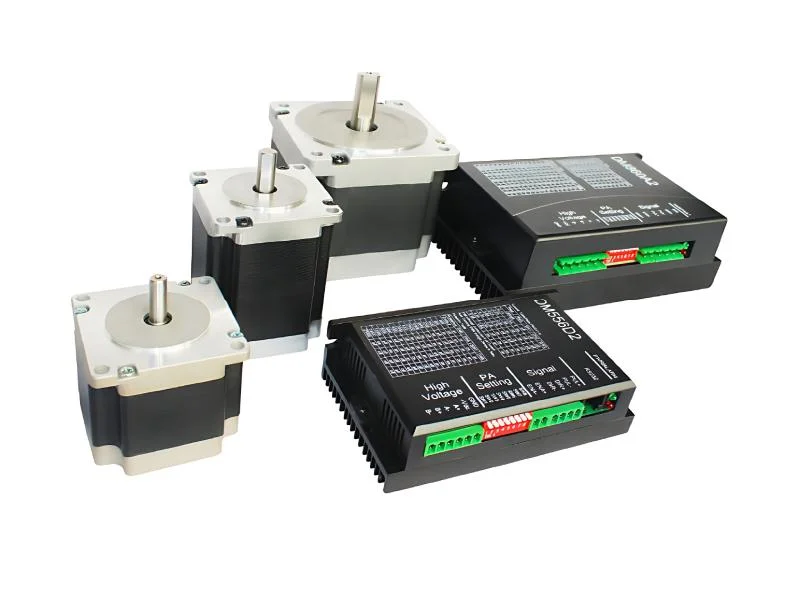
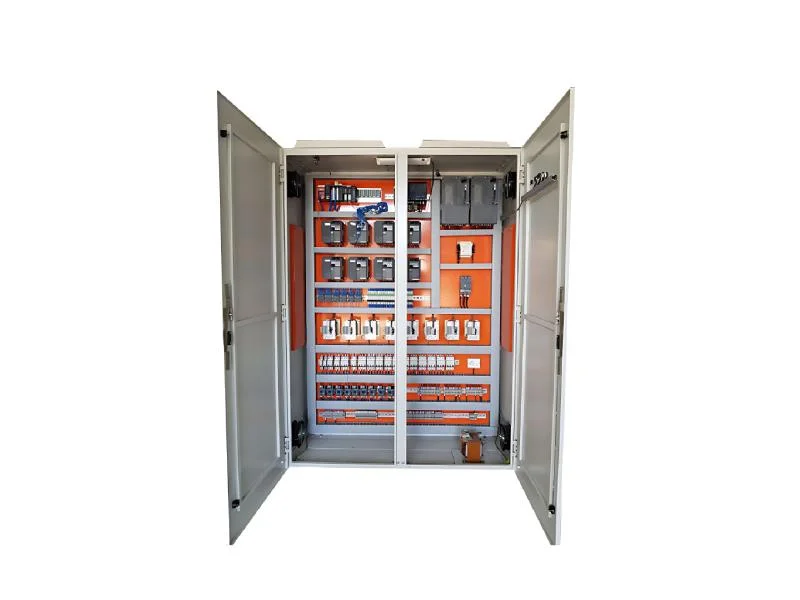
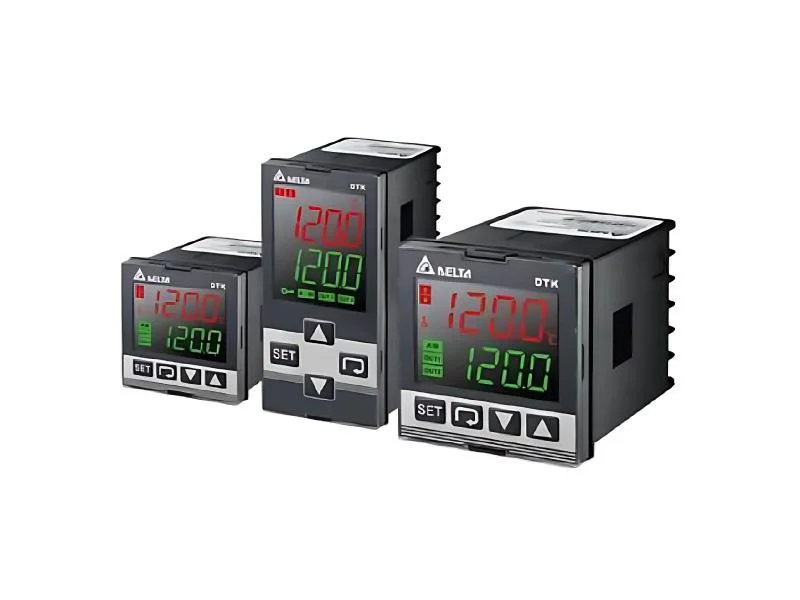
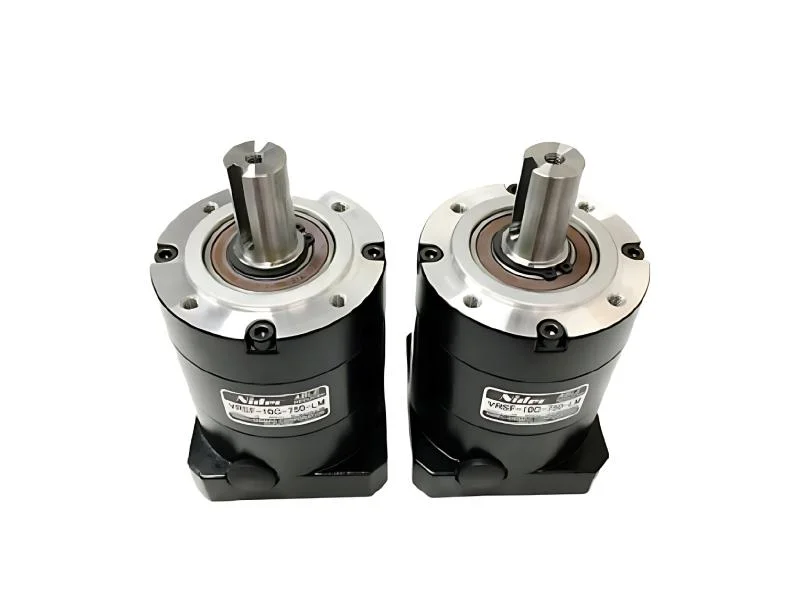
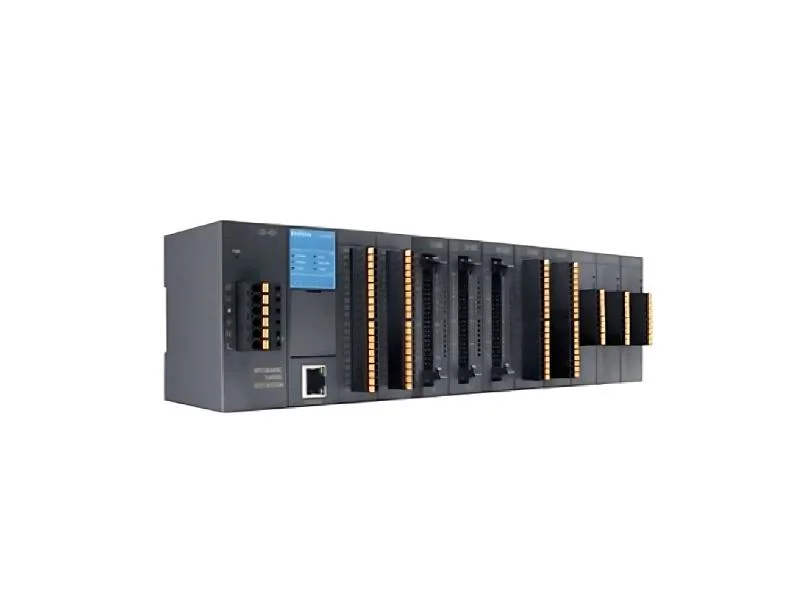
Industrial programmable logic controllers form the foundation of modern automation systems, providing reliable digital control for industrial machinery and processes. These robust industrial computers continuously monitor input devices from sensors and switches, execute programmed logic sequences with precision timing, and control output elements with consistent reliability. Designed specifically for industrial environments, they feature rugged construction, modular architecture, and comprehensive communication interfaces that enable seamless integration into diverse automation scenarios. The central processing unit coordinates all operations while multiple input/output channels handle both digital and analog signals from various control devices and monitoring systems.

Across manufacturing and process industries, PLCs deliver critical automation capabilities that drive operational efficiency and production consistency. In automotive manufacturing plants, they coordinate robotic weldin...
Industrial programmable logic controllers form the foundation of modern automation systems, providing reliable digital control for industrial machinery and processes. These robust industrial computers continuously monitor input devices from sensors and switches, execute programmed logic sequences with precision timing, and control output elements with consistent reliability. Designed specifically for industrial environments, they feature rugged construction, modular architecture, and comprehensive communication interfaces that enable seamless integration into diverse automation scenarios. The central processing unit coordinates all operations while multiple input/output channels handle both digital and analog signals from various control devices and monitoring systems.

Across manufacturing and process industries, PLCs deliver critical automation capabilities that drive operational efficiency and production consistency. In automotive manufacturing plants, they coordinate robotic welding stations and ensure precise conveyor synchronization. Food processing facilities rely on them for accurate temperature control and packaging line coordination, while water treatment plants utilize PLCs for pump control and chemical dosing operations. Textile manufacturers employ these controllers for loom automation and quality monitoring systems, demonstrating the flexibility to meet specific industry requirements while maintaining consistent performance standards across different applications and operational conditions.

The business value of implementing reliable PLC systems extends beyond basic automation to encompass significant operational advantages and long-term benefits. Companies experience reduced operational downtime through advanced predictive maintenance capabilities and comprehensive fault diagnostics. Production consistency improves substantially through precise repeatable control sequences, while energy efficiency gains result from optimized equipment operation and intelligent power management. The modular design allows scalable expansion as business needs evolve, protecting long-term investment while accommodating technological advancements. Built-in safety features ensure compliance with industrial standards while providing essential protection for both equipment and personnel in demanding industrial environments.

Key Features:
- Single high-performance Central Processing Unit for reliable operation
- Multiple communication interface options with 2-4 ports for system integration
- Expandable digital and analog input/output channels with 8+ minimum capacity
- Comprehensive safety and protection features including 5+ integrated safeguards
- Modular design supporting customization and future expansion requirements

Benefits:
- Enhanced production efficiency through precise automation control sequences
- Reduced operational downtime with robust industrial-grade construction
- Flexible integration capabilities across multiple equipment types and systems
- Improved safety compliance with built-in protection mechanisms and features
- Scalable architecture supporting business growth and technology upgrades
Specifications
| Key Attributes | |
|---|---|
| Central Processing Unit (CPU) | 1 |
| Communication interface options | 2–4 |
| Digital and Analog input/output channels | 8+ |
| Safety and protection features | 5+ |
| Additional Information | |
|---|---|
| Country of Origin | India |
Application
Our industrial programmable logic controllers serve as the central control system for modern manufacturing operations, monitoring sensor inputs and executing programmed logic with precision timing. The robust construction ensures reliable performance in demanding industrial environments while maintaining consistent operational standards across diverse applications and production scenarios.
These PLCs demonstrate exceptional versatility across multiple industrial sectors, from discrete manufacturing to continuous process operations. With comprehensive safety features and multiple communication interfaces, they ensure operational integrity while enabling real-time monitoring and data exchange with higher-level control systems and enterprise management platforms.
- Automated assembly line control for manufacturing operations
- Packaging machinery sequencing and synchronization systems
- Material handling equipment coordination in warehouses
- Process control for water treatment and chemical plants
- Building management and HVAC system automation
Trade Details
| Available Stock | In Stock |
| Sample Availability | No |
Payment Terms
| Payment Terms |
|
Company Profile
SR Automation, Tamil Nadu
 Tamil Nadu, India
Tamil Nadu, IndiaManufacturer
Factory Details
Factory SizeBelow 1000 sqm
Industrial PLC with Robust CPU, Multiple I/O Channels, and Safety Features
Industrial PLC with robust CPU, multiple I/O channels, and safety features delivers reliable automation control for manufacturing, packaging, and material handling systems with precision and protection.
Min. Order Quantity: 1 piece
Shipping
Shipping fee and delivery date to be negotiated. Contact supplier now for more details.
SR Automation Tamil Nadu, India
Tamil Nadu, IndiaManufacturer