IN
IN₹
Apparel & Fashion
Description
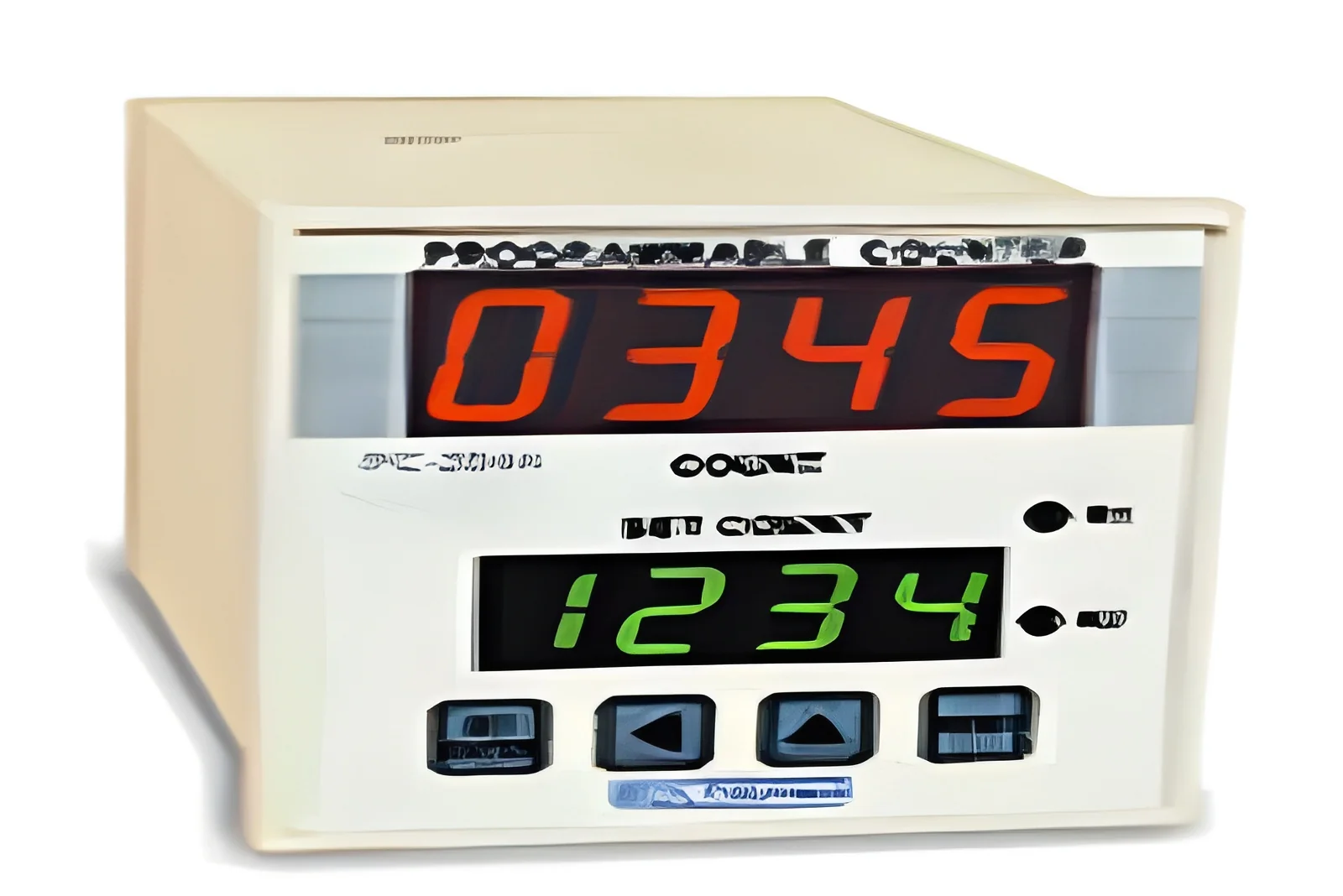
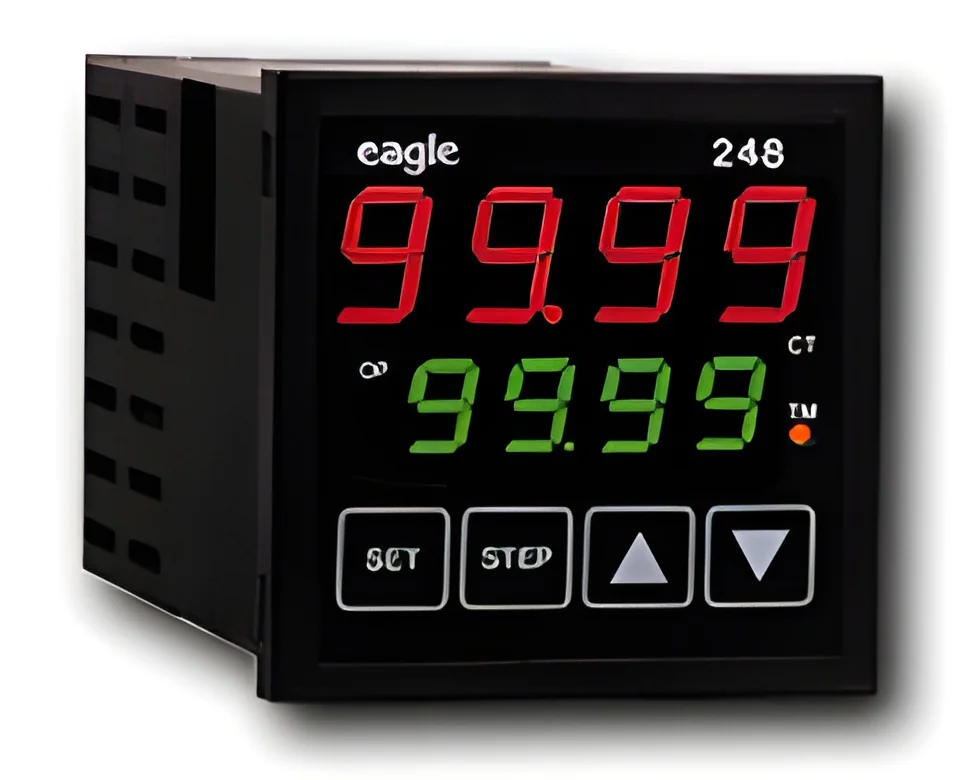
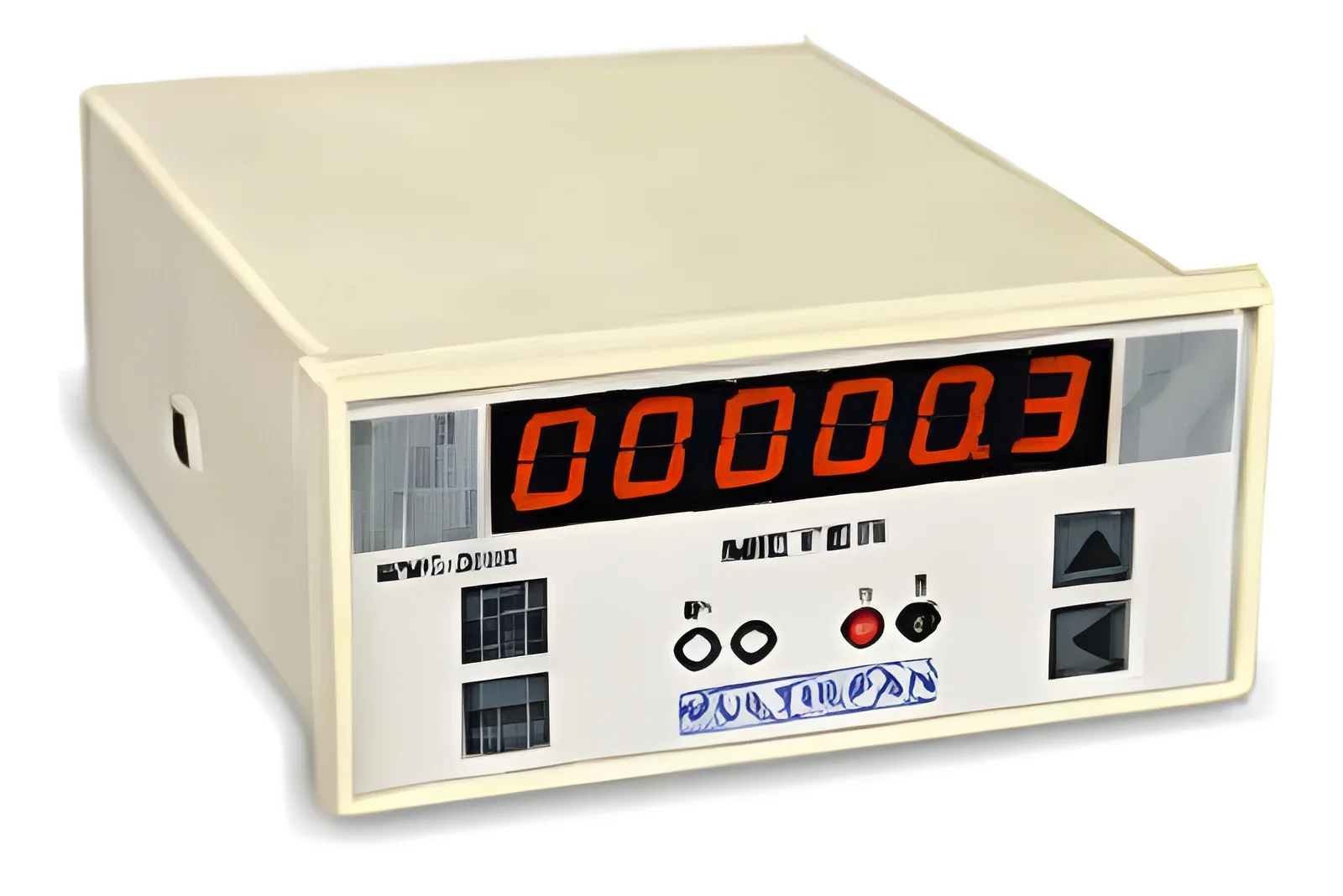
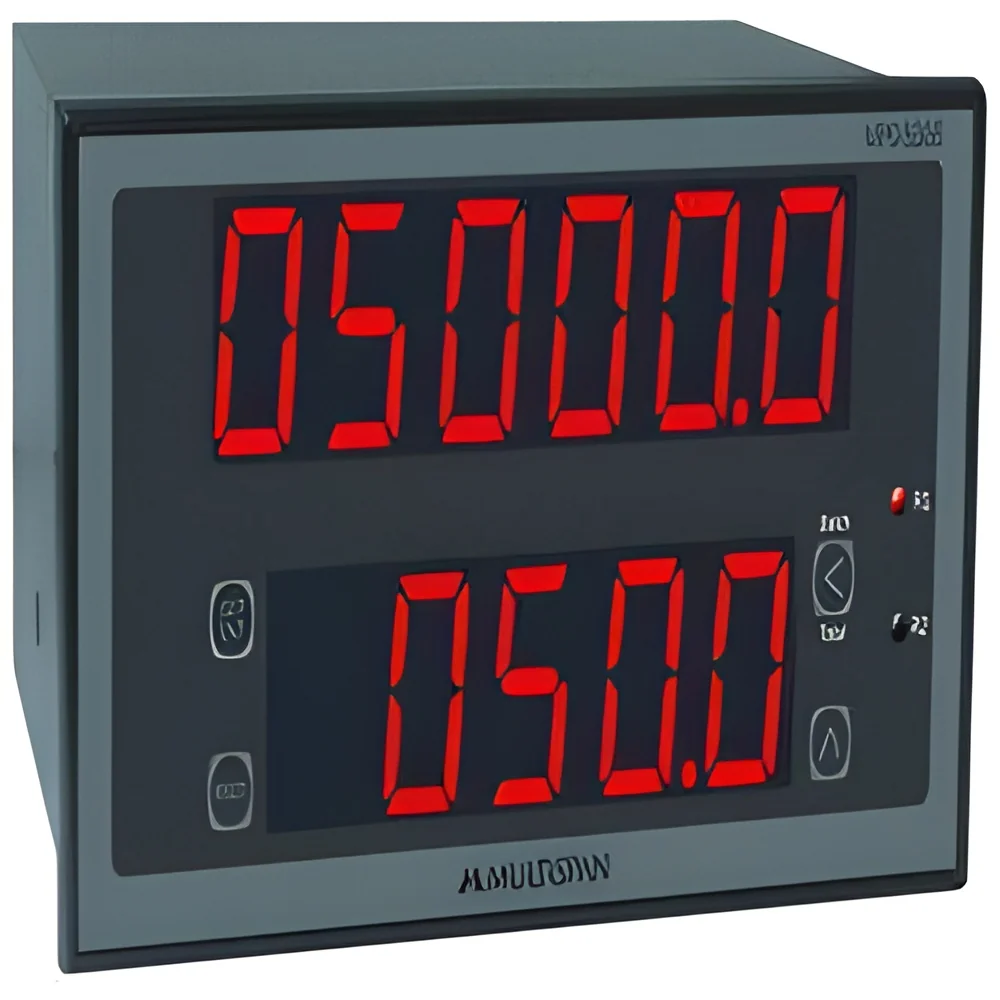
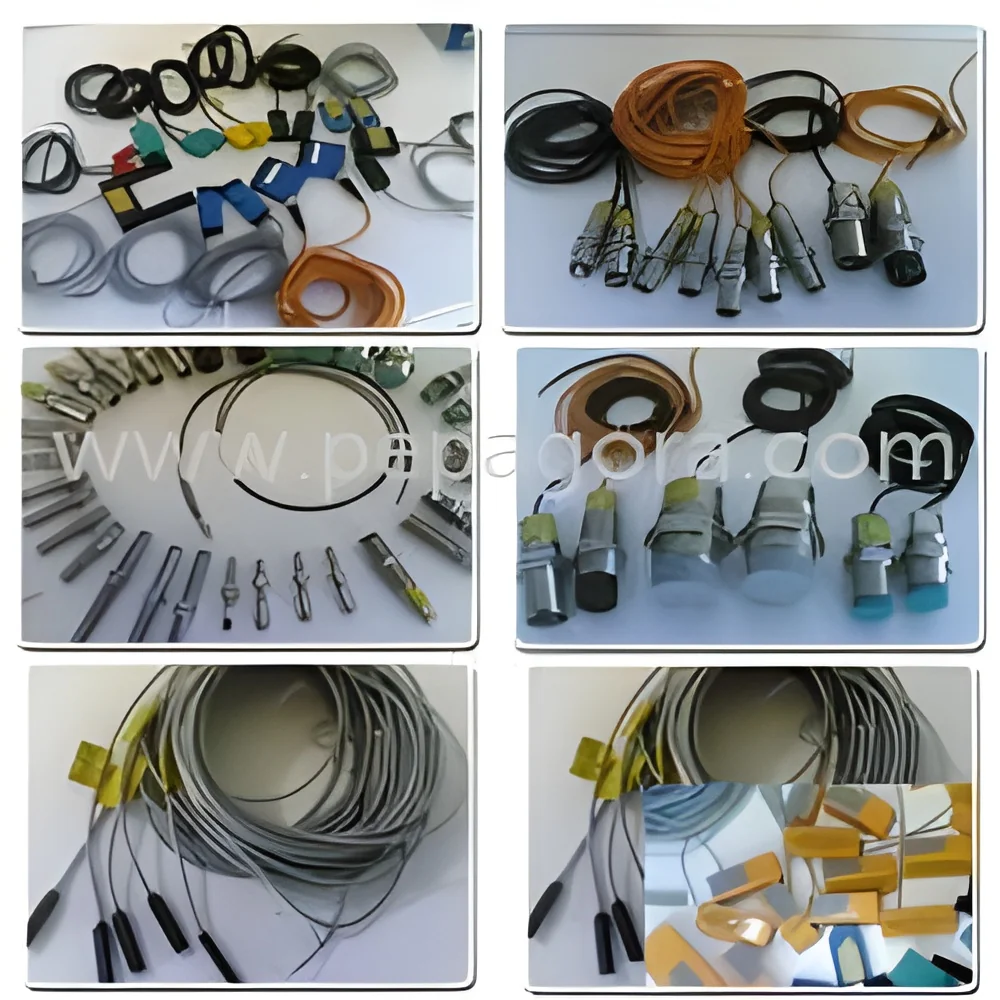
Industrial Automation Proximity and Temperature Sensors represent advanced sensing technology designed for demanding industrial applications. These sensors utilize non-contact detection methods to identify nearby objects while simultaneously monitoring environmental temperatures, providing dual functionality that ensures operational precision in automated systems. Engineered with robust materials and sophisticated electronics, they deliver consistent performance even in challenging industrial conditions, offering reliable data for critical process control decisions and maintaining operational continuity across various industrial settings.

These sensors find extensive application across multiple industrial sectors including manufacturing, automotive production, food processing facilities, packaging operations, and material handling systems. In manufacturing environments, they enable precise component positioning on assembly lines and ensure proper functioning of robotic equipment. Auto...
Industrial Automation Proximity and Temperature Sensors represent advanced sensing technology designed for demanding industrial applications. These sensors utilize non-contact detection methods to identify nearby objects while simultaneously monitoring environmental temperatures, providing dual functionality that ensures operational precision in automated systems. Engineered with robust materials and sophisticated electronics, they deliver consistent performance even in challenging industrial conditions, offering reliable data for critical process control decisions and maintaining operational continuity across various industrial settings.

These sensors find extensive application across multiple industrial sectors including manufacturing, automotive production, food processing facilities, packaging operations, and material handling systems. In manufacturing environments, they enable precise component positioning on assembly lines and ensure proper functioning of robotic equipment. Automotive manufacturers utilize them for quality assurance, safety systems, and production automation processes. Food processing plants benefit from their non-contact operation in hygiene-sensitive applications, while packaging operations rely on them for accurate detection and counting functions. Material handling systems incorporate these sensors for level detection, positioning verification, and safety interlocks throughout storage and transportation processes.

The operational value of these sensors lies in their ability to enhance production efficiency, minimize equipment downtime, and improve workplace safety standards. Their reliable performance translates to fewer production interruptions and reduced maintenance requirements, while their detection accuracy ensures consistent product quality and minimizes material waste. The sensors' durable construction and consistent operation provide long-term value through improved productivity, enhanced safety compliance, and reduced operational costs over their extended service life, making them a strategic investment for industrial operations seeking reliable sensing solutions.

Key Features:
- Non-contact detection technology using advanced sensing methods
- Dual functionality combining proximity sensing and temperature monitoring
- High accuracy and repeatability across diverse industrial conditions
- Robust construction designed for durability in industrial environments
- Consistent performance reliability for continuous operation

Benefits:
- Enhanced operational efficiency through reliable detection capabilities
- Reduced downtime with consistent performance in demanding conditions
- Improved safety standards with accurate monitoring and detection
- Long-term cost savings through durable construction and reliability
- Process optimization with precise data for control systems
Specifications
| Additional Information | |
|---|---|
| Country of Origin | India |
Application
Our industrial proximity and temperature sensors deliver precise non-contact detection and thermal monitoring for automated systems. They maintain reliable performance in challenging environments, ensuring operational safety and process efficiency while reducing downtime through consistent detection capabilities across various industrial applications and machinery configurations.
These sensors serve critical functions across manufacturing, automotive, food processing, packaging, and material handling sectors. They enable accurate object positioning, temperature control, and quality assurance in production lines. Their robust design and reliable operation make them suitable for integration into diverse industrial equipment and control systems requiring dependable sensing solutions.
- Object detection and positioning on automated assembly lines and robotic systems
- Temperature monitoring in industrial ovens, HVAC systems, and process control applications
- Safety systems implementation for machinery guarding and personnel protection
- Quality control operations in packaging lines detecting presence, count, and alignment
- Level sensing applications in tanks, silos, and material handling equipment
Trade Details
| Available Stock | In Stock |
| Sample Availability | No |
Payment Terms
| Payment Terms |
|
Company Profile
N D Automation, Maharashtra
 Maharashtra, India
Maharashtra, IndiaManufacturer
Factory Details
Factory SizeBelow 1000 sqm
Annual Production Capacity0
Industrial Automation Proximity And Temperature Sensors Reliable Non Contact Detection
Industrial Automation Proximity and Temperature Sensors provide reliable non-contact detection for manufacturing processes. These durable sensors deliver accurate monitoring and positioning in demanding industrial environments with consistent performance.
Min. Order Quantity: 1 unit
Shipping
Shipping fee and delivery date to be negotiated. Contact supplier now for more details.
N D Automation
 Maharashtra, India
Maharashtra, IndiaManufacturer