IN
IN₹
Apparel & Fashion
Description
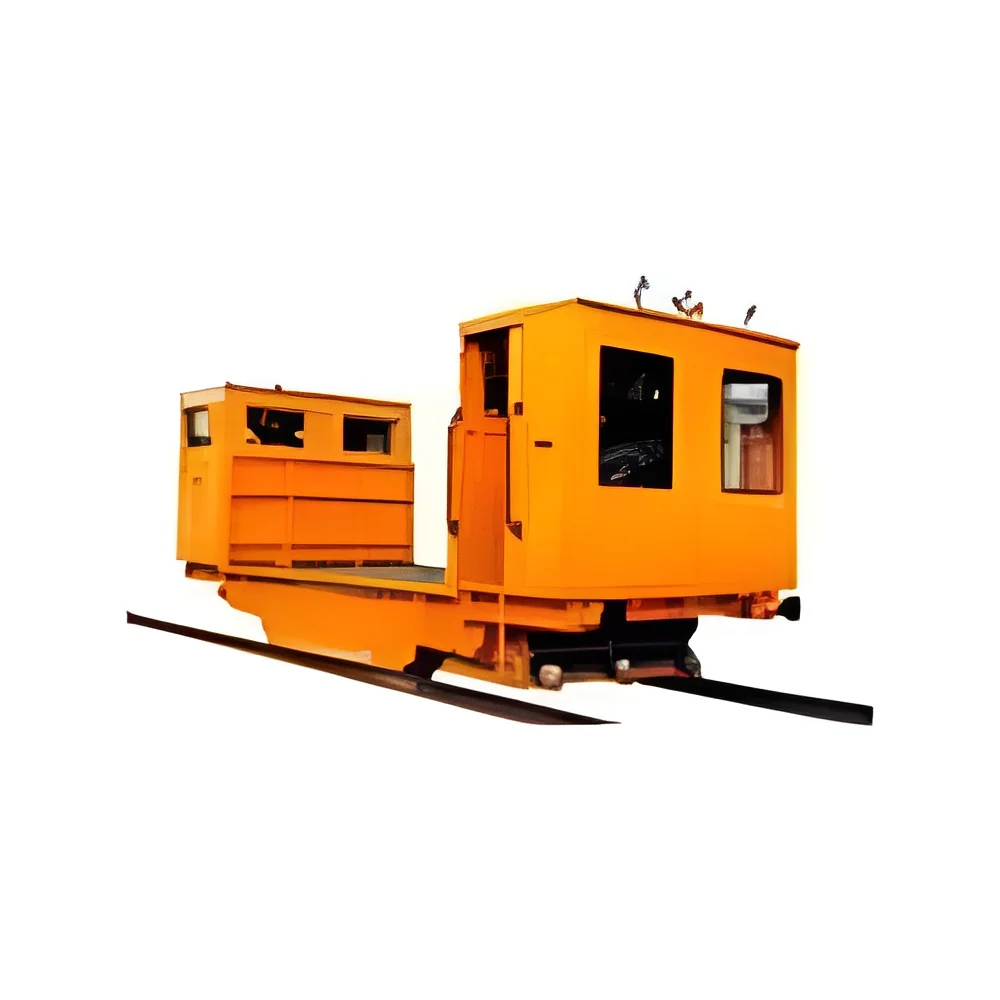
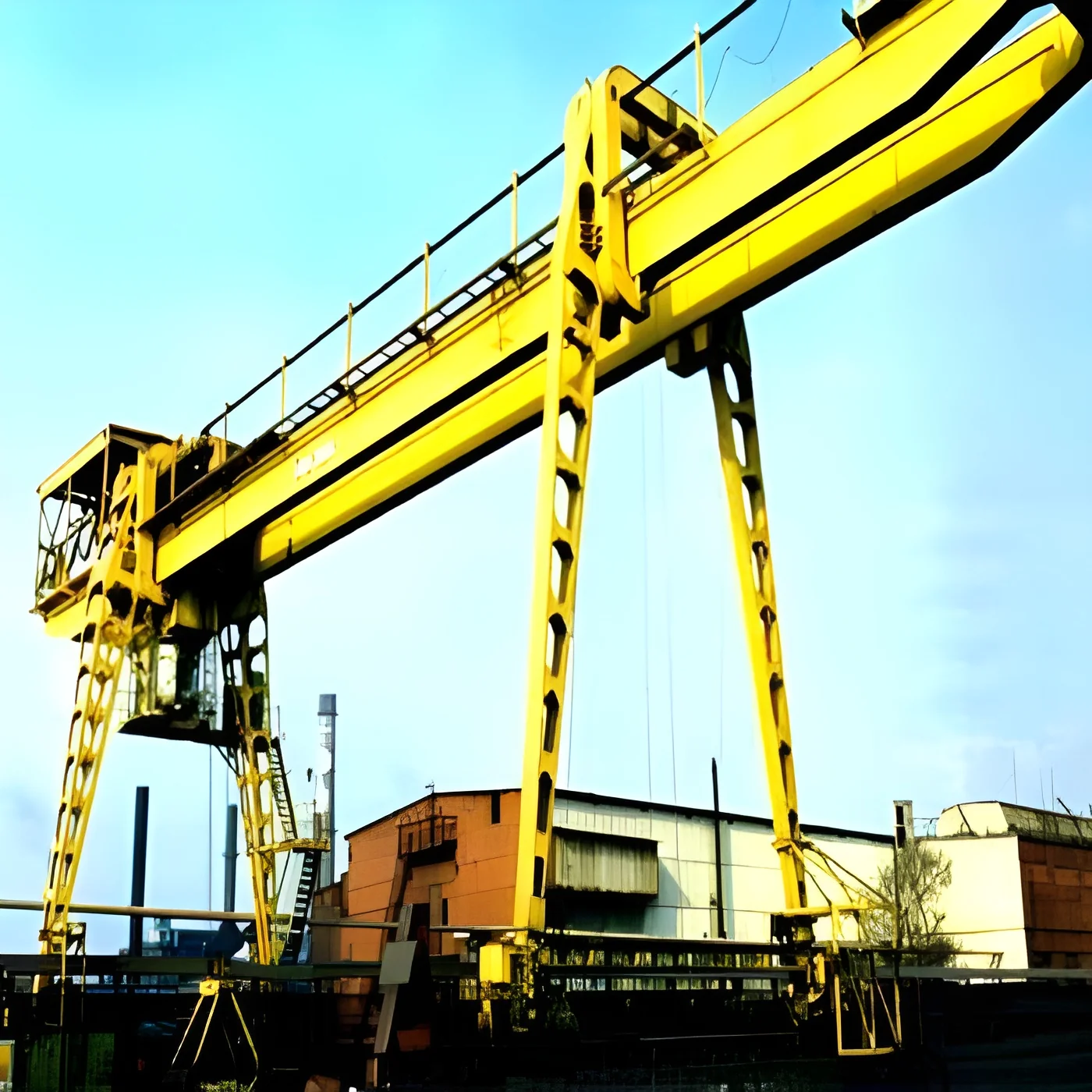
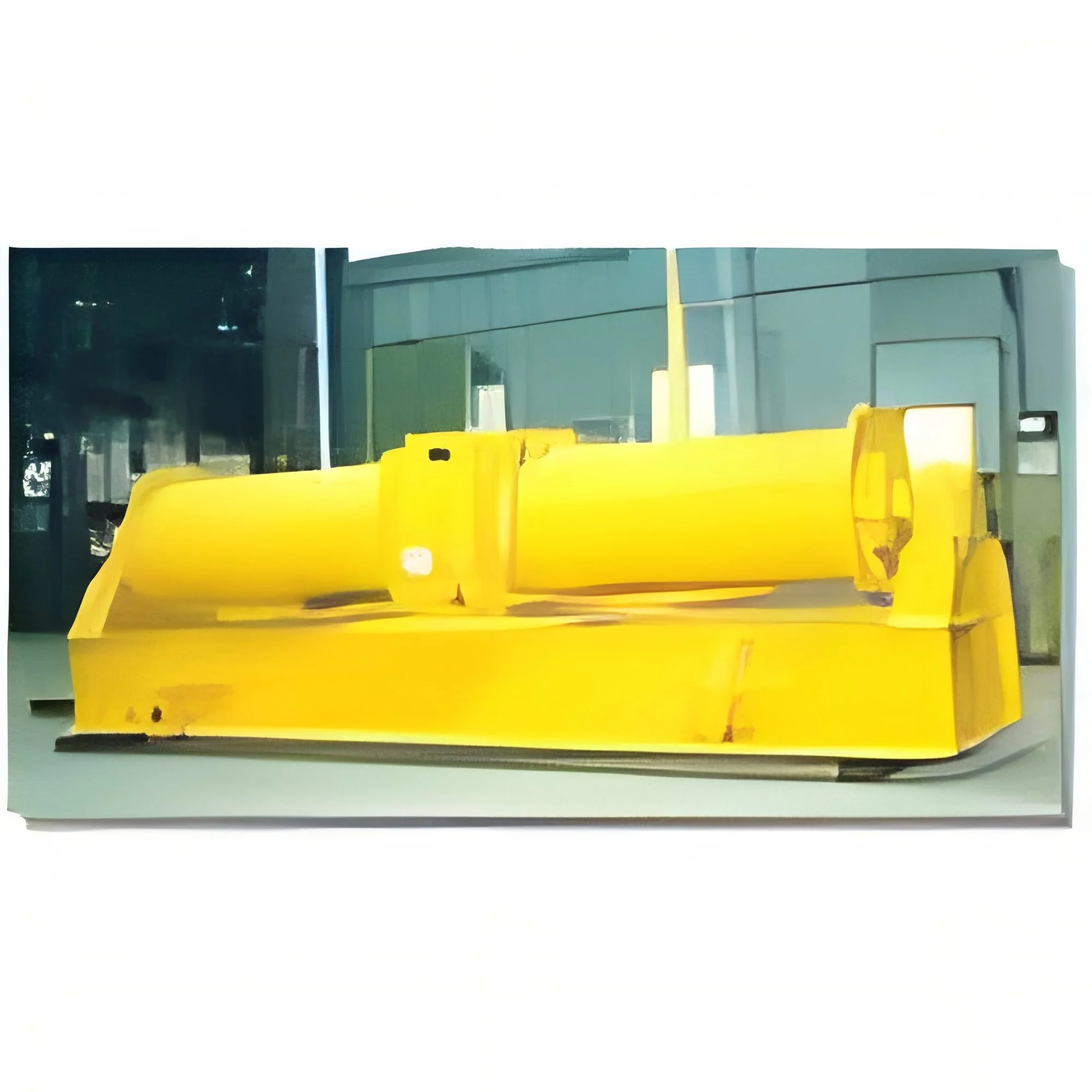
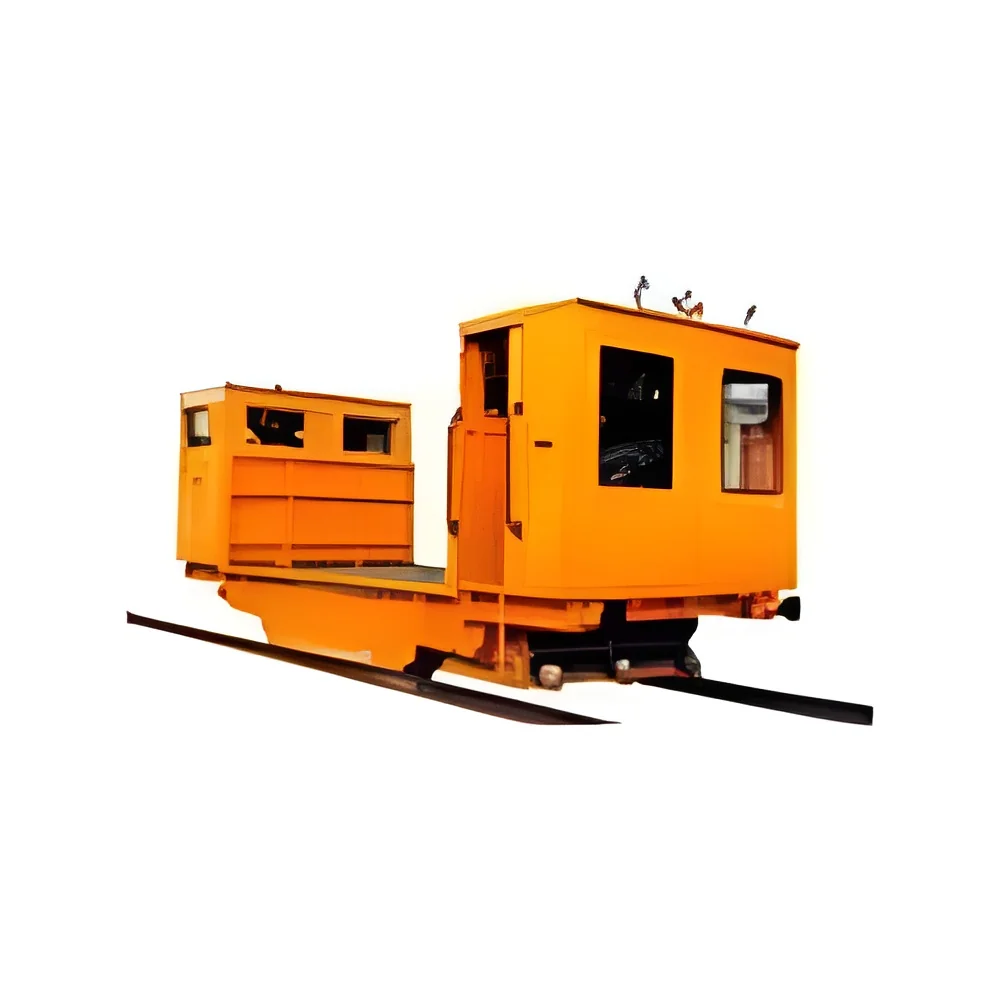
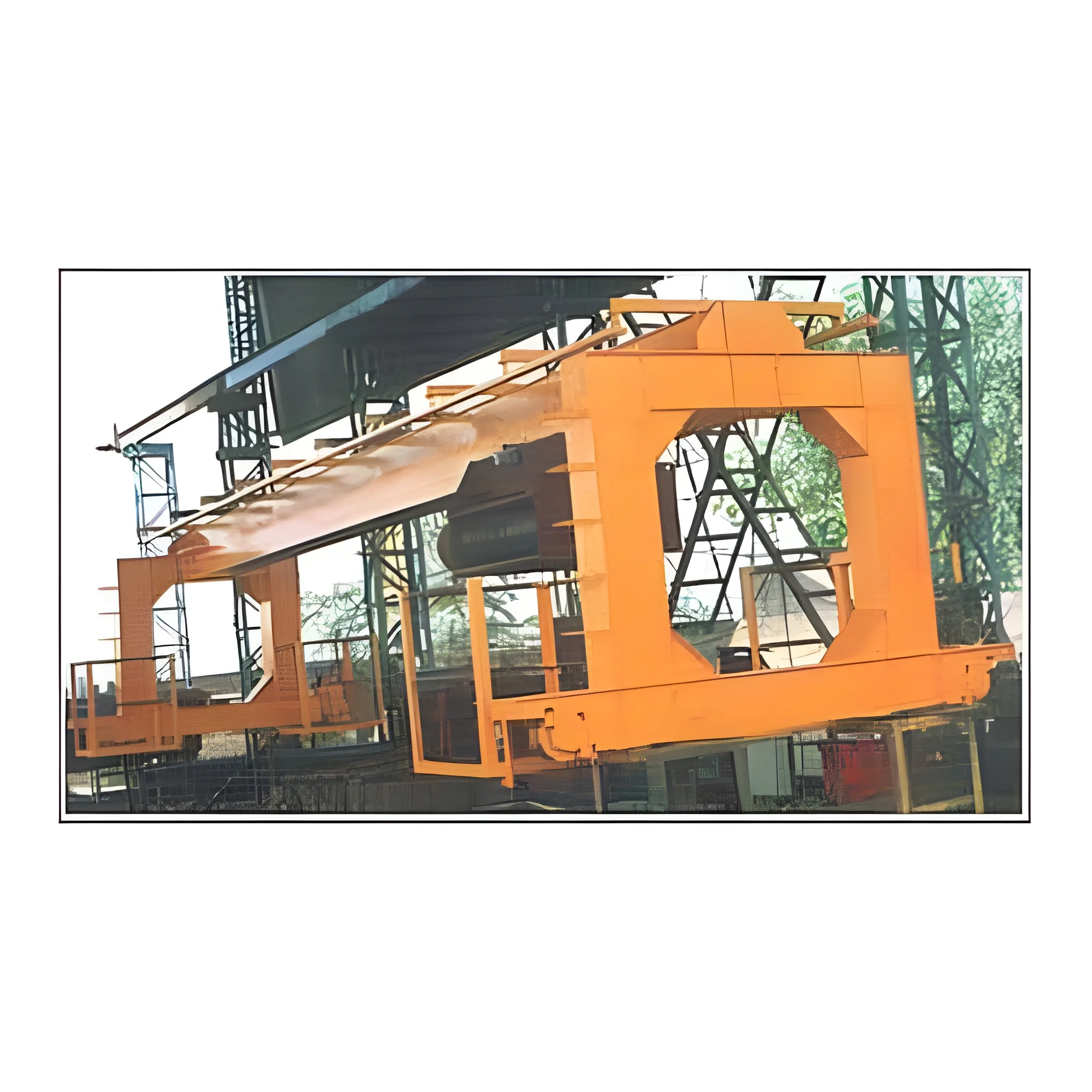
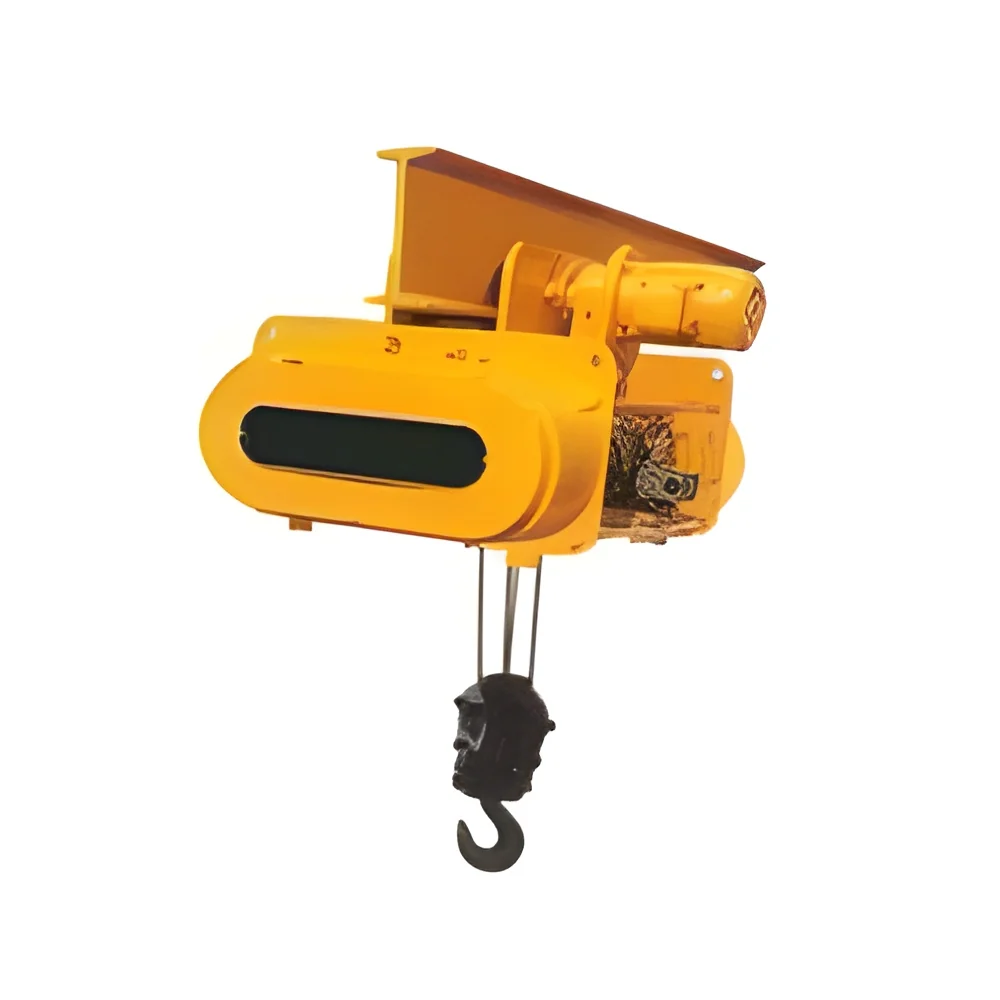
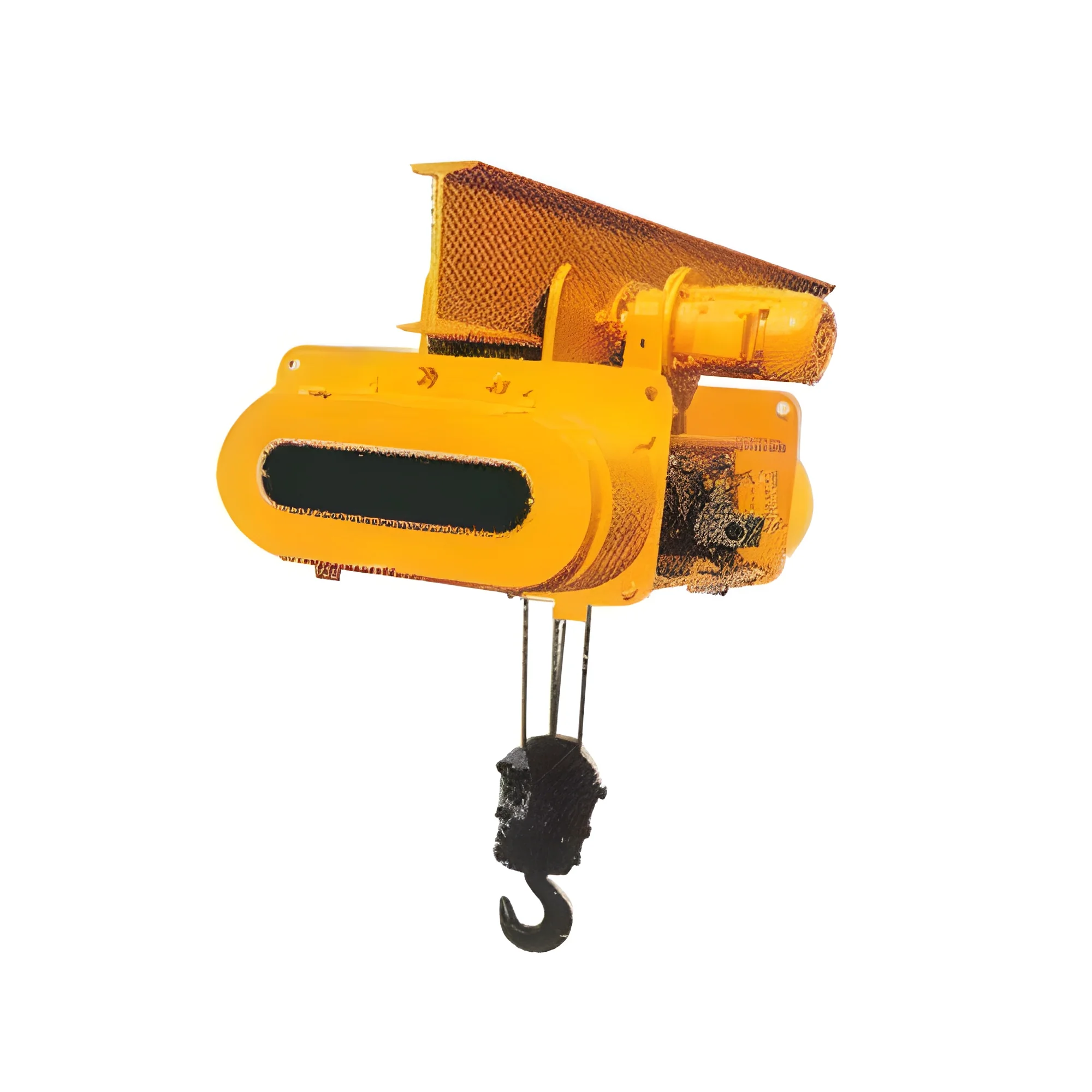
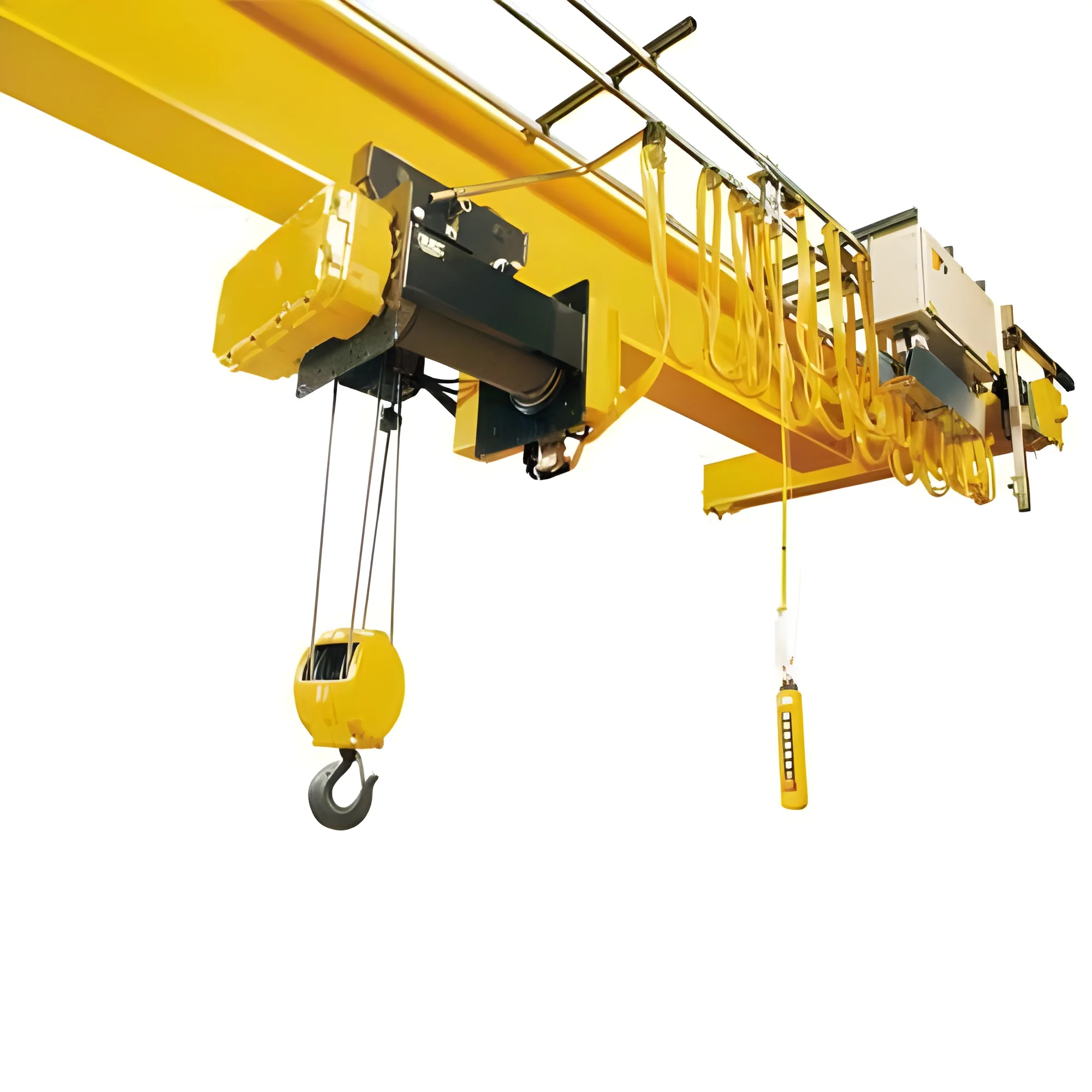
Industrial under slung cranes represent sophisticated overhead lifting solutions engineered for facilities where traditional floor-supported crane systems are not viable. These advanced systems mount directly to existing building structures, utilizing roof support beams or structural pillars rather than requiring separate floor-based support frameworks. This innovative design approach maximizes available workspace while delivering complete crane functionality. Manufacturers provide these systems in various load capacities, ranging from standard duty models to heavy-industrial configurations, all engineered to meet specific operational requirements. The fundamental advantage lies in their ability to deliver comprehensive material handling capabilities without occupying valuable floor space or necessitating extensive structural modifications to existing facilities.

These crane systems find extensive application across numerous industrial sectors where space optimization and efficient ma...
Industrial under slung cranes represent sophisticated overhead lifting solutions engineered for facilities where traditional floor-supported crane systems are not viable. These advanced systems mount directly to existing building structures, utilizing roof support beams or structural pillars rather than requiring separate floor-based support frameworks. This innovative design approach maximizes available workspace while delivering complete crane functionality. Manufacturers provide these systems in various load capacities, ranging from standard duty models to heavy-industrial configurations, all engineered to meet specific operational requirements. The fundamental advantage lies in their ability to deliver comprehensive material handling capabilities without occupying valuable floor space or necessitating extensive structural modifications to existing facilities.

These crane systems find extensive application across numerous industrial sectors where space optimization and efficient material flow are paramount. Manufacturing facilities utilize under slung cranes for assembly line operations, precise component positioning, and heavy machinery handling. Warehouse and distribution centers implement them for inventory management systems, pallet handling operations, and storage retrieval processes. The automotive industry depends on these cranes for transporting vehicle components and complete assemblies between production stations. Aerospace manufacturing plants use them for accurate positioning of aircraft parts during both manufacturing and maintenance procedures. Shipping companies and logistics providers install under slung systems for cargo handling in docks and storage areas where floor space must remain unobstructed for vehicle movement and storage operations.

The operational value of under slung crane systems extends well beyond their space-saving benefits to include significant reliability advantages and long-term cost efficiencies. These systems demonstrate exceptional durability and consistent performance under demanding industrial conditions, substantially reducing operational downtime and maintenance requirements. The engineering allows businesses to obtain precisely configured solutions that match their specific operational parameters and load handling needs. This tailored approach ensures optimal performance while enhancing workplace safety through engineered solutions that address specific operational challenges. The proven reliability translates into reduced operational costs over time, while the adaptable design means these systems can evolve alongside changing business requirements and facility modifications.

Key Features:
- Direct mounting capability to existing roof structures or building pillars eliminates need for floor support systems
- Customizable load capacities engineered to meet specific operational requirements and industry standards
- Flexible track configurations adaptable to various facility layouts and spatial constraints
- Robust construction utilizing high-quality materials for durable performance in demanding industrial environments
- Smooth operational movement with precision control systems for accurate load positioning and handling

Benefits:
- Maximizes available floor space by utilizing overhead structural elements for support
- Reduces installation costs by eliminating need for additional floor-based support structures
- Enhances workplace safety through engineered solutions and precision load control
- Provides long-term reliability with minimal maintenance requirements in industrial settings
- Offers operational flexibility to adapt to changing production needs and facility layouts
Specifications
| Additional Information | |
|---|---|
| Country of Origin | India |
Application
Industrial under slung cranes provide essential overhead lifting solutions where traditional floor-supported systems cannot be installed. By utilizing existing building structures like roof beams and pillars, these cranes maximize workspace efficiency while delivering full material handling capabilities. Their flexible design adapts to various facility layouts without requiring extensive structural modifications.
These crane systems serve multiple industries that require efficient material movement without compromising floor space. Manufacturing plants, warehouse facilities, and assembly operations benefit from their adaptable configuration and reliable performance. The systems integrate seamlessly into existing infrastructures, providing robust lifting solutions where conventional cranes would be impractical to install.
- Automotive manufacturing plants for moving engine blocks and transmission systems between assembly stations
- Warehouse distribution centers for handling palletized goods in high-density storage systems
- Manufacturing facilities for positioning heavy machinery components during production processes
- Shipping and logistics terminals for loading/unloading cargo containers from transport vehicles
- Aerospace production facilities for precise placement of aircraft fuselage sections and wing assemblies
Trade Details
| Available Stock | In Stock |
| Sample Availability | No |
Payment Terms
| Payment Terms |
|
Company Profile
Kran Mac Engineers, Haryana
 Haryana, India
Haryana, IndiaIndustrial Equipment & Machinery•Manufacturer
Factory Details
Factory SizeBelow 1000 sqm
Annual Production Capacity0
Industrial Under Slung Cranes For Roof Mounting And Space Saving
Industrial under slung cranes mount directly to roof structures or pillars for space-saving material handling. These reliable cranes offer customizable load capacities for manufacturing, warehousing, and assembly applications where floor support isn't feasible.
Min. Order Quantity: 1 unit
Shipping
Shipping fee and delivery date to be negotiated. Contact supplier now for more details.
Kran Mac Engineers
 Haryana, India
Haryana, IndiaIndustrial Equipment & MachineryManufacturer