
 IN
Other Medical Devices & Equipment
247 products available
What are Other Medical Devices & Equipment?
Other medical devices and equipment encompass a wide range of tools and instruments used in healthcare settings, beyond the more commonly recognized products like diagnostic machines or surgical instruments. These devices include items that assist in patient care, monitoring, and treatment, such as infusion pumps, nebulizers, or even specialized beds. They play a vital role in ensuring that healthcare practitioners can provide effective and efficient care to patients.
In terms of business applications, these devices are utilized in hospitals, clinics, nursing homes, and even home healthcare settings. The primary purpose of other medical devices and equipment is to enhance patient outcomes by providing accurate monitoring, delivering medications, or facilitating rehabilitation. Their versatility allows them to be adapted for various uses across different healthcare environments, making them essential for modern medical practice.
The relevance of other medical devices and equipment in the healthcare industry cannot be overstated. As technology advances, there is a growing demand for innovative and reliable medical tools that can improve operational efficiency and patient satisfaction. The market for these devices is expanding, driven by an aging population and an increase in chronic diseases, thereby creating opportunities for manufacturers and suppliers in the medical field.
Key Features and Specifications
When evaluating other medical devices and equipment, it is essential to consider their key features and specifications that determine their functionality and suitability for specific applications.
Key specifications include:
1. Functionality
- Describes the main purpose of the device, such as monitoring, treatment, or diagnostic capabilities.
- May include specific features like connectivity to electronic health records or integration with other medical systems.
2. Usability
- Refers to the ease of use for healthcare professionals and patients.
- Includes factors such as user interface design, portability, and setup time.
3. Safety Features
- Includes built-in mechanisms to prevent malfunctions or misuse.
- May incorporate alarms, fail-safes, or ergonomic designs to enhance user safety.
4. Performance Metrics
- Relates to the accuracy, precision, and reliability of measurements or treatments provided by the device.
- Technical parameters may include measurement ranges or response times.
5. Maintenance Requirements
- Details the necessary upkeep needed to ensure proper functionality and longevity.
- May involve regular calibration, software updates, or hardware inspections.
6. Compliance Standards
- Specifies adherence to relevant health and safety regulations, such as CE marking.
- Ensures the device meets industry standards for quality and performance.
7. Warranty and Support
- Outlines the terms of warranty coverage and available customer support.
- Includes information on repair services, part replacements, and training.
8. Cost and Financing Options
- Provides insights into the price range and available financing solutions for bulk purchases.
- Helps businesses assess budget allocation for medical device procurement.
In summary, understanding the key features and specifications of other medical devices and equipment is crucial for making informed purchasing decisions that align with healthcare operational needs.
Common Applications and Use Cases
Other medical devices and equipment serve a multitude of industries, contributing to improved patient care and operational efficiency.
1. Healthcare Facilities: Hospitals and clinics utilize these devices for patient monitoring, infusion therapy, and diagnostic procedures, enhancing the overall quality of care.
2. Home Healthcare: Devices such as portable nebulizers and blood glucose monitors allow patients to manage their health conditions in the comfort of their homes, providing convenience and independence.
3. Rehabilitation Centers: Equipment designed for physical therapy, such as exercise machines and mobility aids, helps patients regain strength and mobility after injuries or surgeries.
4. Emergency Services: Medical devices like automated external defibrillators (AEDs) and portable oxygen systems are crucial for first responders in emergency situations, ensuring timely patient care.
5. Long-term Care Facilities: Specialized beds and monitoring systems are essential for elderly patients, aiding in comfort and adherence to care protocols.
6. Research Institutions: Equipment used for clinical trials and medical research, such as imaging devices and laboratory instruments, plays a vital role in advancing healthcare knowledge and innovation.
7. Veterinary Care: Other medical devices are also applicable in veterinary settings, helping in animal healthcare through monitoring and treatment technologies.
Product Variants and Subcategories
The diversity of other medical devices and equipment allows for tailored solutions to meet specific healthcare needs.
Infusion Pumps
Infusion pumps are used to deliver fluids, medications, or nutrients into a patient's bloodstream. These devices can be programmable for precise dosage and are commonly used in hospitals for patients requiring constant medication delivery.
Nebulizers
Nebulizers convert liquid medication into mist for inhalation, making them essential for patients with respiratory conditions like asthma or COPD. They are easy to use at home and provide quick relief during respiratory distress.
Patient Monitoring Systems
These systems track vital signs such as heart rate, blood pressure, and oxygen saturation in real-time. They are crucial in critical care settings and ensure timely interventions for patients.
Rehab Equipment
Rehabilitation equipment, including exercise machines and mobility aids, assists patients in recovery from surgeries or injuries. These devices are designed to facilitate gradual strength building and mobility improvement.
Benefits and Advantages
Investing in other medical devices and equipment provides numerous advantages for healthcare providers and patients alike.
1. Enhanced Patient Care: These devices improve the accuracy of diagnoses and treatment, directly contributing to better patient outcomes.
2. Increased Efficiency: Medical devices streamline processes, allowing healthcare professionals to focus more on patient interaction rather than manual tasks.
3. Improved Safety: Advanced safety features in modern medical devices help minimize errors and enhance patient safety during treatment.
4. Cost-effectiveness: By reducing the length of hospital stays and improving treatment efficacy, these devices can lead to significant cost savings for healthcare facilities.
5. Compliance with Regulations: Sourcing certified medical devices ensures adherence to regulatory standards, which is critical for maintaining operational licenses and patient trust.
6. Customization Options: Many devices can be tailored to specific needs, allowing healthcare providers to offer personalized care based on individual patient requirements.
Buying Guide for B2B Buyers
When sourcing other medical devices and equipment, it is important for buyers to consider several key factors that will impact their purchasing decisions.
1. Quality Assessment: Evaluate the quality of devices through certifications and manufacturer reputation. Look for products that meet industry standards and have positive performance reviews.
2. Supplier Verification: Conduct thorough background checks on suppliers to ensure they have a track record of reliability and compliance with regulatory standards. This mitigates risks associated with procurement.
3. Pricing and MOQ: Understand the pricing structure and minimum order quantities involved. Comparing options from multiple suppliers can help secure the best deals.
4. Delivery and Lead Times: Assess logistics capabilities of suppliers, including their ability to meet delivery timelines. Timely access to essential devices is crucial for uninterrupted healthcare services.
5. Compliance Requirements: Ensure that the devices meet all necessary regulatory compliance and safety standards. This includes understanding any regional regulations that may apply to your market.
Compliance and Certifications
Compliance with industry standards and certifications is crucial for other medical devices and equipment to ensure safety and efficacy.
Relevant quality standards, such as ISO 9001, provide a framework for quality management systems, ensuring that manufacturers consistently deliver high-quality products. Adhering to HACCP (Hazard Analysis and Critical Control Points) guidelines helps in maintaining safety during the manufacturing process, particularly for devices that may come into contact with patients directly.
Industry certifications like CE marking signify that products comply with European health, safety, and environmental protection standards. This is particularly important for devices sold in European markets.
Safety and testing requirements vary significantly depending on the type of medical device. Manufacturers are typically required to conduct rigorous testing to validate the safety and performance of their products before they can be marketed.
Regional compliance considerations may also play a role, as different countries have specific regulations governing medical devices. Buyers should be aware of these requirements to ensure that the products they source are compliant in their respective markets.
Why Source Other Medical Devices & Equipment from Pepagora?
Pepagora provides a trusted platform for sourcing other medical devices and equipment with several key advantages.
Verified Supplier Network: Pepagora connects buyers with a network of verified suppliers, ensuring that products meet high standards of quality and safety. This network enables buyers to have confidence in their sourcing decisions.
Streamlined RFQ Process: The request for quotation (RFQ) system simplifies the procurement process, allowing buyers to easily compare offers from multiple suppliers. This efficiency saves time and facilitates better decision-making.
Trade Assurance and Support: Pepagora offers trade assurance to protect buyers during transactions. This includes support for disputes and guarantees that products will meet agreed specifications.
Regional Coverage: With a focus on markets in India, the Gulf Cooperation Council (GCC), and Southeast Asia, Pepagora offers extensive regional coverage, making it easier for buyers to find suitable suppliers in their area. This geographic reach enhances accessibility for a diverse range of healthcare providers.

Frequently Asked Questions
What are Other Medical Devices & Equipment?
Other Medical Devices & Equipment refer to a variety of instruments, apparatus, and machines that are used in the diagnosis, treatment, and monitoring of medical conditions. This category encompasses devices that do not fall under the main classifications of surgical instruments, diagnostic equipment, or therapeutic devices.
What are the different types of Other Medical Devices & Equipment?
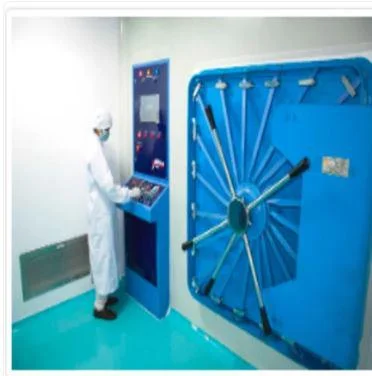
The types of Other Medical Devices & Equipment include but are not limited to infusion pumps, nebulizers, dialysis machines, patient monitors, and sterilization equipment. Each type serves a specific function within healthcare settings, contributing to patient care and treatment.
How do I choose the right Other Medical Devices & Equipment?
Choosing the right Other Medical Devices & Equipment involves assessing your specific medical needs, understanding the device specifications, and ensuring compatibility with existing systems. It is also advisable to consider the reliability of the supplier and the service support they offer.
What are the standard specifications for Other Medical Devices & Equipment?
Standard specifications for Other Medical Devices & Equipment vary based on the type of device. Generally, specifications may include dimensions, weight, power requirements, safety features, and compliance with health regulations such as ISO or CE certification.
What is the price range for Other Medical Devices & Equipment?
The price range for Other Medical Devices & Equipment can vary significantly based on the type, brand, and advanced features of the device. On average, prices can range from a few thousand to several lakhs of Indian Rupees, depending on the complexity and functionality.
What quality standards apply to Other Medical Devices & Equipment?
Quality standards for Other Medical Devices & Equipment typically include compliance with ISO 13485, which pertains to medical device quality management systems. Additionally, devices may need to meet local regulatory requirements set by authorities like the Central Drugs Standard Control Organization (CDSCO) in India.
Where can I find Other Medical Devices & Equipment suppliers in India?
Other Medical Devices & Equipment suppliers in India can be found through various channels, including online B2B marketplaces like Pepagora, industry trade shows, and medical equipment expos. Conducting online research and networking within the healthcare sector can also help identify reliable suppliers.
Can Other Medical Devices & Equipment be customized?
Yes, many Other Medical Devices & Equipment can be customized to meet specific requirements of healthcare providers. Customization may involve modifications in design, functionality, or features to better suit the needs of particular medical applications.
What is the typical minimum order quantity for Other Medical Devices & Equipment?
The typical minimum order quantity (MOQ) for Other Medical Devices & Equipment varies by supplier and device type. Generally, MOQs can range from a single unit for specialized equipment to larger quantities for bulk orders.
What is the typical lead time for Other Medical Devices & Equipment?
The typical lead time for Other Medical Devices & Equipment often ranges from a few days to several weeks, depending on the supplier's inventory and the complexity of the order. Custom orders may require additional time for manufacturing and quality checks.
Why Businesses Trust Pepagora
Thousands of companies trust Pepagora to source smarter and sell faster
Expand Your Sales Globally

Source Smarter,Grow Faster
