
 IN
Moulding Machines
22 products available
What are Moulding Machines?
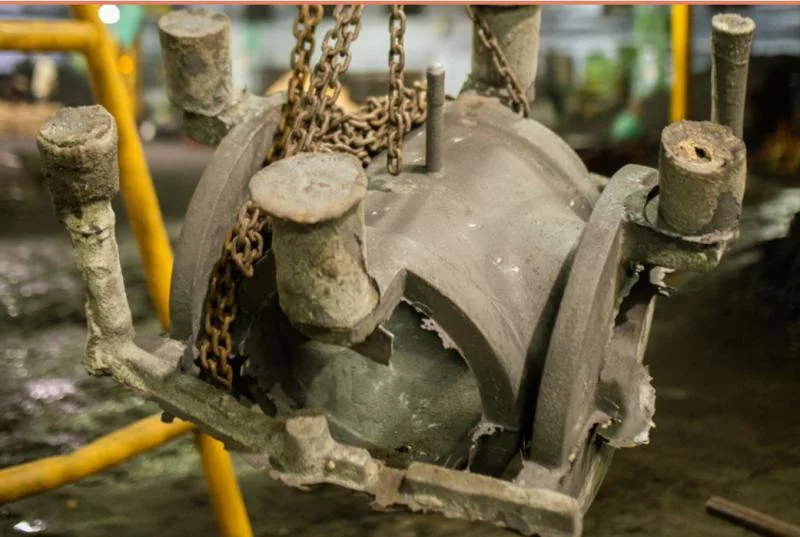
Moulding machines are specialized equipment designed for shaping materials into specified forms or profiles. They operate by applying pressure to a material, such as plastic, metal, or clay, to create various products. These machines can utilize different moulding techniques, including injection moulding, blow moulding, and compression moulding, depending on the material and desired end product.
The primary uses of moulding machines are found in industries that require high-volume production of parts and components. Common applications include automotive manufacturing, consumer goods production, and construction materials. Moulding machines help businesses increase efficiency, reduce waste, and maintain consistent quality in their manufacturing processes. As industries evolve towards automation, the relevance of these machines continues to grow, solidifying their importance in the manufacturing landscape.
Key Features and Specifications
Moulding machines come with various features that enhance their performance and adaptability to different manufacturing requirements. Understanding these specifications is crucial for businesses looking to invest in this equipment.
Key specifications include:
1. Moulding Process Type
- Options include injection, blow, and compression moulding.
- Each type serves different material and product needs.
2. Production Capacity
- Capacity can vary significantly from small-scale to high-volume production.
- Typical ranges are from 100 to several thousand units per hour.
3. Material Compatibility
- Machines can handle a variety of materials including plastics, metals, and ceramics.
- Specific models may be optimized for certain materials.
4. Energy Efficiency
- Many modern machines are designed to reduce energy consumption.
- Efficiency ratings can help assess overall operational costs.
5. Automation Features
- Integration with robotics and smart technology for enhanced productivity.
- Features may include automated feeding, cooling, and unloading systems.
6. Control Systems
- Advanced control interfaces for monitoring and adjusting parameters.
- Options for programmable logic controllers (PLC) and touchscreen interfaces.
7. Maintenance Needs
- Machines designed for easy access to components for routine maintenance.
- Predictive maintenance capabilities can minimize downtime.
8. Safety Features
- Compliance with safety standards to protect operators.
- Features may include emergency stop buttons and safety guards.
In summary, evaluating these features and specifications is essential for choosing the right moulding machine for your business needs.
Common Applications and Use Cases
Moulding machines are utilized across various industries, showcasing their versatility in manufacturing.
1. Automotive: Moulding machines create essential components such as dashboards, panels, and interior fittings. They ensure precise dimensions and high-quality finishes.
2. Consumer Goods: These machines produce everyday items like containers, toys, and household appliances. Their ability to work with multiple materials enhances product variety.
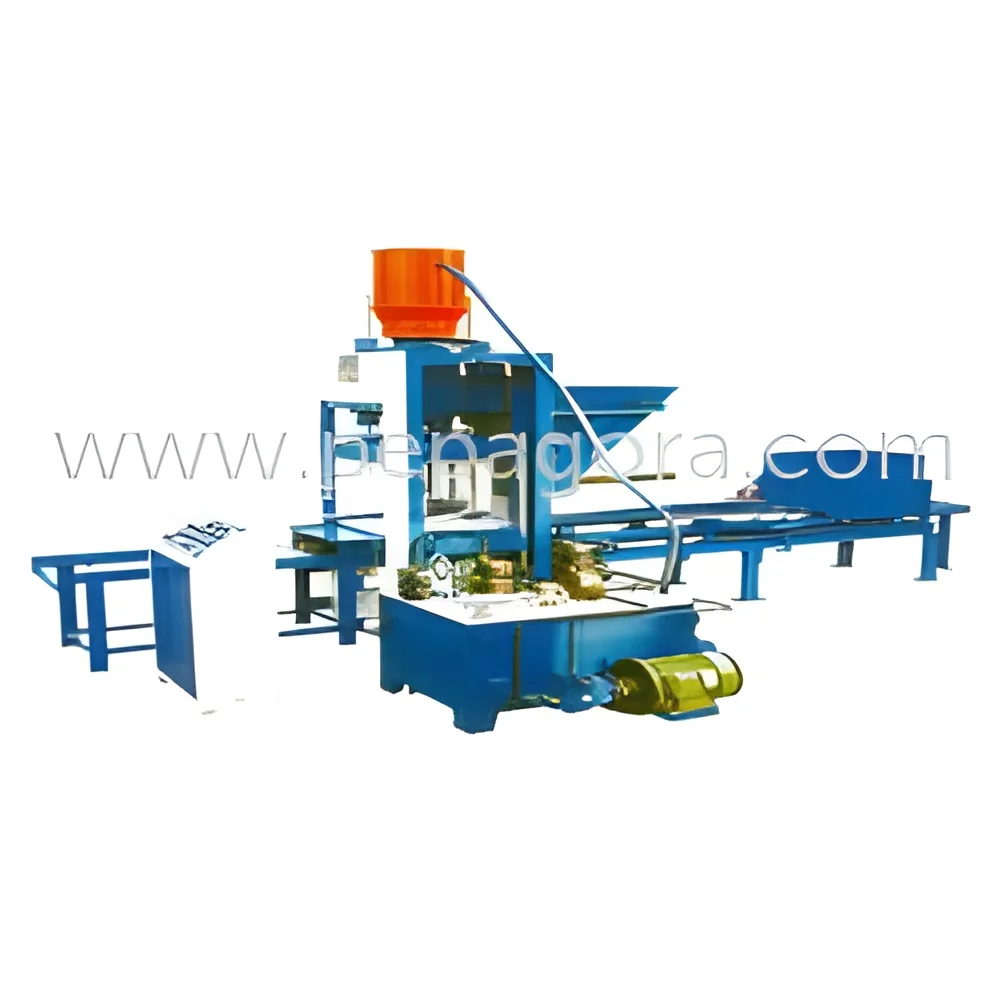
3. Construction: In construction, moulding machines are used to manufacture items like bricks, tiles, and panels. They facilitate large-scale production while maintaining durability and consistency.
4. Electronics: Moulding machines are integral to producing enclosures and parts for electronic devices. They allow for intricate designs and reliable performance.
5. Medical: In the medical sector, these machines produce components for devices such as syringes and surgical tools. Precision and safety are paramount in this application.
6. Packaging: Moulding machines create packaging solutions for food and consumer products. They contribute to sustainable practices by enabling the use of recyclable materials.
7. Aerospace: Moulding machines are used to manufacture lightweight components that meet strict safety standards while providing superior performance.
Product Variants and Subcategories
Moulding machines come in various types, each designed for specific applications and materials. This diversity allows businesses to select machines that best suit their production requirements.
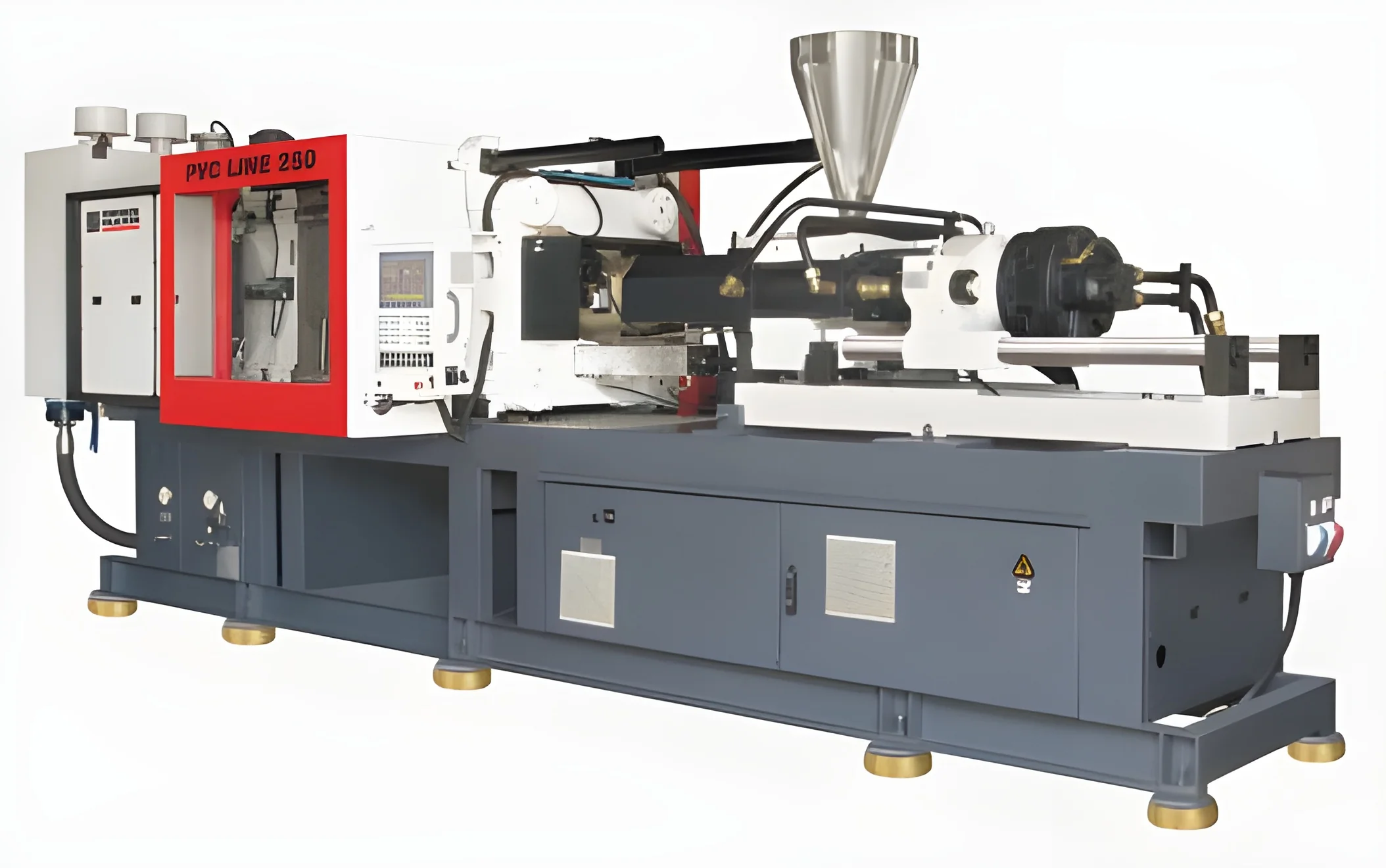
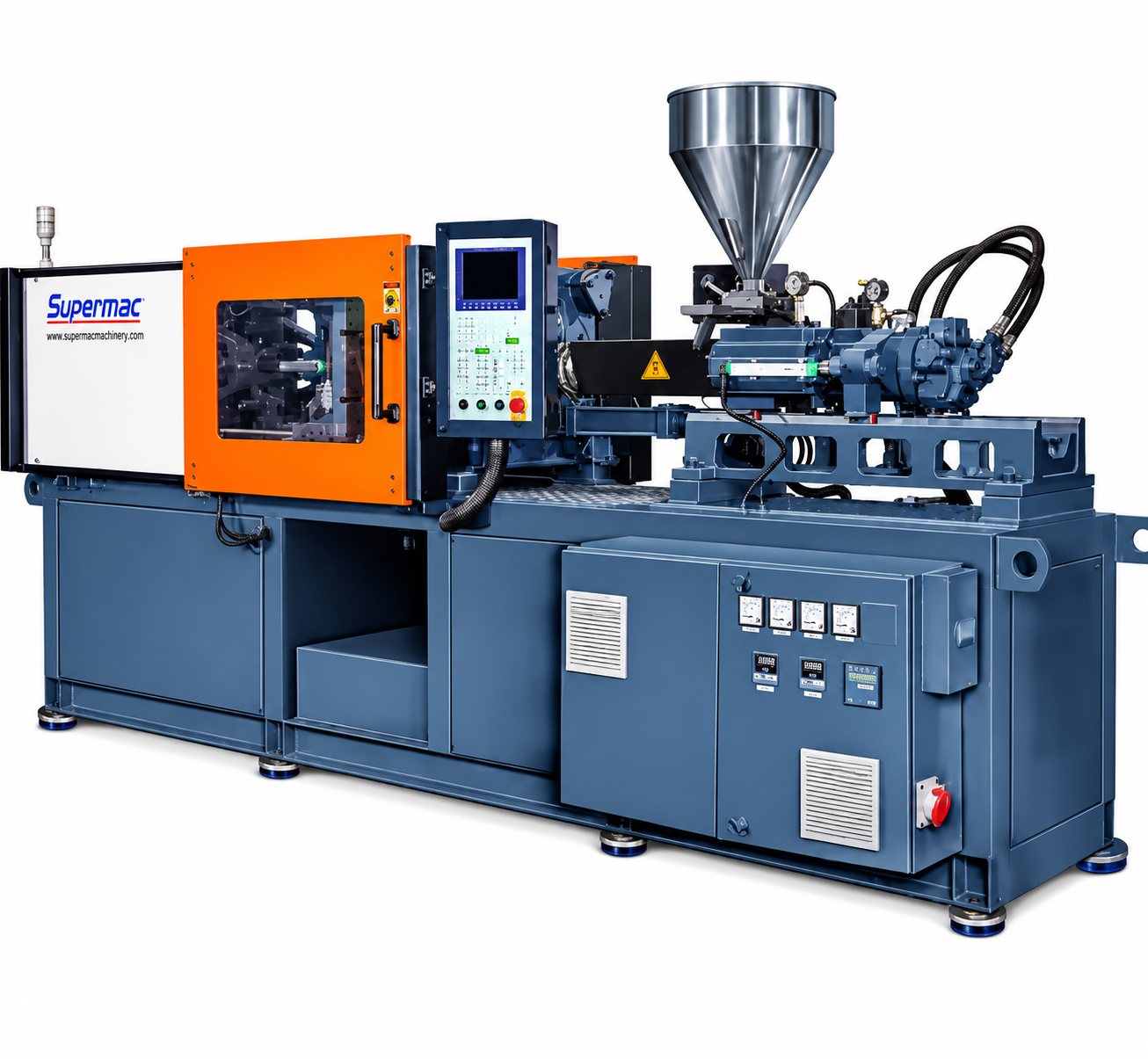
Injection Moulding Machines: These machines are ideal for producing complex shapes and high-precision parts. They are widely used in manufacturing plastic components for various industries.
Blow Moulding Machines: Specifically designed for creating hollow objects, such as bottles and tanks, blow moulding machines utilize air pressure to form materials into desired shapes.
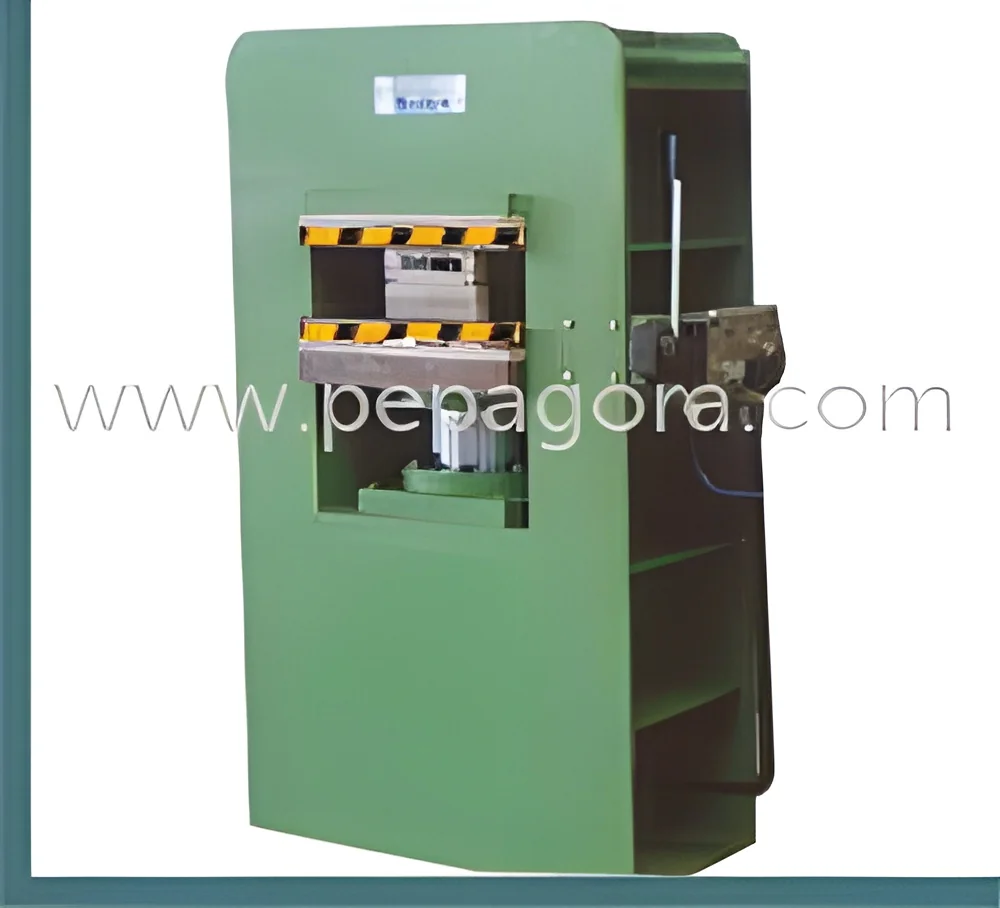
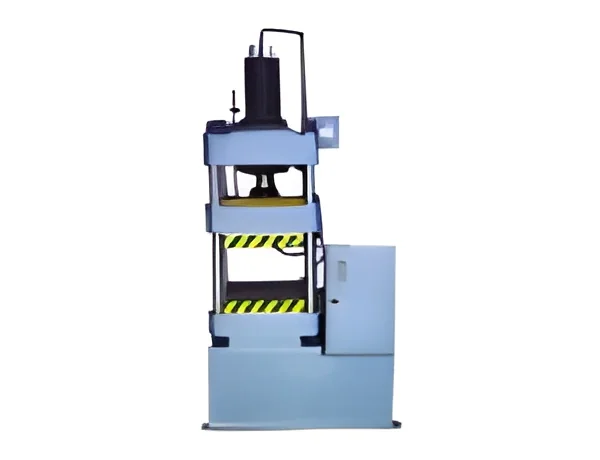
Compression Moulding Machines: These machines are suitable for materials that require heat and pressure to shape. They are commonly used in the automotive and aerospace industries.
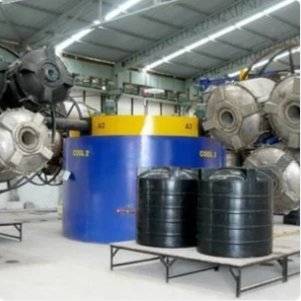
Rotational Moulding Machines: Utilizing a different technique, these machines create large hollow products by rotating a mould. They are often used for manufacturing tanks and playground equipment.
Benefits and Advantages
Investing in moulding machines offers several advantages that can significantly impact production efficiency and product quality.
1. Increased Production Efficiency: Moulding machines enable high-volume production, reducing the time needed for manufacturing.
2. Cost-Effectiveness: By minimizing waste and optimizing material usage, these machines can lower production costs.
3. Consistent Quality: Moulding machines provide uniformity in products, ensuring that each item meets quality standards.
4. Flexibility in Design: Various moulding techniques allow for a wide range of product designs and customization options.
5. Reduced Labor Costs: Automation features in modern moulding machines decrease the need for manual labor, leading to cost savings.
6. Enhanced Safety: Many machines come equipped with safety features that protect operators and reduce the risk of accidents.
Buying Guide for B2B Buyers
When looking to purchase moulding machines, it is important to consider several factors that can influence your decision.
1. Quality Assessment: Evaluate the machine's build quality and performance history. Look for reviews and case studies that demonstrate reliability and efficiency.
2. Supplier Verification: Vet potential suppliers to ensure they have a solid reputation and provide quality products. Check for certifications and customer testimonials.
3. Pricing and MOQ: Understand the pricing structure and minimum order quantities. This will help in budgeting and assessing the overall value of the investment.
4. Delivery and Lead Times: Confirm delivery schedules and lead times to ensure that the machinery can be integrated into your production timeline without delays.
5. Compliance Requirements: Ensure that the machines meet relevant industry standards and regulations. This is critical for maintaining operational compliance and safety.
Compliance and Certifications
Moulding machines must adhere to various quality standards and certifications to ensure safety and reliability. Key standards include ISO 9001, which focuses on quality management systems, ensuring consistent quality in manufacturing processes.
Additionally, industry certifications such as UL and CE indicate that moulding machines meet safety and performance standards required in many regions. Compliance with these certifications is essential for businesses looking to operate within regulated markets.
Safety and testing requirements are also crucial, with many machines undergoing rigorous testing to ensure they can safely operate under specified conditions. Companies should also consider regional compliance, as different countries may have specific regulations that affect machine operation and safety.
Why Source Moulding Machines from Pepagora?
Pepagora provides a trusted platform for sourcing moulding machines, offering several key advantages for B2B buyers.
Verified Supplier Network: Pepagora connects buyers with a network of verified suppliers. This ensures that businesses have access to high-quality machines from reputable manufacturers.
Streamlined RFQ Process: The platform simplifies the request for quotation process, allowing buyers to easily compare offers and select the best option for their needs.
Trade Assurance and Support: Buyers benefit from trade assurance that provides protection throughout the purchasing process. This helps secure investments and fosters confidence in transactions.
Regional Coverage: Pepagora boasts a broad geographic reach, covering markets in India, the GCC, and Southeast Asia. This extensive network facilitates access to machines suitable for diverse manufacturing environments.

 India
 India
 India
 India
 India
 India
 India
 India
 India

 India
 India
 India
 India
 India
Frequently Asked Questions
What are Moulding Machines?
Moulding machines are industrial equipment used to shape and form materials, typically plastics or metals, into specific designs or parts. They operate by injecting, compressing, or extruding materials into molds to create products of various shapes and sizes.
What are the different types of Moulding Machines?
There are several types of moulding machines, including injection moulding machines, blow moulding machines, compression moulding machines, and rotational moulding machines. Each type is designed for specific applications and materials, catering to different manufacturing needs.
How do I choose the right Moulding Machines?
Choosing the right moulding machine depends on factors such as the type of material you are working with, the desired product specifications, and your production volume. It is also important to consider the machine's efficiency, precision, and compatibility with your existing manufacturing processes.
What are the standard specifications for Moulding Machines?
Standard specifications for moulding machines typically include parameters such as clamping force, injection speed, shot volume, and power consumption. Additionally, machine dimensions, weight, and control systems can vary based on the specific type of moulding machine.
What is the price range for Moulding Machines?
The price range for moulding machines can vary widely based on their type, size, and features. Generally, small machines may start from a few lakhs, while larger, more advanced models can cost several crores.
What quality standards apply to Moulding Machines?
Moulding machines are subject to various quality standards, including ISO certifications, which ensure safety, reliability, and efficiency. Manufacturers often adhere to specific industry standards relevant to the materials they process, ensuring compliance with regulatory requirements.
Where can I find Moulding Machines suppliers in India?
You can find moulding machines suppliers in India through various online B2B marketplaces, trade shows, and industrial directories. Platforms like Pepagora provide a comprehensive list of manufacturers and suppliers, making it easier to compare options and request quotes.
Can Moulding Machines be customized?
Yes, many manufacturers offer customization options for moulding machines to meet specific production requirements. Customizations can include modifications in size, features, and control systems based on the unique needs of a business.
What is the typical minimum order quantity for Moulding Machines?
The typical minimum order quantity (MOQ) for moulding machines can vary by supplier and the type of machine. Generally, MOQs can range from one unit for smaller machines to multiple units for larger, specialized equipment.
What is the typical lead time for Moulding Machines?
The typical lead time for moulding machines can vary based on the manufacturer and the complexity of the order. Generally, lead times can range from a few weeks to several months, depending on customization and order volume.
Why Businesses Trust Pepagora
Thousands of companies trust Pepagora to source smarter and sell faster
Expand Your Sales Globally

Source Smarter,Grow Faster
