
 IN
Molten Metal Transfer Pumps
12 products available
What are Molten Metal Transfer Pumps?
Molten metal transfer pumps are specialized equipment designed to transport molten metals safely and efficiently from one location to another within industrial settings. These pumps are engineered to handle extreme temperatures and the unique properties of molten metals, ensuring reliable operation during critical processes. Typical applications include the transfer of aluminum, copper, and other non-ferrous metals in foundries, smelting operations, and metalworking facilities.
The primary uses of molten metal transfer pumps are found in industries where metal casting and processing are prevalent. They play a crucial role in maintaining production efficiency by enabling the quick and safe transfer of molten metal to molds or storage vessels. This reduces the risk of accidents and contamination, which can arise from handling hot metals manually. As industrial processes evolve, the demand for efficient and reliable molten metal transfer solutions continues to grow, highlighting the importance of these pumps in various manufacturing environments.
In the current market context, molten metal transfer pumps are gaining attention as manufacturers seek to enhance productivity and safety in their operations. With advancements in pump technology, these products are becoming more efficient, durable, and easier to maintain. As a result, businesses are increasingly investing in high-quality molten metal transfer pumps to meet the demands of modern manufacturing.
Key Features and Specifications
Molten metal transfer pumps are equipped with several key features that enhance their performance and reliability in industrial applications. Understanding these specifications is essential for selecting the right pump for specific operational needs.
Key specifications include:
1. High-Temperature Resistance
- Designed to withstand the extreme temperatures associated with molten metals
- Capable of operating within a specified temperature range (data not available)
2. Durable Materials
- Constructed from materials that resist wear and corrosion caused by molten metals
- Common materials include specialized alloys and refractory materials
3. Flow Rate
- Offers varying flow rates to accommodate different production requirements
- Typical flow rates can be tailored based on application needs (data not available)
4. Pumping Mechanism
- Utilizes various pumping mechanisms, such as centrifugal or positive displacement
- Selection depends on the viscosity and type of molten metal being handled
5. Safety Features
- Equipped with safety mechanisms to prevent overflow and leaks
- Features may include automatic shut-off and temperature monitoring systems
6. Compact Design
- Space-saving designs allow for easy integration into production lines
- Lightweight construction aids in mobility and installation
7. Energy Efficiency
- Designed to minimize energy consumption during operation
- Contributes to overall cost savings in production processes
8. Maintenance Accessibility
- Built for ease of maintenance and repairs, reducing downtime
- Clear access points for routine checks and servicing
In summary, the selection of molten metal transfer pumps should be guided by these features and specifications to ensure optimal performance and safety in industrial applications.
Common Applications and Use Cases
Molten metal transfer pumps are utilized across various industries, each with specific operational requirements that these pumps can address effectively.
1. Foundries: In foundries, molten metal transfer pumps are essential for transporting molten aluminum and other metals to molds for casting. Their high-temperature resistance ensures safe handling during critical operations.
2. Metal Processing: In metal processing facilities, these pumps facilitate the transfer of molten metals to various stages of production, such as alloying and refining. This enhances efficiency and minimizes the risk of contamination.
3. Smelting Operations: During smelting, pumps are used to move molten metal from smelting furnaces to holding vessels. Their reliability is crucial for maintaining continuous production processes.
4. Aerospace Manufacturing: In the aerospace sector, molten metal transfer pumps are used for creating precision components from high-performance alloys. Their accuracy and reliability are vital for meeting stringent industry standards.
5. Automotive Industry: These pumps play an important role in the manufacturing of automotive parts, where molten metal is poured into molds to create components that meet specific design and safety requirements.
6. Renewable Energy: In renewable energy applications, molten metal pumps are used in the production of components for solar panels and wind turbines, where high-performance materials are essential.
7. Defense Manufacturing: The defense industry utilizes these pumps for producing specialized metal components that require high precision and durability, ensuring they meet rigorous quality standards.
Product Variants and Subcategories
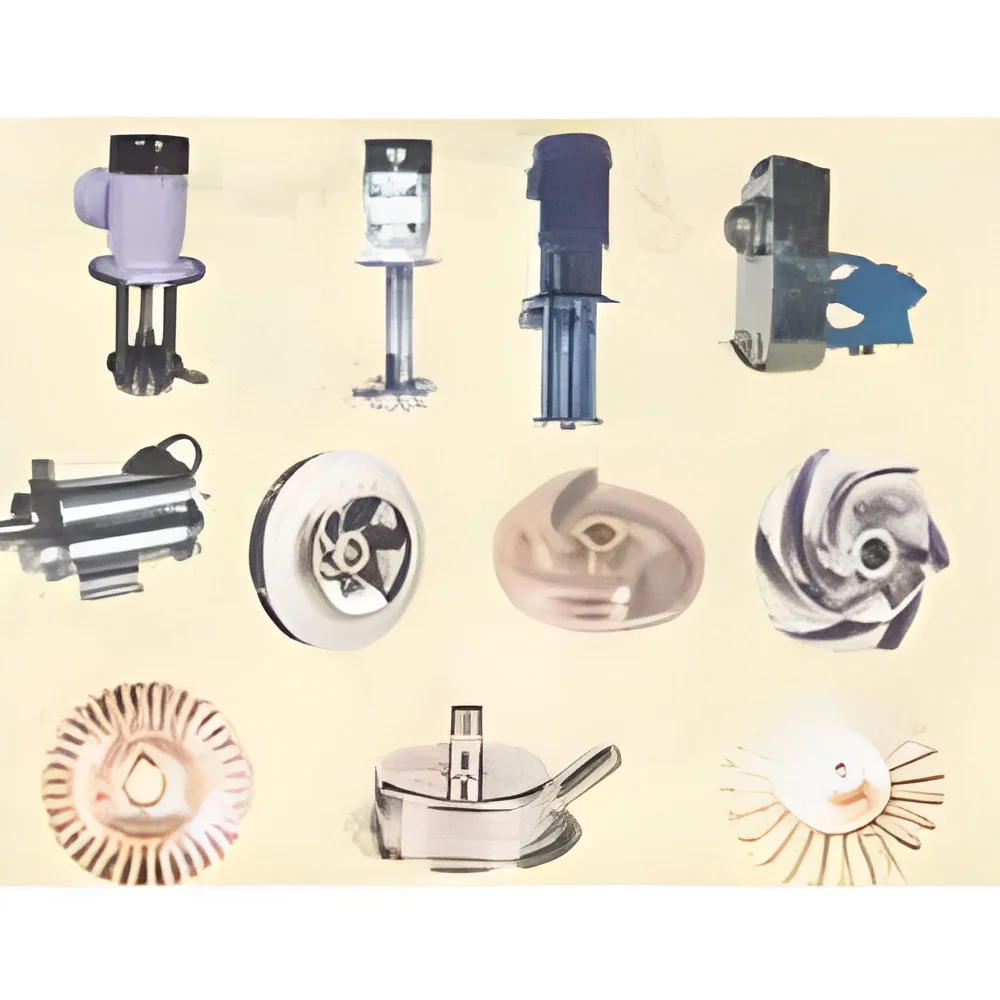
Molten metal transfer pumps come in various designs and configurations to meet diverse application needs. This diversity allows businesses to choose the right pump for their specific processes.
Electric Molten Metal Pumps
These pumps offer a reliable and energy-efficient solution for transferring molten metals. Equipped with electric motors, they provide consistent flow rates and can be easily integrated into automated systems.
Pneumatic Molten Metal Pumps
Pneumatic pumps utilize compressed air for operation, making them suitable for environments where electrical equipment may pose safety risks. They are often used in applications that require mobility and flexibility.
Hydraulic Molten Metal Pumps
These pumps leverage hydraulic power to move molten metals and are ideal for heavy-duty applications. They can handle high flow rates and are commonly used in large-scale metal processing operations.
Benefits and Advantages
Investing in molten metal transfer pumps provides businesses with several advantages that contribute to operational efficiency and safety.
1. Enhanced Safety: The design of these pumps minimizes the risk of accidents associated with manual handling of molten metals, thereby improving workplace safety.
2. Increased Efficiency: Molten metal transfer pumps streamline the transfer process, reducing downtime and enhancing overall productivity in manufacturing operations.
3. Consistent Performance: These pumps are engineered for reliability, ensuring consistent operation even under extreme conditions, which is vital for maintaining production schedules.
4. Reduced Contamination Risk: By automating the transfer of molten metals, these pumps help reduce the risk of contamination, ensuring higher quality end products.
5. Cost-Effective Operation: The energy-efficient design of molten metal transfer pumps leads to lower operating costs, contributing to overall savings for businesses.
6. Customization Options: Many manufacturers offer customization options, allowing businesses to tailor pumps to their specific needs, enhancing their utility in specialized applications.
Buying Guide for B2B Buyers
When sourcing molten metal transfer pumps, several factors should be considered to ensure the selection of the right equipment for your business needs.
1. Quality Assessment: Evaluate the quality of the pumps by reviewing manufacturer specifications, performance data, and customer testimonials. Look for pumps that meet industry standards and certifications.
2. Supplier Verification: Vet potential suppliers by checking their reputation, experience in the industry, and customer service capabilities. Reliable suppliers should provide clear information about their products and support.
3. Pricing and MOQ: Understand the pricing structure and minimum order quantities (MOQ) associated with the pumps. Compare prices across suppliers while considering the total cost of ownership.
4. Delivery and Lead Times: Discuss delivery schedules and lead times with suppliers to ensure timely receipt of pumps. This is critical to maintaining operational continuity.
5. Compliance Requirements: Verify that the pumps comply with relevant industry regulations and standards. This includes certifications such as CE and adherence to safety requirements.
Compliance and Certifications
Compliance with industry standards and certifications is critical when selecting molten metal transfer pumps. These measures ensure that the pumps meet safety and quality requirements necessary for reliable operation.
Relevant quality standards, such as ISO 9001, emphasize the importance of quality management systems in manufacturing. Companies that adhere to these standards demonstrate a commitment to producing high-quality products.
In addition to ISO standards, certifications like CE indicate compliance with European safety and environmental regulations. This certification assures buyers that the pumps meet rigorous safety requirements.
Safety and testing requirements are also crucial, particularly in industries that handle hazardous materials. Manufacturers should conduct thorough testing to ensure that their pumps can withstand the extreme conditions associated with molten metals.
Lastly, regional compliance considerations can impact the selection of pumps. Different regions may have specific regulations governing the use of industrial equipment, making it essential for buyers to be aware of local laws and standards.
Why Source Molten Metal Transfer Pumps from Pepagora?
Pepagora offers a trusted platform for sourcing molten metal transfer pumps, providing several advantages that facilitate the purchasing process for businesses.
Verified Supplier Network: Pepagora connects buyers with a network of verified suppliers committed to quality and reliability. This ensures that purchasers can trust the products they acquire.
Streamlined RFQ Process: The request for quotation (RFQ) process is simplified, allowing buyers to easily obtain quotes from multiple suppliers. This competitive environment helps businesses find the best value for their investment.
Trade Assurance and Support: With trade assurance programs, Pepagora provides buyer protection to ensure that transactions are secure and that products meet the expected standards.
Regional Coverage: Pepagora operates across diverse regions, including India, the Gulf Cooperation Council (GCC), and Southeast Asia. This broad geographic reach enables businesses to access a wide range of products and suppliers tailored to their specific needs.
By choosing Pepagora, businesses can confidently source molten metal transfer pumps that meet their operational requirements while benefiting from a streamlined and secure purchasing experience.

 India
 India
 India
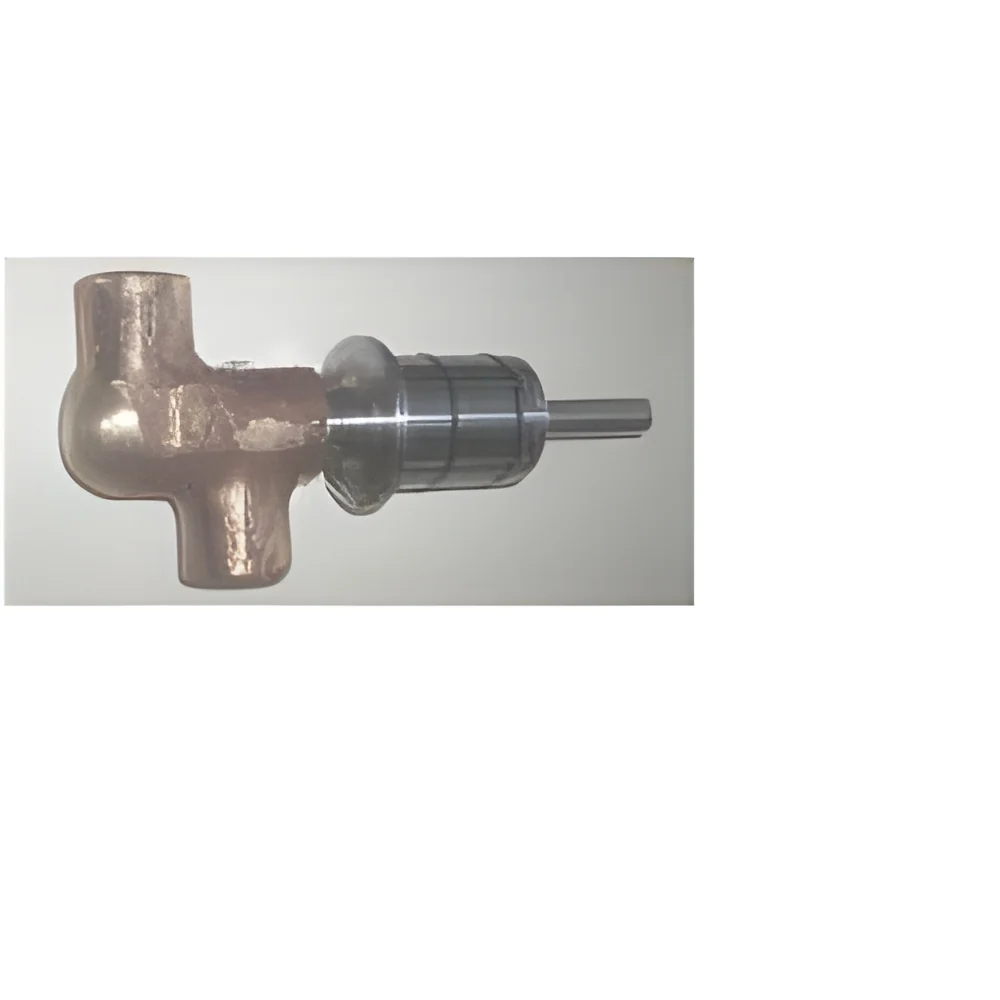
 India
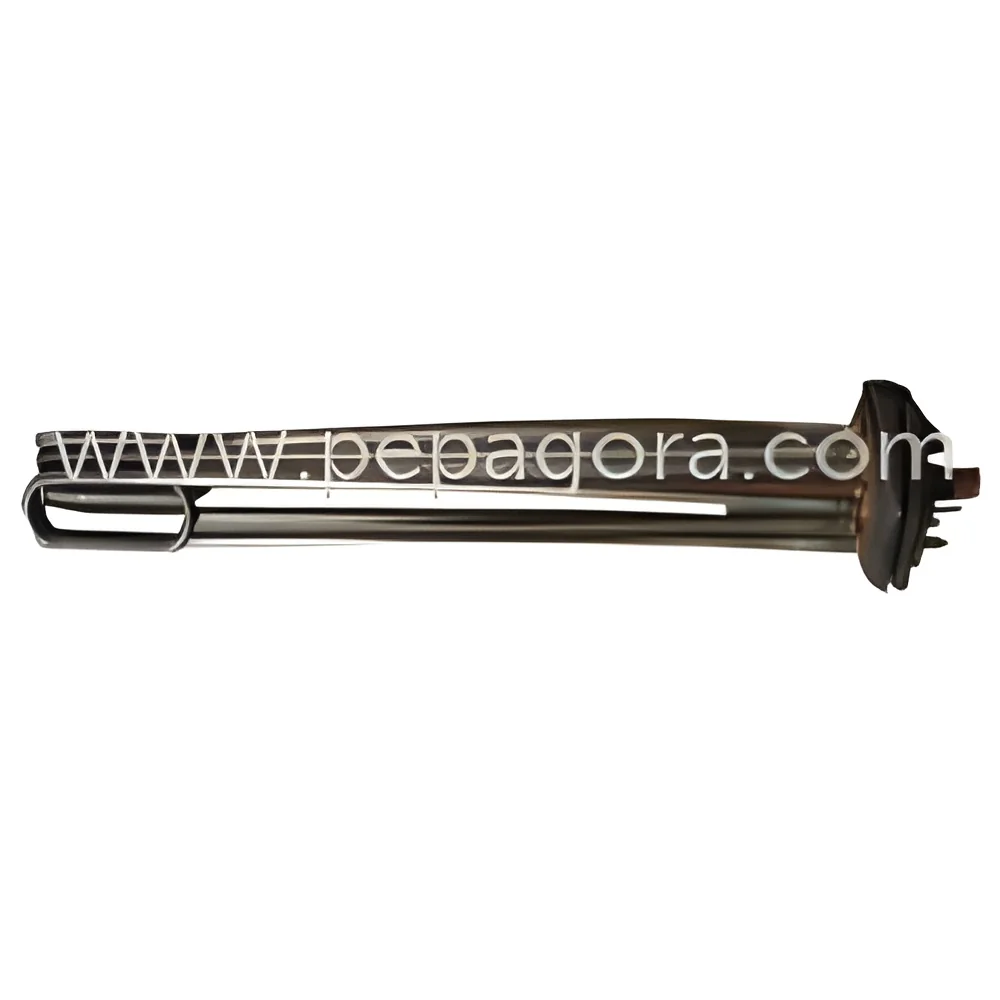
 India
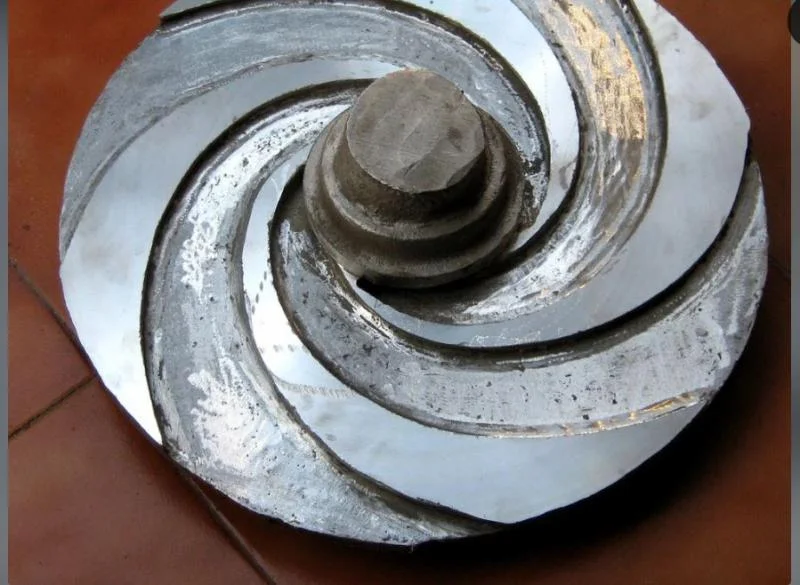
 India


Frequently Asked Questions
What are Molten Metal Transfer Pumps?
Molten Metal Transfer Pumps are specialized pumps designed to transport molten metals from one location to another within industrial settings. These pumps are engineered to handle high temperatures and corrosive materials, ensuring safe and efficient transfer during metal processing operations.
What are the different types of Molten Metal Transfer Pumps?
There are several types of Molten Metal Transfer Pumps, including centrifugal pumps, positive displacement pumps, and immersion pumps. Each type is suited for specific applications and materials, allowing for optimal performance based on the viscosity and temperature of the molten metal being transferred.
How do I choose the right Molten Metal Transfer Pumps?
Choosing the right Molten Metal Transfer Pump involves considering factors such as the type of molten metal, the required flow rate, temperature, and pressure specifications. It is also essential to evaluate the pump material compatibility with the molten metal to prevent corrosion and ensure longevity.
What are the standard specifications for Molten Metal Transfer Pumps?
Standard specifications for Molten Metal Transfer Pumps typically include maximum operating temperature, flow rate, pressure rating, and material of construction. These specifications can vary based on the manufacturer and application, so it is important to consult product datasheets for detailed information.
What is the price range for Molten Metal Transfer Pumps?
The price range for Molten Metal Transfer Pumps can vary widely based on factors such as type, capacity, and manufacturer. Generally, prices can start from a few thousand rupees and go up to several lakhs, depending on the pump's specifications and features.
What quality standards apply to Molten Metal Transfer Pumps?
Molten Metal Transfer Pumps must adhere to various quality standards, including ISO certifications and industry-specific regulations. These standards ensure that the pumps are reliable, safe to use, and meet the necessary performance criteria for molten metal transfer applications.
Where can I find Molten Metal Transfer Pumps suppliers in India?
You can find Molten Metal Transfer Pumps suppliers in India through various online B2B marketplaces, industrial supply directories, and trade shows. Pepagora.com offers a platform where you can connect with multiple manufacturers and suppliers to compare products and prices.
Can Molten Metal Transfer Pumps be customized?
Yes, many manufacturers offer customization options for Molten Metal Transfer Pumps to meet specific operational requirements. Customizations may include modifications in size, material, or additional features to enhance performance for particular applications.
What is the typical minimum order quantity for Molten Metal Transfer Pumps?
The typical minimum order quantity (MOQ) for Molten Metal Transfer Pumps can vary by supplier and product specifications. Generally, MOQs can range from one unit for standard models to larger quantities for custom designs or specialized pumps.
What is the typical lead time for Molten Metal Transfer Pumps?
The typical lead time for Molten Metal Transfer Pumps depends on factors such as production schedules, customization requests, and supplier location. Standard lead times may range from a few weeks to several months, so it is advisable to confirm timelines with the supplier before placing an order.
Why Businesses Trust Pepagora
Thousands of companies trust Pepagora to source smarter and sell faster
Expand Your Sales Globally

Source Smarter,Grow Faster
